
When Do Babies Grasp at Hanging Toys?
As a parent, you eagerly watch your baby grow and discover new skills every day. One of the most exciting milestones is when your little one starts to reach out and grasp at hanging toys.
This moment is not only adorable but also a crucial part of their development. You might be wondering when exactly you can expect this to happen and what it means for your baby's growth. Understanding the timeline and significance of this milestone can help you support and encourage your baby's exploration.
Stick around to learn more about when babies typically start grasping at hanging toys, why it's important, and how you can foster this new skill in your child. This guide will give you the insights you need to ensure your baby's playful learning is both fun and beneficial.
Grasping Reflex
The grasping reflex is a fascinating aspect of early development. This innate ability allows babies to hold onto objects from birth. Understanding this reflex can help parents engage with their infants.
Understanding The Grasping Reflex
Babies are born with several reflexes. The grasping reflex is one of them. It helps infants grip objects placed in their hands. This reflex is strong in newborns but changes as they grow.
How The Reflex Develops
Initially, the grasping reflex is automatic. Newborns will tightly hold onto anything in their palms. By two to three months, the reflex starts to fade. Babies begin to grasp intentionally.
The Role Of Hanging Toys
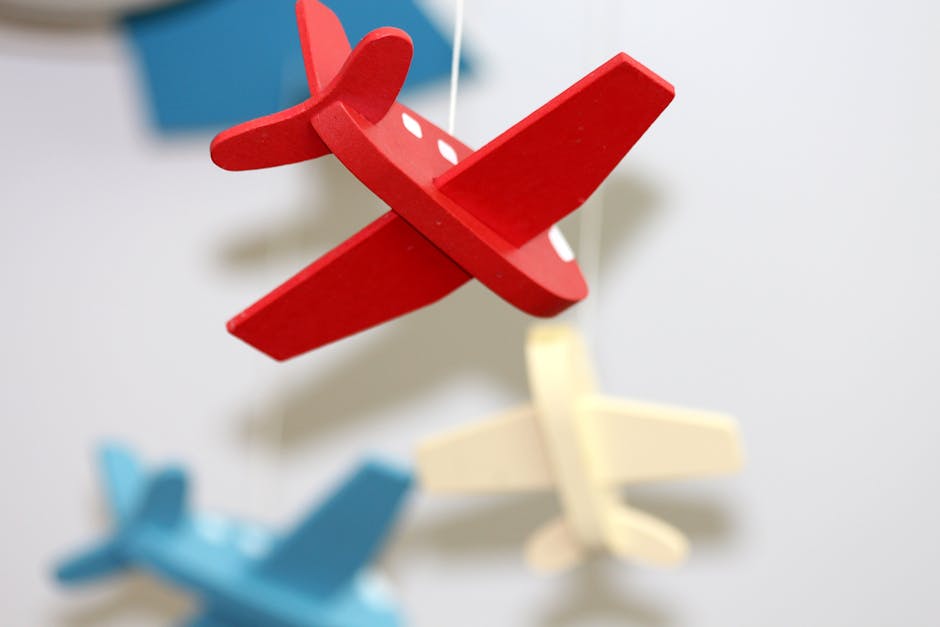
Hanging toys encourage babies to reach and grasp. They stimulate visual and motor skills. As babies try to touch the toys, their coordination improves. This helps in the transition from reflexive to voluntary grasping.
Engaging Babies With Hanging Toys
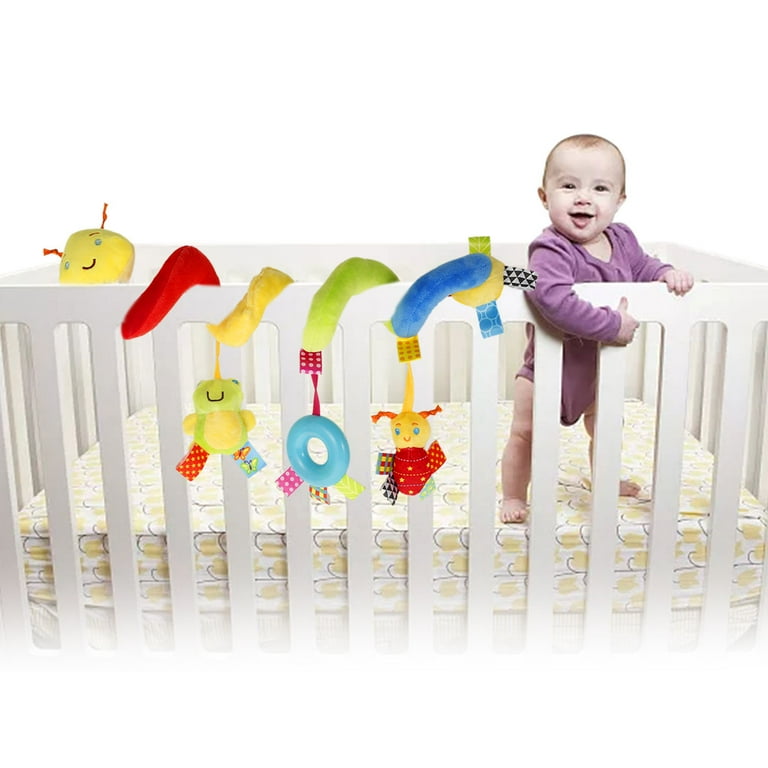
Choose toys with bright colors and interesting shapes. Position them within your baby's reach. Observe as your baby reaches out. Celebrate their progress as they learn to grasp intentionally.
Credit: www.walmart.com
Developmental Timeline
Understanding your baby's developmental timeline is vital. It helps you know when they begin grasping at hanging toys. Babies grow at their own pace. But certain milestones occur within typical age ranges. Observing these can help you track your baby's progress.
Newborn Stage
In the newborn stage, babies have limited control over their hands. Their movements are mostly reflexive. At this time, their main focus is on adjusting to the world. They might flail their arms, but grasping is not yet intentional.
Two To Four Months
During this stage, babies start to discover their hands. They begin to notice toys around them. Your baby might bat at toys hanging above. Hand-eye coordination is still developing. But they are becoming more aware of their surroundings.
Five To Six Months
By five to six months, your baby gains better control. They can reach and grasp toys intentionally. This period marks a significant milestone. Babies can now interact more with their environment. They enjoy touching and playing with hanging toys.
Motor Skills Progression
Babies typically start grasping at hanging toys around three to five months old. This milestone shows their growing curiosity and hand-eye coordination. Parents often notice infants reaching out with excitement, refining their motor skills as they explore textures and colors.
Motor skills progression in babies is a fascinating journey to observe. It's incredible how rapidly infants develop from simple reflexes to more complex actions like grasping. Each milestone marks a step towards independence and curiosity.
Hand-eye Coordination
Hand-eye coordination is a vital part of your baby's development. Initially, babies might just bat at toys, seemingly by accident. But soon, these actions become more intentional as they learn to connect what they see with how they move. Think back to a moment when you watched a baby try to grab a mobile above their crib. That intense focus and determination are signs of their growing coordination. Encouraging this skill can be as simple as hanging colorful toys within reach and letting them explore.
Strengthening Grip
Grasping hanging toys is not just about reaching; it's about grip strength too. Babies start by using a reflexive grip, but it evolves with practice. As they repeatedly clutch at toys, their tiny fingers gain strength and dexterity. Consider how delighted they become when finally able to clutch that favorite plush toy. This achievement not only boosts their confidence but also motivates them to try grabbing other objects. You can support this by offering toys of various textures and sizes to help them refine their grip. Watching a baby grow through these stages is truly a rewarding experience. What new toy will they reach for today? How can you make their learning environment more stimulating? These questions can guide you as you support their journey through these early developmental milestones.

Credit: www.amazon.com
Role Of Sensory Exploration
Understanding the role of sensory exploration is crucial in a baby's development. Babies learn about the world around them through their senses, and hanging toys are an excellent way to stimulate this exploration. As they grasp at these toys, they are not only practicing motor skills but also engaging their sensory systems.
Visual Stimulation
Have you ever noticed how a baby’s eyes light up when they see a brightly colored toy? Hanging toys provide visual stimulation that captivates their attention. Babies are naturally drawn to vivid colors and interesting shapes. This attraction encourages them to reach out and grasp, facilitating hand-eye coordination. Try dangling toys with contrasting colors to see how your baby reacts. You might be surprised at how quickly they focus on the toy and attempt to grab it.
Tactile Feedback
Imagine the first time your baby touches a soft, plush toy. The sensation is new and intriguing. Tactile feedback from hanging toys helps babies understand textures and shapes. As they grasp and explore, they learn how different materials feel against their skin. This process is essential for developing their sense of touch. Use toys with varied textures—smooth, rough, bumpy—to enrich their sensory experience. Notice how they react differently to each texture, and consider what this tells you about their preferences.
Have you ever wondered why some toys are more appealing to your baby than others? Understanding sensory exploration offers a glimpse into your baby's world. Observing their reactions to visual and tactile stimuli can reveal much about their developing senses. As you interact with your baby, think about how you can enhance their sensory exploration. What toys might you add to their collection to stimulate their growing curiosity?
Encouraging Grasping
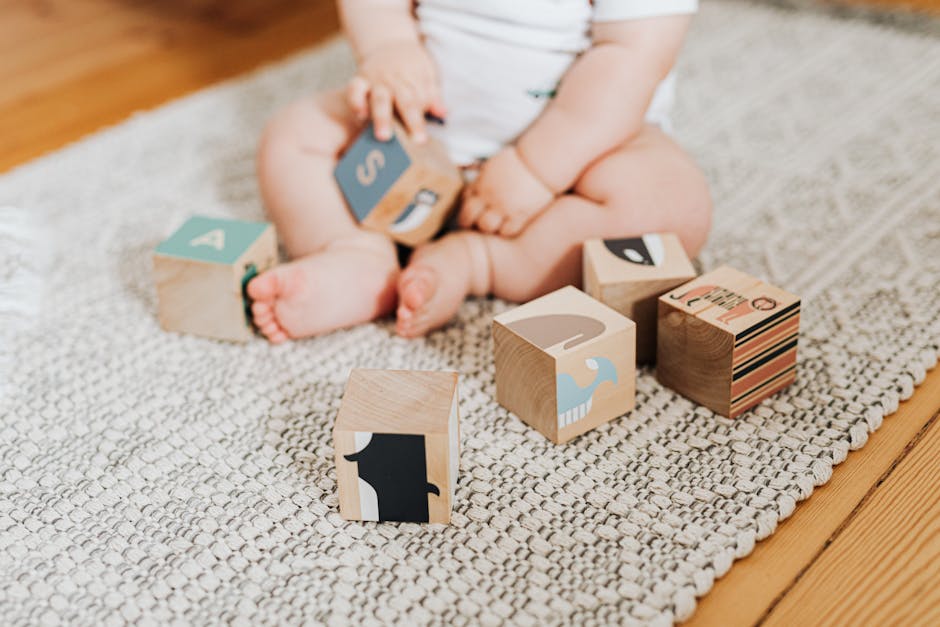
Encouraging your baby's grasping skills is crucial for development. Babies start exploring their world by reaching out. This act strengthens their hand-eye coordination and motor skills. Providing opportunities and the right environment helps in this process.
Safe Toys Selection
Choose toys designed for infants to ensure safety. Opt for toys that are soft and lightweight. Avoid small parts that might pose a choking risk. Bright colors and varied textures engage babies and encourage exploration. Ensure toys are durable and easy to clean.
Interactive Playtime
Interactive playtime boosts your baby's grasping skills. Hang toys within their reach to encourage stretching and grabbing. Move the toys gently to catch their attention. Engage with them by showing how to hold and release toys. Celebrate their attempts to foster confidence and joy in learning.
Potential Concerns
Parents eagerly watch their baby's development. Each milestone is a joyful moment. Sometimes, worry creeps in. Especially if grasping hanging toys seems delayed. It's natural to have questions. Is my baby on track? Should I be concerned? Let’s explore this together.
Delayed Milestones
Babies develop at their own pace. Yet, a significant delay might signal an issue. Typically, by 3 to 5 months, babies start grasping toys. They should show interest and reach out. If your baby isn’t doing this, observe other skills. Are they rolling, smiling, or babbling? A delay in grasping might accompany delays in other areas.
Consider your baby’s environment too. Do they have enough opportunities to practice? Sometimes, simple adjustments help. More tummy time or engaging toys might stimulate interest. Every baby is unique. Compare with peers cautiously. Focus on your baby’s progress.
Consulting Professionals
Worried about delayed milestones? Consult a pediatrician. A professional can assess development. They’ll provide guidance and reassurance. Describe your observations in detail. Mention any other concerns you might have noticed. The doctor might suggest further evaluation. Early intervention often helps. Identifying issues early can make a difference. Trust your instincts as a parent.
Remember, experts offer valuable insights. They can recommend exercises or activities to encourage development. Engaging a physical therapist might be beneficial too. They specialize in supporting motor skills. Your baby’s health and happiness are paramount. Professional advice ensures your concerns are addressed properly.

Credit: www.walmart.com
Frequently Asked Questions
When Do Babies Start Grabbing Toys?
Babies usually start grabbing toys between 3 to 6 months. At this stage, their hand-eye coordination improves. They become more curious about their surroundings. Parents can encourage this development by offering colorful and textured toys.
Why Do Babies Reach For Hanging Toys?
Babies reach for hanging toys due to their growing curiosity and motor skills. Grasping toys helps them explore textures and shapes. This activity also aids in developing their hand-eye coordination. It's a fun way to stimulate their senses.
How Can I Encourage Toy Grasping?
Encourage toy grasping by offering toys with different textures and colors. Place toys within easy reach for your baby. Engage with them during playtime to motivate exploration. Ensure the toys are safe and suitable for their age.
What Toys Are Best For Grasping?
Toys that are lightweight, colorful, and have varied textures are best for grasping. Soft rattles, teething rings, and small stuffed animals are ideal. Ensure they are safe and easy to hold. These toys can stimulate sensory and motor skills development.
Conclusion
Babies start grasping toys around three to four months. Their curiosity grows. They explore the world by reaching out. Parents can encourage this through play. Provide colorful, dangling toys. These toys stimulate senses and improve coordination. Always ensure safety. Choose toys without small parts.
Watch your baby’s progress closely. Celebrate small milestones. Every grasp is a learning step. A bond between parent and child strengthens. Enjoy these precious moments. They pass quickly but leave lasting memories. Understanding baby development helps in nurturing growth. Embrace each phase with patience and love.