
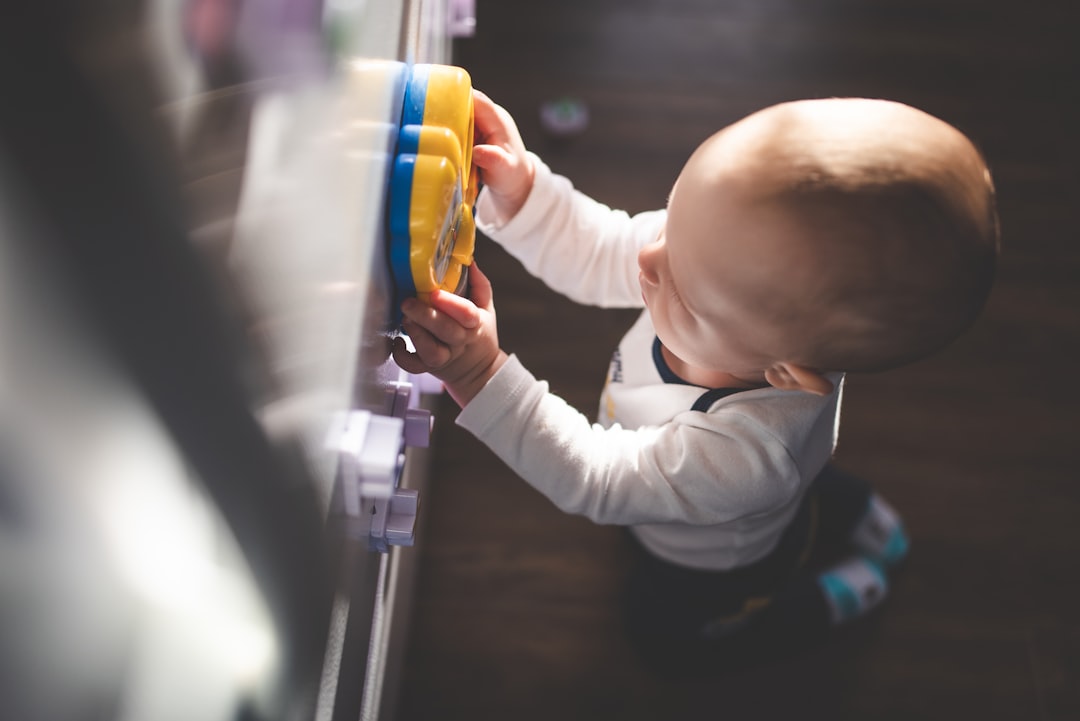
Imagine the moment when your baby reaches out and grabs a toy for the first time. It's not just adorable; it's a vital milestone in their development.
This simple act can spark a cascade of growth and learning, turning playtime into a crucial part of their early education. As a parent, understanding what this moment means can help you support your baby's journey. You’ll discover why grabbing toys is more than just play and how it can enhance your baby's motor skills, hand-eye coordination, and cognitive development.
Dive in to uncover how you can make the most out of this exciting stage, transforming everyday play into building blocks for your child's future.
Grasping Reflex In Infants
Watching your baby grab toys for the first time is a moment filled with excitement and curiosity. This tiny action reflects an essential part of their development known as the grasping reflex. This reflex is not just about holding onto objects; it's a fascinating glimpse into how your baby is beginning to interact with the world around them.
Early Signs Of Reflex
From the very first weeks, you might notice your baby closing their fingers around anything placed in their palm. This is the grasping reflex at work. It may seem simple, but it's a complex reaction that starts developing even before birth.
As your baby grows, this reflex becomes more pronounced. If you gently touch their palm, you'll see those tiny fingers curl around your finger. It's an incredible moment that feels like your baby is reaching out to connect with you.
Role In Development
The grasping reflex plays a crucial role in your baby's development. It helps them learn about their environment and lays the groundwork for future skills like holding a spoon or a pencil. Each grasp strengthens their hand muscles, promoting their physical growth.
Encouraging your baby to grab toys aids in enhancing their coordination. This simple act of reaching and holding helps them understand spatial concepts, preparing them for crawling and walking. Have you noticed how determined they look when reaching for a favorite toy?
What happens when your baby grasps a toy? They explore textures, weights, and shapes, and this exploration boosts their cognitive skills. Their brain is learning to process information, which is essential for problem-solving later in life.
So, the next time you see your baby grab a toy, remember it's more than just play—it's a vital step in their growth journey. How can you make this experience even more rewarding for them? Consider offering a variety of toys to enrich their learning and development.

Credit: www.rockway.gr
Hand-eye Coordination
Watching your baby reach out to grab a toy is more than just an adorable moment; it's a significant milestone in their development. Hand-eye coordination is a crucial skill that allows your baby to interact with the world around them. By mastering this skill, they are laying the foundation for future motor skills and cognitive abilities. But why is hand-eye coordination so important, and how can you help your little one enhance it?
Importance For Motor Skills
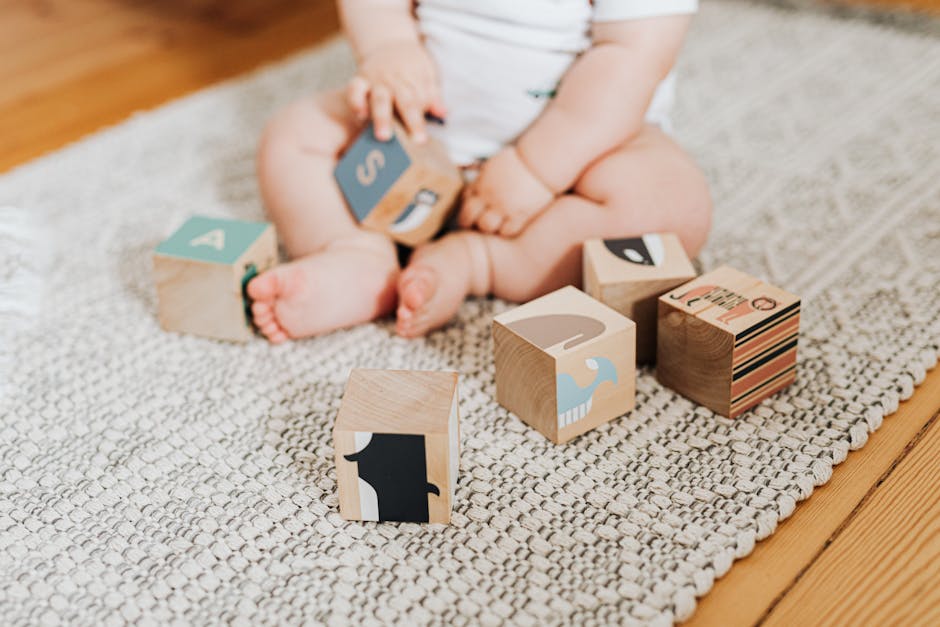
Hand-eye coordination is essential for developing motor skills. When your baby learns to synchronize their hand movements with what their eyes see, they gain control over their actions. This coordination helps them with tasks like stacking blocks, scribbling with crayons, or eventually tying shoelaces.
Each toy your baby grabs is like a mini workout for their brain and muscles. As they practice, they strengthen the connections between their brain and body. This is why toys that encourage reaching and grasping are vital during the early months.
Consider your baby's first successful attempt at grabbing a rattling toy. That joy on their face is not just excitement; it's a sign of achievement. They're learning control and precision, which boosts their confidence and independence.
Activities To Enhance Coordination
So, what can you do to support your baby's hand-eye coordination? A simple start is to offer toys that are easy to grasp. Soft blocks or rings are great because they fit comfortably in tiny hands. These toys encourage reaching, which improves their coordination.
Interactive play is another effective method. Try rolling a ball gently towards your baby and watch them reach out to catch it. This game not only entertains but also challenges them to focus and react, sharpening their coordination skills.
Have you ever noticed your baby trying to grab a spoon during mealtime? This is a perfect opportunity to improve their coordination. Allow them to explore using a spoon, even if it's messy. It’s a fun way to practice control and precision.
Finally, think about incorporating music and movement. Sing songs with hand gestures that your baby can mimic. These activities are engaging and enhance their ability to coordinate movements with visual cues.
How do you plan to encourage your baby's coordination skills? Every playful moment is a chance for growth. Embrace these moments and watch your baby's abilities flourish.
Cognitive Growth Through Play
Play is essential for a baby's cognitive growth. It stimulates their brain development. Babies explore the world through play. They grab toys to learn about their environment. This simple act is crucial for their mental development.
When babies grab toys, they engage their senses. They touch, see, and sometimes taste. These actions create connections in the brain. Each interaction builds their understanding of the world.
Learning Through Exploration
Babies are natural explorers. Grabbing toys is their way to learn. They discover textures, shapes, and colors. This exploration helps them understand their surroundings. Babies learn cause and effect. Dropping a toy makes a sound. Shaking a rattle creates noise. These experiences teach them about actions and consequences.
Exploration encourages curiosity. It drives them to try new things. Each new experience boosts their cognitive skills. They become more aware of their environment.
Problem-solving Skills
Grabbing toys helps develop problem-solving skills. Babies face challenges while playing. A toy out of reach requires effort to obtain. Figuring out how to reach it enhances their thinking skills. They learn persistence and patience. Each problem they solve builds confidence.
Problem-solving is key to cognitive growth. It encourages logical thinking. Babies begin to understand how things work. They develop strategies to overcome obstacles. This skill is essential for future learning. It lays the foundation for complex thinking.
Social Interaction With Toys
Babies learn and grow through play. Toys are their first friends. They help babies understand the world around them. When babies grab toys, it is not just playtime. It is a chance for social interaction. Toys become tools for learning and connection. They bridge the gap between babies and their surroundings.
Bonding With Parents
Playing with toys can strengthen the bond between parent and child. Parents can join in the fun. They can talk about the toy's colors and shapes. This interaction boosts communication skills. It also builds trust and affection. Parents can also mimic sounds or actions. It creates a joyful experience for the baby. These moments help form lasting memories.
Peer Interaction
When babies play with other children, toys become social tools. Sharing toys teaches important life skills. Babies learn patience and empathy. They observe how peers use toys. This inspires their own creativity. Peer interaction during play fosters teamwork. It also helps children understand social norms. Watching and imitating peers can also improve language skills. Playdates are more than just fun. They are lessons in social interaction.
Choosing Developmentally Appropriate Toys
When your baby starts grabbing toys, it's an exciting milestone. You want to choose toys that not only entertain but also support their development. Selecting the right toys can enhance motor skills, stimulate curiosity, and encourage learning. But how do you pick developmentally appropriate toys?
Safety Considerations
Safety should be your top priority. Ensure toys are free from small parts that can be a choking hazard. Check for sharp edges and toxic materials. Always opt for toys made from non-toxic, durable materials. You don't want a toy breaking apart in your baby's hands.
Think about your baby's age and skill level. A toy should be challenging but not frustrating. Imagine a toy that keeps your baby engaged and curious, not bored. Does the toy have potential hazards that you might overlook? Examine each toy carefully.
Stimulating Toys For Growth
Choose toys that stimulate different senses. Bright colors, interesting textures, and sounds can captivate your baby. Toys like soft blocks or rattles can encourage them to explore and learn. These toys promote cognitive and sensory development.
Engage your baby's imagination with toys that allow for creative play. Simple toys like stacking cups or shape sorters can provide endless learning opportunities. They help your baby develop problem-solving skills and hand-eye coordination.
Consider your baby's interest. What toys do they naturally gravitate towards? Observe them and adapt your choices to match their preferences. You might be surprised by what captures their attention.
Do you have a toy that your baby loves and keeps returning to? These toys can be the key to understanding their developmental needs. Pay attention to their favorite toys and find similar ones that can further enhance their growth.

Credit: www.candokiddo.com
Milestones Tracking
Watching your baby grow is an exciting journey. Each small achievement matters. Tracking milestones helps understand their development. One key milestone is when babies start grabbing toys. This action shows their growing curiosity and motor skills. Parents often watch eagerly for these signs. It's a moment filled with pride and joy.
Typical Age Ranges
Babies usually start grabbing toys around 3 to 4 months old. By 5 to 6 months, they develop better hand-eye coordination. They can reach and grasp objects with ease. During these months, babies explore their surroundings more. Each baby is unique, though. Some may reach this milestone earlier or later.
When To Seek Guidance
If your baby isn't grabbing toys by 7 months, consider guidance. This might indicate a delay in motor skills. Talk to your pediatrician for advice. Early intervention can help address potential concerns. Trust your instincts as a parent. You know your baby best.

Credit: www.shutterstock.com
Frequently Asked Questions
When Do Babies Start Grabbing Toys?
Babies typically start grabbing toys around 3 to 4 months old. This is when their motor skills begin to develop. They gain more control over their hands and fingers. Providing safe and colorful toys can encourage this development. It's an exciting milestone for both babies and parents.
Why Is Toy Grabbing Important For Babies?
Toy grabbing is crucial for developing hand-eye coordination in babies. It also enhances fine motor skills and sensory exploration. As babies reach and grasp, they learn about object textures and shapes. This activity supports cognitive development and encourages curiosity about their environment.
It’s a foundational step in their growth.
How Can I Encourage My Baby To Grab Toys?
To encourage toy grabbing, offer a variety of textures and colors. Place toys within easy reach and encourage exploration. Engage in interactive play, showing excitement when they attempt to reach. Rotate toys regularly to maintain interest. Patience and positive reinforcement are key to fostering this skill.
What Toys Are Best For Grabbing Development?
Soft, lightweight toys are ideal for grabbing development. Toys with different textures, like soft blocks or rings, are beneficial. Rattles or toys with sounds can attract attention. Ensure toys are safe, non-toxic, and appropriately sized. These factors stimulate sensory exploration and enhance fine motor skills.
Conclusion
Babies grow fast, and grabbing toys is a big step. It helps develop motor skills. They learn to explore the world around them. Parents should choose toys that are safe and colorful. This encourages curiosity and learning. Observing your baby can be fun and rewarding.
It also strengthens the parent-child bond. Remember, every baby is unique. Celebrate each milestone they achieve. Enjoy these early stages of development. It's a special time for both you and your baby. Watching them learn and grow is truly a joy.
Cherish these moments as they won't last forever.