

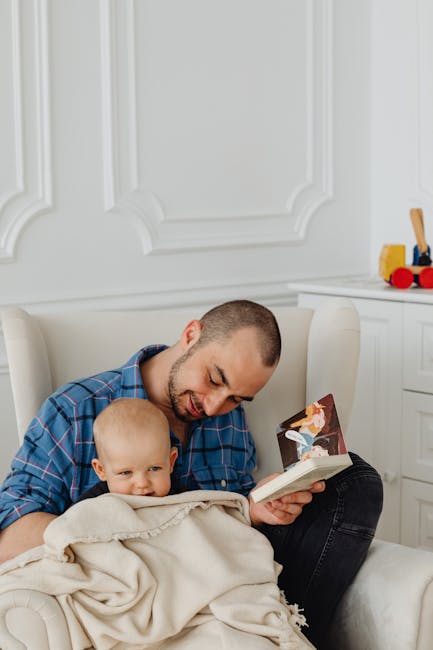
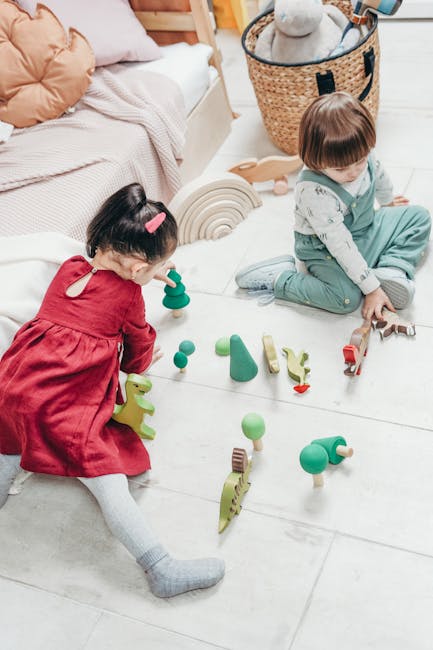
Imagine the first time your baby smiles at a colorful toy, or reaches out to grab a stuffed animal. These moments are magical and mark important milestones in your little one’s development.
But when do babies actually start reacting to toys? Understanding the timeline of your baby's interaction with toys can feel like unlocking a secret code. It’s more than just playtime; it’s about fostering growth and learning. If you’re eager to know when to introduce toys and how they can spark curiosity and joy in your baby, you’re in the right place.
This article will guide you through the stages of development, giving you the insights you need to support your baby’s playful journey. Let’s dive into the world of baby toys and discover the right time to let your little one explore them.

Credit: leader.pubs.asha.org
Early Interaction
Babies are fascinating little beings, especially when they begin to interact with toys. This early interaction marks a significant stage in their development. As they explore the world through toys, they start to make sense of their surroundings. Toys become more than just objects; they are tools for learning and growth. Have you ever watched a baby light up at the sight of a colorful rattle? Those moments are a peek into their budding curiosity and cognitive engagement.
Sensory Exploration
During the first few months, babies engage with toys through sensory exploration. They touch, taste, and listen to the sounds toys make. Think about a soft plush toy. Babies love to feel the texture against their skin, and often, they'll bring it to their mouth. This is their way of discovering the world. You might notice how they react to different materials and sounds, showing preference for certain textures or noises.
Consider giving them toys that offer varied sensory experiences. Soft rattles, crinkly books, and textured balls can stimulate their senses. Watching your baby grasp and shake a toy helps you understand their sensory preferences. Are they drawn more to sound or texture?
Visual Engagement
Visual engagement is another key aspect of early interaction. Babies are captivated by bright colors and bold patterns. Have you ever seen a baby's eyes widen at the sight of a dangling mobile? This is visual engagement at work. Their brains are processing color and movement, which helps develop their visual tracking skills.
Introduce toys with contrasting colors to capture their attention. A toy with red, black, and white patterns can be especially engaging. You'll notice how they follow the movement of a toy when you wave it in front of them. Such interactions can improve their concentration and focus.
As your baby grows, their reactions to toys will evolve. Observing these changes can be a delightful journey. What new skills or preferences will your baby develop next?
Grasping And Holding
Babies start responding to toys around three months old, showing curiosity through their grasping and holding actions. Toys stimulate their senses, encouraging engagement and exploration as they develop. Observing these interactions provides insights into their growing awareness and motor skills.
Watching your baby grasp and hold a toy for the first time is a milestone moment. It's a small act that signifies a big leap in their development. These early interactions with toys aren't just about play; they’re crucial for building essential skills.
Hand-eye Coordination
Hand-eye coordination develops as babies learn to connect what they see with how they move. A colorful rattle can become a fascinating object, enticing them to reach out. This practice of reaching and grasping helps them fine-tune their ability to coordinate sight and movement. Notice how your baby watches their hand as it moves towards the toy. Each successful attempt builds confidence and precision. Are you encouraging this skill by providing varied toys that stimulate their interest?
Tactile Feedback
The sense of touch plays a pivotal role in how babies learn to grasp and hold. Every texture and shape provides different tactile feedback, helping them understand their environment. A soft plush toy feels different from a hard plastic one, offering unique sensory experiences. Consider offering a mix of toys with different textures to enhance your baby's tactile exploration. The more they feel, the more they learn about the world. Do you notice how your baby reacts differently to various materials? These reactions are teaching them about their preferences and abilities. Encourage this exploration to foster their growing curiosity and understanding.
Cause And Effect
Babies start reacting to toys around three to four months old. Bright colors and sounds capture their attention. This interaction helps develop their senses and coordination skills.
Understanding how babies react to toys involves cause and effect. Toys offer stimuli that prompt reactions. This process aids in learning and development. Babies discover that their actions can lead to reactions. This understanding enhances their cognitive growth.
Button Pressing
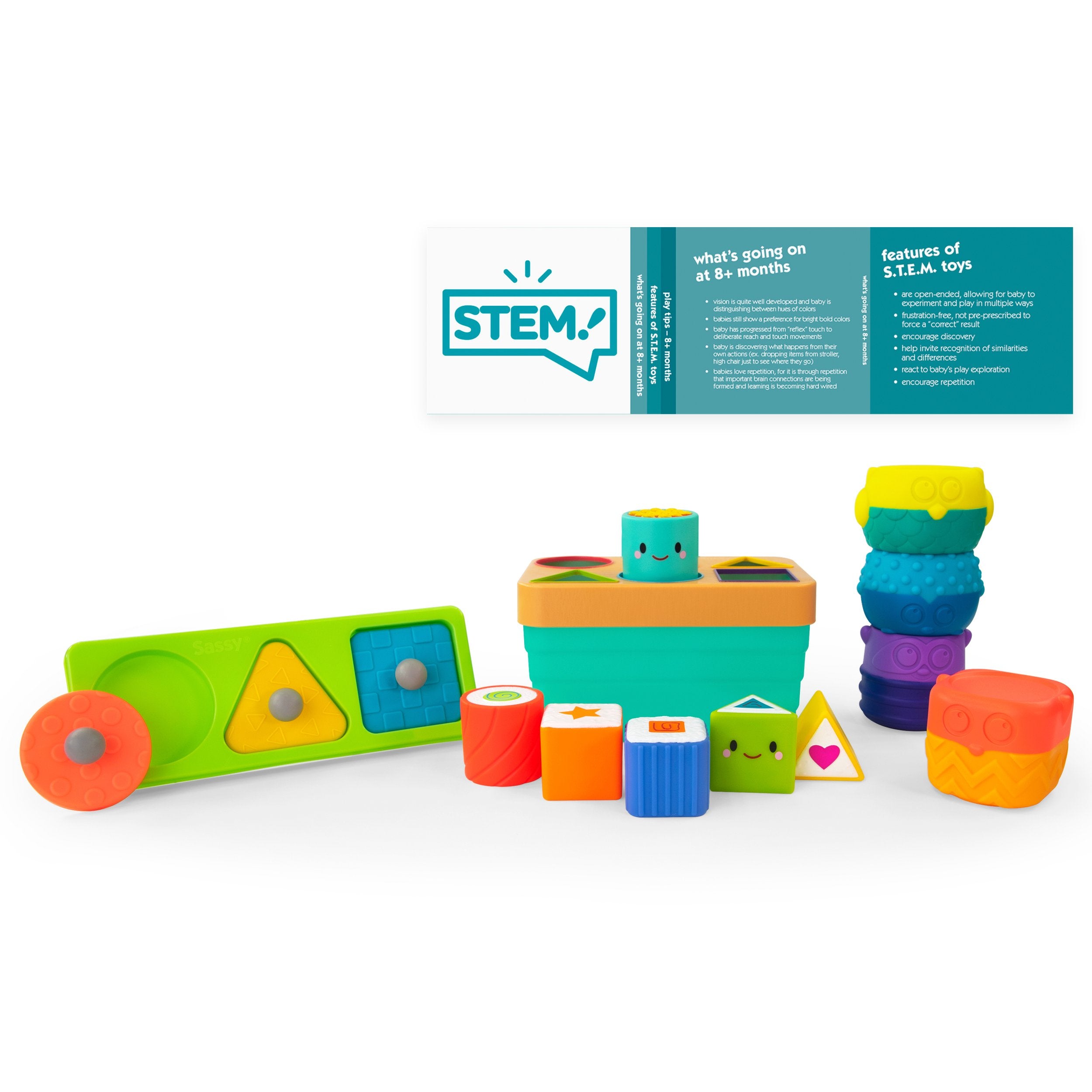
Button-pressing toys are a favorite among infants. Babies learn that pressing a button causes a change. Lights may flash, or sounds might play. This teaches them about cause and effect. Each button press offers a predictable result. Babies enjoy the repetition and predictability.
Sound Response
Toys with sounds engage babies effectively. When babies shake a rattle, they hear noise. This response captures their interest. It shows them that their actions have effects. The sound becomes a reward for their effort. Such toys nurture auditory skills and curiosity. `
Credit: sassybaby.com
Imaginative Play
Babies start reacting to toys around three to four months old. Bright colors and simple sounds catch their attention. As they grow, these toys help them develop skills through imaginative play.
Imaginative play is a crucial part of a child's development, sparking creativity and enhancing cognitive growth. Babies begin to engage in imaginative play as they explore the world around them. Observing your baby interact with toys, you might wonder how these simple objects can ignite such complex thoughts and actions.
Role Play
Role play is one of the first steps in imaginative play. It often starts as your baby begins to mimic actions they observe in daily life. Have you ever noticed your baby pretending to talk on a toy phone or feeding a doll? These actions are early signs of role play. Encourage this by providing toys that represent everyday items, like a kitchen set or a doctor kit. Watch as your child pretends to cook a meal or check your heartbeat, learning about the world by imitating it. Role play allows your baby to experiment with different identities and scenarios, aiding in social and emotional development.
Storytelling
Storytelling with toys is another enriching aspect of imaginative play. Babies, even in their early months, respond to stories crafted around their toys. As they grow, they start creating their own narratives, using toys as characters. You might find your little one having a conversation between two stuffed animals or setting up a tea party for their action figures. Encourage this creative process by asking open-ended questions about the stories they create. "What is the teddy bear doing today?" can lead to an elaborate tale that unfolds in your living room. This not only boosts language skills but also enhances their ability to think critically and creatively. Have you ever joined your baby in their imaginative play? Participating in their stories and role plays not only strengthens your bond but also shows them the endless possibilities their mind can explore. What new adventure will you and your child embark on today?
Social Interaction
Social interaction plays a crucial role in a baby's development. It helps them understand the world around them. Toys can be a bridge to social skills. Babies begin to notice the actions of others. They learn from watching and imitating. This is where social interaction becomes essential. Through toys, babies can interact with peers and siblings.
Group Play
Group play introduces babies to teamwork. They learn to share and take turns. It helps them develop communication skills. Babies often observe others during group play. This observation helps them learn new actions. Group play also encourages problem-solving. Babies figure out how to play together. These experiences are vital for social growth. They learn to express emotions and reactions.
Sharing Toys
Sharing toys is an important social skill. Babies learn to be generous and patient. It teaches them to wait for their turn. Sharing also reduces conflicts among children. It promotes harmony and understanding. Babies learn empathy through sharing. They understand the joy of giving. Sharing builds trust and friendship. These skills are essential for future relationships. Toys become tools for social learning.

Credit: www.whattoexpect.com
Emotional Connection
Babies form emotional connections with their toys early in life. These connections help in their emotional and social development. Toys provide comfort and a sense of security. This bond grows as babies start recognizing familiar objects. Their reactions become more expressive over time.
Comfort Objects
Many babies find comfort in specific toys. These toys often become their go-to objects during naps or bedtime. Soft, plush toys are common comfort objects. Babies hug them for warmth and reassurance. These toys help soothe anxiety and provide a feeling of safety. A familiar toy can ease transitions and changes in routine.
Favorite Toys
Babies often show a preference for certain toys. These favorites can be colorful rattles or musical toys. They engage different senses and keep babies entertained. Babies may giggle or smile when handed their favorite toy. This preference indicates their growing personality and likes. Observing these choices can give insights into their interests.
Frequently Asked Questions
When Do Babies First Notice Toys?
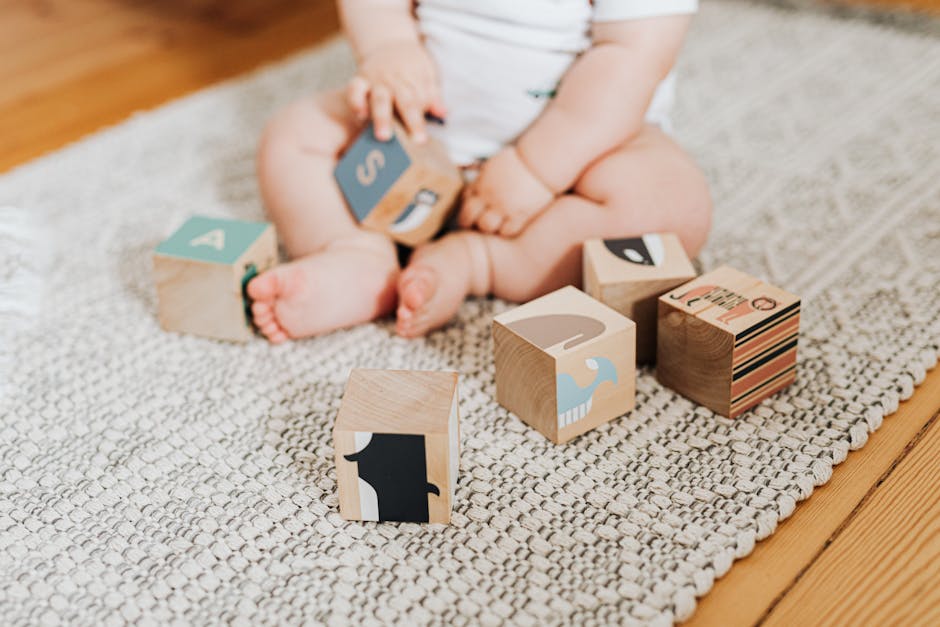
Babies typically start noticing toys around 2 to 3 months old. During this stage, their vision improves, allowing them to focus on objects. Bright colors and contrasting patterns are especially captivating. It's an exciting time as they begin to track toys with their eyes, showing early signs of curiosity and engagement.
How Do Babies Interact With Toys?
Babies interact with toys by reaching, grabbing, and mouthing them. Around 4 to 6 months, they develop better hand-eye coordination. This allows them to explore toys more actively. Toys with different textures and sounds are especially engaging. These interactions help develop their motor skills and sensory experiences.
Why Are Toys Important For Babies?
Toys play a crucial role in a baby's development. They provide sensory stimulation, enhance motor skills, and encourage cognitive growth. Through play, babies learn cause-and-effect relationships and problem-solving. Toys also offer emotional comfort and social interaction opportunities, laying the groundwork for future learning and development.
What Types Of Toys Are Best For Infants?
The best toys for infants are safe, soft, and colorful. Look for toys with varied textures, sounds, and lights. Rattles, soft plush toys, and teething rings are popular choices. These toys stimulate the senses and encourage exploration. Always ensure toys are age-appropriate and free of small parts to avoid choking hazards.
Conclusion
Babies start noticing toys at different ages. Each child is unique. Some react sooner, others later. Observing your baby's interest is key. Interaction boosts development. Shapes, colors, and sounds attract attention. Encourage playtime with varied toys. Watch for smiles and giggles.
These show interest and joy. Simple toys work best for young ones. They learn through play. Early reactions signal growth. Enjoy this playful journey. Celebrate each new discovery. Your baby's development unfolds naturally. Patience is essential. Embrace each moment with love.
Cherish these early days. Happy playing!