

Imagine watching your little one explore a world of endless possibilities. You want toys that not only entertain but also help your baby grow and learn.
Blocks are a fantastic choice, and here's why they are such good baby toys. They aren't just simple playthings; they are tools for development. As your child stacks and sorts, they're building essential skills that lay the foundation for future learning.
You may wonder how something so basic can be so beneficial. Blocks stimulate your baby's mind, encouraging creativity and problem-solving. They promote motor skills and hand-eye coordination. Plus, they’re safe and durable, perfect for active play. Dive into this article to discover how blocks can unlock your baby's potential and transform playtime into a valuable learning experience.
Benefits Of Block Play
Blocks are more than just toys; they're tools for growth. They offer a world of learning wrapped in fun. Children benefit greatly from block play. It nurtures various developmental skills. Let's explore the key benefits of block play.
Cognitive Development
Blocks boost cognitive abilities in young minds. Kids learn about shapes and sizes. They start to recognize patterns. This enhances their problem-solving skills. Counting blocks introduces basic math concepts. It sharpens memory and concentration. Cognitive growth blooms with block play.
Motor Skills Enhancement
Handling blocks improves motor skills. Children grasp and stack blocks. This action refines their hand-eye coordination. It strengthens muscle control too. Precision and accuracy develop through play. Motor skills see remarkable progress with blocks.
Creativity And Imagination
Blocks spark creativity in children. Kids build castles, towers, or animals. Their imagination takes flight during play. Blocks encourage storytelling and role-play. Each structure tells a unique story. Creativity flourishes with every block creation.

Credit: www.amazon.com
Types Of Blocks
Blocks are timeless toys that offer endless possibilities for play. They come in various types, each providing unique benefits and features. Choosing the right type of blocks can enrich your child's playtime, fostering creativity and learning. Let's explore the types of blocks that make excellent toys for babies.
Wooden Blocks
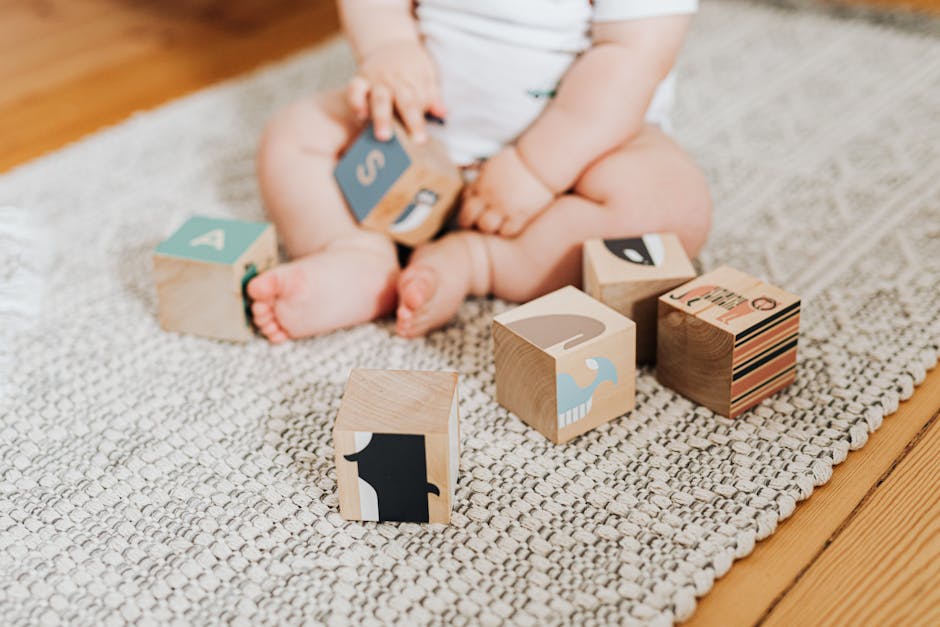
Wooden blocks are classic toys known for their durability. Made from natural materials, they are safe for babies. Their weight and texture help develop motor skills. Babies can stack, sort, or create structures with these blocks. Wooden blocks often feature colorful designs, stimulating visual senses.
Plastic Blocks
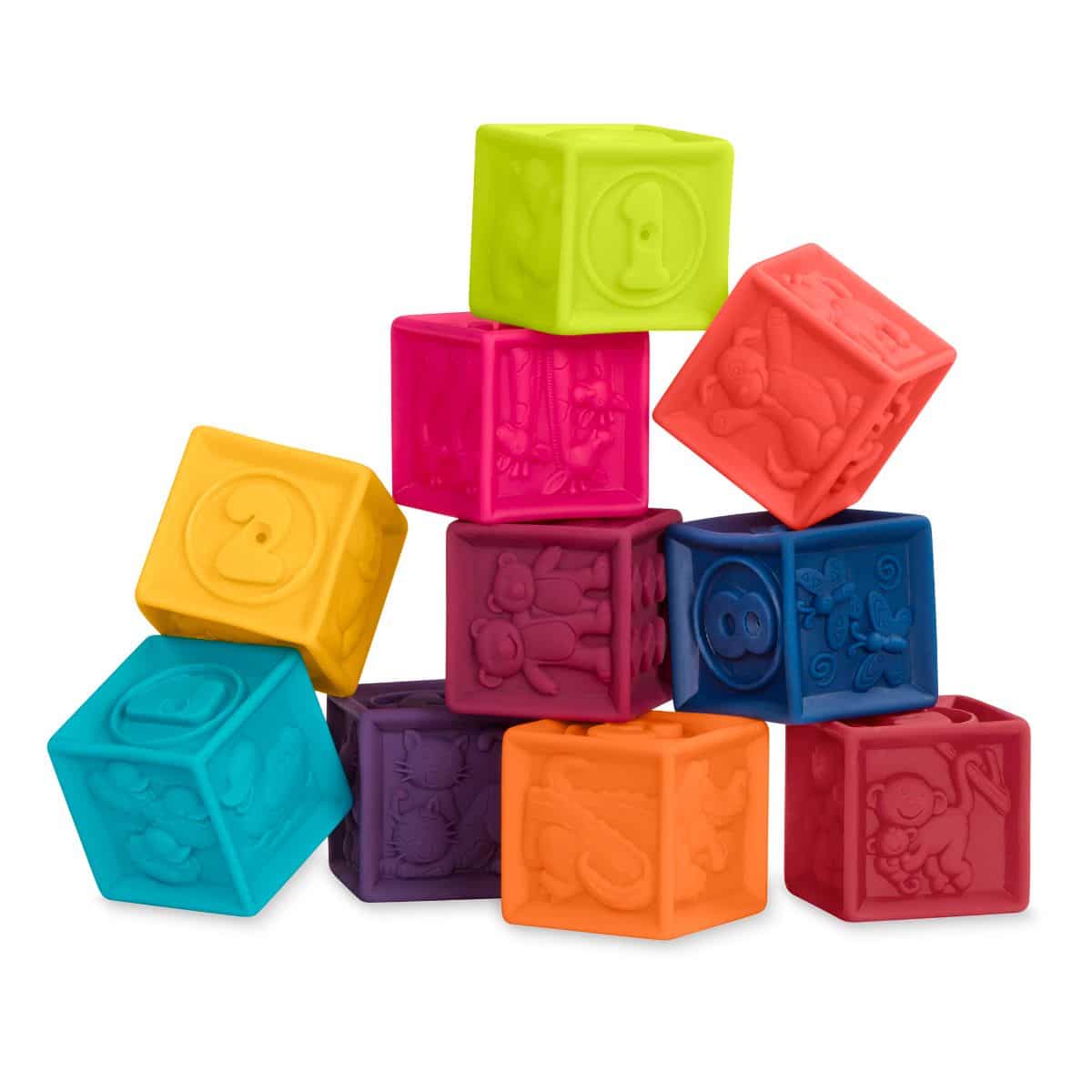
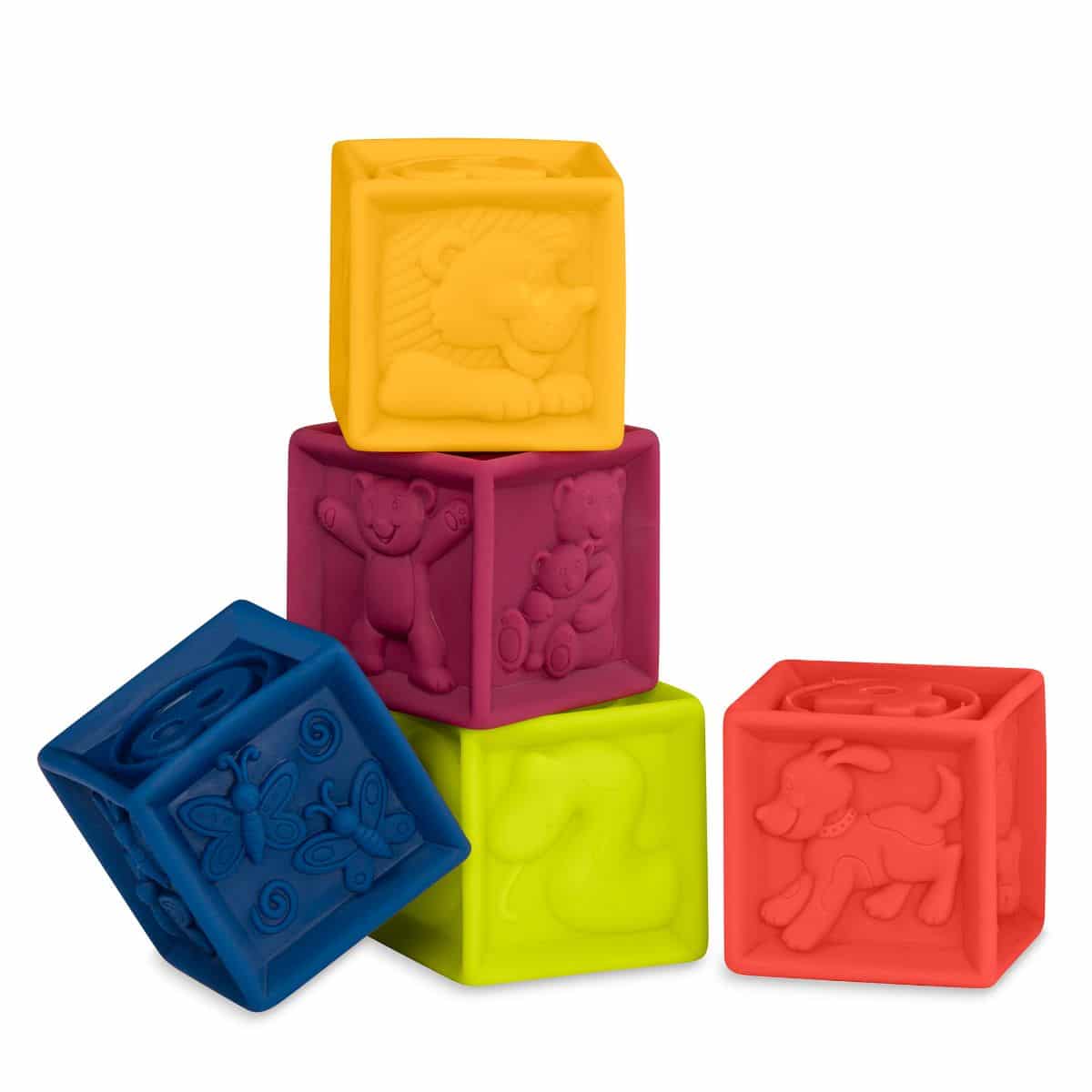
Plastic blocks are lightweight and easy to clean. They are often brightly colored, attracting babies' attention. These blocks come in various shapes and sizes. Some are interlocking, helping babies learn about fitting pieces together. Plastic blocks are versatile, offering opportunities for imaginative play.
Magnetic Blocks
Magnetic blocks add a unique twist to building. Magnets inside the blocks make connections simple and secure. Babies can easily create stable structures with them. Magnetic blocks introduce concepts of polarity and attraction. They encourage problem-solving skills and exploration.
Age-appropriate Block Activities
Blocks are excellent toys for babies, promoting creativity and development. They encourage hand-eye coordination and fine motor skills. Babies learn about shapes, colors, and sizes through play with blocks.
Blocks are timeless toys that nurture creativity and learning in children. Yet, did you know that the way kids play with blocks evolves as they grow? Tailoring block activities to suit your child's age can make playtime both fun and beneficial. Let’s dive into some age-appropriate block activities that cater to infants, toddlers, and preschoolers.
Infants And Simple Stacking
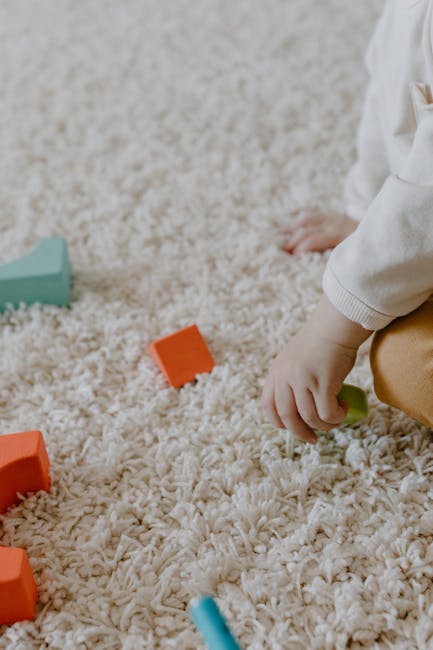
For infants, blocks are not just toys; they're tools for developing motor skills. Watching your baby stack blocks for the first time is a proud moment. They learn to grasp and release objects, which enhances hand-eye coordination. Have you noticed your infant knocking down a stack of blocks with glee? It’s more than just fun—it's their way of understanding cause and effect. Encourage this by stacking blocks and letting them topple it over.
Toddlers And Color Sorting
As toddlers explore the world, their curiosity can be harnessed through color sorting activities with blocks. Give your toddler a variety of colored blocks and watch them sort the blocks by color. It’s a simple yet effective way to introduce them to the concept of categorization. Have you ever seen the delight in a toddler's eyes when they get the colors right? This activity boosts their confidence and introduces them to basic math skills.
Preschoolers And Complex Structures
Preschoolers are little architects in the making. With a bit of guidance, they can create complex structures. Encourage your preschooler to build bridges, towers, or even a castle. This not only sparks their imagination but also teaches them about balance and symmetry. Have you tried building alongside your child? It’s a bonding experience and a chance to encourage their creativity by discussing what they’ve built. What other block activities have you found effective for your child? Tailoring block play to your child's developmental stage can transform playtime into an enriching experience.
Credit: mybtoys.com
Social Skills Through Block Play
Block play goes beyond building structures. It nurtures social skills in children. Engaging with blocks helps kids learn essential life skills. They discover the joy of playing together. This shared experience fosters important social interactions.
Sharing And Turn-taking
Blocks encourage kids to share and take turns. Children learn to wait patiently for their turn. Sharing blocks requires understanding and cooperation. These moments build patience and respect. Kids learn to negotiate and collaborate naturally.
Communication And Teamwork
Blocks promote teamwork and communication. Children discuss how to build their structures. They share ideas and listen to each other. This interaction enhances their verbal skills. Working together helps them solve problems. Kids learn to express their thoughts clearly.
Choosing Safe Blocks
Blocks offer endless fun and learning for babies. They boost imagination and improve motor skills. Safe blocks ensure worry-free playtime, fostering creativity and problem-solving skills in young minds.
Choosing safe blocks for your baby is crucial. As a parent, you want to ensure your little one's toys are safe and enjoyable. Blocks are excellent for developing motor skills and creativity, but how do you select the safest ones? Let's break it down by examining material safety and size considerations.
Material Safety
When selecting blocks, the material is a top priority. Opt for blocks made from non-toxic materials. Many parents swear by wooden blocks, which are usually free from harmful chemicals. Check for lead-free paint if the blocks are colorful. Lead can be dangerous for your child if ingested. Plastic blocks can be safe too. Look for BPA-free labels to ensure your child's safety. Have you considered if the blocks are easy to clean? Babies love chewing on toys!
Size And Choking Hazards
Size matters! Blocks should be large enough that your baby can't swallow them. Most manufacturers provide age recommendations, helping you choose the right size. Consider testing the blocks yourself. If they fit easily into a toilet paper roll, they might be too small for your child. Did you know that larger blocks encourage more creativity? They allow your child to build bigger structures, engaging them for longer periods. Choosing the right blocks can be a fun experience. With a little research, you'll find the perfect set that keeps your baby safe and happy. How do you ensure your child's toys are safe?
Incorporating Blocks Into Daily Play
Blocks make excellent baby toys, promoting creativity and problem-solving. They boost motor skills through stacking and sorting. Babies learn colors and shapes while engaging in play.
Incorporating blocks into daily play can transform your child's routine into a journey of discovery. Blocks are versatile tools that encourage creativity, problem-solving, and fine motor skills. By including these simple toys in structured and unstructured play, you create countless opportunities for growth and learning.
Structured Play Sessions
Structured play sessions can guide your child through specific learning goals. Set aside time each day for activities like building a tower or sorting blocks by color. This type of play teaches focus and discipline. Create simple challenges, like building a bridge or copying a pattern. Your child will learn to follow instructions and achieve objectives. These activities can boost their confidence and critical thinking skills. Imagine the sense of accomplishment when they finish a task. It's a moment worth celebrating, and it strengthens their ability to tackle future challenges.
Free Play And Exploration
Free play allows your child to explore their imagination without limits. Offer them a pile of blocks and watch their creativity unfold. This is where innovation happens. With no rules, children often create complex structures or even entire worlds. They experiment with balance, symmetry, and design. These moments of discovery are vital for cognitive development. Have you ever watched a child build a castle only to knock it down and start anew? This process teaches resilience and the joy of experimentation. Encourage them to try new ideas, and you'll foster a love for learning. Incorporating blocks into your child's playtime can be a rewarding experience for both of you. Structured sessions teach focus, while free play nurtures creativity. How will you add blocks to your child's next play session?
Parental Involvement
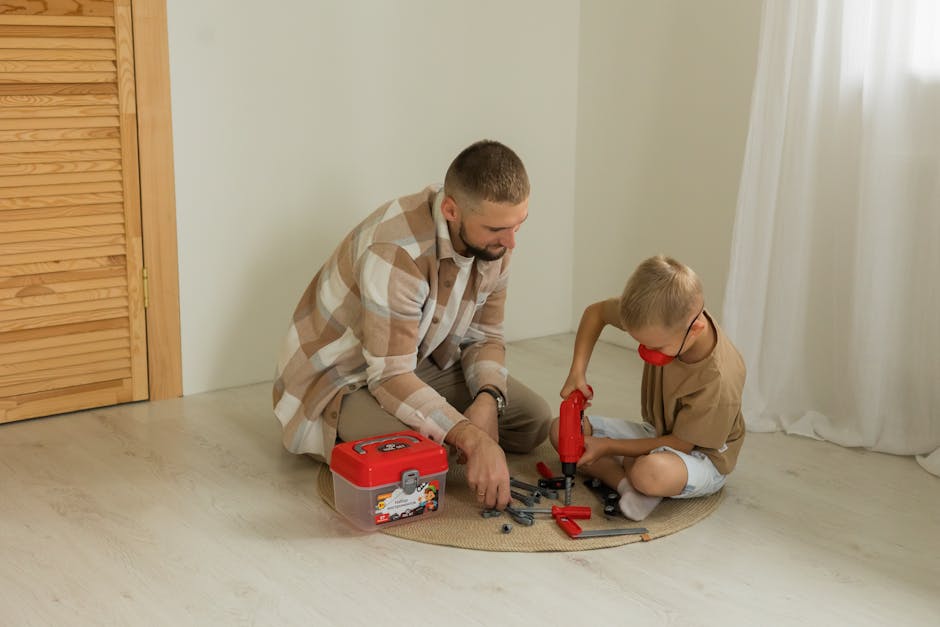
Parental involvement in playtime enhances a child's experience with blocks. Parents have a unique role in this process. They can guide, encourage, observe, and adapt. This ensures a rich learning environment. Blocks become tools for bonding and development. Let's explore how parental involvement benefits children's play with blocks.
Guiding And Encouraging
Parents can guide their child's play with blocks. They can suggest new ideas or structures. This helps children think creatively. Parents can also encourage perseverance. Building with blocks takes patience. Encouragement builds confidence. Children feel proud of their achievements. This boosts their self-esteem.
Observing And Adapting
Observation helps parents understand their child's interests. They can see what captures attention. Parents notice how children solve problems. This insight allows adaptation. Adjusting play to fit a child's needs is crucial. It supports individual learning styles. Children thrive when play matches their interests and skills. Parents play a key role in this process.
Credit: mybtoys.com
Frequently Asked Questions
Why Are Blocks Beneficial For Babies?
Blocks enhance fine motor skills and hand-eye coordination in babies. They stimulate creativity and problem-solving abilities. Playing with blocks helps in developing spatial awareness and cognitive skills. They also encourage social interaction and sharing among peers. Blocks are versatile, making them a timeless choice for educational play.
At What Age Should Babies Play With Blocks?
Babies can start playing with soft blocks around six months old. At this age, they enjoy exploring textures and colors. By 12 months, they can stack blocks, improving coordination. As they grow, they can build more complex structures. Blocks are adaptable, supporting different developmental stages.
How Do Blocks Aid In Cognitive Development?
Blocks encourage problem-solving and critical thinking. Babies learn cause and effect by stacking and knocking them down. They boost memory as babies remember patterns and structures. Blocks teach concepts like size, shape, and balance. They also foster creativity and imagination as children invent their own designs.
Are Wooden Or Plastic Blocks Better For Babies?
Both wooden and plastic blocks have benefits. Wooden blocks are durable, eco-friendly, and offer a tactile experience. Plastic blocks are lightweight, colorful, and easier to clean. Choose based on your child's age and preferences. Ensure they meet safety standards, with no sharp edges or toxic materials.
Conclusion
Blocks make excellent toys for babies. They boost creativity and learning. Babies develop motor skills while playing with blocks. Problem-solving skills grow stronger with block play. Social interaction improves when babies share blocks. They are safe and versatile toys. Babies can use them in many ways.
Parents enjoy watching their child's growth. Blocks also encourage imagination. They are timeless and durable. Perfect for endless fun and education. Blocks truly support your baby's development. An investment worth every penny. Choose blocks for a smart playtime choice. Your baby will thank you later.