
Imagine watching your preschooler light up with joy while playing with a toy you made just for them. Creating educational toys for your little one isn't just a fun activity; it's a chance to spark their creativity and nurture their growing mind.
You hold the key to transforming everyday materials into magical learning tools that can boost your child's development. Ready to dive into a world where play meets education, and crafting meets creativity? Let's explore how you can make simple, yet powerful educational toys that will captivate your preschooler's imagination and encourage their curiosity.
Get ready to unlock the secrets to crafting toys that not only entertain but also educate.
Benefits Of Diy Educational Toys
Creating educational toys at home boosts creativity and learning in preschoolers. These DIY projects offer hands-on experiences. They encourage problem-solving skills and imagination. Parents and kids bond while crafting together. This approach makes learning fun and memorable.
Creating educational toys for preschoolers is not just a fun activity; it offers a wealth of benefits for both children and parents. DIY educational toys provide a unique opportunity to tailor learning experiences to your child's interests and developmental needs. They can transform everyday materials into valuable learning tools, fostering creativity, problem-solving skills, and a love for learning. Plus, crafting toys yourself ensures you know exactly what goes into them, guaranteeing safety and peace of mind. Let's dive into the specific advantages of DIY educational toys.
Enhanced Creativity And Imagination
Making toys from scratch encourages both you and your child to think outside the box. As you brainstorm ideas together, you unlock a world of possibilities. Imagine turning an old cardboard box into a puppet theater or using colorful buttons to create a counting game. These activities stimulate your child's imagination, allowing them to envision endless scenarios and stories.
Cost-effective Learning
Buying new educational toys can be expensive. Why not use materials you already have at home? Old magazines can become collage art, while empty plastic bottles can transform into musical shakers. You save money and teach your child the value of resourcefulness. Plus, you avoid the clutter of store-bought toys that often lose their appeal quickly.
Strengthened Parent-child Bond
Working on DIY projects together strengthens your connection with your child. As you share ideas and collaborate, you build trust and communication. These moments become cherished memories. You might find that your child opens up about their thoughts and feelings during these creative sessions, deepening your bond.
Customized Learning Experiences
Every child is unique, with different interests and learning styles. DIY toys let you tailor the learning experience. If your child loves animals, create a matching game with animal pictures. If they're fascinated by colors, design a sorting activity with colored blocks. This customization ensures your child is engaged and motivated to learn.
Promotes Problem-solving Skills
DIY toys often involve some level of construction or assembly. Your child learns to follow steps, make decisions, and solve problems. When a tower of blocks falls, they figure out how to rebuild it more securely. These experiences develop critical thinking skills that are crucial for academic success.
Environmental Awareness
When you create toys from recycled materials, you teach your child about sustainability. They learn the importance of reusing and recycling. This awareness fosters a sense of responsibility towards the environment. You instill values that will benefit them—and the planet—in the long run. Have you ever considered the impact of the toys you create at home? Each DIY project is an opportunity to nurture your child's development and create lasting memories. As you embark on this creative journey, what unique learning experiences will you craft for your little one?

Credit: happytotshelf.com
Choosing Materials
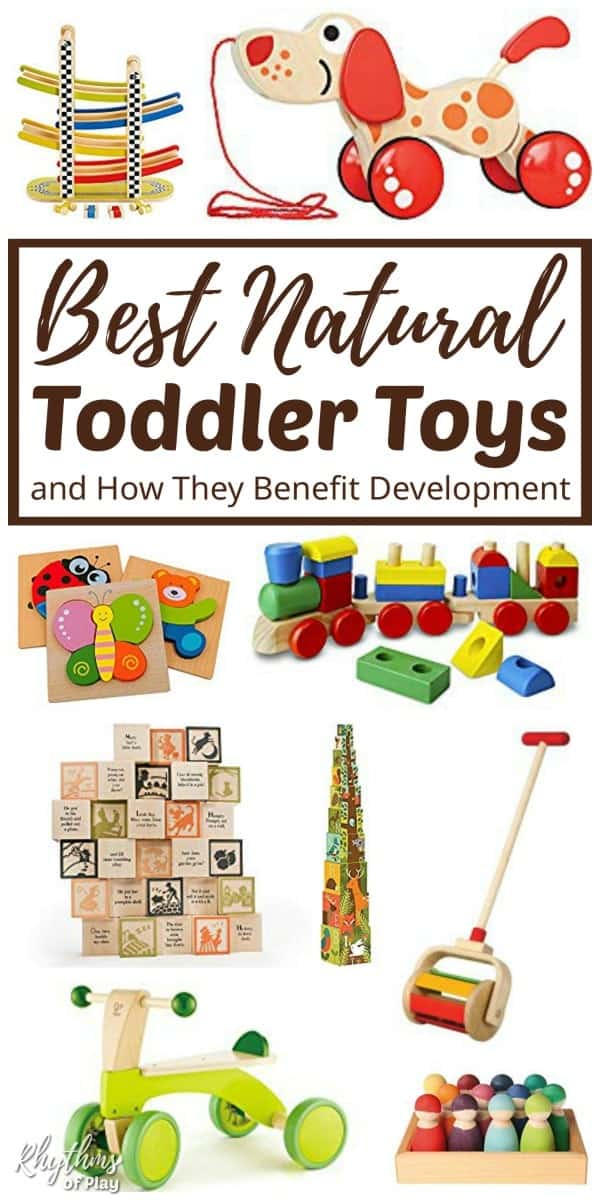
Selecting the right materials is key to making educational toys for preschoolers. Choose safe, durable, and colorful items like wood, fabric, and non-toxic paints. These materials stimulate creativity and ensure the toys withstand enthusiastic play.
Choosing the right materials is crucial when making educational toys for preschoolers. The materials you select not only affect the safety and durability of the toy but also its educational value. You want to ensure that your chosen materials are safe, sustainable, and won't break the bank.
Safe And Non-toxic Options
Safety is a primary concern when it comes to toys for young children. Always opt for materials that are non-toxic and free from harmful chemicals. Look for labels like "BPA-free" or "lead-free" when purchasing plastics or paints. Wood is an excellent choice for making toys. Not only is it sturdy, but it can also be sanded down to avoid splinters. Use natural oils or beeswax to finish wooden toys instead of chemical-laden varnishes. Have you considered fabric? Felt and cotton are soft, safe, and versatile for making plush toys or educational mats. Always wash the fabric before use to ensure it is free from any manufacturing residues.
Recyclable And Eco-friendly Choices
Choosing recyclable materials is not only good for the planet but also teaches kids about sustainability. Cardboard is a fantastic option. It's easy to cut, paint, and transform into different shapes and structures. Use glass jars for sorting games or to create sensory bottles. They are durable and can be reused multiple times. Just make sure they are handled under supervision to prevent breakage. Have a stash of paper rolls or egg cartons? These items can be repurposed into various educational toys, from color sorting activities to DIY musical instruments.
Cost-effective Materials
Creating educational toys doesn't have to be expensive. Look around your home for materials you can repurpose. Old magazines can be cut up for collage activities or used to create matching games. Consider visiting a local thrift store for affordable fabric pieces or small wooden blocks. These can be a treasure trove for toy-making supplies. Do you have leftover yarn or buttons? These materials can be used to add tactile elements to toys or create counting and pattern activities. Always ensure small items are securely attached to prevent choking hazards.
Remember, the goal is to create toys that are not only fun but also educational and safe. What materials will you choose for your next project?
Designing For Skill Development
Designing educational toys for preschoolers can be a rewarding task. It’s essential to focus on skill development. Young children learn best through play. Toys that target specific skills can enhance their growth. These toys can be simple. They should be engaging and fun. Let's explore how to design toys for skill development.
Cognitive Skills Enhancement
Cognitive skills are vital for preschoolers. Puzzles are a great tool for this. They help with problem-solving and memory. Sorting games teach categorization and matching. Pattern recognition games boost logical thinking. All these activities stimulate young minds.
Fine Motor Skills Improvement
Fine motor skills involve small muscle movements. Toys that require grasping are helpful. Bead threading improves hand-eye coordination. Stacking blocks enhance dexterity. Drawing and coloring encourage precise hand movements. These activities prepare children for writing.
Sensory Exploration
Sensory play is crucial for development. It involves sight, touch, and sound. Textured toys engage touch senses. Musical instruments stimulate auditory senses. Brightly colored toys capture visual attention. These activities support sensory processing skills.
Age-appropriate Toy Ideas
Creating educational toys for preschoolers involves using simple materials like cardboard and colorful paper. Encourage creativity by designing puzzles or matching games that teach numbers and letters. These DIY toys promote learning and development in a fun, interactive way.
Creating educational toys for preschoolers at home can be a rewarding and fun activity. It's essential to choose toys that match the developmental stage of your child. This ensures they are both challenging and enjoyable. Age-appropriate toys are crucial because they help children develop specific skills. Let's dive into some toy ideas tailored for different age groups.
Toys For Ages 2-3
At this stage, children are exploring their surroundings and learning through play. Simple puzzles with large pieces can be a great choice. They help develop problem-solving skills and hand-eye coordination. You can also make sensory bottles using water, glitter, and small objects. These are fantastic for stimulating curiosity and enhancing fine motor skills. Stacking cups are another excellent option. They encourage sorting and building, which are foundational math skills.
Toys For Ages 3-4
As children grow, their ability to engage in more complex play increases. Consider making a DIY matching game using cards with pictures of animals or everyday objects. This boosts memory and recognition skills. Building blocks are a staple toy for this age. They promote creativity and spatial awareness. You might recall how your child stacked blocks into a tall tower, beaming with pride. Such moments are not just fun but also educational. Crafting simple musical instruments, like a shaker made from a sealed container filled with beans, can spark an interest in music. This nurtures auditory skills and rhythm understanding.
Toys For Ages 4-5
Children at this age are more independent and can handle toys that require more coordination. You can create a simple lacing card using cardboard and shoelaces to enhance fine motor skills and concentration. Encourage imaginative play with homemade costumes or props. A simple paper crown or a cardboard sword can transform playtime into an adventure, fostering creativity and storytelling. Introduce basic board games with easy rules. These games teach turn-taking and enhance social skills. Have you noticed how a simple game can turn into a lesson on patience and strategy? Making educational toys at home offers endless possibilities. What toy will you create today to spark your child’s curiosity?
Step-by-step Toy Projects
Creating educational toys for preschoolers is a fun way to enhance learning. Simple materials like paper, glue, and crayons can turn into engaging projects. Follow step-by-step guides to craft toys that teach colors, shapes, and numbers.
Creating educational toys at home can be a rewarding experience for both you and your preschooler. Not only do homemade toys provide a fun learning experience, but they also offer a personal touch that store-bought toys can't match. By crafting these toys, you get to tailor them to your child's interests and developmental stage. Dive into these step-by-step toy projects that are easy to make and engaging for your little ones.
Color Sorting Game
The color sorting game is a fantastic way to help your child learn about colors while enhancing their fine motor skills. Start with a few empty egg cartons and gather colored pom-poms or buttons. Paint each section of the egg carton with a different color. Use colors like red, blue, green, and yellow. Once the paint is dry, encourage your child to sort the pom-poms or buttons into the matching color sections. This game is not only fun but also builds their ability to recognize and differentiate colors. Have you ever noticed the excitement on a child's face when they get it right? It's priceless.
Diy Puzzle Blocks
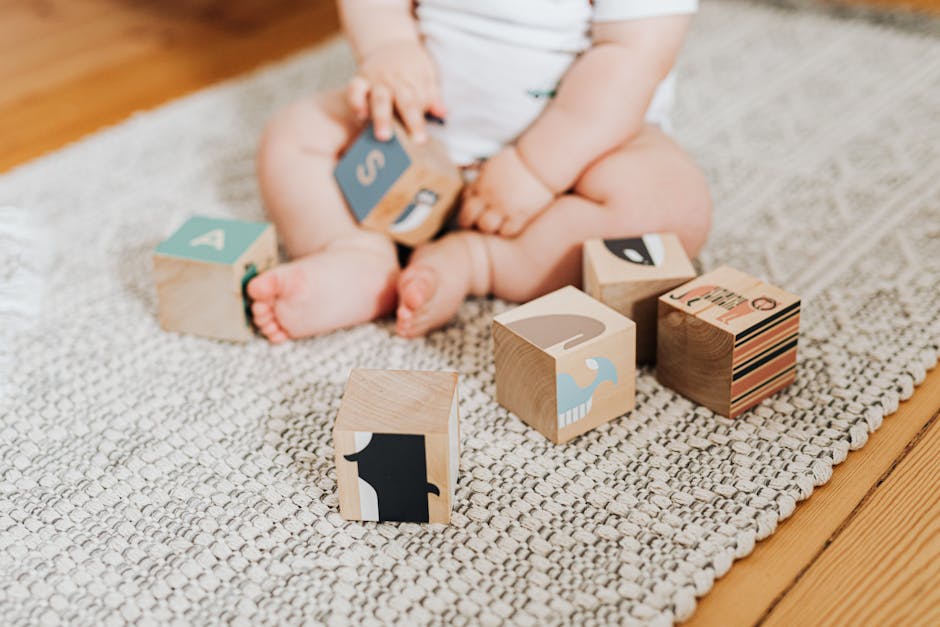
Puzzle blocks are perfect for stimulating your child's problem-solving skills. Begin with wooden blocks or even thick cardboard cut into squares. Draw simple pictures or patterns across multiple blocks. For example, a sun on one set of blocks and a star on another. Cut the image into sections that fit the number of blocks you have. Mix them up and challenge your child to recreate the image. Watching them work through the puzzle is not only fascinating but also a great way to bond. Imagine the sense of achievement they'll feel when the picture finally comes together.
Shape Matching Board
Shape matching boards are excellent for teaching shapes and improving hand-eye coordination. Grab a sturdy piece of cardboard and draw outlines of various shapes like circles, squares, and triangles. Cut out shapes from colored paper that match these outlines. Stick Velcro dots on the cardboard outlines and the paper shapes. Your child can then match the shapes to their outlines by pressing them onto the board. This simple activity can lead to hours of entertainment. Have you ever thought about how something so simple could be so engaging?
Each of these projects brings a unique learning opportunity to your child's playtime. Plus, making these toys is a creative outlet for you. Why not try one today and see the joy it brings to your little one's face?

Credit: www.youtube.com
Incorporating Learning Themes
Crafting educational toys for preschoolers involves integrating simple learning themes. Use everyday materials to spark curiosity and enhance cognitive skills. Promote creativity with colors, shapes, and textures, making playtime both fun and educational.
Incorporating learning themes into educational toys can enhance a child's development. This approach makes learning fun and engaging for preschoolers. Themes help focus playtime on specific skills. They can also spark curiosity and foster a love for learning. Designing toys with varied themes can cater to different interests. This encourages holistic growth for young minds. Here are some exciting themes to try.
Alphabet And Numbers
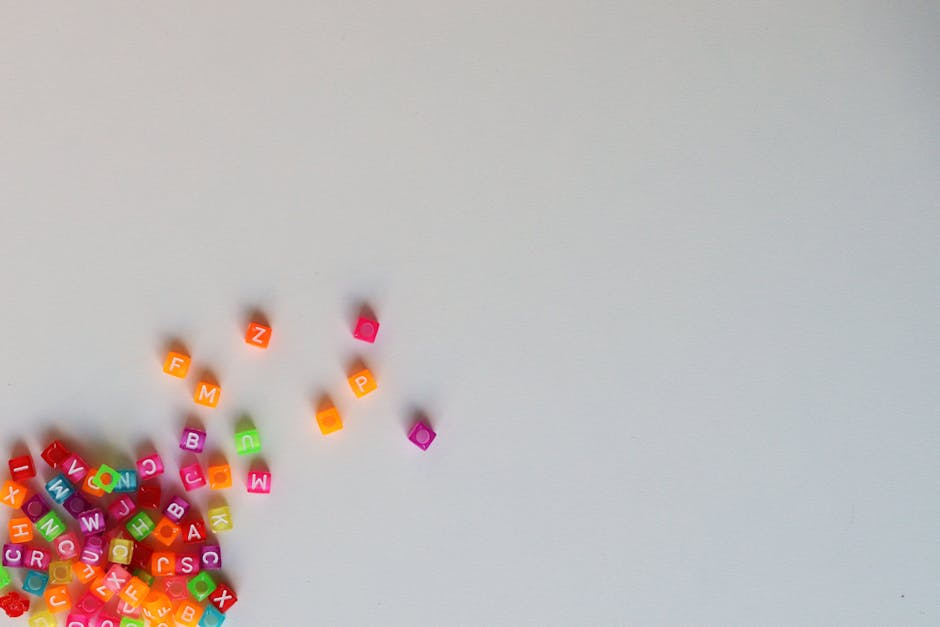
Introduce letters and numbers through colorful blocks or cards. Use different shapes and textures for a tactile experience. Create a matching game with letters and pictures. This helps connect sounds to objects. Number puzzles can teach counting and sequencing. Simple math games with toy coins can make learning math fun. Singing the alphabet song while playing can aid memory.
Nature And Animals
Nature-themed toys can teach about the environment. Craft paper animals and trees for a small forest. Use animal figurines for a pretend zoo. Discuss animal sounds and habitats during play. Create a scavenger hunt with leaves and rocks. This brings outdoor learning inside. A simple puzzle with animal pictures can improve recognition skills.
Cultural Awareness
Introduce global cultures through dolls in traditional outfits. Use a world map puzzle to teach geography. Share stories or music from different countries. Craft simple flags from paper and colors. Discuss foods from various cultures with pretend play kitchens. This fosters respect and understanding for diversity. A toy globe can spark conversations about other countries.
Safety Tips And Guidelines
Crafting educational toys for preschoolers requires careful attention to safety. Choose non-toxic materials and ensure no sharp edges. Regularly check toys for wear and potential hazards to protect curious little hands.
When creating educational toys for preschoolers, safety is your top priority. Little hands and curious minds need toys that are not only fun but also safe. Ensuring that the toys you make are free from hazards is crucial for peace of mind and your child's well-being. Let's explore some essential safety tips and guidelines to keep in mind.
Choking Hazard Prevention
Small parts can be a significant risk for preschoolers. Always ensure that any small pieces are either securely attached or larger than a child's mouth. A simple way to test this is using a toilet paper roll. If a toy part can fit through the roll, it's too small for a preschooler. Consider using larger, solid materials such as blocks or plush fabric that can't be torn into small pieces.
Durability And Stability
Children are naturally rough with their toys. This means durability is key. Choose materials that can withstand being dropped or thrown. I once crafted a toy car from cardboard for my nephew, only to see it crushed within minutes. Lesson learned: opt for sturdier materials like wood or thick plastic. Make sure toys can maintain their shape and function even after repeated use. Test your creations by trying to pull them apart. If they easily come apart, reinforce them before handing them over to your child.
Supervision And Usage Instructions
Even the safest toys need supervision during playtime. Always be within sight and sound when your child is exploring new toys. Provide clear instructions on how to use the toy. Imagine explaining it to a friend who has never seen it before. Consider placing a note with simple directions or a fun story that guides play. This can engage your child and ensure they use the toy safely. Remember, your presence is the best safety feature any toy can have. Creating educational toys is a rewarding experience, but the real joy comes from watching your child play safely. What safety measures do you find most important when creating toys?
Credit: rhythmsofplay.com
Encouraging Parental Involvement
Crafting homemade educational toys sparks creativity and strengthens parent-child bonds. Use everyday items like cardboard and colorful paper. Simple puzzles or counting beads engage preschoolers, making learning fun.
Encouraging parental involvement in creating educational toys for preschoolers not only strengthens the parent-child bond but also enhances the learning experience for young minds. As you embark on this creative journey, you offer your child the opportunity to learn through play while fostering a deeper connection with them. By actively participating, parents can tailor toys to their child's interests and developmental needs, making learning fun and personalized.
Collaborative Crafting
Working together to create educational toys can be a rewarding experience for both you and your child. Imagine sitting at the kitchen table, surrounded by colorful craft supplies, brainstorming ideas together. This collaborative crafting not only sparks creativity but also encourages problem-solving as you figure out how to bring your ideas to life. Creating a simple counting game using painted rocks or making a matching card set with family photos can be a delightful project. As you guide your preschooler in these activities, you teach them valuable skills like measuring and sorting. Plus, it’s an excellent opportunity for you to share stories and experiences, adding a personal touch to the toys.
Interactive Play Sessions
Once the toys are crafted, dive into interactive play sessions with your child. These sessions are more than just play; they are learning experiences that you can guide. As you play, ask questions and encourage your child to think and explore new ideas. Set up a pretend grocery store using the toys you made and take turns being the shopper and cashier. This kind of play not only enhances vocabulary but also introduces basic math concepts like addition and subtraction. Your involvement makes these sessions lively and educational, and it’s fascinating to see your child’s imagination soar.
Feedback And Adaptation
After several play sessions, take a moment to gather feedback from your child. What did they enjoy the most? Was there something they found challenging or boring? Use this feedback to adapt and improve the toys, making them more engaging and suited to their interests. Perhaps the matching card set needs more variety, or maybe the counting game could be expanded with more numbers or colors. This process of feedback and adaptation teaches your child that their opinions matter and that learning is an ongoing journey. It's a wonderful way to show them that even toys can grow and change just like they do. Encouraging parental involvement in creating educational toys not only enriches your child's learning but also strengthens the family bond. What will you create together today?
Frequently Asked Questions
What Materials Are Best For Educational Toys?
Using safe, non-toxic materials is essential for preschool toys. Opt for wood, fabric, and recyclable plastics. These materials are durable and eco-friendly. They also offer various textures that stimulate sensory exploration. Always ensure materials are free from small parts to prevent choking hazards.
How Can Toys Improve Preschool Learning?
Educational toys foster learning by encouraging creativity and problem-solving. They enhance cognitive skills, motor skills, and social interaction. Toys like puzzles, building blocks, and shape sorters are particularly effective. Through play, children develop essential life skills and academic foundations.
Are Diy Toys Safe For Preschoolers?
DIY toys can be safe if crafted with caution. Ensure all components are non-toxic and age-appropriate. Avoid sharp edges or small detachable parts. Supervise children during playtime to ensure safety. Regularly inspect toys for wear and tear to maintain safety standards.
What Are Cost-effective Toy Ideas?
Cost-effective toys can be made from household items. Use cardboard boxes for playhouses or tunnels. Fabric scraps can become dolls or puppets. Old magazines can create colorful collages. These ideas save money and stimulate creativity, offering educational benefits without breaking the budget.
Conclusion
Creating educational toys for preschoolers is a rewarding task. These toys help kids learn and grow in fun ways. Use simple materials to craft engaging toys at home. Focus on colors, shapes, and sounds to stimulate young minds. Encourage creativity by involving your child in the process.
Through play, kids develop crucial skills like problem-solving and communication. Educational toys foster curiosity and imagination. Enjoy the journey of making toys that inspire and educate. Your homemade toys can bring joy and learning to your little ones. Start crafting today and see the difference it makes!