

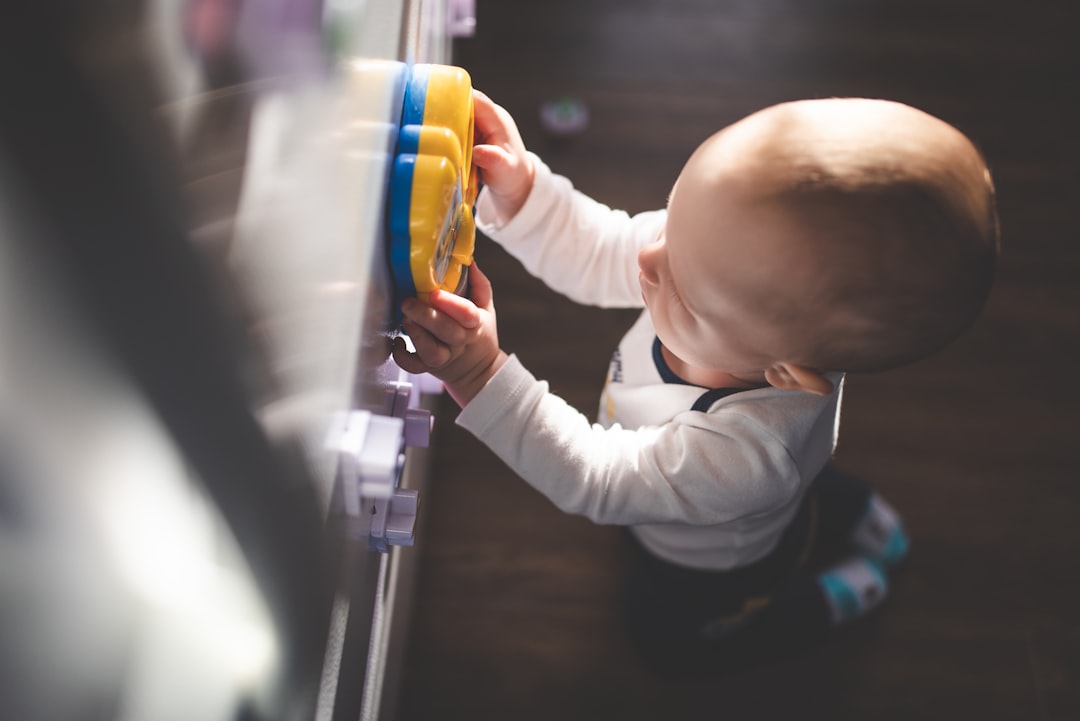
Have you ever watched your baby closely, waiting for the moment they reach out for a toy for the first time? It's a magical milestone in a baby's development that every parent eagerly anticipates.
You might find yourself wondering, "When is my baby supposed to start reaching for toys? " Understanding the timeline and the factors influencing this behavior can help you support your baby's growth effectively. Imagine the joy and excitement you will feel when you see your little one stretch their tiny hands towards their favorite toy.
This moment is not just about playtime; it's a crucial step in their physical and cognitive development. As you read on, you'll discover the signs to look for, the typical age range for this milestone, and tips to encourage your baby to reach out with confidence. By the end of this article, you'll be equipped with the knowledge to support your baby's journey through this important stage. So, let’s dive into this fascinating aspect of your baby’s growth and learn how you can nurture their curiosity and coordination.
Credit: www.psychologicalscience.org
Developmental Stages
Babies grow and change in amazing ways. Understanding their developmental stages helps parents. Watching your baby reach for toys is a big moment. This is a sign of their growing abilities. It shows their brain and body working together. Let's explore these fascinating stages.
Newborn Reflexes
Newborns have reflexes that help them survive. These reflexes are automatic responses. One common reflex is the grasp reflex. If you place something in their hand, they hold it. This reflex is present from birth. It's an early sign of their developing motor skills.
Grasping Skills At 3 Months
At three months, babies start to develop more control. Their hands begin to explore the world. They can now open and close their fingers. This is a big step from reflex to skill. You might see them trying to grasp objects around them. Their hand-eye coordination is improving.
Reaching At 4 To 6 Months
Between four and six months, babies start reaching for toys. This stage is exciting for parents. Babies are curious and want to interact with their surroundings. They try to grab toys and bring them closer. Reaching shows their growing strength and coordination. It's a vital part of their development journey.
Factors Influencing Toy Interaction
Babies usually start reaching for toys around three to four months old. Their curiosity grows as they explore. Bright colors and interesting textures capture their attention. Engaging with toys helps develop motor skills and hand-eye coordination. Parents play a crucial role by encouraging this interaction.
Factors influencing toy interaction play a significant role in a baby's development. Each baby progresses at their own pace. Several elements impact when they begin to reach for toys. Understanding these factors can help caregivers support a child's growth effectively.
Motor Skills Development
Motor skills are crucial for toy interaction. Babies start developing these skills early. At first, they might just watch toys. Soon, they try to grasp and hold them. This requires coordination. It also involves muscle strength. Toys that encourage movement are beneficial. They can help babies practice reaching and grasping.
Sensory Exploration
Sensory exploration is another key factor. Babies use their senses to learn about the world. Toys with different textures can be intriguing. Bright colors catch a baby's eye. Sounds can grab their attention. Sensory toys stimulate curiosity. They encourage babies to explore further.
Cognitive Growth
Cognitive growth affects how babies interact with toys. As they grow, their understanding deepens. They start recognizing patterns and shapes. Problem-solving skills begin to develop. Toys that challenge thinking are helpful. They aid in cognitive development. This growth influences how babies play.
Encouraging Toy Reaching
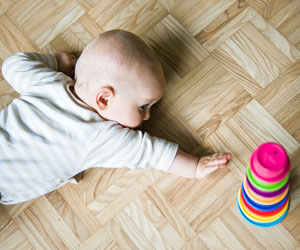
Babies typically start reaching for toys around 4 to 6 months. This milestone shows their growing curiosity and hand-eye coordination. Providing colorful and safe toys encourages exploration and development during this exciting stage.
Encouraging your baby to reach for toys is a milestone that opens a world of exploration and learning. It's not just about grabbing objects; it's a crucial step in developing motor skills and cognitive abilities. As parents, you play a pivotal role in nurturing this development with engaging activities and suitable toys.
Interactive Play Suggestions
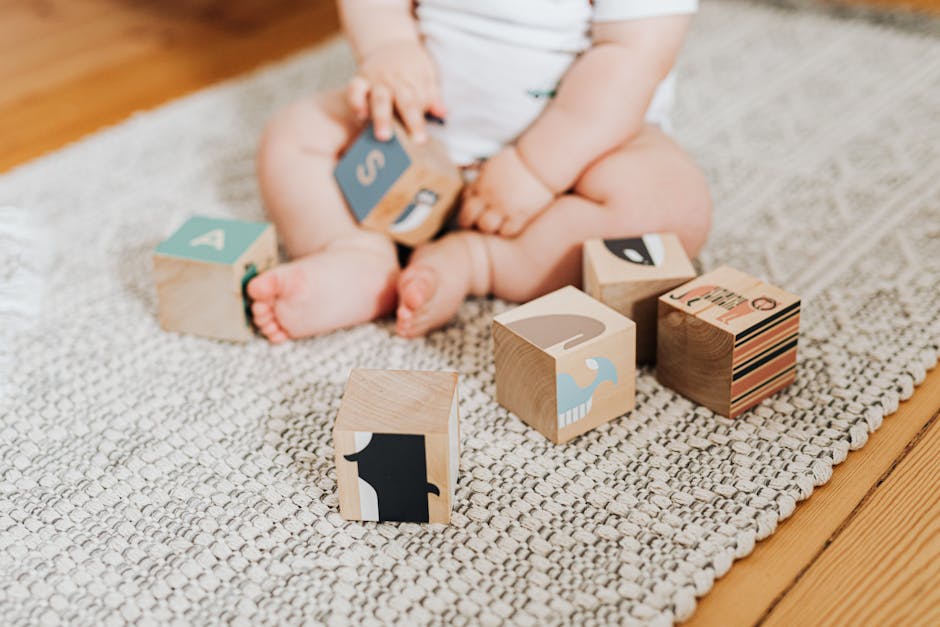
Interactive play is a wonderful way to stimulate your baby's interest in reaching for toys. Try gently waving a colorful rattle in front of them and watch their eyes light up with curiosity. You can also place a toy slightly out of reach during tummy time, encouraging them to stretch or roll to get it. Sometimes, making a game out of reaching can turn a regular play session into an exciting adventure. Have you ever noticed how your baby reacts when you enthusiastically cheer them on? Your encouragement can motivate them to reach out and grab that toy.
Choosing Age-appropriate Toys
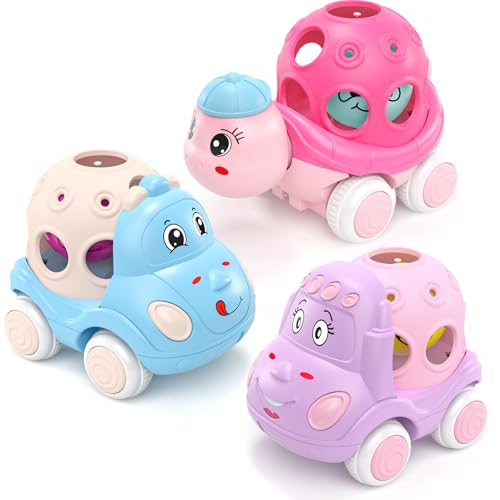
Selecting the right toys can make a big difference in encouraging your baby's reaching abilities. Start with soft, colorful toys that are easy to grasp, like plush balls or ring stacks. These items not only attract attention but are safe for your baby to explore with their mouth. As your baby grows, introduce toys with different textures and sounds. A toy that squeaks or crinkles when squeezed can hold their interest longer and motivate them to reach more frequently.
Creating A Stimulating Environment
Your baby's surroundings play a crucial role in their development. A stimulating environment filled with a variety of toys can inspire curiosity and movement. Arrange toys at different heights and distances to encourage reaching, stretching, and crawling. Consider setting up a play area with a soft mat and a few strategically placed toys. This setup not only ensures safety but invites exploration. Have you tried rotating toys to keep the environment fresh and exciting? This simple change can reignite your baby’s interest and promote new reaching adventures. Engaging your baby in reaching for toys is an exciting journey for both you and your little one. By integrating interactive play, choosing appropriate toys, and creating a stimulating environment, you lay the foundation for their future learning and growth. How will you make playtime more enriching for your baby today?
Monitoring Progress
Monitoring your baby's progress can be both exciting and rewarding. As they grow, babies start to reach for toys. This milestone is crucial for their development. Parents often wonder if their child is on track. Observing your baby's actions can give you insights into their growth. Let's explore how you can monitor this progress effectively.
Signs Of Healthy Development
Babies usually begin reaching for toys around 3 to 4 months. They might also show interest in colorful objects. Grasping toys and exploring textures is common. These actions indicate healthy motor skill development. Notice if your baby uses both hands. Alternating hands is a positive sign. It shows balanced development.
When To Consult A Pediatrician
Some babies take longer to reach this milestone. If your baby isn't reaching for toys by 6 months, consult a pediatrician. Pay attention to other signs too. Is your baby not smiling or making sounds? These may be signs to discuss with a doctor. A pediatrician can offer guidance and reassurance. They can help determine if further evaluation is needed.
Tips For Parents
As your baby grows, reaching for toys becomes a delightful milestone. You might wonder how to encourage this behavior while ensuring their safety. Here are some practical tips that can help you navigate these early stages of exploration and play.
Incorporating Playtime Into Daily Routine
Adding playtime to your baby's daily routine can be both fun and beneficial. Start by dedicating specific times each day for play. This can be after a nap or during a bath. Consistency helps your baby anticipate and enjoy these moments.
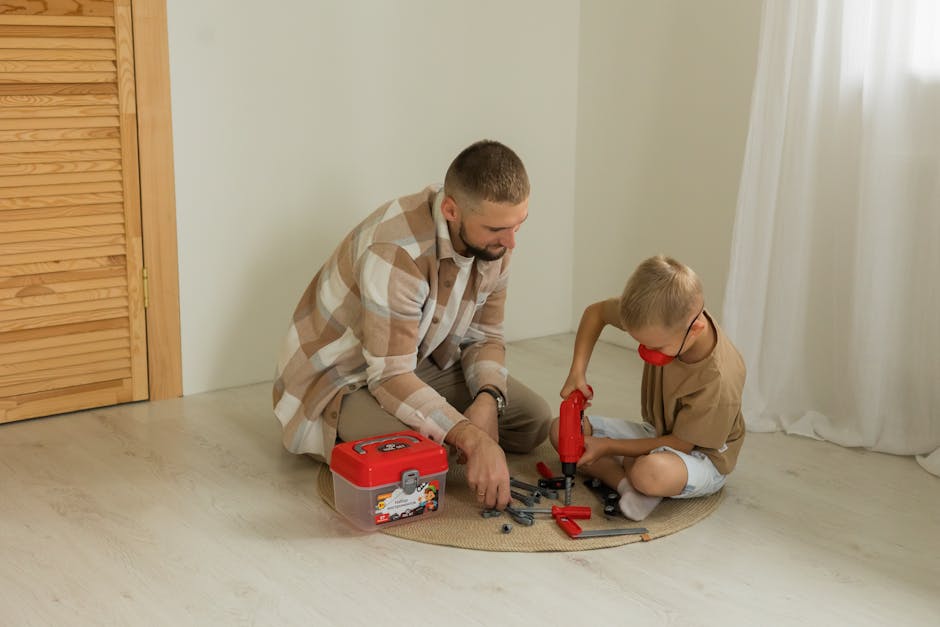
Involve yourself in play. Your presence not only encourages them to reach for toys but also strengthens your bond. Use toys that offer different textures and colors. These stimulate their senses and curiosity.
Think of playtime as learning time. Ask yourself what skills your baby might be developing. Are they grasping better, or following objects with their eyes? These observations can help you tailor the play experience.
Balancing Safety With Exploration
While exploration is crucial, ensuring safety is paramount. Select toys that are appropriate for your baby's age. Look for items free of small parts that could pose a choking hazard. Soft toys are great for gentle handling.
Watch your baby as they play. This helps prevent accidents and allows you to see how they interact with their environment. Being present reassures them and gives you insight into their developmental progress.
Encourage safe exploration. Provide a clean and comfortable space where they can freely move and reach for toys. Consider using baby mats or blankets to cushion any falls.
Are you offering enough space for your baby to explore? Providing ample room can enhance their play experience and boost confidence in reaching for toys.
These tips can make playtime both enjoyable and safe for your baby. By being attentive and proactive, you can foster a nurturing environment for your little one’s growth.

Credit: lamaze.org

Credit: www.whattoexpect.com
Frequently Asked Questions
When Do Babies Start Reaching For Toys?
Babies typically begin reaching for toys around 3 to 4 months old. This milestone signifies developing hand-eye coordination and curiosity. Encouraging this behavior with colorful and safe toys can stimulate their growth. Always supervise playtime to ensure safety and foster a nurturing environment.
Why Is Reaching For Toys Important?
Reaching for toys helps develop motor skills and hand-eye coordination. It encourages exploration and curiosity in babies. This simple action is foundational for more complex skills. It also promotes cognitive development and strengthens muscles. Providing age-appropriate toys can enhance these developmental benefits.
How Can I Encourage My Baby To Reach?
To encourage reaching, place toys within your baby's arm's length. Use colorful and textured toys to stimulate interest. Engage with your baby during playtime, making it interactive. Regularly change the toys to maintain curiosity. Ensure the play area is safe and comfortable.
What Toys Are Best For Early Reaching?
The best toys for early reaching are those that are colorful and easy to grasp. Soft rattles, textured rings, and lightweight objects are ideal. These toys should be safe, non-toxic, and free from small parts. Rotate toys regularly to keep your baby engaged and interested.
Conclusion
Babies reaching for toys marks an exciting milestone. It's a sign of growing curiosity and motor skills. Most start around 4 to 6 months. Each baby develops at their own pace. Observing these changes can be fascinating. Encouraging playtime helps development.
Offer colorful and safe toys. Interaction during play strengthens bonds. Remember, patience is key. Celebrate small achievements. Parents should enjoy these moments. Cherish the journey of growth. Consult a pediatrician if concerns arise. Every step is unique and special. Watching your baby explore is truly rewarding.