
Keeping your baby safe and healthy is your top priority, and that includes ensuring their toys are free from germs and dirt. You might wonder, how can you clean these toys effectively without harming your little one?
The answer lies in knowing the right methods and materials. Imagine the peace of mind you’ll feel when your baby plays with clean toys, reducing the risk of illness and skin irritations. This article will guide you through simple, yet effective techniques to clean various types of baby toys safely.
By the end, you’ll have all the insights needed to protect your baby's health and happiness. Dive in and discover how easy it is to maintain a hygienic play environment for your child.
Choosing Safe Cleaning Products
Selecting safe cleaning products ensures baby toys remain hygienic and free from harmful chemicals. Opt for natural, non-toxic cleaners or homemade solutions like vinegar and water. Regularly clean toys to keep your little one safe and healthy.
Cleaning baby toys is a task that demands attention and care. You want to ensure that your little one's playthings are free from germs without exposing them to harmful chemicals. Choosing safe cleaning products is crucial to achieving this balance. As a parent, you might recall a time when you were worried about the safety of a particular cleaning product. Maybe you wondered if it was gentle enough for your baby's sensitive skin. Those moments underline the importance of selecting the right products for the task.
Understanding Labels And Ingredients
When you pick a cleaning product, start by examining the label. Look for terms like "non-toxic," "baby-safe," and "hypoallergenic." These indicate that the product is formulated with your child's safety in mind. Avoid items with harsh chemicals such as bleach or ammonia. A quick glance at the ingredient list can give you peace of mind.
Opting For Natural Alternatives
Consider using natural cleaning solutions like vinegar or baking soda. These are effective for cleaning yet gentle enough for baby toys. Mixing vinegar with water creates a simple spray that can tackle germs without leaving harmful residues. Baking soda works wonders on stubborn stains and is safe for toys that your baby might chew on.
Diy Cleaning Solutions
Have you ever tried making your own cleaning solution? It's easier than you think and often safer. Combining lemon juice with water can create a refreshing, non-toxic cleaner. A few drops of essential oils like lavender or tea tree can add antibacterial properties and a pleasant scent. You get to control what goes into your cleaner, ensuring it's safe for your child.
Choosing Eco-friendly Brands
Some brands specialize in eco-friendly cleaning products designed for children's items. These products are often biodegradable and free from synthetic fragrances. Eco-friendly brands demonstrate commitment not only to safety but also to sustainability. When choosing, consider the brand's reputation and reviews from other parents.
Testing Products On Non-essential Items
Before using a new cleaning product, test it on a toy that isn’t your baby's favorite. This helps you ensure that it won't damage the toy or leave a residue. It's a simple precaution that can save you from worry. Once you’re confident in the product's safety, you can use it on other toys.
Reflecting On What Works Best
After trying different products, reflect on what works best for you and your baby. Did you notice any changes in your baby's skin or behavior? Are some toys easier to clean with certain products? These observations can guide you in refining your cleaning routine. What insights have you gained from your experiences?

Credit: www.reddit.com
Cleaning Different Toy Materials
Cleaning baby toys requires attention to material types. Wooden toys need gentle wiping with damp cloths. Plastic toys benefit from soap and water scrubbing. Plush toys are machine washable, ensuring germs are removed.
Cleaning baby toys safely is essential for your child's health. Different toy materials require specific cleaning methods. Understanding how to clean each type will ensure toys remain safe and in good condition. Let's explore how to clean various toy materials safely and effectively.
Plastic Toys
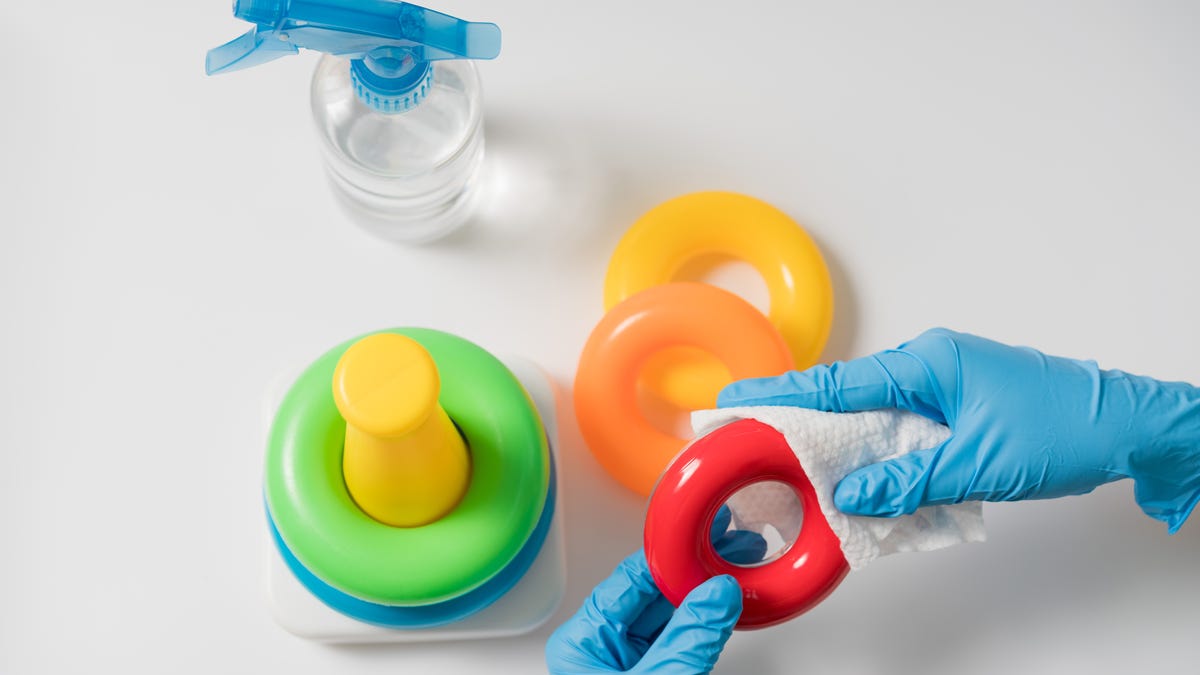
Plastic toys are common and easy to clean. Use warm, soapy water for washing. Ensure soap is mild. For a deeper clean, use a vinegar solution. Mix one part vinegar with one part water. Soak a cloth in the solution and wipe the toys. Rinse well with water and dry completely.
Wooden Toys
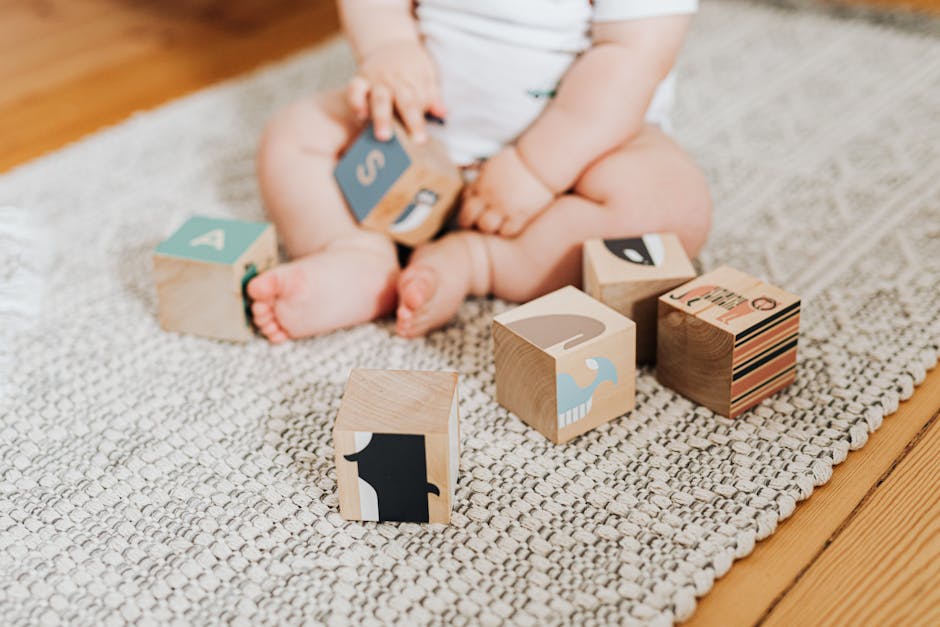
Wooden toys require gentle cleaning. Avoid soaking them in water. Use a damp cloth with mild soap. Wipe the toys and dry with a clean towel. For stubborn stains, use a mixture of vinegar and water. Never leave wooden toys wet. Moisture can damage them.
Fabric Toys
Fabric toys need careful cleaning. Check for washing instructions on the label. Many fabric toys are machine washable. Use a gentle cycle and mild detergent. Air dry to avoid shrinking. For toys without instructions, spot clean with soapy water. Rinse and air dry thoroughly.
Electronic Toys
Electronic toys need special care. Always remove batteries before cleaning. Use a cloth dampened with soapy water. Wipe the surface gently. Avoid water near battery compartments. For intricate areas, use a cotton swab. Dry thoroughly before reassembling. Ensure electronics are completely dry before use.
Non-toxic Cleaning Methods
Ensure baby toys are clean and safe with non-toxic methods. Use mild soap and warm water. Rinse thoroughly. Dry completely. Avoid harsh chemicals to protect your little one’s health.
Cleaning baby toys is a crucial task for every parent, but using harsh chemicals can be risky for your little one. Non-toxic cleaning methods are not only safer but also surprisingly effective. You can ensure your baby's toys are clean without exposing them to harmful substances. Let's dive into some safe and natural ways to keep those toys spotless and germ-free.
Using Vinegar And Water Solution
Vinegar is a powerhouse when it comes to non-toxic cleaning. Mixing equal parts of vinegar and water creates a gentle yet effective solution. Simply spray it on toys, let it sit for a few minutes, and wipe clean with a soft cloth. Have you ever noticed how vinegar's distinct smell vanishes once it's dry? It's a testament to its natural cleaning power.
Benefits Of Baking Soda
Baking soda is not just for baking. It's a fantastic non-toxic cleaner that can handle even the toughest grime. Sprinkle some on a damp cloth and gently scrub the toys. Rinse with water and see the magic happen. Remember the satisfaction of seeing those stubborn stains disappear effortlessly?
Essential Oils For A Pleasant Aroma
Adding a few drops of essential oils like lavender or tea tree to your cleaning routine can make a world of difference. Not only do these oils have antibacterial properties, but they also leave toys smelling fresh. Imagine your baby's toys smelling like a blooming garden instead of a sterile hospital.
Sunlight As A Natural Disinfectant
Did you know that sunlight can act as a natural disinfectant? Placing toys outside on a sunny day can help kill bacteria and viruses. It's a simple and free method that many parents might overlook. Next time the sun is shining, why not give it a try and let nature do the work?
Steam Cleaning For Deep Hygiene
If you're looking for a deeper clean, steam cleaning is your answer. A handheld steam cleaner can sanitize toys without any chemicals. It's quick, efficient, and provides peace of mind knowing no residue is left behind. Have you considered how this method not only cleans but also extends the life of the toys? Non-toxic cleaning methods are not just about keeping toys clean; they are about safeguarding your child's health. Which method will you try first?
Sanitizing And Disinfecting
Keeping baby toys clean is crucial for your child's health. Toys often collect dirt and germs. Regular cleaning ensures a safe play environment. Sanitizing and disinfecting are key steps. They remove harmful bacteria and viruses. Let's explore effective methods to keep toys germ-free.
Natural Disinfectants
Natural disinfectants are gentle and safe. They avoid harsh chemicals. Use them for effective cleaning. Essential oils like tea tree and lavender work well. They have natural antibacterial properties. Always dilute oils before use. Mix with water in a spray bottle. Spray toys and wipe with a cloth. This method is both safe and effective.
Using Vinegar And Baking Soda
Vinegar and baking soda are powerful cleansers. They are safe for baby toys. Vinegar is a natural disinfectant. It kills many germs and bacteria. Mix one part vinegar with one part water. Spray on toys and wipe clean.
Baking soda removes dirt and odors. Make a paste with water. Apply to toys and scrub gently. Rinse thoroughly with water. This leaves toys fresh and clean. Vinegar and baking soda are safe alternatives. They ensure toys are hygienic and ready for play.
Drying And Storing Toys
Safely cleaning baby toys involves careful drying and storing methods. Ensuring toys are fully dry prevents mold growth. Store them in a clean, dry place to maintain hygiene.
Ensuring your baby's toys are clean is crucial for their health. However, the drying and storing process often gets overlooked. It's not just about keeping the toys dry but also ensuring they are stored in a way that maintains their cleanliness. You might be surprised at how easily moisture can lead to mold or bacteria buildup. Let’s dive into some practical tips on drying and storing toys effectively.
Drying Toys Properly
After cleaning, make sure to dry toys thoroughly. Moisture can be a breeding ground for germs. Use a clean towel to pat them dry. Air drying is also a great option. Place toys on a rack where air can circulate around them. If you're short on time, a fan can speed up the process.
Using Sunlight For Drying
Sunlight is a natural disinfectant. Place toys outside on a sunny day. The UV rays can help kill lingering germs. Be cautious with colored toys as they might fade. Always check if the toy material can withstand sunlight before placing them outside.
Storing Toys Safely
Once dried, storing toys properly is crucial. Use clear bins for storage. It helps you see what's inside and keeps dust out. Label bins for easy access. Consider rotating toys every few weeks to keep playtime exciting for your baby.
Avoiding Moisture In Storage Areas
Ensure storage areas are dry. Damp basements or garages can invite mold. Opt for storage in a room where temperature and humidity are controlled. You might want to invest in a dehumidifier if moisture is a persistent issue.
Personalizing Storage Solutions
Personalize storage to fit your space. Use wall-mounted shelves in playrooms for easy access. Hang bins from hooks for small toys. Make it a fun project with your child. It can be a great bonding activity and teaches them about organization. By focusing on drying and storing toys effectively, you can ensure your baby's safety and extend the lifespan of their beloved playthings. What creative storage solutions have you tried?

Credit: maggymaid.com
Preventing Germs And Bacteria
Ensuring your baby's toys are clean is crucial for preventing germs and bacteria from causing illnesses. Babies are naturally curious and love to explore everything with their hands and mouths. This means toys can quickly become a breeding ground for germs. But don't worry, you can easily manage this with a few simple practices that keep your little one safe and healthy.
Regular Cleaning Routine
Creating a regular cleaning routine is your first line of defense against germs. Set aside a specific day each week to clean your baby's toys. This helps you stay consistent and ensures toys are always safe for play. Use gentle soap and warm water for most toys. For those that can withstand it, a run through the dishwasher can be effective. Make sure to check the manufacturer's instructions to avoid damaging any toys.
Think about the toys your baby plays with most often. These likely need more frequent cleaning. Consider keeping a list of toys that require special cleaning methods, like plush toys that need machine washing. By keeping track, you make cleaning less of a hassle and more of a quick routine.
Safe Play Practices
Preventing germs isn't just about cleaning—it's also about how your baby plays. Encourage your little one to play in clean areas. You can lay down a clean mat or blanket during playtime. This minimizes contact with dirt or germs that might be on the floor.
Consider rotating toys to limit the number your baby is exposed to at one time. This not only keeps playtime fresh and exciting but also makes cleaning more manageable. Do you remember the last time you found a toy under the couch you hadn’t seen in weeks? Rotating toys prevents those forgotten germs from lurking.
Reflect on moments when you've seen your baby grab something off the floor. Are there ways you can reduce that exposure? Simple changes can make a big difference in keeping playtime safe.
By adopting these practices, you create a healthier environment for your baby. Regular cleaning and safe play practices work hand-in-hand to ensure toys are not a source of germs. What steps can you take today to make your baby's playtime safer?
Cleaning Outdoor Toys
Safely cleaning baby toys involves gentle soap and warm water. Ensure thorough rinsing to remove all soap residue. Dry toys completely to prevent mold and bacteria growth.
Cleaning outdoor toys is crucial for your child's safety and health. Outdoor toys gather dirt, germs, and weather-related debris. Regular cleaning keeps them safe and enjoyable.
1. Gather Your Cleaning Supplies
Start with mild soap, water, and a soft cloth. Use a bucket for easy access. A scrub brush is helpful for stubborn dirt.
2. Rinse Off Loose Dirt
Use a garden hose to remove surface dirt. This makes detailed cleaning easier. Focus on corners and joints where dirt hides.
3. Scrub With Soap And Water
Mix soap with warm water in a bucket. Dip the scrub brush in the soapy water. Scrub each toy thoroughly.
4. Rinse And Dry Thoroughly
Rinse all soap off with clean water. Ensure no residue remains on the toys. Dry with a clean towel to prevent mold.
5. Disinfect For Extra Safety
Use a child-safe disinfectant spray. Follow instructions on the label. This step kills harmful germs.
6. Inspect For Damage
Check toys for cracks or wear. Damaged toys may need repair or replacement. Safety is always the priority.
7. Store Properly After Cleaning
Store toys in a dry, shaded place. This prevents weather damage. Proper storage extends toy life.
Handling Special Toys
Cleaning baby toys safely ensures your child stays healthy. Use mild soap and warm water for washable toys. For electronic toys, gently wipe with a damp cloth and avoid immersing them. Regular cleaning keeps toys germ-free and safe for play.
Cleaning baby toys can be tricky, especially when they hold sentimental value or come with unique cleaning challenges. Special toys like bath toys and stuffed animals require extra attention to keep them safe and hygienic for your little one. Ensuring these toys remain clean not only protects your child from germs but also extends the life of their beloved companions.
Bath Toys
Bath toys are a staple in many households, turning bath time into a fun adventure. However, they can harbor mold if not cleaned properly. After each bath, squeeze out all the water from the toys and let them air dry completely. Consider using a mesh bag to store them, allowing airflow and preventing moisture buildup. For a deeper clean, soak the toys in a mixture of vinegar and water once a week. This natural solution helps to kill bacteria without the use of harsh chemicals. Have you ever noticed black spots inside a rubber duck? That’s mold. By sealing the hole with a dab of hot glue, you can prevent water from entering, reducing the risk of mold growth.
Stuffed Animals
Stuffed animals are often a child's first friend, accompanying them through naps, playtime, and even meals. But these cuddly companions can quickly gather dust, drool, and other grime. Check the care label before cleaning—some stuffed animals can go in the washing machine, while others need gentler treatment. For machine-washable toys, use a pillowcase to protect them during the wash. Opt for a gentle cycle with mild detergent, and air dry them to maintain their shape. If washing isn't an option, try spot cleaning with a damp cloth and a small amount of soap. Is your child’s favorite toy looking a bit worn out? A simple lint roller can remove surface dust and fuzz, refreshing its appearance without a full wash. Maintaining the cleanliness of special toys keeps your child safe and their playtime enjoyable. What unique cleaning hacks have you discovered for your child’s beloved toys?
Credit: www.cnet.com
Frequently Asked Questions
How Often Should Baby Toys Be Cleaned?
Baby toys should be cleaned at least once a week. If a toy falls on the floor or is used by a sick child, clean it immediately. Regular cleaning helps prevent the spread of germs and keeps toys safe for your baby.
What Is The Best Method To Clean Plastic Toys?
The best method to clean plastic toys is using soap and water. You can also use a mixture of vinegar and water for a natural disinfectant. Ensure toys are thoroughly rinsed and dried before giving them back to your baby.
Can I Use Bleach To Clean Baby Toys?
Yes, you can use bleach to clean baby toys, but use it sparingly. Dilute one tablespoon of bleach in a gallon of water. Soak toys for five minutes, then rinse them thoroughly. Always air-dry toys completely before letting your baby play with them.
How Can I Clean Plush Baby Toys?
Plush baby toys can often be cleaned in the washing machine. Use a gentle cycle and mild detergent. If machine washing isn't possible, spot clean with a damp cloth and mild soap. Ensure the toy is completely dry before returning it to your child.
Conclusion
Cleaning baby toys is important for your child's health. Regular cleaning keeps germs away. Use safe cleaning methods. Choose non-toxic cleaners for plastic toys. Wash plush toys in a gentle cycle. Dry them thoroughly. Wooden toys need special care. Use a damp cloth for cleaning.
Avoid soaking them. Store cleaned toys properly. Keep them off the floor. This prevents dirt buildup. Enjoy peace of mind. Your baby stays safe while playing. Follow these tips. Keep your child's playtime healthy and fun. Remember, a clean toy equals a happy baby.