
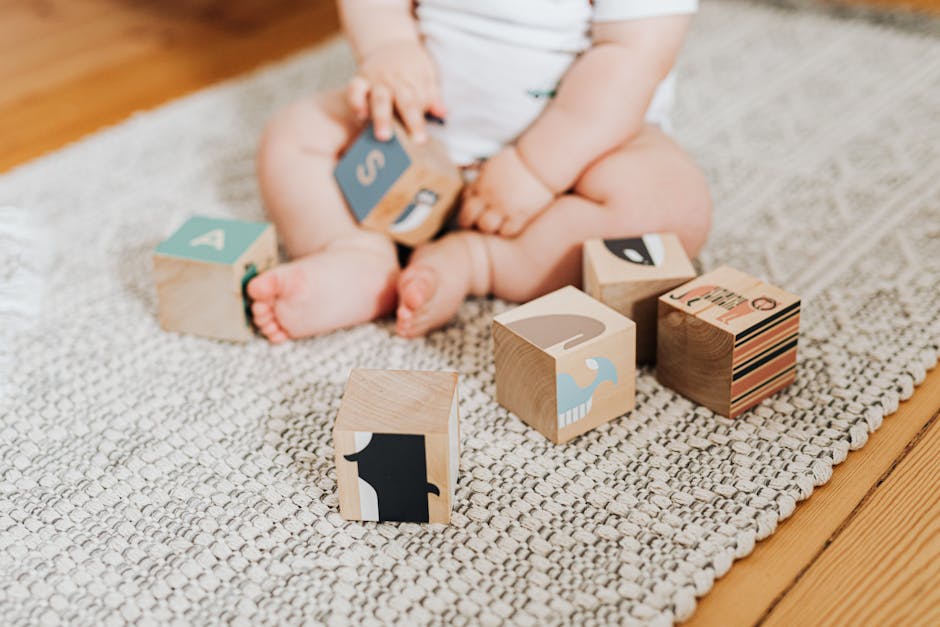
Watching your baby grow and discover the world is an exciting journey filled with countless milestones. One such milestone is when your little one starts to hold toys.
As a parent, you're likely eager to know when this magical moment will happen. Understanding the right time and how to encourage it can be crucial for your baby's development. Imagine the joy of seeing your child's eyes light up as they grasp their favorite toy for the first time.
By knowing what to expect, you can be better prepared to support and celebrate this important stage. Dive into this article to learn not only when babies typically start holding toys but also how you can foster their curiosity and enhance their developmental skills. Don't miss out on these essential tips that can make a world of difference for you and your baby.
Credit: www.youtube.com
Early Grasping Reflex
The early grasping reflex in infants is a fascinating milestone. It marks the beginning of their interaction with the world. This reflex is present from birth, showcasing their innate curiosity. Understanding this reflex helps parents support their child's development.
Understanding The Early Grasping Reflex
Babies are born with a natural ability to grasp. This reflex allows them to hold onto objects instinctively. Parents often notice this when their newborn grips their finger tightly. This reflex gradually evolves into more controlled movements.
Developmental Progression Of Grasping Skills
As babies grow, their grasping skills improve. By three months, they start reaching for toys. This is a sign of their growing interest in exploring. Their hand-eye coordination begins to develop, enhancing their ability to hold objects.
Encouraging Toy Holding
Parents can support this development with simple toys. Soft, lightweight toys are ideal for tiny hands. These encourage babies to practice their grip. Providing toys helps stimulate their senses and aids cognitive growth.
Observing Grasping Milestones
Watching your baby grasp toys is rewarding. Each attempt reflects their development journey. Celebrate these moments as they learn and grow. Keep an eye on their progress, noting improvements in dexterity.
Role Of Play In Skill Enhancement
Play is crucial for skill enhancement. It allows babies to practice holding and releasing toys. Interactive play fosters their grasping abilities. Through play, they learn to manipulate objects effectively.
Developing Hand-eye Coordination
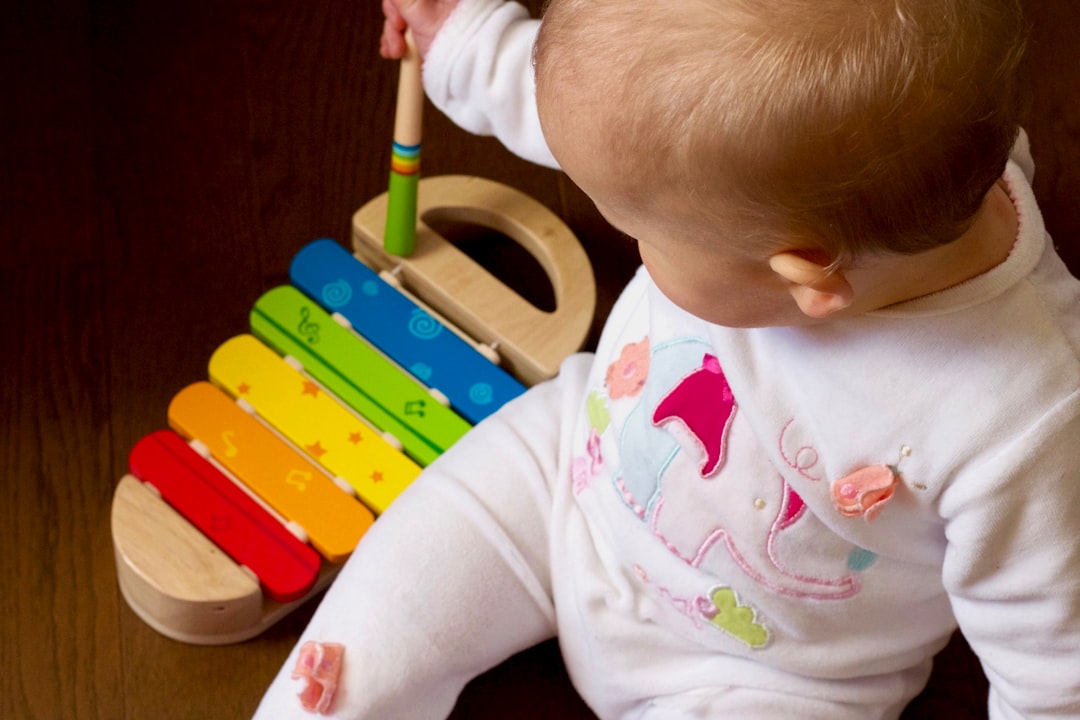
Babies typically start holding toys around 3 to 4 months old. This marks the beginning of developing hand-eye coordination. Offering colorful and soft toys can stimulate their grasping skills and curiosity.
Developing hand-eye coordination is a crucial milestone in your baby's growth journey. This skill is not just about grabbing toys; it's about connecting what they see with how they move their hands. As your baby learns to hold toys, they are sharpening their ability to interact with the world around them.
Understanding The Basics
Babies start developing hand-eye coordination from birth. At first, they might only wave their arms around. Soon, you'll notice them trying to reach for objects they find interesting. How can you help? Introduce colorful, lightweight toys that attract their attention. These toys encourage them to reach out and grasp.
Role Of Toys In Skill Building
Toys are more than just playthings. They are tools for learning. A simple rattle can teach your baby how to direct their hand to an object they see. Think about a time when your little one struggled to pick up a toy. That moment of persistence is a lesson in coordination and determination.
Signs Your Baby Is Ready
Does your baby try to grab objects? Are they showing interest in the toys around them? These are signs they're ready to practice hand-eye coordination. If your baby can hold their head up and follow objects with their eyes, they are ready to start grasping toys. Offer them a variety of textures and shapes to explore.
Practical Tips For Parents
You can make a game out of it. Place a toy just out of reach and encourage your baby to get it. This simple activity enhances their skills. Rotate toys to keep things exciting. Different sizes and shapes challenge their coordination in new ways. Have you noticed how a toy's color or sound draws their attention?
Encouraging Progress
Celebrate small victories. Each time your baby holds a toy longer or reaches it quicker, it's a step forward. Your encouragement plays a big role in their development. Remember, every baby develops at their own pace. Patience and practice are key. What new skill will your baby surprise you with next?
Reaching And Grasping Skills
Babies often begin holding toys around 3 to 4 months old. They develop reaching and grasping skills rapidly. Encouraging play with safe, colorful toys supports their hand-eye coordination.
Reaching and grasping are fundamental skills in a baby's development. These skills lay the groundwork for more complex motor functions. As your little one grows, they naturally begin to explore their world through touch and manipulation. Watching your baby reach for toys is not just adorable; it's a sign of their growth and curiosity. But when do these skills typically develop, and how can you support them?
When Do Babies Start Reaching For Toys?
Many babies begin reaching for toys around three to four months old. At this stage, their hand-eye coordination starts to improve. You might notice them batting at toys hanging above their crib or play mat.
Encouraging Grasping Skills At Home
To support your baby's grasping skills, provide a variety of toys. Choose toys that are easy to hold, like rattles or soft blocks. As your baby gets more comfortable, introduce toys with different textures and shapes to keep them intrigued.
The Role Of Tummy Time In Developing Motor Skills
Tummy time is crucial for building strength in your baby's shoulders and arms. This strength is essential for reaching and grasping. Place toys within arm's reach during tummy time to motivate them to lift their head and reach out.
Signs Your Baby Is Developing Grasping Skills
Look for signs like your baby closing their fingers around a toy. This shows they are developing a more intentional grasp. You might also see them transferring toys from one hand to the other, a big milestone in coordination.
Personal Experiences: What Worked For Us
I remember when my little one first grasped a soft toy elephant. The look of concentration on their face was priceless. By placing toys just out of reach, we encouraged more active exploration and reaching.
Is Your Baby's Grasping On Track?
Every baby develops at their own pace, and that's okay. If you're concerned about your baby's reaching and grasping skills, consult your pediatrician. They can provide guidance tailored to your child's needs. Encouraging your baby's reaching and grasping skills can be a fun journey for both of you. How are you planning to support your baby's development today?

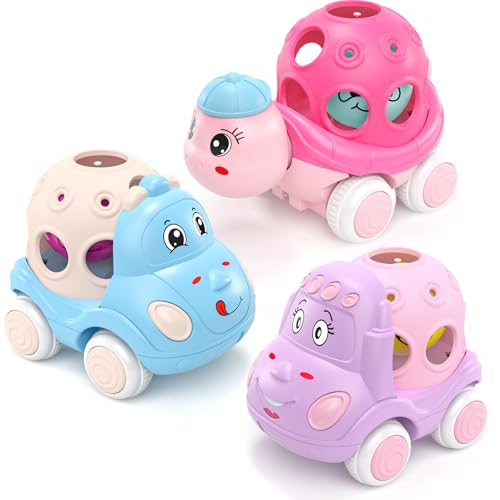
Credit: www.amazon.com
Introducing Toys For Stimulation
Introducing toys at the right time boosts a baby's development. Toys stimulate the senses, promote motor skills, and encourage exploration. Selecting suitable toys can enhance your baby's learning experience.
Choosing Age-appropriate Toys
Babies need toys matching their developmental stage. Start with soft, lightweight toys. They are easy for little hands to grasp. Bright colors attract attention and interest.
Encouraging Sensory Exploration
Introduce toys with different textures. Soft, bumpy, or smooth surfaces offer varied sensations. These toys help babies learn through touch.
Promoting Grasping Skills
Toys should be easy to hold. Rattles and teething rings are great choices. They strengthen grip and coordination.
Fostering Visual And Auditory Stimulation
Choose toys with gentle sounds. Bells or crinkly materials can fascinate. Visual contrast in toys aids in developing sight.
Introducing Interactive Play
Interactive toys build social skills. Parents can play along, making sounds or movements. It encourages bonding and communication.
Signs Of Readiness
Understanding when a baby is ready to hold toys is crucial. It marks an important milestone in their development. Observing your baby can reveal signs of readiness. Recognizing these signs helps you support their growth effectively.
Babies show readiness by reaching for objects. Their curiosity grows as they explore the world around them. They start to grasp objects with their tiny hands.
Improved Hand Coordination
Hand coordination improves as your baby grows. They begin to control their movements better. You'll notice them trying to grab nearby toys.
Interest In Objects
Your baby shows interest in colorful toys. They often stare at objects with fascination. This interest is a clear sign they want to interact.
Ability To Sit Supported
Once a baby can sit with support, they are more likely to hold toys. Sitting up changes their view of the environment. They become more engaged in playtime.
Grasp Reflex Development
The grasp reflex becomes noticeable around three months. Babies start to hold onto objects naturally. This reflex indicates their readiness to hold toys.
Curiosity And Exploration
Babies explore by touching and holding. Their curiosity drives them to learn through play. Toys become tools for their exploration.
Improved Focus And Attention
Focus and attention improve as babies mature. They spend more time examining toys. This increased concentration is a readiness sign.
Encouraging Playtime Interaction
Babies usually start holding toys around 3 to 4 months. Their growing curiosity sparks interaction during playtime. Parents can encourage this by offering soft, easy-to-grip toys. This supports the baby's developing motor skills and sensory exploration.
Encouraging playtime interaction is a fundamental aspect of a baby’s development. It’s not just about handing them a toy; it’s about fostering their curiosity and encouraging learning. When you actively engage with your baby during play, you lay the groundwork for cognitive and motor skills that will benefit them throughout their life.
Understanding Your Baby’s Signals
Babies communicate through gestures, sounds, and expressions. Pay attention to how your baby reacts to different toys. Do they giggle at the sound of a rattle or reach out for a colorful plushie? These reactions can tell you what captures their interest. Understanding these signals helps you choose toys that can enhance their development. It’s about creating moments where your baby feels seen and heard.
Choosing Age-appropriate Toys
Choosing the right toys is crucial. Toys should be safe and suitable for your baby’s age. For babies around three months, soft toys or rattles are ideal because they are easy to grip. As your baby grows, introduce toys that challenge them a bit more, like stacking cups or textured balls. These toys can improve their coordination and problem-solving skills.
Creating A Stimulating Environment
Your baby’s play area should be engaging and safe. Consider placing toys within their reach on a clean, padded surface. This setup encourages exploration and discovery. Having a variety of toys available can stimulate your baby’s senses and keep them entertained. Rotate toys regularly to maintain their interest and curiosity.
Engage In Interactive Play
Interactive play is a wonderful way to bond with your baby. Sit with them and demonstrate how toys work. Shake the rattle or stack the cups together, showing them the fun. Your involvement makes playtime more exciting and meaningful. It’s a chance to teach them new skills and share joyful moments.
Encourage Exploration And Creativity
Allow your baby to explore toys in their own way. If they want to chew on a stacking ring instead of stacking it, let them. It’s part of their learning process. Encouraging creativity in play helps your baby develop a sense of independence and curiosity. These are skills that will serve them well as they grow.
Ask Yourself: How Can You Enhance Their Playtime?
Think about the toys you have. Are they challenging enough for your baby’s current stage? Can you add a new element to their playtime, like music or storytelling? Your active involvement in playtime can make a significant difference in your baby’s growth. Every giggle, reach, and discovery counts toward their development journey.
Choosing Safe Toys
Choosing the right toys for your baby is important. Safety must be your top priority. Babies explore with their mouths and hands. This means toys must be safe to touch and chew. As you select toys, focus on materials and design. These aspects help prevent accidents and ensure peace of mind.
Material Matters
Always check the material of the toy. Opt for non-toxic and BPA-free materials. These materials are safer for babies to chew. Avoid toys with harmful chemicals or sharp edges.
Size And Shape
Size and shape play a crucial role. Toys should be large enough to prevent swallowing. Small parts can cause choking hazards. Ensure the toy's shape does not have sharp points.
Quality And Durability
High-quality toys last longer. They withstand rough play without breaking. Broken toys can have sharp edges. Always choose durable toys to ensure safety.
Washable And Easy To Clean
Babies often drool and spill. Select toys that are washable. Easy-to-clean toys keep germs at bay. Regular cleaning helps maintain hygiene.
Age Appropriateness
Check the toy's age recommendation. Age-appropriate toys match your baby's skills. They provide safe and suitable entertainment. Avoid toys meant for older children.
Credit: www.parentclub.scot
Observing Milestone Progression
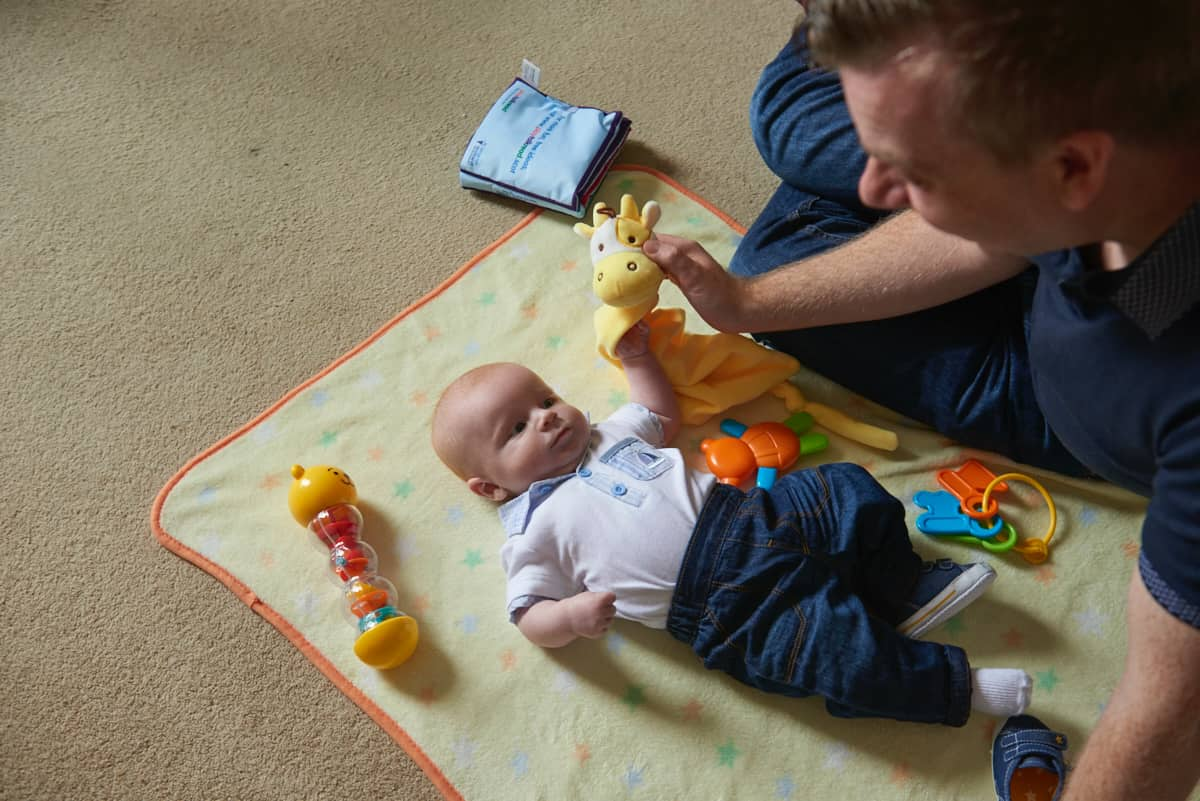
Babies typically start grasping toys around three to four months of age. This milestone showcases their developing hand-eye coordination. Observing these early interactions can provide insights into their growing curiosity and motor skills.
Observing how your baby progresses with milestones can be both exciting and nerve-wracking. When it comes to holding toys, it's a significant step that marks their growing curiosity and physical development. You're eager to see them grasp their favorite rattle or that adorable plush toy, aren't you?
Understanding The Timeline
Babies typically start holding toys around 4 to 6 months. At this stage, they begin to develop hand-eye coordination. You might notice your baby reaching out, trying to grasp objects within their line of sight. This attempt signals that their motor skills are evolving.
Signs Your Baby Is Ready
Watch how your baby interacts with their surroundings. Are they reaching for items more frequently? Are they trying to bring objects to their mouth? These are signs they’re ready to hold toys. Encourage this by placing colorful and safe toys nearby.
Encouraging Interaction
Let’s make playtime more interactive. Use toys that make sounds or have textures. These stimulate your baby's senses and encourage them to hold and explore. Interactive play supports their cognitive development.
Safety First
Choose toys that are safe and appropriate for their age. Ensure no small parts can be swallowed or sharp edges that can cause harm. Your baby's safety is paramount during playtime.
What If They Don’t Hold Toys?
It's natural to worry if milestones are not met. However, each baby develops at their own pace. If your baby isn't holding toys yet, observe their other developmental activities. Consult your pediatrician if you have concerns.
Celebrating Small Achievements
Celebrate each small achievement your baby makes. Whether it's a fleeting grasp or the first time they hold a toy without help, these moments are precious. Your excitement and encouragement fuel their growth.
Parental Role In Development
Parents play a significant role in their baby's early development. Your involvement can help nurture their abilities and skills. Babies learn a lot by observing and mimicking. Holding toys is a milestone in this learning process. Let's explore how parents can support this development.
Understanding Baby's Developmental Stages
Babies go through different stages of growth. In the first few months, they have limited hand control. By around three to four months, they start grasping objects. This is when they may begin holding toys. Parents can encourage this by offering toys that are easy to grasp.
Choosing The Right Toys
Picking the right toys is essential. Look for colorful and lightweight toys. Soft textures can be more appealing to small hands. Toys should be safe and free from small parts. These can help keep the baby interested and engaged.
Encouraging Grasping And Holding
Encourage your baby to reach for toys. Place toys within their reach during playtime. Show them how to hold and explore. This can improve their coordination and confidence. Celebrate small achievements to motivate them.
Observing And Responding
Pay attention to your baby's reactions. Notice how they interact with different toys. Some may excite them more than others. Respond to their cues and adjust the toys accordingly. This helps in understanding their preferences.
Creating A Safe Environment
A safe play area is crucial. Ensure there are no sharp edges around. The space should be free from hazards. Regularly check toys for any damage. Safety is always a top priority.
Fostering Bonding Through Play
Use this time to bond with your baby. Play together and create joyful moments. Your involvement makes them feel secure. It also strengthens your relationship.
Frequently Asked Questions
When Do Babies Start Holding Toys?
Babies typically start holding toys around 3 to 4 months old. At this age, their hand-eye coordination improves, allowing them to grasp objects. Encouraging play with lightweight toys can help develop their motor skills. Always ensure toys are safe and suitable for their age to prevent choking hazards.
How Can I Encourage My Baby To Hold Toys?
To encourage your baby to hold toys, offer them lightweight, colorful toys. Place toys within their reach during tummy time. Engage them with toys that make sounds or have interesting textures. Regularly play with them to stimulate their interest and improve their grasping skills.
What Toys Are Best For Infants To Hold?
Soft, lightweight, and colorful toys are best for infants. Rattles, soft blocks, and teething rings are popular choices. These toys help develop sensory and motor skills. Ensure the toys are safe, without small parts, to prevent choking hazards. Always supervise playtime to ensure safety.
Why Is Toy Holding Important For Babies?
Toy holding is crucial for developing motor skills and hand-eye coordination. It helps strengthen muscles in their hands and fingers. Engaging with toys also stimulates cognitive development and sensory exploration. This activity lays the foundation for future skills like writing and self-feeding.
Conclusion
Babies explore their world by holding toys. This action helps them grow. Each child progresses at their own pace. Parents should offer safe, age-appropriate toys. Observe your baby's interest and skills. Encourage playtime and interaction. Toys can boost development and learning.
Always supervise play for safety. The joy of discovery is important. Cherish these early moments together. Support your baby's curiosity and growth. Watching them learn is rewarding. Enjoy every step of their journey. Stay attentive to their needs. Celebrate milestones as they occur naturally.
Your baby's happiness and safety come first.