
Are you a parent searching for safe and effective ways to clean your baby's toys? You're not alone!
Many parents are on a quest to find natural cleaning solutions that are both gentle and powerful. Enter vinegar—a pantry staple that's been hailed as a versatile cleaning agent. But is it really safe for those adorable toys your little one loves to chew and cuddle?
We'll dive into the benefits and considerations of using vinegar on baby toys, ensuring you have peace of mind while keeping those cherished playthings spotless. Stick around to discover how this humble ingredient can become your new cleaning ally, without compromising your baby's safety.
Safety Of Vinegar For Cleaning
Cleaning baby toys is essential for health. Many parents worry about using harsh chemicals. Vinegar is a popular choice for natural cleaning. But is it safe for your baby's toys? Let's explore.
What Makes Vinegar Safe?
Vinegar is made from fermented ethanol. It has acetic acid, which kills germs. This makes it a safe option for cleaning. Unlike bleach, vinegar does not leave harmful residues. It evaporates quickly, leaving no trace.
Non-toxic Properties
Vinegar is non-toxic. It is safe if your baby touches toys cleaned with it. Even if a toy is put in the mouth, vinegar poses minimal risk. Its natural composition makes it gentle for sensitive skin.
Common Concerns
Some parents worry about vinegar's smell. The odor vanishes after drying. Vinegar is also safe for all toy materials. Plastics, wood, and fabric remain unharmed. It does not cause fading or damage.
Effective Germ Killer
Vinegar kills many types of bacteria. It can handle germs on toys well. Regular cleaning with vinegar reduces illness risk. Your baby stays healthier with clean toys.
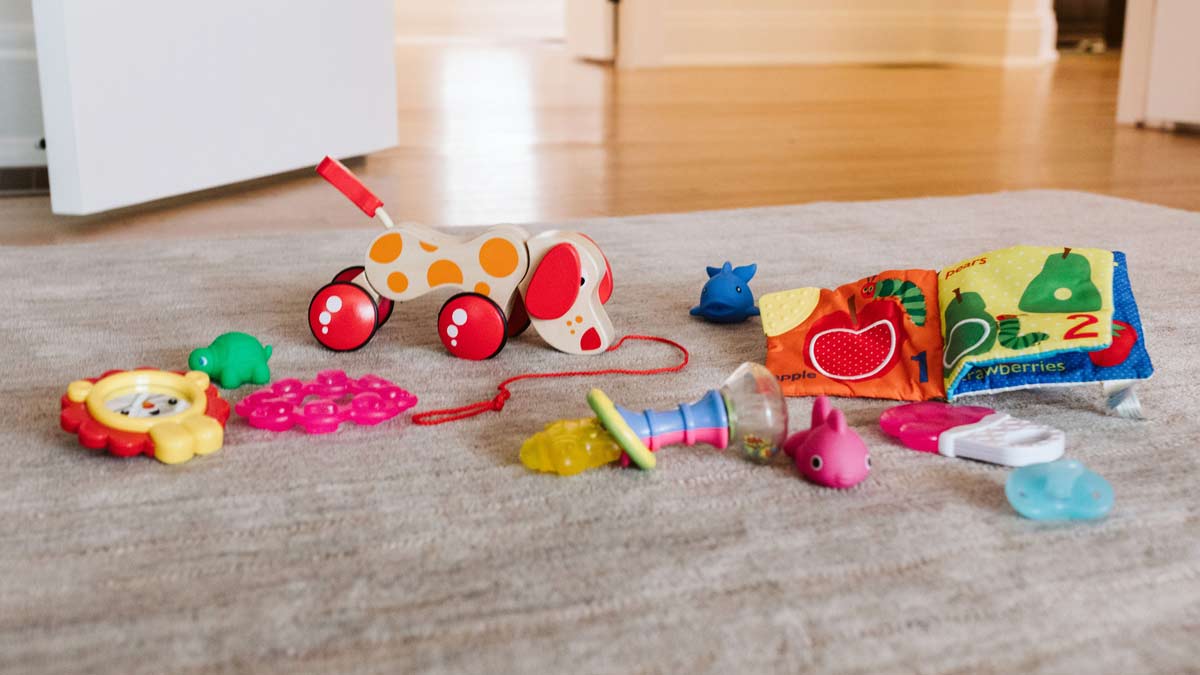
Credit: puracy.com
How Vinegar Works
Vinegar effectively cleans baby toys due to its acidic properties, breaking down dirt and grime. It is safe for most toys, offering a natural, chemical-free cleaning option. Always rinse well to remove any vinegar residue, ensuring toys are safe for little ones to play with.
Cleaning baby toys is crucial, ensuring your little one's playthings are safe and germ-free. Vinegar, a common household item, has gained popularity as a cleaning agent. Understanding how vinegar works can help you make an informed choice about using it for toy cleaning.
What Makes Vinegar Effective?
Vinegar contains acetic acid, which is its secret weapon against bacteria and viruses. This acid disrupts the cell membranes of harmful microorganisms, rendering them inactive. It's not just about killing germs. Vinegar also helps dissolve dirt and grime. This makes it useful for toys that often get sticky or grimy from frequent use.
The Science Behind Vinegar's Cleaning Power
Acetic acid is a powerful cleaning agent because it breaks down dirt and grease. This is why vinegar is often used in kitchens and bathrooms. When you apply vinegar to toys, it can effectively cut through sticky residues. This leaves the toys looking clean and fresh, ready for your baby to enjoy again.
Is Vinegar Safe For Baby Toys?
You might wonder about the safety of vinegar on baby toys. Fortunately, vinegar is non-toxic and safe for most surfaces, including plastic, wood, and fabric. After cleaning, any vinegar residue is harmless. Yet, rinsing toys with water ensures they're thoroughly clean and safe for your baby.
How To Use Vinegar For Cleaning Baby Toys
Using vinegar is simple. Mix equal parts of vinegar and water in a spray bottle. Spray the solution on the toys, let it sit for a few minutes, and then wipe clean. Consider soaking toys with stubborn grime in a vinegar solution for deeper cleaning. This method can be particularly effective for toys that are regularly exposed to dirt.
Are There Any Downsides?
Vinegar has a strong smell that might linger after cleaning. If you're sensitive to odors, this could be a concern. However, the smell dissipates quickly, especially if toys are rinsed with water afterward. If the odor bothers you, adding a few drops of essential oil can help mask it.
Should You Choose Vinegar For Toy Cleaning?
Thinking about using vinegar for toy cleaning? It’s a cost-effective, safe, and natural option. But, are you comfortable with its strong odor or do you need to consider alternatives? Vinegar's effectiveness and safety make it a popular choice for many parents. Its ability to clean without harsh chemicals is a huge plus for your child's health. By understanding how vinegar works, you can confidently decide if it's right for your toy cleaning routine.
Benefits Of Using Vinegar
Cleaning baby toys with vinegar offers a natural and safe alternative. Vinegar effectively removes germs without harsh chemicals. It's gentle and non-toxic, making it ideal for items toddlers frequently mouth.
When it comes to cleaning baby toys, you want something that's both effective and safe. Vinegar is an unexpected hero in this task. It offers several benefits, making it a great choice for conscientious parents. Let's dive into why vinegar might just become your go-to cleaning companion.
Natural Disinfectant
Vinegar is a powerful natural disinfectant. It effectively kills a wide range of germs and bacteria without the use of harsh chemicals. This means you can keep your baby’s toys safe and clean without worrying about toxic residues. Think about the last time you cleaned with bleach and had to air out the room. With vinegar, there's no need for that. It’s a simple solution that’s both effective and convenient for busy parents.
Non-toxic Solution
Your baby’s safety is your top priority, and vinegar is a non-toxic cleaning option. Unlike commercial cleaners, it contains no harmful chemicals. This means no harmful fumes or residues, keeping your little one safe. Remember the peace of mind you felt when you first bought organic baby food? Using vinegar can give you that same sense of security. You can be confident that your cleaning routine is as gentle as your parenting.
Cost-effective Option
Vinegar is not only safe but also budget-friendly. A bottle of vinegar costs just a fraction of most commercial cleaners. You can clean numerous toys without breaking the bank. Have you ever noticed how quickly cleaning supplies can add up in cost? With vinegar, you’ll find savings that can be redirected to other baby essentials. Plus, you probably already have it in your pantry, saving you an extra trip to the store. By choosing vinegar, you’re opting for a cleaning method that’s safe, effective, and easy on the wallet. Have you considered giving it a try next time you clean your baby's toys?
Potential Drawbacks
Cleaning baby toys with vinegar can be a go-to option for many parents due to its natural cleaning properties. However, it's crucial to be aware of potential drawbacks that could impact your cleaning routine.
Strong Odor
Vinegar has a very distinct smell. You might notice it lingering after cleaning toys. Imagine your child's play area filled with that sour aroma. Is it something you're comfortable with? Some parents find it off-putting.
To tackle the odor, try mixing vinegar with a bit of essential oil. It's a simple fix but can make a world of difference. Consider how your child reacts to strong smells. They might be sensitive, impacting their playtime joy.
Material Compatibility
Not all materials are vinegar-friendly. While it's great on plastic toys, it can damage others. Wooden toys, for instance, might suffer from vinegar's acidity. You wouldn't want to ruin your child's favorite wooden blocks.
Always check the toy's material before cleaning. A quick glance can save you from accidental damage. If you're unsure, test on a small area first. It's better to be cautious than regretful.
Have you ever cleaned a toy only to find it discolored or damaged? It's a frustrating experience. Make sure vinegar is the right choice for each toy.
Proper Cleaning Techniques
Cleaning baby toys is essential for their safety and health. Vinegar is a natural cleaner that can be used for this purpose. It’s important to follow proper cleaning techniques to ensure toys are safe for your baby. Below are some guidelines on dilution ratios and application methods for using vinegar effectively.
Dilution Ratios
Vinegar should be diluted before cleaning baby toys. Mix one part vinegar with four parts water. This dilution is gentle yet effective in removing germs. Always use cold or lukewarm water. Hot water can damage toys. Adjust the ratio if the toys are heavily soiled.
Application Methods
Use a soft cloth or sponge for cleaning toys. Dip it into the vinegar solution. Wipe the toy’s surface thoroughly. For toys with crevices, use a small brush. Make sure to reach all areas. Rinse toys with clean water after wiping. Let them air dry completely before handing them to your baby.
A spray bottle can also be used. Fill it with the vinegar solution. Spray the toy lightly. Wipe with a cloth to remove dirt. This method is great for larger toys. Always ensure the toy is not soaking wet after cleaning.

Credit: www.reddit.com
Alternative Cleaning Solutions
Cleaning baby toys with vinegar is generally safe and effective. Vinegar is a natural disinfectant, killing germs without harsh chemicals. Always rinse toys thoroughly after cleaning to ensure no residue remains.
Cleaning baby toys is crucial for health. While vinegar is popular, other options exist. Each has its own benefits. Let's explore these alternatives.
Soap And Water
Soap and water is a basic cleaning method. It's effective for most toys. Use warm water and mild soap. Scrub gently with a soft cloth. Rinse thoroughly to remove soap residue. This method is safe for many materials. It's also budget-friendly.
Commercial Cleaners
Commercial cleaners are available in stores. Choose ones labeled safe for children. Read labels for instructions and safety warnings. These cleaners often kill more germs. They come in spray or wipe forms. Ensure toys dry well after cleaning. This prevents mold or residue.
Steam Cleaning
Steam cleaning uses heat to sanitize toys. It doesn't require chemicals. This method is effective for plastic and fabric toys. Steam cleaners are available in various sizes. They can reach small toy parts easily. Always check toy labels for heat resistance. Steam cleaning offers a chemical-free alternative.
Expert Opinions
Experts suggest using vinegar to clean baby toys is safe. Vinegar effectively removes germs without harsh chemicals. Ensure thorough rinsing to keep toys safe for play.
Cleaning baby toys is a topic that often raises questions about safety and effectiveness. You want to ensure that your little one's playthings are free from germs and safe to use, but what do the experts say about using vinegar as a cleaning agent? Let's dive into what professionals in the field have to say, and how their insights might change the way you clean your baby's toys.
What Do Pediatricians Say?
Pediatricians generally agree that vinegar is a safe cleaning option for baby toys. It's natural and free from harsh chemicals, reducing the risk of allergic reactions. Many pediatricians recommend using a solution of equal parts water and vinegar for routine cleaning. However, they also advise being cautious with porous toys, as vinegar might not penetrate deeply enough to remove all germs. Are you using vinegar correctly on all types of toys?
Environmental Experts’ Views
Environmental experts praise vinegar for being eco-friendly. It’s biodegradable and doesn’t harm the water supply when rinsed off toys. Compared to chemical cleaners, vinegar is less likely to irritate a baby's skin or eyes. They suggest using vinegar for cleaning hard surfaces and toys that can be submerged. But what about those toys that can't be dunked?
Microbiologists’ Insights
Microbiologists highlight vinegar’s ability to kill bacteria and viruses, particularly on non-porous surfaces. While vinegar is effective, it may not eliminate all types of pathogens. For stubborn germs, they recommend combining vinegar with other natural solutions like baking soda. Have you considered mixing vinegar with other agents for a more thorough clean?
Parent Experiences
Many parents find vinegar to be a convenient and cost-effective cleaning solution. Unlike chemical cleaners, vinegar is readily available and doesn’t leave a strong odor. Some parents share experiences of using vinegar for cleaning bath toys, finding it effective in removing soap scum and mildew. Perhaps you’ve tried using vinegar yourself—what was your experience? Did you notice any difference compared to other cleaners?
Safety Precautions
Experts emphasize the importance of rinsing toys thoroughly after cleaning with vinegar. Residual vinegar can linger on toys, potentially causing skin irritation. They recommend drying toys completely before giving them back to your baby. Have you been careful with rinsing and drying to ensure your baby’s safety? Incorporating these expert opinions can help you make informed decisions about how to safely clean your baby's toys. Have you considered adjusting your cleaning routine based on these insights?
Tips For Safe Cleaning
Cleaning baby toys with vinegar can be safe and effective. Dilute vinegar with water for a gentle solution. Rinse toys well to remove any residue, ensuring they are safe for little ones.
Cleaning your baby's toys with vinegar can be a safe and effective way to keep germs at bay. Vinegar is a natural disinfectant, but using it correctly is key. Here are some tips to ensure you're cleaning safely and effectively. You might wonder if vinegar is enough. Does it sanitize? Let's dive into some practical advice.
Frequency Of Cleaning
How often should you clean your baby's toys? It's a common question. Daily cleaning isn't necessary unless your child is sick or the toys get particularly dirty. Generally, a good rule of thumb is to clean toys weekly. If you notice sticky residues or visible dirt, it's time for a wipe-down. Think about how often your baby uses certain toys. Frequent use might require more frequent cleaning. Make it a routine, but don't stress about perfection. Your baby's health is the priority, not having spotless toys all the time.
Toy Material Considerations
Different toys require different cleaning approaches. Vinegar works well on plastic and rubber toys. However, it might not be suitable for porous materials like wood. Wood can absorb moisture, leading to damage. For wooden toys, consider using a damp cloth instead. Soft toys pose another challenge. Vinegar can help with surface cleaning, but for deeper cleaning, you might need to hand wash or use a gentle cycle in the washing machine. Always check labels for care instructions. Are there toys with electronic parts? Avoid getting them wet. Instead, use a cloth dampened with a vinegar solution to wipe them down carefully. Cleaning baby toys with vinegar is a safe choice, but knowing how to adapt based on materials ensures you won't cause unintended harm.

Credit: www.maids.com
Frequently Asked Questions
Can Vinegar Effectively Clean Baby Toys?
Yes, vinegar is an effective natural cleaner for baby toys. It helps remove dirt, bacteria, and germs. Dilute vinegar with water to ensure safety. It's eco-friendly, non-toxic, and gentle on toy surfaces. Always rinse toys thoroughly with water after cleaning to remove any vinegar residue.
Is Vinegar Safe For Baby Toy Materials?
Vinegar is generally safe for most toy materials, including plastic, rubber, and wood. However, always test a small area first. Avoid using vinegar on porous materials that may absorb it. It's important to rinse thoroughly after cleaning. This ensures no vinegar remains that could contact your baby.
How Do I Clean Toys With Vinegar?
To clean toys with vinegar, mix equal parts vinegar and water. Use a cloth or sponge to wipe the toys. For tougher grime, soak toys briefly in the solution. Rinse thoroughly with water afterwards. Allow toys to air dry completely before giving them back to your baby.
Does Vinegar Disinfect Baby Toys?
Vinegar has mild disinfectant properties and can help reduce germs on toys. It's not as strong as commercial disinfectants. For extra disinfection, consider using a vinegar solution followed by a rinse with hot water. Always ensure toys are completely dry before use to maintain hygiene.
Conclusion
Cleaning baby toys with vinegar is generally safe and effective. Vinegar kills germs and is eco-friendly. Ensure you dilute vinegar with water. This prevents damage to toys. Check toy labels for cleaning instructions. Some toys may need special care. Vinegar might leave a smell.
Rinse toys well to remove it. Always dry toys completely after cleaning. Safety comes first, so be careful. Regular cleaning keeps toys fresh and hygienic. Your baby deserves clean toys. Use vinegar responsibly and enjoy peace of mind. Keep your baby's play area safe and clean.