Creating toys for your little one is not just a delightful hobby, but also a way to craft safe, personalized playthings. Imagine the joy on your baby's face when they cuddle a toy made by you, infused with love and care.
Sewing toys for babies might seem challenging, but with the right guidance, it can become an enjoyable and rewarding experience. You’ll discover that it's not only about needle and thread but about nurturing creativity and forming a unique bond with your child.
You’ll learn simple, actionable steps to sew toys that are not only adorable but also safe for your baby. Dive in, and let’s transform ordinary fabrics into extraordinary keepsakes.
Choosing Fabrics
Selecting the right fabric ensures safe and durable toys for babies. Soft, hypoallergenic materials offer comfort and protection. Choose vibrant colors to stimulate their senses and enhance playtime.
Creating toys for babies is a delightful journey, filled with creativity and love. One of the most crucial steps in this process is selecting the right fabric. The fabric you choose can make a significant difference in the toy’s safety, durability, and overall appeal. Let’s dive into the key aspects you should consider when picking fabrics for baby toys.
Understanding Fabric Safety
Safety should be your top priority. Babies love to explore with their mouths, so ensure the fabric is non-toxic and free from harmful chemicals. Look for organic cotton or bamboo fabrics, as these are gentle on a baby’s sensitive skin and often free from pesticides and synthetic fertilizers.
Prioritizing Softness And Durability
The fabric should be soft enough for a baby’s delicate skin yet durable to withstand rough play. Fleece and flannel are excellent choices, offering both softness and resilience. Remember, the toy will likely go through numerous washes, so select a fabric that holds up well over time.
Choosing Easy-to-clean Fabrics
Babies can be messy, and their toys are no exception. Choose fabrics that are machine washable and can handle frequent cleaning. Cotton blends are a practical choice as they typically retain their shape and color after several washes, making maintenance easier for you.
Considering Color And Patterns
Bright colors and engaging patterns can capture a baby’s attention and stimulate their senses. Fabrics with simple designs and contrasting colors are particularly effective. When I sewed a toy bunny for my niece, I chose a vibrant red fabric with white polka dots, which quickly became her favorite.
Testing For Allergies And Sensitivities
Before you finalize your fabric choice, consider any allergies or sensitivities the baby may have. While most natural fabrics are hypoallergenic, it’s always good to double-check. If you’re unsure, consult with the baby’s parents or caregivers to avoid any potential issues.
Balancing Cost And Quality
It’s tempting to go for the cheapest option, but remember that quality often comes with a price. Investing in high-quality fabrics ensures the toy’s longevity and safety. Look for discounts or buy in bulk to save money without compromising on quality. Choosing the right fabric can transform your sewing project from good to great. As you select each piece, think about the joy it will bring to a baby’s world. What fabric will you start with for your next toy?
Essential Tools
Sewing toys for babies requires basic tools like a needle, thread, and fabric scissors. Soft fabrics and stuffing material create cuddly toys. A sewing machine speeds up the process, making it easier to craft adorable creations.
Creating toys for babies is a delightful journey that combines creativity with practicality. Before you dive into this rewarding hobby, it's crucial to gather the essential tools that will make your sewing experience smooth and enjoyable. Whether you're a seasoned sewer or just beginning, having the right tools at your disposal can make a significant difference. Let's delve into these must-have tools that will help you craft beautiful and safe toys for the little ones.
1. Sewing Machine
A sewing machine is your best friend when it comes to stitching toys efficiently. It speeds up the process and ensures neat, even stitches. If you're just starting, a basic model with essential functions like straight stitch and zigzag will suffice. As you become more confident, you can explore machines with additional features.
2. Fabric Scissors
High-quality fabric scissors are a non-negotiable tool in your kit. They ensure clean cuts, making it easier to piece your fabric together accurately. Always keep your fabric scissors separate from other scissors to maintain their sharpness for fabric use only.
3. Needles And Pins
You'll need a variety of needles for hand sewing. Choose needles that are suitable for the fabric you are working with. Pins are equally important for holding your fabric pieces together. Consider investing in a pin cushion to keep them organized and handy.
4. Measuring Tape
Accuracy is key in toy making, and a measuring tape will help ensure that all your pieces are cut to the correct size. Opt for a flexible tape that can easily wrap around curves and corners, especially useful for soft toys.
5. Fabric Chalk Or Marking Pen
Fabric chalk or a washable marking pen allows you to mark patterns and cutting lines without damaging the fabric. This is especially useful for intricate designs or when working with multiple fabric pieces.
6. Stuffing Material
The stuffing material you choose can greatly influence the toy's feel and safety. Polyester fiberfill is a popular choice for its softness and ease of use. Always ensure your stuffing is non-toxic and safe for babies.
7. Safety Eyes And Noses
If your toy design includes facial features, safety eyes and noses are a great addition. They're designed to be securely attached, reducing the risk of them becoming loose and posing a choking hazard. Always ensure they are appropriate for the age group of the child.
8. Rotary Cutter And Cutting Mat
For precise cutting, especially with larger pieces or multiple layers of fabric, a rotary cutter paired with a cutting mat can be invaluable. It saves time and ensures clean, straight edges, which can be challenging with scissors alone.
9. Thread
Quality thread is essential for durable and long-lasting toys. Opt for threads that match your fabric in color and strength. It's worth investing in a variety of colors to match different projects.
10. Iron And Ironing Board
Pressing your fabric pieces before sewing can make a huge difference in the final appearance of your toy. A good iron helps to eliminate wrinkles and set seams, giving your toy a polished look. Are you ready to start sewing toys for babies? With these tools in hand, you're well-equipped to embark on this creative adventure. As you gather your materials, think about the joy and comfort your handmade toys will bring to little ones. What will be your first project?
Safety Considerations
Ensure all materials are non-toxic and avoid small parts that could pose choking hazards. Use strong stitches to withstand pulling and chewing. Always double-check for loose threads or buttons to ensure baby’s safety.
Creating toys for babies is an exciting journey, but safety is a crucial aspect that needs your attention. Babies explore the world through touch and taste, which means your handmade toy should be safe for little hands and curious mouths. Ensuring that your toy is secure can bring peace of mind and make playtime joyful.
Inspect Materials Thoroughly
Before you start sewing, examine the materials you plan to use. Opt for fabrics that are non-toxic and safe for babies. Look for labels that specify the material is free from harmful chemicals. Cotton is a great choice due to its softness and breathability.
Secure Stitching Techniques
The way you sew can greatly impact the toy's safety. Use tight stitching to prevent any loose threads that could pose a choking hazard. Double or triple stitching areas that endure more pressure, like seams, ensures durability. If you've ever had a toy come apart at the seams, you know the importance of sturdy stitching.
Choose Age-appropriate Designs
Consider the toy's design relative to the baby's age. Avoid small parts that can detach easily and become choking hazards. A simple stuffed animal with embroidered features rather than buttons or glued eyes is safer for infants. Have you ever seen a baby fascinated by a simple, colorful fabric rather than intricate designs?
Conduct A Durability Test
Once your toy is complete, test its sturdiness. Pull gently on seams and features to ensure nothing comes loose. If something doesn't feel secure, reinforce it. Think of how a baby tugs on their favorite toy during playtime; it needs to withstand those tiny yet powerful hands.
Use Safe Filling Materials
The stuffing inside the toy is as important as the exterior. Use hypoallergenic and non-toxic fillings like polyester or cotton. Avoid small beads or pellets that can pose a risk if the toy tears open. Have you ever seen a toddler squeeze their toy with all their might? A safe filling prevents potential hazards in these moments.
Regular Safety Checks
Over time, toys can wear down. Make it a habit to check toys for signs of damage or wear. This ensures continued safety and allows you to make repairs as needed. How often do you inspect your baby's toys? A quick check can prevent accidents. By keeping these safety considerations in mind, you ensure your handmade toys remain delightful and secure for babies to enjoy.
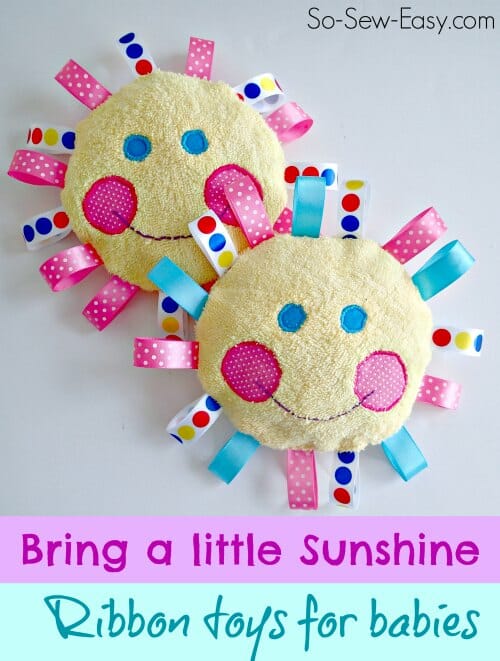
Credit: so-sew-easy.com
Selecting Patterns
Choosing the right patterns is crucial in sewing toys for babies. Simple designs ensure safety and ease of crafting. Consider using soft fabrics and bright colors to engage babies' senses.
Sewing toys for babies is a delightful journey that combines creativity with practicality. One of the most crucial steps in this process is selecting the right patterns. A well-chosen pattern can transform a simple piece of fabric into a cherished toy that becomes a baby's favorite. But how do you choose the perfect pattern for your sewing project?
Understanding The Basics
When selecting a pattern, start by considering the baby's age and safety. Patterns with small parts can be a choking hazard for infants. Opt for simple designs that focus on soft textures and larger pieces. Patterns that allow for easy cleaning are also a plus, as babies love to explore with their mouths.
Choosing Patterns That Spark Joy
Think about the colors and shapes that attract babies. Bold, contrasting colors and simple, recognizable shapes like stars or animals can be captivating. A personal story: my niece couldn't resist a brightly colored elephant toy I made her. It was the pattern's playful design that drew her in, proving how a good pattern can engage a child's curiosity.
Patterns That Grow With Your Baby
Consider patterns that evolve with your baby. Toys that can be adapted or expanded as your child grows offer lasting value. A fabric puzzle toy, for instance, can begin as a simple tactile experience and later become a learning tool for shapes and colors.
Customizing For Personal Touch
Adding personal touches to your patterns makes the toys unique. Think about including the baby's initials or a favorite motif. This personalization not only makes the toy special but can also be a wonderful keepsake.
Where To Find Inspiration
Patterns can be found in various places. Online platforms, sewing magazines, and baby stores often have a plethora of options. Joining sewing communities can also provide inspiration and advice from experienced creators. Have you ever wondered how a simple change in pattern can transform a toy's appeal? Experimenting with different patterns can lead to unexpected, delightful results. Dive into the world of patterns and discover the joy of creating toys that are not only fun but safe and engaging for the little ones.
Cutting Fabric Pieces
Creating baby toys involves several steps, and cutting fabric pieces is crucial. Each piece needs precision to ensure the toy's final shape is accurate. Properly cut fabric forms the foundation for a safe and appealing toy.
Choosing The Right Fabric
Select soft and durable fabric for baby toys. Cotton or fleece are excellent choices. They feel gentle on baby skin and withstand frequent washing. Avoid fabrics with loose fibers or irritants.
Gathering Essential Tools
Gather sharp scissors, fabric markers, and a cutting mat. A rotary cutter can also aid in precise cuts. These tools help maintain clean edges and consistent shapes.
Creating And Using Patterns
Use patterns to guide your fabric cutting. These templates ensure each piece fits perfectly. Patterns can be found online or created by hand. Trace patterns onto the fabric using a fabric marker.
Positioning Fabric Correctly
Place fabric on a flat surface before cutting. Ensure it is wrinkle-free. Lay patterns on the fabric with consideration for grain direction. This ensures proper stretch and fabric durability.
Cutting With Precision
Cut fabric along the traced lines using sharp scissors. Maintain steady hands for clean, smooth edges. Avoid jagged cuts which can lead to fraying. Precise cuts lead to easier sewing and assembly.

Credit: makingthingsisawesome.com
Stitching Techniques
Creating toys for babies can be a joyful and rewarding experience. Stitching techniques play a crucial role in ensuring these toys are safe and durable. Whether you're sewing a cuddly teddy bear or a soft doll, mastering the right stitches is essential. Proper stitching helps the toy withstand playful adventures and keeps it secure.
Basic Stitching Techniques
Basic stitching techniques form the foundation of toy-making. The running stitch is simple and useful for joining fabric pieces. It involves threading the needle in and out of the fabric evenly. This stitch helps secure seams and is easy for beginners.
Secure Stitching For Safety
Secure stitching ensures the toy remains intact during play. Use backstitch for stronger seams. It provides extra reinforcement by overlapping stitches. This technique is ideal for high-stress areas like limbs and joints.
Decorative Stitching For Style
Decorative stitching adds personality to toys. The blanket stitch gives edges a neat finish. It creates a visible border around fabric pieces. This stitch can enhance the toy's appearance, making it visually appealing.
Invisible Stitching For Seamless Look
Invisible stitching hides seams for a polished look. The ladder stitch closes openings discreetly. It helps blend fabric edges seamlessly. This technique is perfect for closing stuffed toys without visible stitches.
Hand Vs Machine Stitching
Both hand and machine stitching have their benefits. Hand stitching offers precision and control. It's ideal for detailed work and small areas. Machine stitching provides speed and uniformity. Suitable for larger projects and straight seams.
Stuffing And Filling
Crafting soft toys for babies involves selecting safe stuffing materials. Always choose hypoallergenic fillings for comfort. Ensure the filling is evenly distributed to maintain the toy's shape and softness.
Creating delightful toys for babies is a heartwarming craft that brings joy to both the maker and the little ones who play with them. A crucial part of this process is selecting the right stuffing and filling. This choice not only affects the toy’s texture and safety but also its durability and playability. You want the toy to be soft and huggable, yet resilient enough to withstand the loving embrace of tiny hands.
Understanding Different Types Of Stuffing Materials
Choosing the right stuffing material is a pivotal step. Cotton is soft and natural, making it a great option for sensitive skin. Polyester fiberfill is affordable and provides a nice, fluffy feel. Have you considered wool stuffing? It adds a cozy warmth that synthetic materials might lack.
Safety Considerations For Stuffing
Safety is paramount when crafting toys for babies. Ensure your chosen stuffing is non-toxic and hypoallergenic. You wouldn't want anything harmful near your precious baby, right? Check for small loose fibers that can pose a choking hazard.
Maintaining Shape And Structure
A well-stuffed toy maintains its shape through endless play. Use enough stuffing to give the toy a plump, full appearance. Understuffing can make it floppy and less appealing. A smart trick is to evenly distribute the filling to avoid lumps.
Personalizing With Unique Fillings
Adding unique fillings can make a toy more special. Consider using lavender or chamomile sachets for a soothing scent. Does your little one enjoy tactile experiences? Adding crinkly material inside can provide intriguing sensory feedback.
Ensuring Easy Cleaning
Babies are messy, and their toys often end up sticky or drool-covered. Opt for fillings that can withstand frequent washing. Polyester fiberfill is machine washable, making it easier to keep toys clean and fresh. Isn’t it comforting to know you can easily toss a toy into the wash without worrying?
Balancing Firmness And Softness
How do you achieve the perfect balance between firmness and softness? Too firm, and the toy might be uncomfortable; too soft, and it won’t hold its shape. Adjust the amount of stuffing to get the ideal squishiness that invites endless cuddles. Sewing toys for babies is not just about creativity; it involves thoughtful decisions that enhance the toy's safety and comfort. What are your favorite stuffing materials, and how do they impact your sewing creations?
Adding Details
Sewing toys for babies requires attention to detail. Choose soft fabrics and safe materials for comfort and safety. Adding details like embroidered eyes or colorful patches can enhance the toy's appeal.
Adding details to handmade toys for babies can transform a simple creation into a cherished keepsake. As you sew, the magic lies in the thoughtful touches—those little additions that bring personality and charm. Whether you're crafting a soft plush animal or a cuddly doll, the details make all the difference. Imagine your baby’s delight as they explore the toy, noticing the quirky smile or the jangly little bell. It's these moments that make your efforts truly rewarding.
Embroidering Features
Embroidery is a wonderful way to personalize toys. You can stitch eyes, mouths, or even little freckles, adding a unique character to each toy. Choose thread colors that stand out, and ensure stitches are secure to withstand baby’s curious fingers. Consider embroidering the toy’s name or a special message. A simple heart or star can become a delightful surprise for your little one. Do you remember the joy of discovering hidden features in your favorite childhood toy? Embroidering is not just about looks—it's about creating a bond between your baby and their toy.
Attaching Accessories
Accessories can elevate your handmade toy from cute to captivating. Think about adding elements like bows, hats, or scarves. These small additions can make a toy look more appealing and interesting. Use soft fabrics for accessories to ensure comfort for your baby. Secure each piece tightly, so they stay put during playtime. Perhaps you've seen how a tiny bow can make a toy look cheerful or how a little hat can create a playful personality. Ask yourself, what accessory would make your toy unique? Adding details is about creating a story. Each stitch and accessory adds depth to your creation, making it more than just a toy—it's a friend and a companion for your baby. So, what will you add to your next creation?
Finishing Touches
Explore the joy of sewing toys for babies by adding unique finishing touches. Personalize each toy with colorful threads and soft fabrics. Ensure safety and comfort with gentle stitching and smooth edges.
Creating toys for babies is a delightful endeavor. As you near the end of your project, the finishing touches can transform a simple toy into a cherished keepsake. It's where your creativity truly shines. These final steps are crucial in ensuring your handmade toy is both safe and appealing for little ones.
Secure All Seams
Make sure every seam is tightly stitched. Babies love tugging and chewing on their toys, so you want to ensure the toy can withstand their enthusiasm. Double-check your stitches, especially at the joints and ends. You don’t want any stuffing escaping or parts coming loose.
Add Embellishments With Caution
Consider adding embellishments like felt eyes or embroidered smiles. Keep safety in mind—avoid buttons or beads as they can be choking hazards. Instead, opt for sewn details that are securely attached. A cute face can make a toy more engaging without compromising safety.
Inspect For Safety
Ensure there are no sharp edges or small parts. Run your fingers over every surface to ensure smoothness. If you find any rough spots, gently sand them down or cover them with fabric. Safety is paramount, especially for toys intended for babies.
Personalize With Love
Adding a personal touch can make your toy special. Consider embroidering the baby's initials or a small heart. These small gestures can make the toy more meaningful. Reflect on what would make this toy unique for the little one you're crafting it for.
Perform A Durability Test
Test the toy's durability before handing it over. Tug on seams, squeeze it tightly, and check for resilience. Does it hold up well? If not, reinforce areas that need attention. Imagine how the toy might be used in play and ensure it can endure such scenarios.
Evaluate The Overall Aesthetic
Step back and assess the toy's appearance. Does it look appealing? Is it something you’d want to gift proudly? Sometimes, a small tweak can elevate the toy’s charm. Trust your instincts and make adjustments as needed.
Reflect On Your Crafting Journey
Think about the skills you've gained in sewing this toy. Did you encounter challenges that taught you new techniques? Celebrate what you’ve learned. Every stitch was a step in honing your craft. As you put the finishing touches on your handmade toy, ask yourself: What makes this toy special for the baby who will receive it?

Credit: cupcakecutie1.blogspot.com
Caring For Handmade Toys
Crafting handmade toys for babies involves simple sewing techniques and careful material selection. Soft fabrics and sturdy stitches ensure safety and durability. Personalized designs offer a unique touch, providing comfort and joy for little ones.
Caring for handmade toys is an essential step to ensure they remain safe and enjoyable for your little one. You've poured your love and creativity into sewing toys for babies, and now it's time to keep them in top condition. Just like any cherished item, these toys need special attention to maintain their charm and functionality.
Inspect Regularly For Wear And Tear
Take a moment to examine the toys. Look for loose threads, stuffing poking out, or any small parts that could become detached. A quick check every few weeks can save you from a potential hazard. Your baby's safety is a top priority, and catching these issues early ensures their toys are always safe to play with.
Gentle Cleaning Methods
Handmade toys often require a gentle touch during cleaning. Use a soft cloth and mild soap to wipe them down. Avoid harsh chemicals that might damage the fabric or irritate your baby's skin. Washing by hand can be a bonding activity—just imagine your child's delight when they see their favorite toy fresh and clean.
Safe Storage Solutions
How do you store these toys when not in use? Keep them in a dry, cool place away from direct sunlight. A dedicated toy box or shelf can keep them organized and prevent accidental damage. Proper storage not only prolongs the life of the toys but also teaches your child the importance of tidiness.
Repairing With Love
Don't despair if a toy gets damaged. Use your sewing skills to mend any rips or tears. Repairing toys can be rewarding—it’s a chance to add a personal touch with patches or embroidery. Wouldn't it be lovely to see a toy evolve with your baby's growth, reflecting the love and care you've put into it?
Creating A Maintenance Schedule
Consider setting a routine for inspecting and cleaning toys. Maybe every first Sunday of the month could be 'Toy Care Day'? This keeps the process manageable and ensures no toy is neglected. Plus, it creates a fun tradition that can involve your child, teaching them responsibility through play. Caring for handmade toys isn’t just about maintenance; it’s about preserving the joy they bring to your baby. Each stitch holds a story, and with a little effort, these toys can remain cherished keepsakes for years to come. Do you have any special methods for toy care? Share your insights and keep the conversation going!
Frequently Asked Questions
What Materials Are Best For Baby Toys?
Cotton fabric is ideal for baby toys due to its softness and safety. Choose hypoallergenic stuffing like polyester fiberfill. Avoid small parts like buttons to prevent choking hazards. Opt for non-toxic dyes and materials to ensure safety. Always prioritize washable materials for easy cleaning and maintenance.
How Do I Ensure Toy Safety For Babies?
Ensure toy safety by using non-toxic, hypoallergenic materials. Avoid small parts and secure seams tightly. Regularly inspect for wear and tear. Choose age-appropriate designs and adhere to safety standards. Always supervise playtime to prevent accidents and ensure the toy's durability and safety.
What Stitches Are Best For Sewing Baby Toys?
Use basic stitches like straight and zigzag for durability. Reinforce seams with backstitching to ensure sturdiness. Hand stitches like ladder or whip stitches are great for closing seams. Always double-check seams to prevent stuffing leaks, ensuring the toy remains safe for baby play.
Can Beginners Sew Toys For Babies?
Yes, beginners can sew toys for babies with simple patterns. Start with easy designs like stuffed animals or blocks. Use online tutorials for guidance. Practice basic stitches and gradually progress to more complex projects. With patience, even novices can create adorable, safe toys.
Conclusion
Sewing toys for babies is a delightful craft. It brings joy and creativity. Simple stitches can create cherished playthings. Soft fabrics ensure safety and comfort. Crafting toys at home offers personal touch. Each toy is unique and made with love.
This project is perfect for beginners. Practice makes your skills grow over time. Choose colorful materials to spark baby’s interest. Handmade toys create lasting memories. They can become family treasures. Enjoy each step of the sewing journey. Keep experimenting with designs and fabrics.
Babies will love your heartfelt creations. Sewing toys is rewarding for everyone involved.