

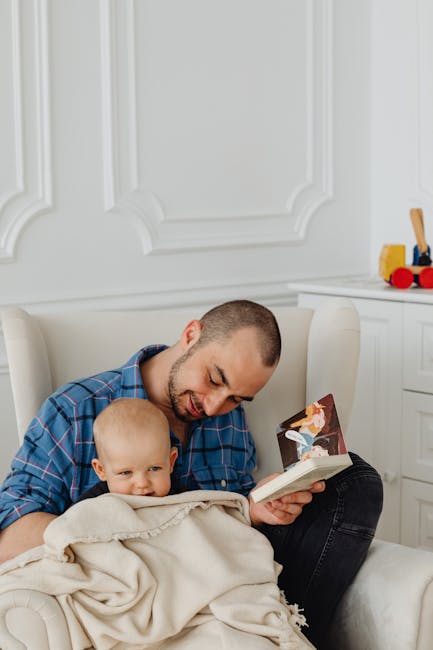

Have you ever looked at your baby’s outgrown clothes and felt a pang of nostalgia? Those little outfits hold precious memories, and the thought of parting with them can be tough.
What if you could transform those cherished clothes into something lasting and meaningful? Welcome to the delightful world of making soft toys from baby clothes. This creative journey not only allows you to keep those memories alive but also adds a personal touch to your child's toy collection.
Imagine the joy on your little one's face as they cuddle a toy made from their very first onesie or favorite romper. In this guide, you'll discover simple steps to turn those beloved garments into adorable soft toys, creating treasures that are both sentimental and sustainable. Ready to give those baby clothes a new life? Let’s get started!
Selecting Baby Clothes
Transforming baby clothes into soft toys offers a creative way to repurpose outgrown attire. Crafting cuddly toys from these clothes combines sentimentality with sustainability, ensuring cherished memories remain close. Use soft fabrics to create delightful keepsakes for little ones.
Selecting the right baby clothes for soft toys is an exciting task. It involves choosing items that bring joy and comfort. Old baby clothes hold memories and emotions. Transforming them into soft toys can be sentimental and fun. Let's explore how to select the perfect baby clothes for this creative project.
Choosing The Right Fabric
Fabric quality matters in making soft toys. Soft, durable materials work best. Cotton and flannel fabrics are popular choices. They feel gentle on the skin. Avoid fabrics with too much stretch. They can make the toy lose shape. Ensure the fabric is clean and free of stains.
Color And Pattern Considerations
Colors and patterns add personality to soft toys. Bright colors create cheerful toys. Pastel shades give a soft, calming effect. Patterns like stripes or dots add visual interest. Choose colors and patterns that match the toy's character. A colorful patchwork design can be charming too.

Credit: www.pinterest.com
Gathering Necessary Supplies
Start by collecting baby clothes with soft fabric. Ensure you have scissors, sewing needles, and thread ready. A pattern or template can guide cutting and assembling pieces into adorable soft toys.
Turning cherished baby clothes into soft toys is a delightful way to preserve memories. Before you dive into crafting, gather the necessary supplies to set yourself up for success. Imagine the joy of transforming your little one’s tiny outfits into cuddly companions. Let’s explore the essentials you’ll need to bring these toys to life.
Essential Tools And Materials
Start with a basic sewing kit. This should include needles, thread, scissors, and pins. If you have a sewing machine, it will speed up the process, but hand-sewing works just as well. You'll also need stuffing material. Polyester fiberfill is a popular choice because it’s soft and easy to find. However, consider using fabric scraps from the baby clothes for an eco-friendly option. Fabric markers or tailor's chalk are vital for outlining patterns. These tools help you cut accurately, ensuring your soft toys maintain their intended shape. Don’t forget safety eyes and noses. These are especially important if the toy is for a child, as they prevent choking hazards. Alternatively, you can embroider features for an even safer option.
Optional Embellishments
Think about adding ribbons or bows to personalize your creations. They add a whimsical touch and are simple to attach. Consider using buttons as embellishments. Choose ones that complement the fabric or have sentimental value, like those from a relative’s collection. Remember, for very young children, securely attach any small parts to avoid safety issues. Embroidery floss is great for adding intricate details. Use it to stitch names, dates, or cute patterns onto the toys. This adds a personal touch that makes the toy truly one-of-a-kind. Do you have some lace or trim lying around? These can be sewn onto the edges of the toy for a vintage or elegant look. They’re a fantastic way to use leftover materials creatively. Gathering the right supplies is the first step to crafting meaningful toys. Ready to create something beautiful? Dive in with these essentials and optional embellishments to make each toy a unique keepsake.
Designing Your Soft Toy
Transform cherished baby clothes into adorable soft toys. Start by selecting fabric pieces with special memories. Sew them together to create unique, cuddly companions.
Creating soft toys from baby clothes offers a beautiful way to preserve memories while crafting something meaningful. Designing your soft toy is where creativity truly blossoms. It's not just about sewing fabrics together; it's about infusing your unique touch into each piece. Whether you choose simple shapes or add playful features, this step allows your personal flair to shine.
Simple Shape Ideas
Start with basic shapes like circles, squares, or rectangles. These are easy for beginners and lend themselves well to soft toys. A simple teddy bear, a heart-shaped pillow, or a cute round bunny are great options. These shapes require minimal sewing and allow you to focus on the fun parts, like choosing colors and patterns from the baby clothes.
Customizing Features
Once you have your shape, think about adding features that make your toy unique. Consider sewing on buttons for eyes or using fabric scraps for ears and tails. Add small, personal touches like embroidered initials or a pocket with a special note. You might recall a time when your child loved a particular character—could you bring it to life in your soft toy?
As you design, ask yourself: What will make this toy special for you or your child? Every detail is an opportunity to create a cherished keepsake.
Cutting And Preparing Fabric
Transform cherished baby clothes into soft toys by cutting and preparing fabric with care. Use simple patterns to guide your creation. Ensure every piece is smooth and ready for sewing.
Creating soft toys from baby clothes is a delightful way to preserve memories while upcycling unused fabric. The process begins with cutting and preparing the fabric, a crucial step to ensure your final creation is both cuddly and durable. By focusing on precision and creativity, you transform cherished clothes into beloved toys.
Creating Patterns
First, decide on the shape and size of your toy. Simple shapes like bears, bunnies, or even hearts are great for beginners. You can draw your pattern on paper or print one from online resources. Adjust it to suit the size of your baby clothes. Patterns act as guides, ensuring consistency and symmetry. They're like the blueprint of your soft toy.
Cutting Techniques
Once your pattern is ready, pin it to the baby clothes to keep it stable. Sharp scissors or rotary cutters make precise cuts. Consider cutting two pieces of fabric for each section, so your toy has a front and back. This doubles the fun, allowing you to mix different textures or colors. Remember, cutting is more than separating fabric; it's about setting the stage for a charming toy.
As you cut and prepare the fabric, think about the memories attached to each piece of clothing. Does the fabric remind you of a special occasion? This emotional connection can make your creative process more meaningful. Are there certain patterns or colors you want to highlight in your toy? Your choices here will impact the toy's personality. Why not involve your kids in the process? They can help choose patterns or colors, making the toy more personal. By carefully preparing your fabric, you set the foundation for a soft toy that not only holds sentimental value but also becomes a cherished plaything.
Sewing Basics
Transform cherished baby clothes into adorable soft toys with basic sewing skills. Simple steps and easy techniques guide you through creating keepsakes. Enjoy crafting unique memories and gifts for your little ones.
Creating soft toys from baby clothes is a beautiful way to preserve memories while crafting something unique and heartfelt. As you embark on this creative journey, understanding the sewing basics is crucial. Whether you're a seasoned sewer or a complete novice, mastering a few essential techniques can make all the difference in bringing your cuddly creations to life.
Stitch Types
Choosing the right stitch type can significantly impact the durability and appearance of your soft toy. Start with the basic running stitch, perfect for seams that aren't under too much stress. It's quick and easy, allowing you to sew pieces together swiftly. If you're looking for something sturdier, opt for the backstitch. This stitch is stronger and ideal for areas that might endure more wear and tear, like joints or arms of a toy. Want to add a decorative touch? Try the blanket stitch. It's visually appealing and great for finishing edges that might otherwise fray.
Sewing Safety Tips
Safety should never be an afterthought, especially when you're crafting toys for little hands. Always ensure your sewing area is well-lit and free from distractions. Keep pins and needles in a secure container to prevent accidents. When working with scissors or rotary cutters, make sure they're sharp and used carefully. Consider using a thimble to protect your fingers from needle pricks. Before gifting your toy, double-check all seams and stitching to ensure there are no loose threads or small parts that could pose a choking hazard. Crafting soft toys from baby clothes is not just about the sewing; it's about the stories embedded in each stitch. As you sew, reflect on the moments each piece of fabric represents. What memories are you weaving into your creation?

Credit: www.pinterest.com
Stuffing And Assembling
Transform baby clothes into soft toys by carefully stuffing them with cotton or polyester filling. Securely sew the pieces together, ensuring every stitch holds tight. This process creates cherished keepsakes, merging memories with creativity.
Turning your baby's old clothes into soft toys is a unique and sentimental craft project. It’s not just a way to preserve memories; it’s also a practical method to reuse those tiny outfits. Once you've cut and sewn the fabric pieces, it's time to bring your creation to life through stuffing and assembling. This phase is essential because it determines how the toy will feel and look. Let's dive into the details.
Choosing The Right Stuffing
Your choice of stuffing can make or break the feel of your soft toy. Think about what you want your toy to be—fluffy, firm, or somewhere in between? Polyester fiberfill is a popular option. It’s affordable and easy to find at craft stores. If you're aiming for a plush, squishy feel, this is your go-to. You might consider using natural materials like cotton or wool. These are great for eco-friendly toys. They add a unique texture and warmth, though they can be a bit pricier. For a personalized touch, you could use scraps from other baby clothes. This adds sentimental value and helps keep your toy's shape.
Assembly Techniques
Now that you've chosen your stuffing, it’s time to assemble. How you stitch and secure the pieces will impact the toy's durability and appearance. Start by stuffing small amounts and gradually fill the toy. This approach helps avoid lumps and uneven stuffing. Use a ladder stitch or slip stitch to close the seams. These stitches are nearly invisible, giving your toy a polished look. As you assemble, pay attention to the toy's limbs and details. Adjust stuffing for areas that need more firmness or flexibility. Remember, patience is key. Take your time to ensure every part is filled to your liking. You’ll be rewarded with a toy that feels just right. --- Creating toys from baby clothes is not just a craft; it's an emotional journey. As you stuff and assemble, reflect on the memories each piece holds. What stories will your new toy carry forward?
Adding Finishing Touches
Adding finishing touches to your soft toy brings it to life. These small details can transform a simple piece into a cherished keepsake. With a few easy steps, you can enhance your toy's charm and character. Let's explore some ways to add these special touches.
Embroidering Details
Embroidering adds personality to your soft toy. Choose simple patterns for a sweet look. Use contrasting thread colors for striking details. Stitch eyes, smiles, or even tiny hearts. Each stitch adds a unique story to your creation.
Attaching Accessories
Accessories can make your toy unique. Sew on tiny bows or buttons for a playful vibe. Add ribbons or patches from your baby clothes for a personal touch. These accessories give your toy a memorable and distinctive flair.

Credit: www.youtube.com
Caring For Your Soft Toy
Soft toys made from baby clothes hold sentimental value. They bring back cherished memories. Proper care ensures they last longer. Keeping them clean and intact is essential. Let's explore ways to maintain these precious creations.
Cleaning Tips
Regular cleaning keeps your soft toy fresh. Use gentle soap and warm water. Hand wash to protect delicate fabrics. Avoid harsh chemicals. Rinse thoroughly to remove soap residue. Allow the toy to air dry. Keep it away from direct sunlight. This prevents fading and damage.
Repairing Wear And Tear
Soft toys may show signs of wear over time. Loose seams or small tears can appear. Simple sewing repairs can fix these issues. Use a needle and thread to reinforce seams. Patch holes with matching fabric. For stubborn stains, try spot cleaning. Handle with care to preserve its original charm.
Frequently Asked Questions
What Materials Do I Need For Soft Toys?
To make soft toys, you'll need baby clothes, scissors, needle, thread, and stuffing. You may also use embellishments like buttons or fabric paint for decoration. Ensure the materials are safe and non-toxic, especially if the toy is for a child.
Can Beginners Make Soft Toys From Clothes?
Yes, beginners can make soft toys from baby clothes. Start with simple designs and follow step-by-step tutorials. Choose easy patterns and practice basic sewing techniques. With patience and creativity, you can create adorable toys, even with little experience.
How Do I Choose The Right Baby Clothes?
Select baby clothes that are soft, clean, and in good condition. Cotton or fleece materials work best for soft toys. Avoid clothes with stains or heavy embellishments. Choosing clothes with sentimental value can add a personal touch to the toy.
How Long Does It Take To Make One Toy?
The time to make a soft toy varies based on complexity and skill level. For beginners, a simple design can take 2-4 hours. As you gain experience, the process becomes quicker. Planning and preparation can help streamline the crafting process.
Conclusion
Creating soft toys from baby clothes is a heartwarming activity. It gives cherished memories a new life. You learn to craft with love and creativity. Each toy holds special stories and smiles. Follow the simple steps, and you transform fabric into joy.
Old baby clothes become timeless keepsakes. Enjoy the process and embrace your crafting journey. Share your creations with family and friends. Inspire others to try this meaningful craft. Making soft toys is a rewarding experience. It connects past memories with future smiles.
Dive into this craft and let your imagination soar. Happy crafting!