

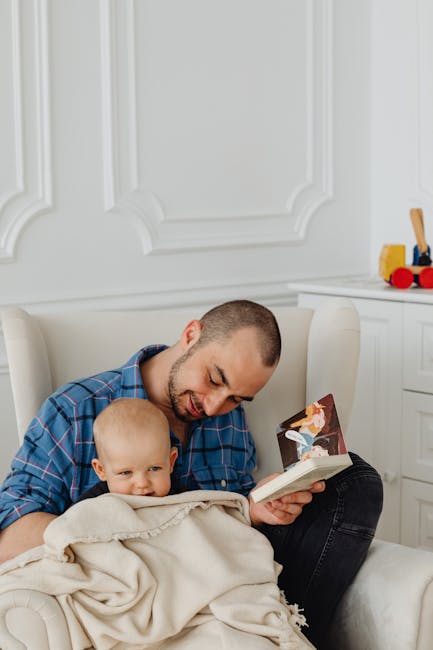
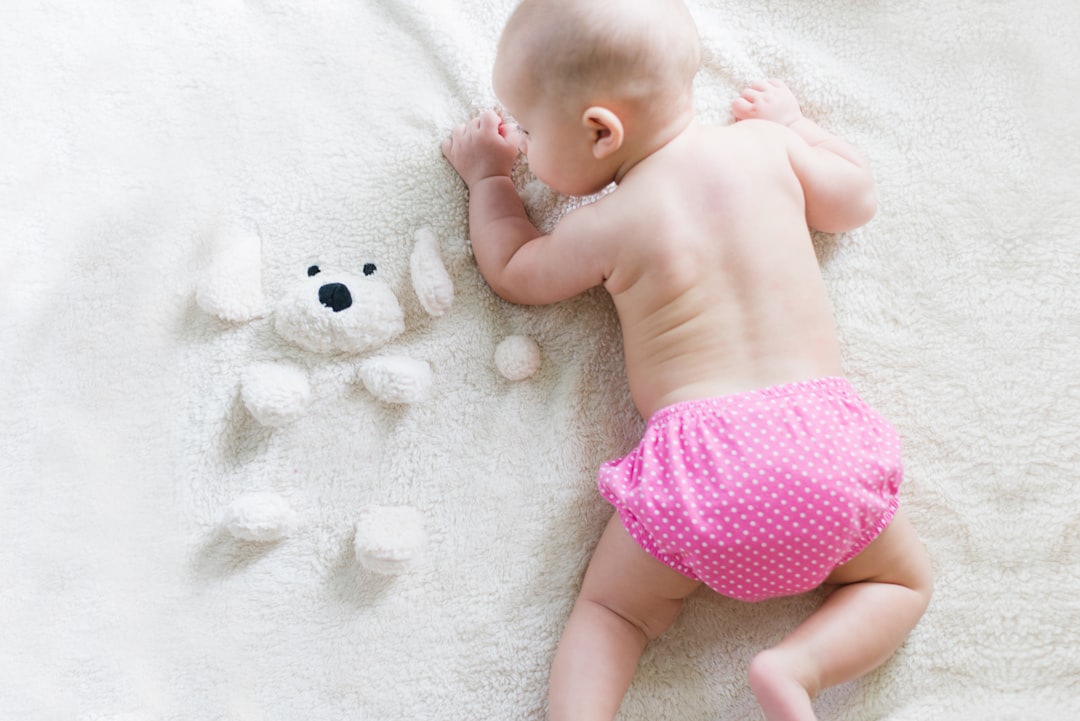
Have you ever wondered about that irresistibly soft, fuzzy fabric on your baby's favorite toys? It's the kind of material that invites tiny hands to reach out, touch, and explore.
This fabric doesn't just feel good; it's designed to offer comfort and safety, creating a soothing experience for your little one. But what exactly is it, and why is it so perfect for baby toys? Understanding this can help you make informed choices, ensuring your child’s playtime is both enjoyable and safe.
Stick around to discover why this fabric is a must-have in your baby's toy collection and how it plays a crucial role in your child's development.
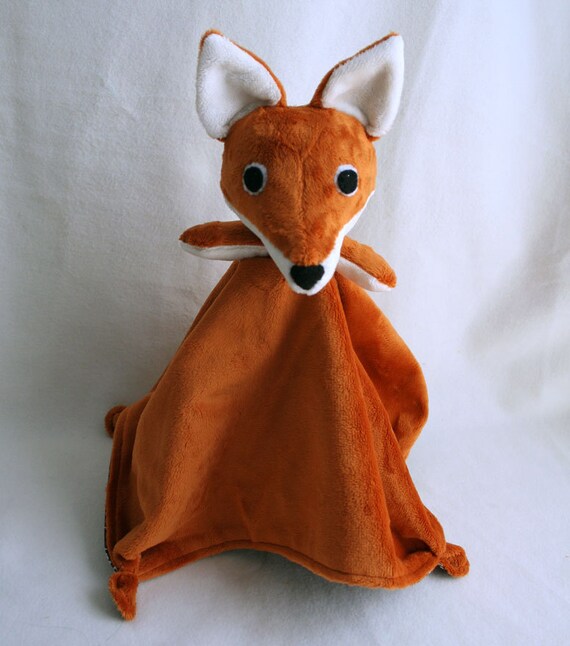
Credit: www.etsy.com
Origins Of Fuzzy Fabric
The fuzzy fabric on baby toys is beloved by both children and parents. Its soft texture provides comfort and safety. But where does this material come from? Understanding the origins of fuzzy fabric gives insight into its popularity. Let's explore its historical roots and early uses in toys.
Historical Development
Fuzzy fabric has a long history. Its origins trace back to ancient civilizations. Early fabrics were made from natural fibers. Wool and cotton were common choices. Over time, people learned to weave and knit these fibers into soft textiles. By the 19th century, industrial advancements improved fabric production. Factories could now produce more fabric at a lower cost. This made fuzzy materials accessible to many. Synthetic fibers emerged in the 20th century. These fibers mimicked the softness of natural ones. Polyester and acrylic became popular choices for fuzzy fabrics.
Early Uses In Toys
Toys have always been a part of childhood. Early toys often used simple materials. Wood and metal were common. But children needed soft toys too. Dolls and stuffed animals appeared in the 19th century. These toys used fuzzy fabrics for their softness. Teddy bears became iconic examples. The first teddy bear appeared in the early 1900s. It featured soft, plush fabric. This made it cuddly and comforting for children. The appeal of fuzzy fabric in toys grew over time. It became a staple in toy design. Today, it remains a favorite choice for baby toys.
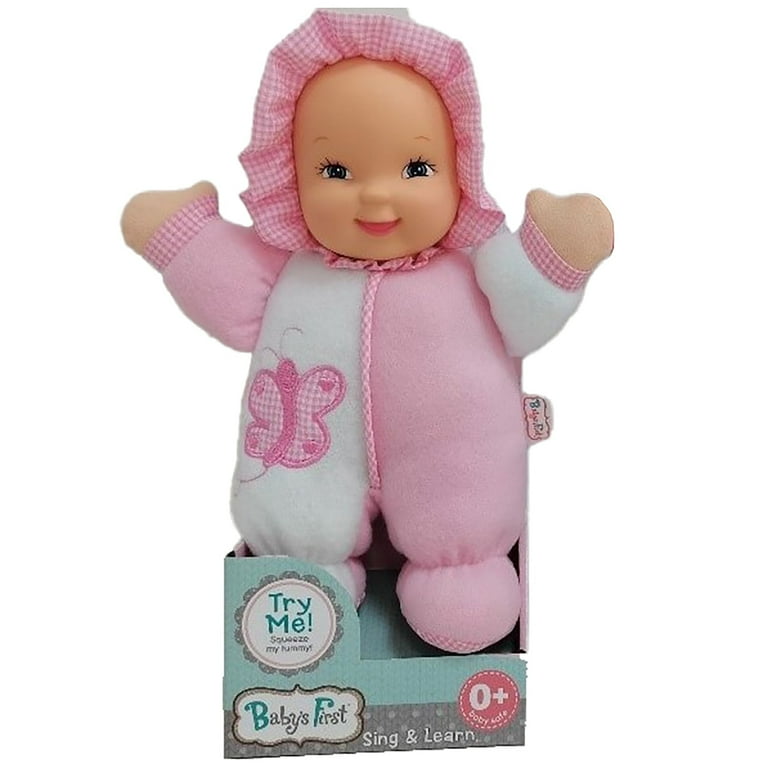
Credit: www.walmart.com
Materials In Fuzzy Fabric
Fuzzy fabric on baby toys often features soft, plush materials like polyester or cotton blends. These textiles provide comfort and warmth, ideal for delicate skin. Various textures and colors make them visually appealing, enhancing sensory experiences for little ones.
When you hold a soft, fuzzy baby toy, you might wonder what makes it so cuddly and inviting. The secret lies in the materials used to create the fuzzy fabric. These materials are chosen carefully to ensure comfort, safety, and durability for your little one. Let's dive into the world of fuzzy fabric and explore the magic behind these materials.
Common Fibers
The fibers used in fuzzy fabrics are often synthetic, such as polyester or acrylic. These fibers are popular due to their durability and easy maintenance. Polyester, for instance, is known for its resilience and ability to withstand frequent washing, making it ideal for baby toys. Acrylic fibers bring a soft texture that mimics natural materials like wool, providing that cozy feel babies love. But it's not just about synthetics. Natural fibers like cotton can also be found in fuzzy fabrics. Cotton is breathable and gentle on sensitive skin, ensuring that your baby's toy remains comfortable during playtime. So next time you choose a baby toy, consider which fibers might suit your needs best.
Manufacturing Techniques
Creating fuzzy fabrics involves specific techniques that enhance their softness and texture. One common method is 'brushing.' This process lifts the fibers and gives them a fluffy appearance. It’s like running a gentle comb through the fabric, adding that irresistible plush feel. Another technique involves 'napping,' where the fabric is passed through rollers to raise the surface fibers. This method enhances the fabric's warmth and softness, making it even more appealing for baby toys. Have you ever wondered why some toys feel warmer than others? It could be the napping process at work. Choosing toys with well-crafted fuzzy fabrics means knowing they were created with care and precision. As you explore baby toys, consider how these manufacturing techniques contribute to the comfort and joy they bring to your child.
Benefits Of Soft Fabrics
Soft fabrics on baby toys offer comfort and safety. These fuzzy materials are gentle on delicate skin, reducing irritation. Babies love their warmth and soothing touch, making playtime more enjoyable.
Soft fabrics on baby toys are more than just a cute feature; they offer a multitude of benefits for both parents and their little ones. From enhancing comfort to ensuring safety, these materials play a crucial role in your baby's development. Have you ever thought about why your baby’s favorite toy is often the softest one? Let's dive into some of the advantages of these fuzzy materials.
Safety Features
Soft fabrics are an excellent choice for baby toys because they minimize the risk of injury. Unlike hard or sharp materials, soft textiles prevent accidents like bumps or bruises. This means you can feel at ease when your baby plays and explores. Moreover, many soft fabrics used in baby toys are non-toxic and hypoallergenic. They are carefully chosen to ensure your baby's delicate skin remains irritation-free. Knowing this, you can trust that these toys are safe for all-day cuddles and play.
Comfort For Babies
Soft fabrics provide a soothing touch that babies find comforting. The gentle texture often mimics the warmth and security of a parent's embrace, making nap times a breeze. Picture your baby snuggling with a plush toy, drifting into peaceful sleep. These materials also aid in sensory development. The tactile experience of varying textures helps stimulate your baby’s senses. As your baby learns to grasp and explore, these toys become more than just playthings—they become tools for growth. When selecting a toy, consider how it feels to the touch. Is it inviting and soft? Does it offer a variety of textures? These simple considerations can make a big difference in your baby’s playtime experience. Incorporating soft fabrics into your baby's toy collection is a decision that brings comfort, safety, and developmental benefits. Next time you choose a toy, remember the magic of that fuzzy fabric. What will you pick for your little one today?
Popular Types Of Fuzzy Fabrics
Curious about the fuzzy fabric on baby toys? These toys often use soft materials like fleece, chenille, or minky. Each offers a cuddly texture, perfect for comforting little ones.
When you pick up a baby toy, the comforting softness often comes from its fuzzy fabric. These materials are chosen not just for their gentle touch but also for their durability and safety. Let's dive into some popular types of fuzzy fabrics you might find on baby toys.
Plush
Plush fabric is the king of softness. It feels like a gentle hug, making it perfect for toys meant to be cuddled. This fabric is made from polyester, which ensures it's durable and easy to clean. Imagine your child’s favorite teddy bear. Its plush exterior is what makes it so endearing. Easy to wash, plush fabric keeps toys looking new even after countless hugs and drool moments.
Velour
Velour is another popular choice that combines softness with a slight stretch. This fabric is often compared to velvet, but it's more flexible and forgiving. If you've ever seen a small animal toy that seems to have a slight sheen, that's likely velour. Its gentle texture is perfect for toys that require a bit of give, offering comfort for tiny hands to squeeze.
Fleece
Fleece is known for its warmth and softness. It’s a bit thicker than plush and velour, making it a favorite for toys designed for colder climates. Think of a fleece-lined toy blanket that feels like a warm embrace. Fleece is also moisture-wicking, ensuring your baby's toy stays dry and snug. Plus, it's lightweight, making it easy for babies to carry their favorite snuggle buddy around. Have you ever noticed how your baby gravitates towards certain toys over others? The feel of the fabric might just be the secret. Understanding these materials can help you choose toys that not only last but also provide the utmost comfort. Which fabric do you think your little one would love the most?
Cleaning And Maintenance
Fuzzy fabric on baby toys can be a magnet for dirt. Regular cleaning keeps them fresh and safe for little ones. Proper maintenance extends the toy's lifespan and ensures continued enjoyment.
Washing Guidelines
Check the toy's label for washing instructions. Most fuzzy fabrics are machine washable. Use cold water and a gentle cycle to avoid damage. Place the toy in a mesh laundry bag for extra protection.
Air dry the toy instead of using a dryer. High heat can ruin the fabric. A gentle spin can help remove excess water. If machine washing isn't an option, spot clean with mild soap and water.
Preserving Fabric Quality
Minimize washing to preserve the fabric's softness. Frequent washing can wear down fibers. Brush the fabric gently after cleaning to maintain its texture.
Store toys in a dry, cool place. Avoid direct sunlight to prevent fading. Rotate toys regularly to reduce wear and tear on individual items. Proper care ensures fuzzy toys remain cuddly and soft.
Choosing The Right Toy Fabric
Soft, fuzzy fabrics on baby toys often include materials like plush, fleece, or velour. These materials provide comfort and safety for little ones. They are gentle on sensitive skin and easy to clean, making them ideal for babies.
Choosing the right fabric for baby toys is crucial. Not only does it affect the toy's safety, but it also impacts your baby's comfort and sensory development. You want something soft, durable, and easy to clean. But what makes a fabric ideal for baby toys? Let's dive into some key considerations and recommendations.
Factors To Consider
When selecting toy fabric, safety is your top priority. Ensure it's free from harmful chemicals. Check labels for certifications like OEKO-TEX, which guarantees the absence of harmful substances. Durability is another important factor. Babies tend to chew, tug, and throw toys. Choose fabrics that can withstand this rough treatment. Cotton and polyester blends often offer resilience without compromising softness. Consider ease of cleaning. Babies and messes go hand-in-hand. Choose fabrics that are machine washable. This saves time and ensures toys remain hygienic. Think about sensory stimulation. Fabrics with different textures can enhance your baby's sensory development. Soft velour or ribbed cotton can provide varied tactile experiences. Lastly, take into account any allergies or sensitivities your baby might have. Opt for hypoallergenic fabrics to prevent irritation.
Top Recommendations
Organic cotton is a favorite among parents. It's soft, breathable, and free from harmful chemicals. Plus, it’s gentle on sensitive skin. Bamboo fabric is another excellent choice. It's naturally antibacterial and incredibly soft, making it perfect for teething babies. Velour is a plush option that adds a touch of luxury to baby toys. Its softness can be soothing during nap times. Fleece is durable and easy to wash. It’s an ideal choice for toys that will see a lot of action. Polyester blends offer a balance between durability and softness. These fabrics are often used in toys that need to be robust yet comforting. When choosing fabric for baby toys, think beyond just the color or pattern. Consider how it will impact your baby's well-being and playtime experience. What fabric characteristics matter most to you?
Environmental Impact
Baby toys often feature fuzzy fabrics for their soft texture. These fabrics can impact the environment. Many are made from synthetic materials. These can take years to break down in landfills. Understanding the environmental impact of these fabrics is crucial. It helps make better choices for our planet and our children.
Sustainable Options
Sustainable fabrics are gaining popularity in baby toys. They use organic cotton and bamboo. These materials are biodegradable. They cause less harm to the environment. Such choices reduce waste and pollution. Parents can feel good about their impact. Eco-friendly toys are gentle on both babies and the Earth.
Recycling Practices
Recycling helps manage waste from fuzzy fabrics. Some manufacturers use recycled materials in toys. This reduces the need for new resources. Recycling also cuts down on landfill waste. It is important to check if toys are recyclable. Proper disposal ensures less harm to nature. Parents can teach kids the value of recycling. This practice nurtures eco-conscious behaviors.
Credit: www.junioredition.com
Frequently Asked Questions
What Is The Fuzzy Fabric On Baby Toys Called?
The fuzzy fabric on baby toys is often referred to as fleece or plush. These materials are soft and gentle, making them perfect for babies' sensitive skin. Fleece and plush fabrics provide comfort and warmth, which is why they are commonly used in baby toys.
Why Is Fuzzy Fabric Used In Baby Toys?
Fuzzy fabric is used in baby toys because it is soft and comforting. This material is gentle on a baby's delicate skin, reducing the risk of irritation. Additionally, the texture is engaging for babies, helping in sensory development through touch and feel.
Are Fuzzy Fabrics Safe For Babies?
Yes, fuzzy fabrics like fleece and plush are generally safe for babies. They are hypoallergenic and designed to be gentle on sensitive skin. However, it's essential to ensure the toys are free from small parts and certified safe by safety standards to avoid choking hazards.
How Do You Clean Fuzzy Baby Toys?
To clean fuzzy baby toys, gently hand wash them with mild soap and water. Rinse thoroughly to remove all soap residues. Alternatively, you can machine wash them in a gentle cycle. Always check the toy's label for specific cleaning instructions to maintain its texture and quality.
Conclusion
Fuzzy fabrics on baby toys offer warmth and comfort. Parents love the soft touch. Babies feel secure and happy. These fabrics are easy to clean. They are safe for delicate skin. Choose toys with high-quality, durable fabrics. They last longer and maintain their softness.
Fuzzy toys become a favorite for many children. They encourage sensory exploration. Children enjoy different textures and colors. Remember to check for loose threads or small parts. Safety first. Fuzzy fabrics are a perfect choice for baby toys. They provide endless cuddles and joy.