
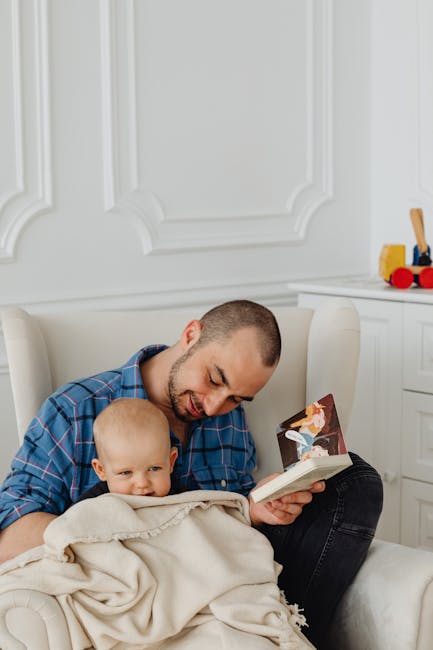
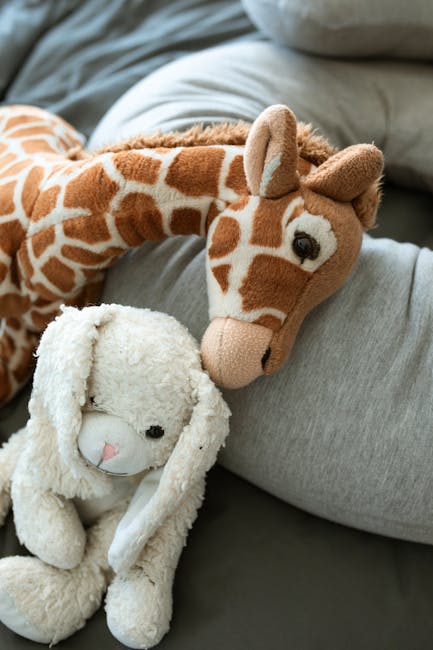
As a parent, you want nothing but the best for your little one, and that includes ensuring their toys are clean and safe. Those adorable soft toys provide comfort, companionship, and endless hours of play.
But did you know they can also harbor germs and allergens? Imagine the peace of mind you'll feel knowing your baby's favorite toys are not just cuddly, but also hygienic. In this guide, you'll discover simple, effective ways to disinfect baby soft toys, ensuring they remain a safe haven for snuggles and play.
Keep reading to uncover tips that are as gentle on your baby as they are on your time and energy.

Credit: www.reddit.com
Importance Of Cleaning Baby Toys
Cleaning baby toys is vital for your child's health and safety. Babies explore the world with their hands and mouths. Soft toys can harbor germs, dust, and allergens. Regular cleaning reduces exposure to harmful bacteria. It also prolongs the toy's life, keeping it fresh and inviting.
Why Germs Accumulate On Toys
Baby toys often come into contact with saliva, food, and dirt. Babies frequently drop toys on the floor. This invites germs and bacteria to settle on them. Soft toys, with their fabric material, can absorb these contaminants easily.
Risks Of Unclean Toys
Dirty toys can lead to infections and allergies. Babies have developing immune systems, making them vulnerable. Germs can cause colds, flu, or stomach bugs. Dust and allergens can trigger skin or respiratory reactions.
Enhancing Playtime Safety
Clean toys mean safer playtime for babies. It ensures they interact with healthy items. Parents can feel confident about their baby's environment. A clean toy is a happy toy, promoting joyful play.
Protecting Baby's Health
Disinfecting toys shields babies from harmful microbes. It supports their growth in a clean space. Parents contribute to a healthier lifestyle for their child. Regular cleaning is a simple yet effective step.
When To Clean Baby Soft Toys
Baby soft toys are cherished companions for little ones. They provide comfort, entertainment, and are part of many magical moments. But these beloved toys can gather dirt, germs, and odors over time. Cleaning them is important to ensure your baby's safety and hygiene. Knowing when to clean these toys helps maintain a healthy environment.
How Often Should You Clean Baby Soft Toys?
Clean baby soft toys regularly to keep them safe. Babies often put toys in their mouths. This increases exposure to germs. Washing toys once a week is a good practice. Consider cleaning them more often if your baby has a cold. Regular cleaning prevents the buildup of dirt and bacteria.
Signs That Baby Soft Toys Need Cleaning
Observe toys for visible dirt or stains. Toys may have an unpleasant odor. This indicates a need for cleaning. Another sign is sticky or greasy spots on toys. These can harbor germs. If the toy has been dropped outside, clean it immediately. Ensuring cleanliness keeps your baby healthy.
Cleaning After Play Dates Or Gatherings
Wash toys after play dates. Many hands touch toys during gatherings. This increases germ transfer. Clean toys after visits from other children. This reduces the risk of spreading germs. Keeping toys clean after social events is essential.
Cleaning Toys After Illness
Disinfect toys after your baby recovers from illness. Germs linger on toys. Cleaning prevents reinfection. Wash toys used during sickness thoroughly. Consider using a disinfectant safe for babies. This ensures toys are germ-free and safe.
Materials Needed For Disinfection
Keeping baby soft toys clean is essential. Germs can easily build up, posing risks to your child's health. Proper disinfection ensures toys are safe for play. Gathering the right materials makes the process easier and more efficient. Let's explore what you need.
1. Mild Detergent
Mild detergent helps remove dirt and germs. Choose one safe for baby's skin.
2. Warm Water
Warm water aids in dissolving detergent. It helps kill bacteria effectively.
3. Soft Cloth Or Sponge
Use a soft cloth or sponge for gentle scrubbing. Avoid harsh materials that might damage the toy.
4. Disinfectant Spray
Disinfectant spray eliminates germs quickly. Ensure it's non-toxic and safe for children.
5. White Vinegar
White vinegar is a natural disinfectant. It's safe and effective for cleaning toys.
6. Baking Soda
Baking soda removes odors. It leaves toys smelling fresh and clean.
7. Towel Or Drying Rack
A towel or drying rack is needed for drying. Ensure toys dry completely to prevent mold.
Credit: mybtoys.com
Washing Machine Method
Disinfecting baby soft toys using the washing machine is simple and effective. Place toys in a mesh laundry bag, select a gentle cycle, and use mild detergent. Air dry thoroughly to ensure cleanliness and safety for your little one.
Cleaning your baby's soft toys can be a daunting task, especially when you worry about maintaining their softness and safety. The Washing Machine Method offers a convenient and effective way to ensure these toys are hygienically clean. This method saves time and effort, making it ideal for busy parents. Imagine placing a load of toys in the machine and letting it do all the work while you spend more quality time with your little one.
Suitable Toys For Machine Wash
Not all soft toys are machine washable. Look for toys with no electronic parts or delicate embellishments. Most plush toys with secure stitching and no loose parts are perfect candidates. Always check the care label; it’s your best guide to determine if a toy can handle the wash cycle. Toys made of durable fabric like cotton or polyester usually withstand the washing machine's spin.
Steps For Machine Washing
Preparation is key. Start by placing the toys inside a mesh laundry bag. This protects them from tangling or snagging during the wash. Use a gentle detergent, one that's free from harsh chemicals to prevent skin irritation. Select a delicate or gentle cycle with cold water. Hot water might cause shrinkage or damage the fabric. Adding a few towels to the load can help balance the machine and provide extra cushioning. Once the cycle is complete, air drying is best to maintain the toy’s shape and softness. Avoid using the dryer as it can cause fabric to shrink or lose its plush feel. Instead, lay the toys flat on a clean towel and reshape them if needed. Have you ever thought about the hidden germs in your child's favorite teddy bear? Regularly washing these toys not only keeps them clean but also helps in reducing allergens. It’s a simple step that can make a big difference in your baby’s health.
Hand Washing Technique
Disinfecting baby soft toys requires gentle hand washing. Use mild soap and warm water. Scrub toys lightly, ensuring thorough cleaning. Rinse well to remove soap residue. Dry completely before giving back to your baby. Regular cleaning maintains hygiene and safety.
Hand washing baby soft toys is a gentle cleaning method. This technique preserves the softness and vibrancy of the toys. It’s essential to use mild soap and warm water. This ensures effective removal of germs without harming the material.
Preparing Soap Solution
Start with lukewarm water in a bowl. Add a small amount of baby-safe soap. Stir until the soap dissolves completely. Avoid harsh detergents to protect the toy’s fabric. Ensure the solution is mild for delicate fibers.
Cleaning Process
Immerse the toy into the soap solution. Gently rub the surface with your fingers. Focus on stained areas for better cleaning. Rinse thoroughly with clean water. Press gently to remove excess water. Let the toy air dry in a sunny spot.
Using Natural Disinfectants
As parents, we often worry about the germs lurking on our baby's soft toys. However, harsh chemicals aren't the only solution. Using natural disinfectants can be just as effective, and they're safer for your little one and the environment. Let's explore some easy-to-use, natural methods to disinfect those beloved stuffed animals.
Vinegar Solution
Vinegar is a fantastic natural disinfectant. It's something you might already have in your kitchen.
To make a vinegar solution, mix equal parts of white vinegar and water in a spray bottle. Spray the solution generously onto the toy, ensuring all areas are covered. Leave it to sit for about 10 minutes before wiping it with a damp cloth.
You might wonder about the smell. Don't worry, the vinegar scent fades as it dries. Your baby's toy will be fresh and clean without harsh chemicals.
Baking Soda Paste
Baking soda isn't just for baking. It's an excellent cleaner and deodorizer.
To create a paste, mix baking soda with a bit of water until it forms a thick consistency. Apply the paste to the toy using a soft brush or cloth. Gently scrub the toy, focusing on any stained areas.
Once you're done, rinse the toy thoroughly with water. This method not only cleans but also eliminates odors, leaving the toy smelling fresh.
Have you tried these methods before? You'll be amazed at how effective simple household items can be. Knowing your baby's toys are safe makes playtime even more enjoyable!
Uv Light Sterilization
Keeping baby toys clean is crucial for their health. UV light sterilization is an effective method. It kills germs without using chemicals. This method is safe and easy. It's perfect for sensitive baby items. UV light technology is also fast and efficient.
Benefits Of Uv Light
UV light kills up to 99.9% of germs. This includes bacteria and viruses. It doesn't require water or heat. This means no damage to soft toys. UV light sterilization is also eco-friendly. It reduces the need for disposable wipes. This saves money and the environment. It's a quick process that takes only a few minutes. This is helpful for busy parents.
How To Use Uv Devices
First, choose a UV device suitable for soft toys. Ensure it has a safety certification. Next, place the toy inside the device. Follow the manufacturer's instructions carefully. Turn on the device and let it work. Most devices have an automatic timer. This ensures safe and effective sterilization. After use, store the device in a safe place. Keep it out of children's reach. Regular cleaning of the device is important. This ensures it works efficiently.
Credit: www.reddit.com
Drying And Storing Clean Toys
Gently wash baby soft toys using mild soap and water. Rinse thoroughly to remove soap residue. To dry, place them in a sunny spot or use a low-heat dryer setting. Store clean toys in a dry, dust-free place to keep them fresh and ready for play.
Drying and storing your baby's soft toys properly is crucial to keep them fresh and safe. After disinfecting, toys need to be dried thoroughly to prevent mold and bacteria growth. Storing them correctly ensures they're ready for playtime whenever your baby wants. Let's dive into how you can efficiently dry and store clean toys.
Air Drying Tips
Air drying is a gentle method ideal for maintaining toy integrity. Spread toys out in a single layer on a clean towel. Ensure they have ample space and aren't stacked. This helps airflow reach all sides. Choose a well-ventilated area, preferably with natural sunlight. Sunlight not only speeds up drying but can also act as a natural disinfectant. Avoid damp places like the bathroom, which can counteract your cleaning efforts. Do a touch test after a few hours. Ensure the toys are completely dry before storing. Moisture can lead to unpleasant odors or mold, which you definitely want to avoid.
Proper Storage Practices
Once your toys are dry, storing them properly ensures they're safe for your baby. Use storage bins or baskets that allow airflow. Closed containers can trap moisture, causing mildew. Designate a specific area in your home for toy storage. Keep it tidy and organized, making it easy for you to grab toys during playtime. This helps maintain a clean environment and reduces clutter. Consider the accessibility for your child. While safety is paramount, allowing your baby to reach their toys builds independence. Use lower shelves or bins within their reach, but ensure everything is stable and secure. Have you ever thought about how storage impacts your child's play? Proper storage not only keeps toys clean but also encourages a sense of responsibility and care in your child. How do you plan to organize your toy storage to make playtime smooth and safe?
Safety Tips For Disinfecting Toys
Disinfecting baby soft toys keeps them safe and clean. Germs and bacteria often cling to toys. Proper cleaning methods protect your child from illness. Using the right techniques ensures toys stay in good condition.
Use Child-safe Products
Always choose child-safe cleaning products. Avoid harsh chemicals. Check product labels for safety information. Mild soap and water usually work well. Vinegar is a natural option. It's effective and safe for most toys.
Test Small Areas First
Before using a cleaner, test it on a small area. This helps avoid damage. Some toys are sensitive to certain solutions. Testing ensures the toy's fabric won't discolor.
Check For Machine Washability
Many soft toys are machine washable. Check the toy's label for washing instructions. Use a gentle cycle and mild detergent. Avoid high temperatures which can harm the toy.
Ensure Proper Drying
After washing, dry toys thoroughly. Damp toys can harbor mold. Air drying is best for most toys. Ensure the toy is completely dry before giving it back to your child.
Inspect For Wear And Tear
Regularly inspect toys for damage. Look for loose parts or stitching. Damaged toys can pose choking hazards. Repair or replace damaged toys promptly.
Establish A Cleaning Routine
Set a regular schedule for disinfecting toys. Weekly cleaning keeps germs at bay. Consistency is key for maintaining toy hygiene.
Common Mistakes To Avoid
Disinfecting baby soft toys is essential for keeping them clean and safe. Mistakes can compromise toy hygiene and your baby's health. Knowing common errors helps avoid them, ensuring toys stay germ-free.
Using Harsh Chemicals
Many parents choose strong cleaners for soft toys. These chemicals can damage toys and irritate sensitive skin. Opt for gentle, natural products instead.
Ignoring Fabric Care Instructions
Every toy has specific care guidelines. Ignoring these can ruin toys. Always check labels before cleaning. Follow instructions for best results.
Not Drying Properly
Wet toys invite mold and bacteria. Proper drying is crucial. Ensure toys are completely dry before storing. Air drying is often the safest method.
Overusing The Washing Machine
Frequent machine washes can wear out toys. Hand washing is gentler and often sufficient. This helps maintain toy quality longer.
Skipping Regular Cleaning
Cleaning toys only when dirty is a mistake. Regular cleaning prevents dirt buildup. Set a routine to keep toys consistently clean.
Frequently Asked Questions
How To Clean Baby Soft Toys Safely?
Cleaning baby soft toys safely involves using mild soap and warm water. Gently scrub the surface to remove dirt. Rinse thoroughly and air dry completely. Avoid harsh chemicals, which can irritate sensitive skin. Always check the toy's label for specific cleaning instructions to ensure safety.
Can You Sanitize Plush Toys In A Washing Machine?
Yes, plush toys can be sanitized in a washing machine. Use a gentle cycle with mild detergent. Place the toy in a mesh laundry bag to protect it. Ensure it is thoroughly dried afterward to prevent mold. Always check the label for washing instructions before proceeding.
What Is The Best Way To Disinfect Stuffed Animals?
The best way to disinfect stuffed animals is spot cleaning with disinfectant wipes. Ensure the wipes are safe for fabrics and non-toxic. For deeper cleaning, use a washing machine with gentle detergent. Air dry completely. Regular cleaning maintains hygiene without damaging the toy.
Is It Safe To Use Bleach On Baby Toys?
Using bleach on baby toys is generally not recommended. Bleach can be harsh and cause irritation. Opt for non-toxic disinfectants and gentle cleaning methods. Always prioritize products safe for children's items. Check labels for cleaning guidelines to avoid damaging the toys.
Conclusion
Cleaning baby soft toys keeps them safe and hygienic. Regular cleaning prevents germs. Use gentle methods like handwashing or machine washing. Check labels for safe cleaning instructions. Air dry toys thoroughly to avoid mold. Disinfecting wipes are good for quick cleanups.
Prioritize your baby's health with clean toys. Simple steps lead to safer play. Keep toys fresh for your little one’s enjoyment. A clean toy is a happy toy. Follow these tips for peace of mind. Your baby deserves the best care.
Stay mindful and maintain a clean play environment.