

Imagine your little one exploring their surroundings, their eyes wide with curiosity. You want to give them the best start, and you wonder if educational toys can make a difference.
Do these colorful, interactive playthings truly matter in your child's early development? Or are they just another marketing gimmick? As a parent, you want to make informed choices, especially when it comes to nurturing your baby's growing mind. You'll discover the surprising impact educational toys can have on your child's learning journey.
You'll learn how these toys can stimulate your baby's senses, enhance cognitive skills, and foster emotional growth. Get ready to unlock the potential of playtime and see how investing in the right toys can shape your child's future. Stay with us as we reveal the secrets behind those playful gadgets and help you make the best choices for your little one.

Credit: globaltoynews.com
Importance Of Early Development
Early childhood is a critical stage for development. During this period, the brain grows rapidly, absorbing new information like a sponge. Educational toys play a vital role in this process. They help stimulate cognitive and physical skills. These toys can introduce concepts of shape, color, and sound, aiding in sensory development.
Why Educational Toys Are Essential
Educational toys provide hands-on learning experiences. They engage babies' senses, encouraging exploration and curiosity. Through play, children learn basic problem-solving skills. Toys like puzzles and blocks foster creativity and imagination. This enhances their ability to think independently.
Boosting Cognitive Skills
Educational toys promote cognitive development. They challenge a baby's thinking process. Toys with different textures improve tactile skills. They also help in understanding cause and effect. Babies learn to anticipate outcomes, which is crucial for decision-making skills.
Building Motor Skills
Motor skills are essential for physical development. Toys that encourage movement improve coordination. Grasping, stacking, or pulling toys strengthen muscles. This helps in building fine and gross motor skills. These skills are foundational for future physical activities.
Enhancing Social Skills
Playing with educational toys can be a social activity. It teaches sharing and cooperation. Babies learn to interact with peers during play. This helps in developing communication skills. The ability to express needs and emotions is nurtured.
Encouraging Emotional Growth
Educational toys can also aid emotional development. They teach patience and perseverance. Babies learn to deal with frustration when solving puzzles. The joy of accomplishment boosts self-esteem. This helps in building a positive self-image.
Role Of Play In Learning
Educational baby toys play a vital role in early learning. They stimulate curiosity and enhance problem-solving skills. Through play, children explore their environment and develop cognitive abilities. These toys encourage creativity and build foundational skills essential for future learning.
The role of play in learning is often underestimated. Yet, it is one of the most crucial elements in a child’s development. Through play, children not only have fun but also learn essential skills that form the foundation of their education.
What Makes Play Essential?
Play is not just an activity; it's a vital learning process. When children engage in play, they experiment with different scenarios and outcomes. This experimentation aids in their cognitive development. It enhances their problem-solving skills as they figure out how things work in their own imaginative world.
How Do Educational Toys Fit In?
Educational toys are more than just colorful distractions. They are tools that stimulate a child’s curiosity and creativity. Consider toys like building blocks or puzzles. These require children to think critically and make decisions, fostering both logical thinking and fine motor skills.
Can Play Encourage Social Skills?
Absolutely. Play is a social activity at its core. When kids play together, they learn how to communicate, share, and negotiate. Have you ever watched children build a fort together? They plan, assign roles, and sometimes even argue—all valuable lessons in teamwork and empathy.
Is Playtime Also Learning Time?
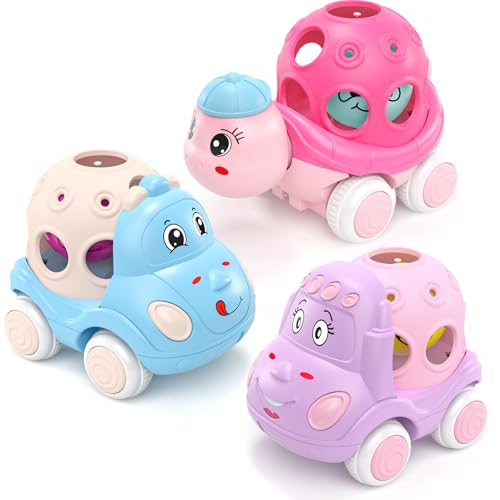
Yes, playtime is a golden opportunity for learning. Every moment spent playing is a chance for children to explore new concepts. Whether it’s learning about cause and effect with a toy car or understanding shapes with a sorting cube, playtime is rich with educational potential.
What Can You Do To Encourage Learning Through Play?
As a parent or caregiver, you have the power to make playtime enriching. Select toys that are age-appropriate and challenge your child’s abilities. Rotate toys to keep playtime fresh and exciting. Encourage open-ended play where your child can use their imagination fully. Have you noticed how much more engaged children are when they play with something new? This is because novelty sparks interest and learning. So, next time you see your child engrossed in play, remember—they are not just having fun; they are learning in the most joyful way possible.
Types Of Educational Baby Toys
Choosing the right educational toys for your baby can be a delightful yet challenging task. You want toys that not only entertain but also stimulate growth and learning. But do educational baby toys really matter? Let's explore the different types and how they can impact your child's development. The right toy can spark curiosity, enhance skills, and foster a love for learning.
Sensory Toys
Sensory toys are designed to engage your baby's senses. Think of toys with bright colors, interesting textures, and soothing sounds. These toys help in developing sight, touch, and hearing. My niece used to love a squishy ball with spikes – it kept her entertained for hours while fine-tuning her sense of touch. Sensory stimulation is crucial for brain development in the early months.
Motor Skill Toys
Motor skill toys are perfect for encouraging movement and coordination. From stacking rings to rolling balls, these toys help your baby improve hand-eye coordination. They also promote crawling, reaching, and grasping. Have you noticed how quickly a baby learns to pick up a toy and move it from one hand to the other? That's motor skill development in action!
Cognitive Development Toys
Cognitive development toys challenge your baby's thinking and problem-solving abilities. Puzzle toys and shape sorters are excellent choices. They teach the concept of cause and effect and promote critical thinking. Ever watched a baby figuring out which shape fits into which hole? It's fascinating to see their cognitive skills grow with each attempt.
Language And Communication Toys
Language and communication toys focus on building verbal skills. Toys that talk or sing, or even simple picture books can be very effective. They introduce your baby to new sounds, words, and phrases. If you ever sang a nursery rhyme with your baby, you know how quickly they pick up the melody and start mumbling along. It's a joyful way to boost language skills.
Do you see how each type of toy can play a unique role in your baby's growth? Selecting toys that cater to different areas of development ensures a well-rounded approach to learning. What toys have you found most effective in supporting your baby's learning journey?
Impact On Cognitive Skills
Educational toys can influence a child's cognitive skills. These toys engage the mind through play. They introduce concepts like shapes, colors, and numbers. This exposure aids in mental development. Children learn to think, remember, and solve problems. Let's explore how these toys impact specific skills.
Problem-solving Abilities
Problem-solving skills develop with educational toys. Puzzles are a great example. They challenge children to think critically. Kids must fit pieces together to create a picture. This process enhances logical thinking. It encourages persistence and patience. As children solve puzzles, they gain confidence. They learn that effort leads to success.
Memory Enhancement
Memory skills improve with educational play. Memory games are particularly effective. Children match cards with images or patterns. This activity boosts short-term memory. It requires concentration and attention to detail. Remembering where images are located strengthens the brain. Over time, children recall information better. This skill is crucial for academic success.
Boosting Physical Development
Educational baby toys play a crucial role in early development. They provide more than just entertainment. These toys help boost physical development in infants. By engaging with these toys, babies improve their motor skills. Let's explore how educational toys enhance fine and gross motor skills.
Fine Motor Skills
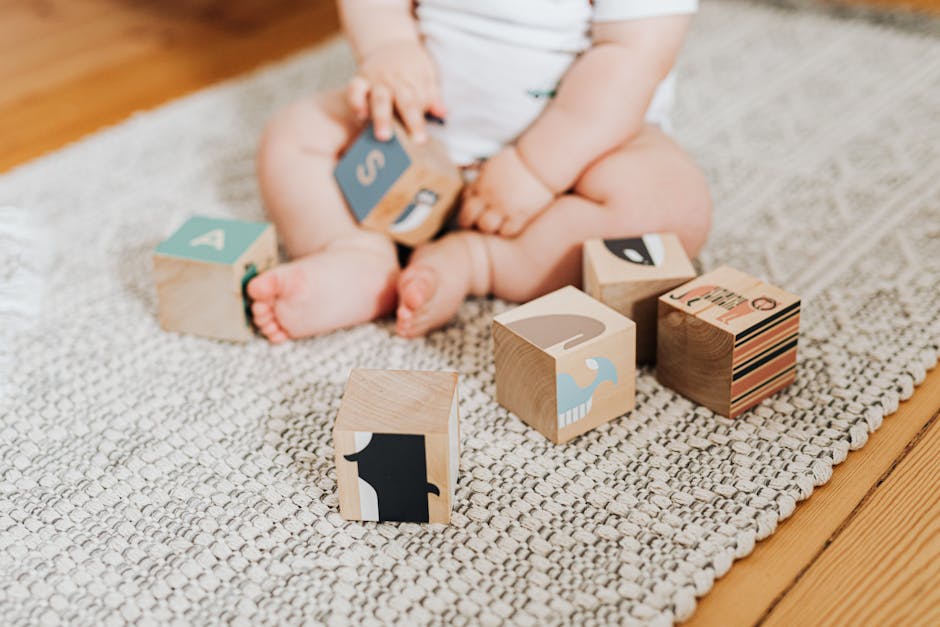
Fine motor skills involve small muscle movements. Babies use these muscles to grab and hold objects. Toys like blocks and puzzles are excellent for this. They help babies learn to grasp and manipulate objects. This practice strengthens their hand-eye coordination. It also aids in developing dexterity and control.
Gross Motor Skills
Gross motor skills focus on larger muscle groups. These muscles help with crawling, walking, and running. Toys like walkers and ride-ons encourage movement. They support balance and coordination. As babies play, they strengthen their legs and arms. This builds a foundation for future physical activities.

Credit: orbrom.com
Enhancing Social And Emotional Growth
Educational baby toys are more than just fun. They play a vital role in developing social and emotional skills. These toys help babies understand emotions and improve their interactions. Through play, babies learn to express feelings and cooperate with others. This learning lays the foundation for future relationships.
Interaction And Cooperation
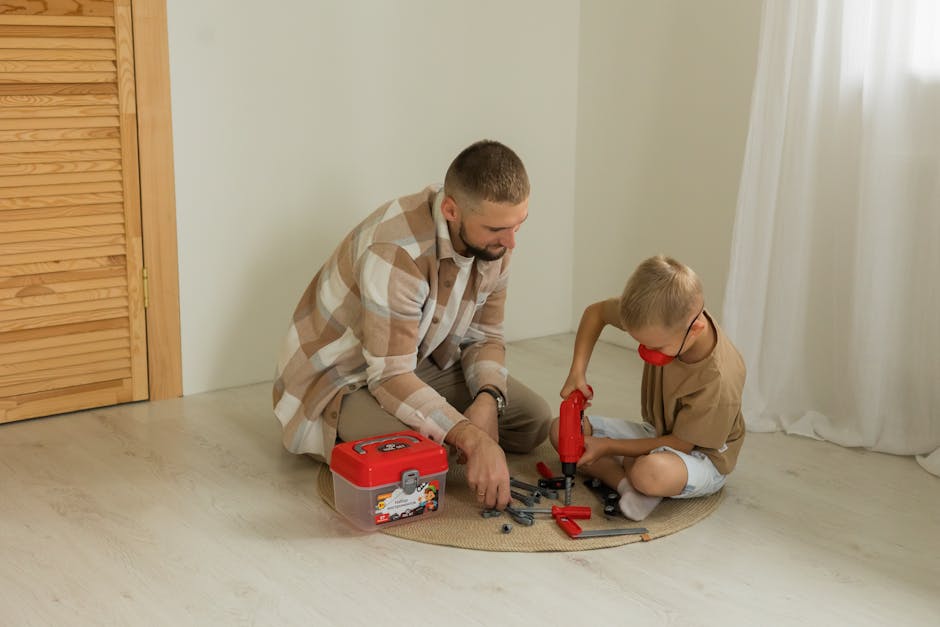
Babies interact with others through play. Educational toys encourage group play. This teaches sharing and turn-taking. Babies learn to wait patiently for their turn. They also develop listening skills. Toys like building blocks require teamwork. This fosters cooperation among peers.
Emotional Expression
Educational toys help babies express emotions. Soft toys can comfort babies. This helps them understand feelings of security. Role-play toys allow them to mimic real-life scenarios. They learn to identify and express happiness, sadness, or surprise. This skill is crucial for emotional development.
Choosing The Right Toys
Choosing the right toys for your baby is essential. These toys can support your child's learning and development. Educational toys stimulate curiosity and creativity. They lay the foundation for future skills. Parents should select toys that match their child's age and needs. This ensures that toys are both fun and beneficial.
Age-appropriate Options
Babies grow quickly. Their needs change as they develop. Select toys suitable for their age group. Newborns enjoy bright colors and soft textures. Toys that make sounds are also exciting. As they grow, introduce toys that encourage movement. Crawling toys and building blocks are great choices. These toys promote motor skills and problem-solving.
Safety Considerations
Safety is crucial when choosing toys. Ensure toys do not have small parts. Small pieces can be choking hazards. Check for sharp edges. These can harm your baby. Look for toys made from non-toxic materials. Babies often put toys in their mouths. Avoid toys with long strings. Strings can be dangerous. Always supervise playtime.
Limitations And Considerations
Educational baby toys can aid in development, but they are not a magic solution. Consider age-appropriateness and engagement levels to ensure effectiveness. Balancing playtime with other activities is essential for well-rounded growth.
When choosing educational toys for your baby, it's crucial to understand their limitations and considerations. While these toys can play a significant role in early development, not all of them are beneficial. Over-reliance on educational toys can lead to unintended outcomes, so it's important to make informed decisions.
Avoiding Overstimulation
Babies are curious by nature and can easily become overstimulated with too many toys. A room full of flashing lights and loud sounds might seem entertaining, but it can overwhelm your little one. Consider toys that stimulate one or two senses at a time to keep their environment calm and focused. Have you ever noticed how a simple rattle can captivate a baby for hours? Sometimes, less is more. Choose toys that encourage exploration without overwhelming their senses. This helps your baby develop attention span and focus.
Balancing Screen Time
In today's digital age, it's tempting to rely on screen-based educational tools. However, balancing screen time with traditional toys is key to healthy development. While interactive apps promise to teach, they can't replace the tactile experience of physical toys. Think about how much time your child spends in front of a screen. Are they missing out on the joy of stacking blocks or the satisfaction of fitting a puzzle piece in place? Encouraging hands-on play is essential for developing motor skills and creativity. Consider setting specific times for screen-based activities and diversify with other types of play. This way, your baby can benefit from a variety of learning experiences without becoming overly dependent on screens. By being mindful of these limitations, you can create a balanced play environment that nurtures your child's growth.

Credit: www.amazon.com
Frequently Asked Questions
Are Educational Toys Beneficial For Infants?
Yes, educational toys are beneficial for infants. They stimulate cognitive development and enhance sensory skills. Toys like blocks and puzzles improve hand-eye coordination. Interactive toys can boost language skills. Educational toys provide a foundation for future learning by engaging infants in playful exploration and discovery.
How Do Baby Toys Affect Brain Development?
Baby toys play a crucial role in brain development. They encourage exploration and problem-solving. Toys with varied textures enhance sensory development. Musical toys stimulate auditory skills. Educational toys help form neural connections, laying the groundwork for complex cognitive processes in later life stages.
Do Toys Improve Motor Skills In Babies?
Yes, toys significantly improve motor skills in babies. Toys like stacking rings enhance fine motor skills. Push-and-pull toys develop gross motor skills. Interactive toys encourage movement and coordination. Educational toys create opportunities for babies to practice grasping, pulling, and pushing, building strength and dexterity.
Can Toys Enhance Social Skills In Toddlers?
Absolutely, toys can enhance social skills in toddlers. Playing with dolls or action figures encourages role play and empathy. Group activities with toys foster sharing and communication. Educational toys often involve cooperative play, helping toddlers understand social cues and develop interpersonal skills.
Conclusion
Educational baby toys play a crucial role in early development. These toys stimulate a child's brain and encourage learning. They help build essential skills like problem-solving and creativity. Parents can choose toys that match their child's interests and age. Safe and engaging toys contribute to healthy growth.
Always consider the benefits and safety of toys before buying. Toys should be fun and educational. The right toys can make a positive impact on a child's learning journey. So, invest in toys that nurture curiosity and learning. Your child deserves toys that support their growth and happiness.