
Imagine watching your baby's eyes light up as they discover a new world through play. You have the power to create these magical moments right at home with educational toys tailored just for them.
When you make toys yourself, you not only save money but also ensure they are safe and perfectly suited to your baby's developmental needs. What if we told you that crafting these toys could be simpler and more rewarding than you ever thought possible?
By the end of this article, you’ll know exactly how to create engaging and educational toys that can boost your baby’s learning and development. So, are you ready to unlock the secrets to making playtime both fun and educational for your little one? Let’s dive in!
Benefits Of Educational Toys
Educational toys play a crucial role in a baby's development. They stimulate curiosity and foster learning through play. Parents often seek these toys to enhance their child's cognitive skills. But why are educational toys so beneficial? Let's explore the various advantages that make them a must-have for every baby.
Improves Motor Skills
Educational toys encourage babies to grasp, pull, and push. These actions help develop fine motor skills. Simple puzzles and stacking blocks are great examples. They strengthen hand-eye coordination too. This skill is essential for future tasks like writing and drawing.
Enhances Cognitive Development
Many educational toys challenge a baby's thinking. Shape sorters and building blocks require problem-solving. These activities boost cognitive development. Babies learn to think critically as they play. This foundation supports future academic success.
Boosts Language Skills
Toys with sounds and words introduce babies to language. Musical toys and talking dolls are popular choices. Babies mimic sounds and words, expanding their vocabulary. Early language exposure aids in faster language acquisition.
Encourages Social Interaction
Playing with educational toys promotes social skills. Babies learn to share and take turns with others. Toys that involve multiple players encourage teamwork. Social interaction during play fosters empathy and cooperation.
Sparks Creativity And Imagination
Educational toys often inspire imaginative play. Dolls, action figures, and toy kitchens are examples. These toys let babies create stories and scenarios. Imaginative play nurtures creativity and emotional expression.

Credit: www.kanbkam.com
Choosing Safe Materials
Selecting safe materials for educational toys ensures babies learn while staying healthy. Opt for non-toxic, durable options like wood or food-grade silicone. Simple choices keep playtime fun and worry-free.
Choosing safe materials is crucial when making educational toys for babies. Babies are naturally curious and explore the world with their senses, often putting things in their mouths. Ensuring the materials you use are non-toxic and safe is not just about compliance, but about peace of mind for you and safety for your little one.
Understanding Material Safety Labels
Navigating the world of safety labels can be daunting. Look for materials that are labeled as BPA-free, phthalate-free, and lead-free. These labels are indicators that the materials are free from harmful chemicals. The next time you're shopping for supplies, check the packaging carefully.
Using Natural Materials
Natural materials like wood and cotton are great choices. They're not only safe but also durable and environmentally friendly. Opt for unfinished or naturally finished woods to avoid any hazardous paints or finishes. Have you ever thought about using an old cotton shirt to create a soft toy? It's a great way to recycle and ensure safety.
Avoiding Small Parts
Babies tend to put everything in their mouths. Small parts can pose a choking hazard. When designing toys, keep them large enough that they can't be swallowed. A good rule of thumb is to ensure that the toy is bigger than a baby's fist.
Testing For Durability
Think about how babies play. They shake, throw, and chew on toys. Testing your toy for durability can prevent it from breaking into small, dangerous pieces. Before handing the toy to your baby, give it a thorough test yourself. Could it withstand a vigorous play session?
Consulting Safety Standards
Familiarize yourself with safety standards for children's toys. Organizations like ASTM and EN71 provide guidelines to ensure toy safety. Are you aware of these guidelines? They can serve as a useful reference to ensure your homemade toys are safe.
Seeking Feedback From Other Parents
Have you ever asked another parent for advice? They can provide valuable insights and suggestions. Sharing your toy ideas with them might highlight potential safety issues you hadn't considered. It's always beneficial to get a second opinion.
Simple Sensory Toys
Creating educational toys for babies can be a fun and fulfilling activity. Among the simplest and most effective options are sensory toys. These toys help stimulate a baby’s senses and encourage exploration and learning. You don't need to be an expert to make them; just a few household items and a touch of creativity can do wonders.
Textured Cloth Squares
Textured cloth squares are easy to make and great for sensory development. Gather some old fabric pieces with various textures. Think of soft velvet, rough burlap, or smooth silk. Cut them into squares, ensuring they're big enough for little hands to grasp.
Sew the edges to prevent fraying, or use fabric glue for a quicker fix. You can create a small quilt by attaching several squares together. Babies love feeling different textures with their hands and feet. Imagine your little one discovering the thrill of a new texture!
Noisy Bottle Shakers
Noisy bottle shakers are another simple toy that babies adore. Take empty plastic bottles and fill them with different materials. Rice, beans, or small beads create varying sounds. Secure the lids tightly to keep contents inside.
Consider decorating the bottles with vibrant colors and patterns. Babies are naturally curious about sound and movement. As you shake the bottle, watch their eyes light up and their giggles fill the room. What other everyday items can you transform into fun toys?
Making sensory toys doesn't require a big budget or special skills. It only takes a little imagination and a desire to engage your child in playful learning. What sensory toy will you create next?
Diy Motor Skills Boosters
Crafting simple educational toys for babies can enhance motor skills development. Use everyday items like cardboard and fabric to create engaging puzzles and stacking toys. These DIY projects encourage movement and coordination, offering babies a fun way to learn and grow.
Creating educational toys for babies at home not only saves money but also adds a personal touch to your child's learning experience. DIY Motor Skills Boosters are a fantastic way to engage your little one while enhancing their motor skills. You can tailor these toys to your baby’s interests and development stage, making playtime both fun and educational. But how can you do this effectively, and what materials do you need?
Homemade Stacking Rings
Stacking rings are classic toys that help babies develop hand-eye coordination and fine motor skills. To make your own, gather some durable cardboard tubes and colorful fabric or paper. Cut the tubes into rings of various sizes. Wrap them in bright, eye-catching colors, and secure with tape or glue. Encourage your baby to stack them in different orders. This simple activity promotes problem-solving skills and can be adjusted to increase difficulty as your child grows.
Cardboard Shape Sorters
Cardboard shape sorters are easy to make and great for teaching your baby about shapes and colors. Start by collecting some sturdy cardboard and cutting out different shapes like circles, squares, and triangles. Cut matching holes into a larger piece of cardboard or a shallow box lid. Decorate each shape with different colors to add a visual learning element. Guide your baby to match the shapes with the corresponding holes. This activity can spark conversations about shapes and colors, enhancing both language and cognitive skills. --- Why not try these DIY projects with your little one this weekend? They’re not only a fun way to spend time together but also a great opportunity to observe your child’s learning in action. What creative ideas do you have for boosting your baby's motor skills at home?
Visual And Auditory Stimuli
Babies learn through their senses. Visual and auditory stimuli play a vital role. They help develop a baby's brain connections. Engaging toys with bright colors and sounds can stimulate curiosity. Such toys encourage exploration and learning. Let's explore some simple DIY toys.
Colorful Mobile
A colorful mobile is a great visual tool. Hang it above the crib. Use bright, contrasting colors. Red, yellow, and blue work well. Move the mobile gently. This captures the baby's attention. It also helps develop their visual tracking skills. Use lightweight materials for safety. Felt, paper, or fabric are good choices. Rotate the toys on the mobile regularly. This keeps the baby interested.
Musical Water Bottles
Musical water bottles are easy to make. Fill empty bottles with water and objects. Use beads, bells, or small stones. Seal the bottle cap tightly. Let the baby shake the bottle. The sounds will fascinate them. This helps develop auditory skills. Use clear bottles for visual interest. Babies can see the objects move inside. Ensure the bottle is safe and secure. Regularly check for leaks or damage.

Credit: www.amazon.com
Exploring Nature With Toys
Creating educational toys for babies involves simple materials like colorful blocks and textured fabrics. These toys stimulate sensory development and encourage exploration. Hands-on play with these homemade toys fosters curiosity and early learning in a fun, engaging way.
Exploring nature with toys offers a unique way to introduce your baby to the wonders of the natural world. It’s not just about play; it’s about nurturing curiosity and encouraging exploration. Imagine the joy on your baby’s face when they touch a leaf or hear a rattle made from dried flowers. These moments spark a lifelong love for learning and nature.
Natural Texture Boards
Creating a natural texture board can be a simple yet effective way to engage your baby's senses. Use a piece of cardboard or wood as your base. Attach various natural materials like sandpaper, soft moss, smooth bark, or even dried corn husks. These textures provide a tactile experience that can captivate your baby’s attention. You can talk about the different textures as your baby touches them, introducing new words and sensations. This activity promotes sensory development and language skills simultaneously.
Leaf And Flower Rattles
Leaf and flower rattles are delightful and easy to make. Gather dried leaves and flowers that make a pleasant sound when shaken. Ensure they are safe and non-toxic, like lavender or marigold petals. Place them inside a small, clear container like a plastic egg or a see-through pouch. Seal it securely so your baby can shake it without any risk. This toy not only entertains but also introduces your child to the different sounds of nature. When was the last time you listened to the rustling of leaves or the gentle jingle of dried flowers? Sharing these experiences with your baby can create a strong bond and teach them to appreciate the beauty in everyday things. Making educational toys from nature is not only cost-effective but also rewarding. Why not start collecting materials on your next walk? You’ll be amazed at how these simple objects transform into powerful learning tools.
Incorporating Storytelling
Storytelling is a powerful tool in baby development. It engages their imagination and enhances their language skills. Through storytelling, babies start understanding the world around them. Crafting educational toys with storytelling elements can be fun. It adds a layer of learning and creativity. Let's explore some ways to bring stories into toys.
Picture Story Blocks
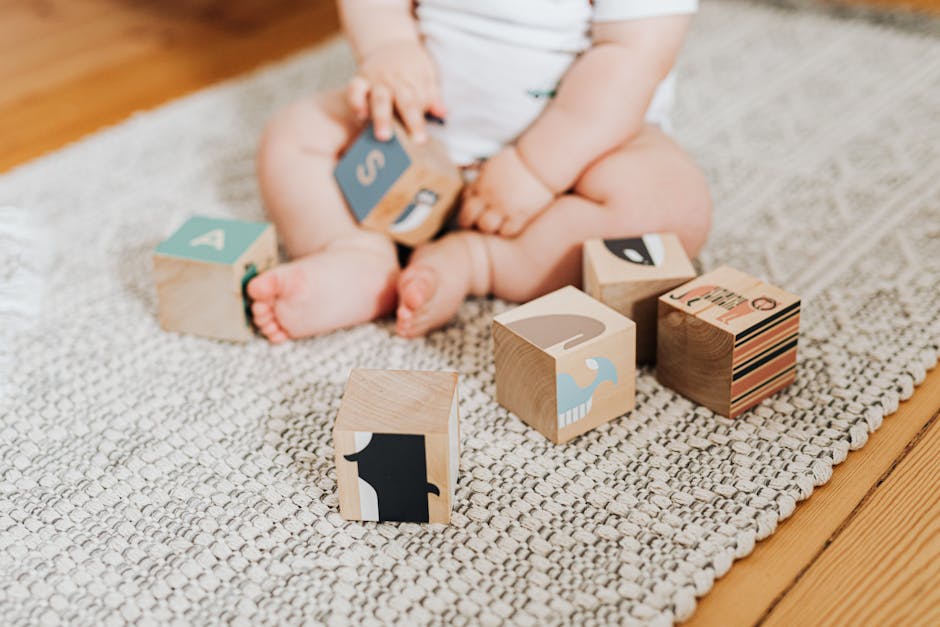
Picture story blocks are simple to make. Use wooden or plastic blocks as a base. Paint or glue pictures on each side. Each block can tell a different part of a story. Arrange them in sequence to form a narrative. Babies will enjoy stacking and narrating their own versions. This enhances their storytelling and motor skills.
Fabric Story Books
Fabric story books are soft and safe for babies. Sew together different fabric pieces to form pages. Each page can have a simple story element. Use colorful fabrics to catch the baby's eye. Add textures for sensory exploration. These books are washable and durable. Babies can touch, feel, and explore stories at their own pace.

Credit: www.pinterest.com
Cultural And Language Learning
Introducing cultural and language learning to babies can be rewarding. It enriches their understanding of the world. By making educational toys, parents can support early language skills. Babies can learn about different cultures. This creates a foundation for lifelong learning. Cultural and language-focused toys engage infants' curiosity. They offer diverse ways to interact with new concepts. This approach to early education can be very effective.
Multilingual Flashcards
Multilingual flashcards introduce babies to various languages. They are easy to make at home. Use sturdy card stock for durability. Choose simple words from different languages. Focus on everyday objects. Include a picture on one side. Write the word in multiple languages on the other side. Flashcards can help babies link images with words. This enhances their vocabulary. Parents can pronounce the words aloud. This strengthens language recognition.
Cultural Dolls And Figures
Cultural dolls and figures teach babies about different cultures. Create dolls using fabric or paper. Dress them in traditional attire. Use materials from around the house. Dolls can represent various countries. Introduce babies to cultural diversity. Babies learn by seeing and touching these figures. Parents can share stories about each culture. This makes learning more engaging. It fosters an appreciation for diversity early on.
Tips For Engaging Playtime
Create educational toys for babies using simple materials. Use colorful paper, soft fabrics, and safe objects. Encourage sensory play by adding textures and sounds.
Creating educational toys for babies is an exciting and rewarding experience. It not only fosters creativity but also enhances your baby's developmental skills. Engaging playtime is essential to maximize the benefits of these toys. Here are some practical tips to make playtime fun and educational for your little one.
Choose Simple Designs
Simple designs are often the most effective. Babies are easily overwhelmed by too much detail. A toy with bright colors and basic shapes can capture their attention and stimulate their senses. Think about blocks in primary colors or soft fabric shapes. These can help teach babies about colors and textures. Plus, they're easy to make at home with materials like fabric scraps or non-toxic paint.
Incorporate Sensory Elements
Sensory play is crucial for a baby's development. It helps them explore the world around them through touch, sound, and sight. Consider adding elements like crinkly fabric or bells inside a soft toy. These can create sounds that intrigue babies and encourage them to explore further. Simple items like a plastic bottle filled with rice can become a fascinating rattle.
Encourage Interaction
Toys that require interaction can enhance motor skills. They teach babies about cause and effect, which is an important cognitive milestone. Create toys that involve pushing, pulling, or stacking. A simple pull-along toy or a stack of cups can provide hours of entertainment. These activities engage your baby's muscles and coordination.
Utilize Everyday Materials
You don't need expensive materials to create effective educational toys. Everyday items can be transformed into learning tools with a bit of creativity. Think about using cardboard boxes to make tunnels or obstacle courses. Old socks can become hand puppets. This not only saves money but also encourages recycling and resourcefulness.
Make It Safe
Safety should always be your top priority. Babies explore with their mouths, so all toys must be non-toxic and free of small parts. Check that all materials are safe and secure. If you use paint or glue, ensure they are suitable for babies. Remember, a safe playtime is a happy playtime.
Engage With Your Baby
Your involvement during playtime is invaluable. Babies learn a lot by watching and interacting with you. Show them how to use the toy, and observe how they respond. Your enthusiasm can encourage them to engage more with the toy. This shared experience not only strengthens your bond but also boosts their confidence and curiosity.
Rotate Toys Regularly
Babies can lose interest quickly. Rotating toys keeps playtime fresh and exciting. Introduce new toys every week or so, and bring back old ones after a break. This keeps your baby engaged and allows them to explore different aspects of each toy. What creative ideas can you come up with using items around your home? Share your thoughts and let's inspire each other to create more fun and educational playtimes!
Frequently Asked Questions
What Materials Are Best For Diy Educational Toys?
Natural materials like wood, fabric, and cardboard are ideal for making educational toys. They're safe, durable, and easy to handle. You can also use recycled materials to enhance creativity and sustainability. Ensure all materials are non-toxic and age-appropriate for babies to ensure safety.
How To Make Sensory Toys For Babies?
Creating sensory toys involves using textures, sounds, and colors. Combine fabrics, rattles, and mirrors to stimulate senses. Simple items like homemade shakers or textured balls can engage babies effectively. Ensure all components are securely attached to prevent choking hazards.
Are Homemade Toys Safe For Babies?
Homemade toys can be safe if designed carefully. Use non-toxic materials and ensure no small parts are present. Regularly inspect toys for wear and tear. Always supervise playtime to prevent accidents and ensure the toys are age-appropriate and sturdy.
Can Educational Toys Boost Baby's Development?
Yes, educational toys stimulate cognitive, motor, and sensory skills. They encourage exploration, problem-solving, and creativity. Babies learn through play, enhancing brain development and social interactions. Opt for toys that engage multiple senses for comprehensive growth.
Conclusion
Creating educational toys for babies is truly rewarding. Simple materials can stimulate young minds. Your creativity plays a big role in this process. Homemade toys encourage learning and growth. Babies enjoy exploring new textures and sounds. Handmade toys also foster bonding time.
Families can share joyful moments together. These toys lay the foundation for future learning. Crafting them is a fun activity for everyone. You don't need expensive items. Just love and imagination. Share your creations with others. Inspire them to try making toys too.
Let's make learning fun for little ones!