
As a parent, you want nothing but the best for your child, and that includes ensuring their toys are clean and safe. You might wonder how to effectively surface clean baby toys without exposing your little one to harsh chemicals.
After all, those toys often spend more time in your baby's mouth than in their toy box! You'll discover simple, safe, and effective ways to keep those cherished playthings spotless. Imagine the peace of mind knowing your child is playing with clean toys every day.
Stick around, and you'll learn easy steps that fit right into your daily routine, saving you time and worry. Ready to make toy cleaning effortless and effective? Let's dive in!
Importance Of Cleaning Baby Toys
Babies explore the world with their mouths, which makes their toys a breeding ground for germs. You might be surprised at how quickly toys can become dirty and potentially harmful. Regular cleaning of baby toys is essential to keeping your little one safe and healthy.
Besides, clean toys can prevent the spread of germs among siblings and playmates. Isn’t it worth taking a few minutes to sanitize them?
Why Clean Baby Toys Regularly?
Germs are everywhere, and baby toys are no exception. Think about how often a toy ends up on the floor or in another child's mouth. Frequent cleaning reduces the risk of infections and illnesses.
It also extends the life of the toys. Clean toys look newer and last longer, saving you money in the long run.
How Often Should You Clean Baby Toys?
Some toys need daily attention, especially those that go in the mouth. Others can be cleaned weekly. A good rule of thumb is to clean immediately after a playdate or when visibly dirty.
You might wonder, does this mean every toy needs a daily scrub? Not necessarily, but being mindful of what your child plays with daily can guide you.
Are All Cleaning Methods Safe?
Not all cleaning methods suit every toy. For instance, soft toys might not fare well in the washing machine. Check the toy's label for cleaning instructions to avoid damage.
It's important to use non-toxic, baby-safe cleaners. Vinegar and water make a great natural cleaning solution for most toys.
Can Cleaning Be Fun?
Involve your child in the cleaning process. Turn it into a game where they help wipe toys with a damp cloth. This teaches them about cleanliness and responsibility.
Have you tried setting up a toy cleaning station? It can be a fun weekend activity that doubles as a learning experience.
Ensuring your child's toys are clean can be a simple task with significant benefits. What's your go-to method for keeping toys fresh and safe?
Choosing Safe Cleaning Products
Ensuring your baby's toys are clean is crucial for their health. Choosing the right cleaning products is equally important. Babies are sensitive and can react to harsh chemicals. Selecting safe products helps avoid potential health risks.
Read The Labels Carefully
Always check labels on cleaning products. Look for non-toxic and baby-safe indicators. Avoid products with strong fragrances. These can contain harmful chemicals. Unscented products are usually a safer choice.
Opt For Natural Ingredients
Natural cleaning solutions are often gentler. Look for ingredients like vinegar or baking soda. These are effective and less likely to cause allergies. They clean without leaving harmful residues.
Avoid Harsh Chemicals
Stay away from bleach and ammonia-based cleaners. These can leave toxic residues. Babies often put toys in their mouths. Safe cleaning means safer playtime.
Consider Diy Cleaning Solutions
Homemade cleaning solutions can be a safe option. Mix water with vinegar for a simple cleaner. Add a few drops of mild soap. This creates a gentle and effective solution.
Test Products Before Use
Always test a small area first. This ensures the product doesn't damage the toy. It also checks for any adverse reactions. Better safe than sorry.
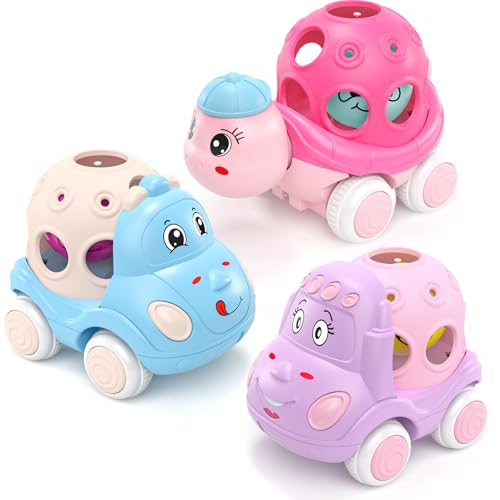
Cleaning Plastic And Rubber Toys
Cleaning plastic and rubber toys is essential for your baby's health. Germs and dirt can easily accumulate on toy surfaces. Regular cleaning helps keep toys safe and hygienic. Let's explore effective ways to clean these toys.
Using Soap And Water
Soap and water are great for cleaning toys. Fill a basin with warm water. Add a few drops of mild dish soap. Submerge the toys and scrub gently with a cloth. Rinse thoroughly to remove all soap residue. Dry the toys with a clean towel or let them air dry.
Sanitizing With Vinegar
Vinegar is a natural sanitizer for toys. Mix equal parts of water and white vinegar in a spray bottle. Spray the solution on the toys and let it sit for a few minutes. Wipe the toys with a damp cloth to remove the vinegar. This method is both effective and eco-friendly.

Credit: www.walmart.com
Cleaning Fabric Toys
Surface cleaning baby toys involves gentle techniques to remove dirt and germs. Use a damp cloth with mild soap. Rub toys softly, ensuring all surfaces are clean. Avoid harsh chemicals to keep toys safe for little hands and mouths.
Cleaning fabric toys can seem like a daunting task, especially when you consider how often your baby plays with them. These cuddly companions can harbor dust, spills, and even germs. But fear not, keeping them clean doesn't have to be complicated. You can choose between machine washing or hand washing, depending on the toy's delicacy and your preference. Let's explore some practical techniques to ensure your baby's fabric toys are fresh and safe.
Machine Washing Techniques
Machine washing is a straightforward method that many parents find convenient. It works wonders for sturdy toys that can handle a spin cycle. Before tossing them in, check the care label for washing instructions. Choose a gentle cycle to prevent wear and tear. Adding a mild detergent can help remove stains without harming the fabric. Consider placing the toys in a pillowcase or laundry bag to protect them during the wash. This simple trick can prevent damage and keep them intact. After washing, air drying is preferable to maintain their shape and softness. If you're in a hurry, a low heat setting in the dryer can work, but it's best to avoid it when possible. Have you ever noticed how toys shrink or warp with high heat? Protect your child’s beloved toys by keeping it cool.
Hand Washing Delicates
Some fabric toys require a gentle touch, especially those with intricate designs or delicate materials. Hand washing is an ideal option for these cherished items. It may take a bit more effort, but your baby’s favorite toy deserves that extra care. Fill a basin with lukewarm water and add a small amount of mild detergent. Swish the water gently to create suds. Immerse the toy and gently scrub with your hands, focusing on stained areas. Rinse thoroughly to remove soap residue. Ever felt the frustration of finding detergent left on a toy? A thorough rinse prevents this. Squeeze out excess water gently, avoiding twisting. Lay the toy flat on a towel and reshape it. Air drying is crucial here too, preserving the toy's original look and feel. In the end, keeping your baby's fabric toys clean is about finding what works best for you. Have you tried these methods? Which one do you find most effective? Share your insights and keep those toys looking as good as new!
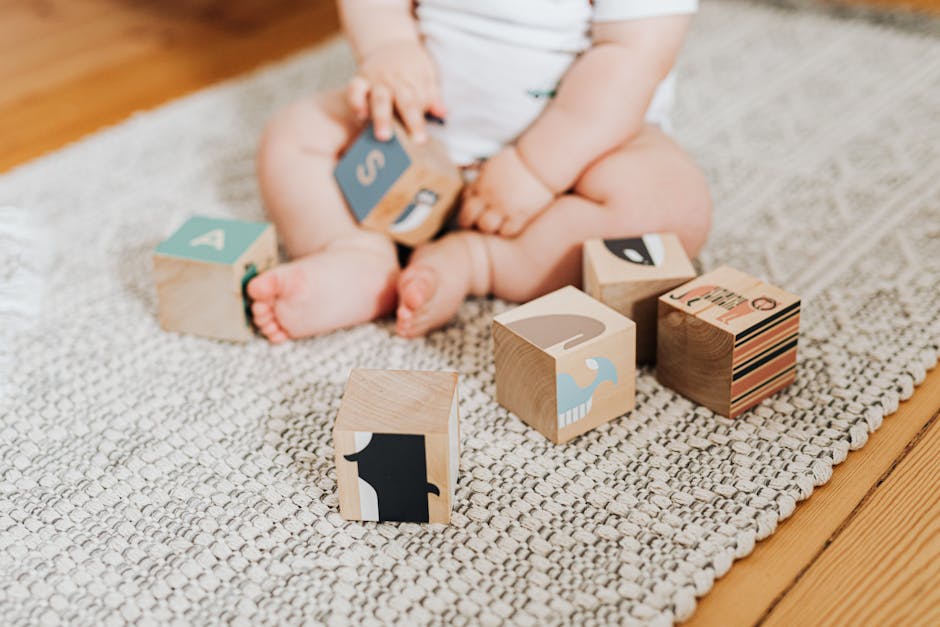
Wooden Toys Cleaning Tips
Gently wipe wooden toys with a damp cloth to remove dirt and germs. Avoid soaking to prevent warping. Use mild soap if needed, then dry thoroughly to maintain their quality and safety.
Wooden toys are cherished for their durability and timeless appeal. They are often handed down through generations, making them special keepsakes. However, cleaning them requires a bit of extra care to maintain their beauty and longevity. You might wonder how to keep these toys clean without causing damage. Let's dive into some practical tips on how to care for your child's beloved wooden toys.
Gentle Cleaning Solutions
When cleaning wooden toys, it's crucial to use gentle solutions. Harsh chemicals can harm the wood and strip away its natural finish. Consider using a mixture of mild dish soap and warm water. Dampen a soft cloth with this solution and gently wipe the toys. This method helps remove dirt without being too abrasive. It's a simple yet effective way to keep your toys clean and safe for your little one.
Avoiding Water Damage
Wood and water don't mix well. Excessive moisture can lead to warping or splitting. It's essential to be mindful of how much liquid you use during cleaning. After wiping with a damp cloth, ensure you dry the toys immediately with a clean towel. This prevents any lingering moisture from seeping into the wood. Think of it as a quick wipe-down rather than a soaking session. Remember, less is more when it comes to water and wooden toys. These tips not only ensure cleanliness but also preserve the integrity of your wooden toys. Have you ever noticed a wooden toy changing color after cleaning? That might be due to excess moisture. So, next time, try these gentle techniques and observe the difference in maintaining the quality of your toys. What methods have you found effective in keeping wooden toys pristine? Share your thoughts and experiences with us!

Credit: www.amazon.com
Cleaning Electronic Toys
Surface cleaning baby toys ensures safety and hygiene. Gently wipe toys with a damp cloth and mild soap. Rinse well and dry completely to avoid moisture damage.
Cleaning electronic toys can seem a bit tricky, but it's essential for maintaining your baby's health and the longevity of their favorite gadgets. These toys often have many nooks and crannies, and their electrical components require special care. If you’ve ever wondered how to keep them clean without damaging them, you’re not alone. Let's dive into how you can safely clean these toys, keeping them both functional and germ-free.
Battery Precautions
Before you start cleaning, ensure the toy is turned off and batteries are removed. This step is crucial in preventing any electrical mishaps or damage. You wouldn't want a toy to short-circuit or become unusable because of water exposure. Check the battery compartment for any corrosion or leaks. A quick wipe with a dry cloth can help maintain the integrity of the toy and ensure it lasts longer.
Surface Wipe Down
Use a damp cloth with mild soap to gently wipe down the toy's exterior. Avoid using excessive water, especially near the battery compartment or any openings. Consider using disinfectant wipes specifically designed for electronics. They are effective in sanitizing without leaving residue. Remember, a clean toy is a happy toy. By keeping surfaces clean, you are not only ensuring safety but also prolonging the enjoyment your child gets from their electronic toys. Have you ever noticed how much joy a freshly cleaned toy brings to your baby? It’s like they rediscover their favorite gadget all over again! By following these simple steps, you can ensure that your electronic toys remain safe, clean, and ready for playtime.
Disinfecting Bath Toys
Bath toys bring joy to your child's bath time. But they can also harbor germs and mold. Disinfecting bath toys is important for your child's health. Regular cleaning keeps them safe and fun. In this section, learn how to disinfect bath toys effectively.
Preventing Mold Growth
Mold can grow inside bath toys if they're not dried properly. Squeeze out water after each use. Store toys in a dry place. Use a toy organizer with holes for drainage. This prevents moisture buildup. Once a week, soak toys in a vinegar solution. This kills mold and bacteria.
Effective Rinsing Methods
Rinsing toys after bath time is crucial. Use warm water to rinse away soap and residue. Pay attention to toy crevices. These areas trap dirt and bacteria. A toothbrush can help scrub hard-to-reach places. After rinsing, dry toys thoroughly. Use a clean towel or air dry them in a sunny spot.

Credit: www.walmart.com
Regular Cleaning Schedule
Maintaining a regular cleaning schedule for baby toys is crucial. It ensures your child's playthings remain hygienic and safe. Babies explore the world by touching and mouthing objects. This makes their toys a hotspot for germs and bacteria. A consistent cleaning routine can significantly reduce these risks.
Establishing A Routine
Set a specific day each week for cleaning toys. Consistency helps in maintaining a clean environment. Choose a day that suits your schedule. Stick to it for ease.
Choosing The Right Cleaning Products
Use mild soap and water for most toys. Avoid harsh chemicals as they can be harmful. Check toy labels for cleaning instructions. This ensures you use safe products.
Disinfecting Hard Surfaces
Hard plastic and wooden toys need regular disinfecting. Wipe them down with a damp cloth and mild soap. Follow up with a safe disinfectant. Ensure all cleaning residues are rinsed off.
Cleaning Plush Toys
Plush toys can harbor dust and allergens. Machine-wash them on a gentle cycle. Use a mild detergent and warm water. Let them dry completely before use.
Drying Toys Properly
Ensure toys are completely dry before returning them to your child. Damp toys can breed mold and bacteria. Air-drying is effective for most toys. Use a clean towel for quicker drying.
Monitoring Toy Condition
Regular cleaning helps you notice wear and tear. Inspect toys for cracks or broken parts. Replace damaged toys promptly. This prevents potential hazards.
Storing Clean Toys Safely
Cleaning baby toys involves wiping surfaces with mild soap and warm water. Use a soft cloth or sponge for gentle cleaning. Ensure toys are thoroughly dried before storing them in a clean, dry place. Proper storage keeps toys safe and ready for play.
Storing clean baby toys safely is crucial for maintaining hygiene. Clean toys can easily become dirty again if not stored properly. This guide will help you choose the best storage options and avoid recontamination of toys.
Choosing The Right Storage
Selecting the correct storage is essential for keeping toys clean. Use containers with lids to protect toys from dust. Transparent bins help you see the toys inside without opening them. Consider using shelves to keep toys off the floor. This reduces the risk of dirt and moisture exposure. Keep the storage area dry and cool to prevent mold growth. Regularly wipe down storage surfaces with a disinfectant.
Avoiding Recontamination
Ensure toys are completely dry before storing them. Wet toys can foster bacteria and mold. Avoid storing toys near food or trash bins. This can lead to contamination. Use separate storage for different types of toys. This minimizes the chances of cross-contamination. Teach children to put toys back after playing. This helps maintain a clean environment. Regularly check stored toys for any signs of dirt. Clean them immediately if they appear dirty.
Frequently Asked Questions
How Often Should You Clean Baby Toys?
Baby toys should be cleaned frequently, ideally once a week. Regular cleaning prevents the buildup of germs and bacteria. Always clean toys after playdates or if they're visibly dirty. For toys used during teething, cleaning them daily or after each use is recommended to ensure safety and hygiene.
What Supplies Are Needed For Cleaning Baby Toys?
For cleaning baby toys, you'll need mild soap, warm water, and a clean cloth. For disinfecting, a solution of water and vinegar works well. Ensure toys are completely dry before use. For electronic toys, avoid soaking and use a damp cloth instead to prevent damage.
Can You Use Disinfectant Wipes On Baby Toys?
Disinfectant wipes can be used on baby toys, but check for harmful chemicals first. Choose wipes specifically designed for baby products. Wipe thoroughly and let the toys air dry before letting your baby play. Always read labels for safe usage instructions to ensure your baby's safety.
Are Homemade Cleaning Solutions Safe For Toys?
Yes, homemade solutions like vinegar and water are safe for cleaning toys. They're effective and free from harsh chemicals. Ensure proper dilution to avoid residue. Always rinse toys thoroughly after cleaning. Homemade solutions are eco-friendly and a cost-effective alternative to commercial cleaners.
Conclusion
Cleaning baby toys keeps your child safe and healthy. Regular cleaning prevents germs and bacteria from spreading. Use mild soap and water for most toys. Remember to rinse well. Dry the toys completely to avoid mold. For electronic toys, use a damp cloth.
Always check manufacturer instructions for specific cleaning tips. Consistent cleaning routines make playtime safer. A clean environment promotes better health for your little one. Keep toys fresh and ready for fun. Make cleaning a part of your regular schedule. Your child's well-being depends on it.
Stay attentive and enjoy worry-free playtime.