

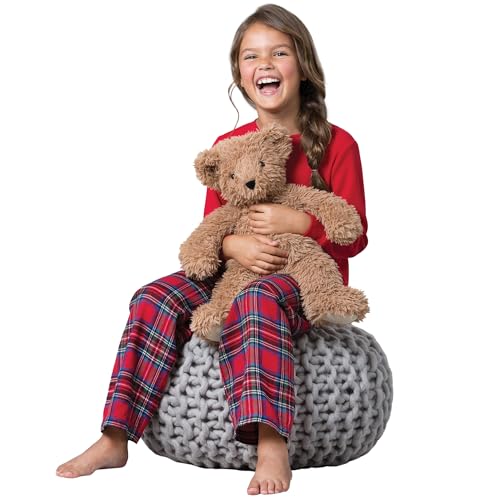

Are you watching your little one grow and wondering when they can start playing with toys? You're not alone.
Understanding the perfect time to introduce toys to your baby can be a puzzling task. But imagine the joy on your baby's face as they explore new textures, sounds, and colors. It's not just about play; it's about fostering their development and curiosity.
We'll uncover the ideal age for babies to start playing with toys and how these simple objects can spark your child's imagination and learning. Keep reading to discover how you can create a playful and enriching environment for your baby, making every moment count.

Credit: www.tiktok.com
Newborns And Sensory Toys
Newborns experience a whole new world after birth. Their senses begin to develop rapidly. Engaging these senses early boosts growth. Sensory toys play a vital role. They offer diverse stimuli for touch, sight, and sound. This helps in brain development. Parents often wonder about the right toys for their newborns. Let's explore the benefits and choices.
Importance Of Sensory Stimulation
Sensory stimulation is crucial for newborns. It helps them understand their environment. The brain grows rapidly in the first year. Experiences shape its development. Sensory toys introduce new textures and sounds. This boosts cognitive and physical growth. Babies respond to bright colors and gentle sounds. These stimulate their vision and hearing. Interaction through toys builds connections in the brain. Such stimulation lays the foundation for later learning.
Recommended Toys For Newborns
Choosing the right toy can be challenging. Soft toys with different textures are ideal. They are safe and comforting. Rattles offer sound stimulation. They improve grasping skills too. High-contrast toys catch a baby's eye. They help develop focus and tracking. Mobiles with gentle music calm and entertain. Teething toys are good for early months. They soothe gums and introduce new sensations. Always ensure toys are non-toxic and safe.

Credit: www.discoverytoys.us
Two To Three Months: Visual And Auditory Development
During the two to three months stage, babies experience rapid growth. Their visual and auditory senses are developing remarkably. At this age, they begin to engage with the world around them. They show interest in exploring new sights and sounds. Introducing toys can greatly aid in their sensory development.
Toys To Enhance Visual Tracking
Visual tracking is a skill babies start developing early. Soft toys with bright colors can catch their attention. Choose toys that are easy to move and have distinct patterns. Hanging mobiles above their crib can stimulate their sight. These toys encourage them to follow moving objects with their eyes.
Reflective toys can also fascinate them. Shiny surfaces can hold their gaze. Babies enjoy seeing their reflection. Mirrors allow them to practice focusing and tracking. Position toys within their field of vision. Changing the position occasionally keeps their interest alive.
Stimulating Auditory Senses
At this stage, babies respond to sounds. Toys that make gentle noises can be appealing. Rattles and soft musical toys can captivate them. These toys help them recognize different sounds. It encourages them to turn towards the sound source.
Soft toys with embedded sounds can be soothing. Playing gentle music can calm a fussy baby. Singing to them can enhance their auditory skills. Simple rhythms and melodies can capture their attention. They learn to associate sounds with actions. This early stage sets the foundation for language skills.
Four To Six Months: Grasping And Exploring
Babies aged four to six months enjoy grasping and exploring toys. Soft, colorful objects attract their attention. Rattles and textured toys help develop their senses. During this stage, babies learn through play, boosting their motor skills and curiosity.
As your baby reaches the age of four to six months, an exciting phase begins. This is when they start to grasp and explore their surroundings with newfound curiosity. You might notice them reaching for toys, trying to hold onto objects, and even putting things in their mouth as they learn about the world. It's a delightful stage that not only entertains your little one but also aids in their development. This is the perfect time to introduce toys that encourage their growing abilities and curiosity. Have you noticed how their eyes light up when they successfully hold a toy for the first time? It's a milestone worth celebrating, and the right toys can make all the difference.
Toys To Encourage Grasping
Simple, colorful toys are fantastic for little hands. Soft rattles, textured balls, and plush toys with loops are great choices. These toys help babies practice their grip and develop hand-eye coordination. Look for items that make gentle sounds or have different textures to keep them engaged. Did you know that toys with handles or easy-to-grasp designs can boost your baby's confidence? Seeing their tiny fingers wrap around a toy is a moment of pure joy for any parent.
Exploratory Play And Safety
While encouraging exploration, safety is paramount. Choose toys made of non-toxic materials and ensure they are free from small parts that can be a choking hazard. Soft toys and teething rings are ideal, as they are safe for chewing and drooling. Always supervise playtime to make sure your baby is safe. Have you thought about how the environment influences your baby's playtime? A safe, comfortable space allows them to focus on exploration without distractions. Watching your baby discover new textures and sounds can be an eye-opener. It reminds you of the simplicity and joy found in everyday experiences. What will your baby discover today?
Seven To Nine Months: Crawling And Coordination
During the seven to nine months stage, babies start exploring more actively. This is a significant period for crawling and coordination development. Their curiosity grows, and they begin to reach out for objects. Toys become essential tools that aid their developmental journey. Selecting the right toys can make a big difference.
Supporting Crawling With Toys
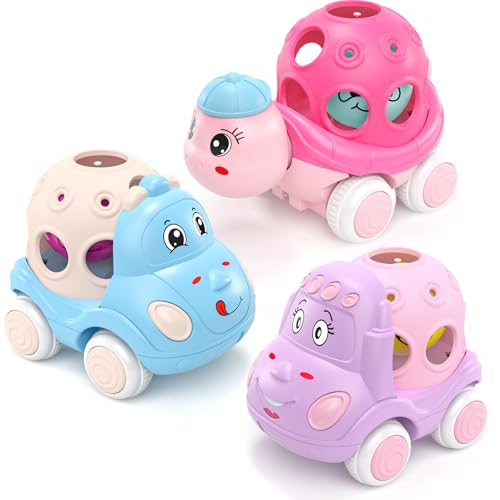
Toys that encourage movement are valuable at this age. Soft mats with varied textures can motivate babies to crawl. These mats engage their senses while they move. Place toys slightly out of reach. This encourages babies to crawl towards them. Rolling balls or toys with wheels are perfect. They inspire babies to chase and explore. Push-and-pull toys are also ideal. They promote movement and offer stability as babies crawl.
Promoting Hand-eye Coordination
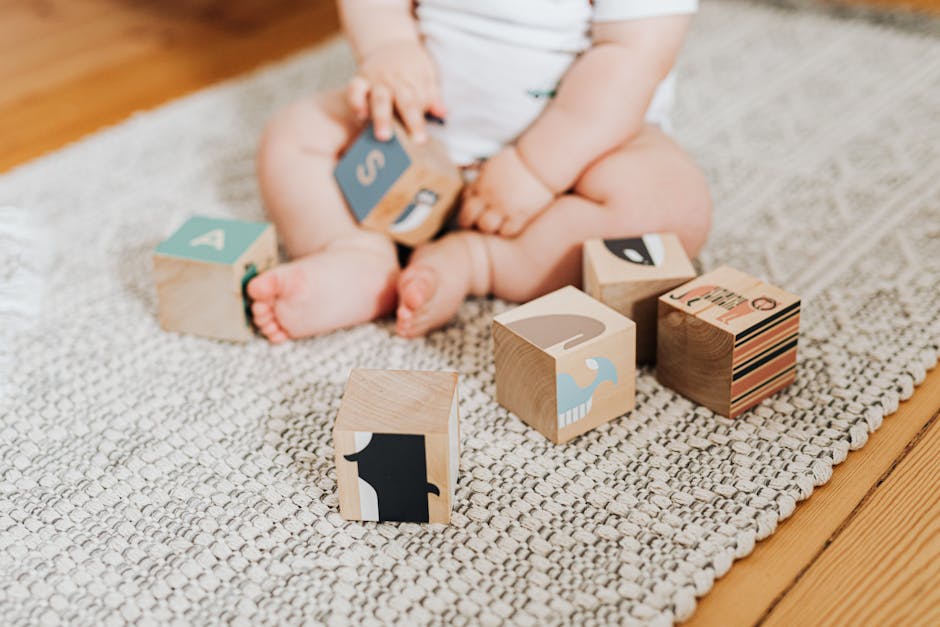
At this stage, babies work on their hand-eye coordination. Stacking toys are excellent choices. They help babies practice grasping and releasing objects. Simple puzzles with large pieces can be great. They teach matching shapes and improve coordination. Interactive toys with buttons and switches are useful. Babies learn cause and effect through these toys. Additionally, toys that produce sounds when touched can engage their attention.
Ten To Twelve Months: Standing And Walking
From ten to twelve months, babies experience rapid growth and development. During this period, they start standing and taking their first steps. This is an exciting milestone for both the child and parents. Supporting their journey with toys can be beneficial. Toys help improve strength, coordination, and balance. They also provide encouragement and fun. As babies explore their new abilities, choosing the right toys is crucial.
Toys For Standing Support
Standing support toys are vital at this stage. They aid in building muscle strength. Activity tables are popular choices. These tables encourage babies to pull themselves up. They offer interactive elements like buttons and music. Music encourages movement and engagement. Baby gyms with hanging toys are also helpful. Babies can reach and grab, enhancing their grip.
Walking And Push Toys
Push toys are excellent for first steps. They provide support and balance. Babies can hold onto the handle and walk. Toys with wheels encourage forward movement. Some designs include interactive features. These features entertain and motivate the baby to move. Walking toys often have adjustable speed settings. Parents can control the pace for safety. Walking toys boost confidence and independence.

Credit: www.amazon.com
Thirteen To Eighteen Months: Interactive And Imaginative Play
Babies between thirteen and eighteen months enjoy interactive toys that spark imagination. Toys like simple puzzles, stacking blocks, and musical instruments are perfect. These help develop cognitive skills and offer fun playtime experiences.
Thirteen to eighteen months marks a fascinating phase in your baby’s development. During this time, your little one starts to explore the world of interactive and imaginative play. This stage is all about discovering and understanding relationships through toys and games. As your child’s motor skills and cognitive abilities grow, so does their curiosity and creativity. How can you support and enhance this critical development stage?
Encouraging Interactive Play
Interactive play is essential for your child's social and emotional growth. At this age, your baby loves activities that involve interaction, such as playing peek-a-boo or stacking blocks together. These simple games teach cause and effect, and also how to take turns. Consider toys that light up or make sounds when touched. Such toys not only grab attention but also teach your child about responses and reactions. You might even notice your baby trying to hand you a toy, inviting you to join their little world. Remember those times when you played with a toy phone with your baby? That wasn't just play; it was practice for real-life interactions. How can you create more of these meaningful moments?
Fostering Imaginative Development
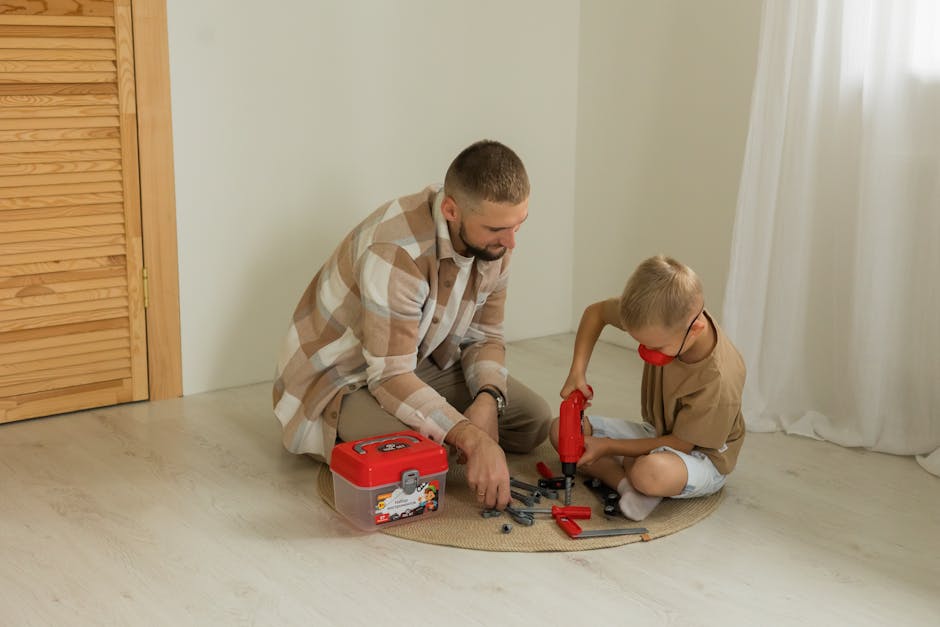
Imaginative play blossoms as your child starts to mimic everyday activities. You might find your toddler pretending to cook with toy pots and pans, imitating your actions in the kitchen. These activities are more than just fun; they help your child understand their environment. Introduce simple costumes or props, like hats or scarves, to encourage role-play. Watch as your child transforms into a little chef or a daring explorer, using their imagination to create stories. This type of play enhances language skills and problem-solving abilities. Remember your child’s delight when they first put on a firefighter hat and pretended to save the day? That’s their imagination at work, building confidence and creative thinking. What new scenarios can you introduce to spark their imagination even further?
Nineteen To Twenty-four Months: Problem Solving And Creativity
Toddlers aged 19 to 24 months show impressive problem-solving skills. Toy play encourages creativity and exploration. Each month, they develop new ways to engage with toys, fostering imagination and understanding.
At nineteen to twenty-four months, your little one is entering a fascinating stage of development. This is a time when problem-solving skills start to blossom, and creativity begins to shine. Toys play a pivotal role in nurturing these abilities, transforming everyday play into exciting learning experiences. You might be surprised how a simple toy can unlock your child's potential.
Toys For Problem Solving Skills
When selecting toys for this age, choose ones that encourage problem-solving. Shape sorters are excellent; they challenge your child to match shapes, which enhances their cognitive skills. Stacking blocks also make a great choice. They teach balance and coordination while encouraging your child to think critically about how to build sturdy structures. Puzzle toys with large, easy-to-handle pieces can also be beneficial. These toys require patience and focus, helping your toddler develop persistence. When your child successfully completes a puzzle, they experience a sense of accomplishment that boosts their confidence.
Boosting Creative Play
Encouraging creativity is equally important at this stage. Art supplies like crayons and washable markers can turn a simple piece of paper into a canvas for your child's imagination. Let them scribble freely, and you'll likely find that they start creating recognizable shapes and stories. Consider providing dress-up clothes for imaginative play. This allows your child to take on roles and invent scenarios, which is fantastic for developing storytelling skills. You might even find them pretending to be characters from their favorite books or cartoons, which is a joyful way to see their personality emerge. As you watch your child play, ask yourself: How are they using their toys? What problems are they solving? How are they expressing their creativity? Your observations can guide you in choosing toys that will further support their growth during these exciting months.
Safety Considerations For All Ages
Choosing toys for babies requires attention to their age and safety needs. Babies under six months enjoy soft, colorful toys. Ensure toys are free of small parts to prevent choking hazards.
Ensuring the safety of your baby is paramount when choosing toys. As your little one grows, their curiosity expands, and so does the range of toys they can enjoy. However, toys can pose risks if not chosen wisely. Understanding the safety considerations for all ages can make playtime both fun and safe.
Choosing Safe Materials
Selecting toys made from safe materials is crucial. Babies often explore the world with their mouths. Choose toys free from toxic chemicals like BPA and phthalates. Opt for natural materials such as wood or organic cotton. These materials are not only safer but also durable. Consider the finish of the toy as well. Ensure paints and dyes are non-toxic. It’s worth checking for certifications like ASTM or EN71 to confirm the toy's safety standards. You wouldn't want a toy with harmful materials in your baby's hands.
Avoiding Choking Hazards
Choking hazards are a significant concern for infants and toddlers. Small parts can easily become lodged in their throats. Always check the toy's age recommendation. This helps ensure it’s appropriate for your child's developmental stage. Inspect toys regularly for any loose pieces. Babies are surprisingly strong, and can pull off parts you didn’t think possible. Have you ever found a toy car missing a wheel? That could be a choking hazard. A simple squeeze test can help identify weak points in a toy. Remember, safety is not just about the toys themselves, but also how they are used. Are toys scattered around the play area? It might be time to get organized. A tidy space reduces the risk of accidents and choking hazards. In the quest for safe play, consider these questions: How often do you inspect your child's toys? Are you aware of the materials they're made from? Safety is a continuous process, and these considerations should be part of your routine.
Frequently Asked Questions
When Do Babies Start Playing With Toys?
Babies typically start interacting with toys around 3 to 4 months old. During this time, they become more curious and begin to explore their surroundings. Toys that make sounds or have bright colors are especially engaging for them. It's important to choose age-appropriate toys to ensure safety.
What Toys Are Suitable For A 6-month-old?
Toys that are safe and stimulate senses are ideal for 6-month-olds. Soft blocks, teething rings, and rattles can promote development. They help in enhancing motor skills and sensory exploration. Ensure that the toys are non-toxic and free of small parts to prevent choking hazards.
How Do Toys Help In Baby's Development?
Toys play a crucial role in a baby’s cognitive and physical development. They aid in improving hand-eye coordination, motor skills, and sensory awareness. Interactive toys can also enhance problem-solving skills and creativity. Selecting the right toys can support developmental milestones effectively.
Are Electronic Toys Good For Babies?
Electronic toys can be beneficial but should be used in moderation. They can stimulate learning through lights and sounds. However, traditional toys that encourage hands-on play are equally important. A balanced mix of both can promote well-rounded development in babies.
Conclusion
Choosing the right toys for your baby is important. Toys help in their growth and learning. Each age group has specific needs. Make sure toys are safe and suitable for their age. Observe how your baby interacts with different toys.
This helps you understand their preferences. Encourage playtime regularly. It strengthens your bond with your baby. Plus, it boosts their mental and physical skills. So, explore toy options wisely. Your baby’s development depends on it. Enjoy these playful moments together.
They grow up fast!