


Imagine the thrill of watching your own creation soar through the sky, guided by your hand on a remote control. Making a toy aeroplane with remote control isn’t just a fun hobby; it's a chance to dive into a fascinating world of creativity and engineering.
You don’t need to be a master craftsman or a tech whiz to build your own flying machine. With the right guidance and tools, you can craft a remote-controlled aeroplane that’s uniquely yours. Whether you're looking to impress your friends, spend quality time with your kids, or just indulge in a rewarding project, this guide is tailored for you.
Keep reading to discover simple steps, tips, and tricks that will make your toy aeroplane not only fly but soar high. Get ready to take control!

Credit: www.youtube.com
Materials Needed
Building a toy aeroplane with remote control requires basic materials. Gather lightweight materials like balsa wood, foam board, and glue. Include a small motor, battery, and remote control kit for functionality.
Creating a toy aeroplane with remote control can be an exciting and rewarding project. Whether it's a fun activity with your child or a personal hobby, the materials you choose play a crucial role in the success of your build. Selecting the right components not only affects the aeroplane's performance but also your overall building experience. Let's dive into the essentials and some optional add-ons to enhance your creation.
Essential Components
When building a remote-controlled toy aeroplane, start with the frame. Lightweight materials like balsa wood or foam are ideal. They provide sturdiness without adding too much weight. Motors come next. A small, efficient electric motor is perfect for beginners. Look for one that matches the size and weight of your frame. You'll need a remote control system. This typically includes a transmitter and a receiver. Ensure they are compatible with the frequency you plan to use. Don't forget the battery. A lithium polymer (LiPo) battery is commonly used due to its lightweight and high energy capacity. Consider the size and voltage to ensure it fits your aeroplane. A propeller is essential for thrust. Choose one that aligns with your motor specifications. This ensures optimal performance and efficiency. Finally, the control surfaces like the rudder and ailerons. These parts control the direction of your aeroplane and are crucial for stable flight.
Optional Add-ons
If you're looking to enhance your toy aeroplane, consider adding LED lights. They not only look cool but also make it easier to track your aeroplane during evening flights. Camera modules offer a unique perspective. Capture aerial views and record your flights. Ensure your aeroplane can handle the additional weight. A gyroscope can improve stability, especially for beginners. It helps in keeping your aeroplane level and makes it easier to control. Consider decorative decals or paint for a personalized touch. This is your chance to be creative and make your aeroplane stand out. Finally, a landing gear can be a useful addition. It allows for smoother landings and prevents damage to your aeroplane. What materials will you choose for your toy aeroplane? Your choices will define the performance and appearance of your creation. Dive into your project with these materials and watch your aeroplane take flight!

Credit: www.kidstoylover.com
Designing The Aeroplane
Crafting a toy aeroplane with remote control involves simple steps. Gather materials like cardboard, small motors, and batteries. Assemble these with care to create a fun flying toy.
Designing the aeroplane is one of the most exciting steps in making your own remote-controlled toy aeroplane. This is where your creativity and technical skills come into play. Every line you draw and every measurement you take will contribute to the final product. Are you ready to start designing a toy that will actually fly?
Choosing The Right Model
Choosing the right model is crucial. It sets the foundation for the entire project. Think about what kind of aeroplane you want. Do you prefer a classic design or something more modern? Consider how complex you want it to be. A simple model might be easier to start with, especially if it's your first time. You might want to look at models that others have built successfully. This can give you an idea of what's achievable and help you avoid common pitfalls.
Drawing The Blueprint
Drawing the blueprint is where your plan comes to life on paper. It's a fun and essential part of the process. Start by sketching a basic outline of your chosen model. Take note of the dimensions. Precision is key to ensure your aeroplane is balanced and aerodynamically sound. Use a ruler and graph paper for accuracy. Don't be afraid to make adjustments as you go. Sometimes, a small tweak can make a big difference in how well your aeroplane will fly. Remember, your blueprint is your guide, but it's not set in stone.
Building The Frame
Crafting a toy aeroplane begins with building the frame. Choose lightweight materials for easy assembly. Ensure the structure supports the components effectively for smooth flight.
Building the frame of a toy aeroplane is a crucial step. This process lays the foundation for the aircraft's stability. It ensures that the aeroplane can withstand the forces of flight. A sturdy frame contributes to a smooth flying experience. It provides support for other components, such as the motor and wings.
Cutting Materials
Precision is key when cutting materials for the frame. Use lightweight yet durable materials like balsa wood or foam. Measure the dimensions carefully to fit all parts snugly. A sharp blade or saw ensures clean cuts. Avoid jagged edges, as they can weaken the structure. Double-check measurements before making any cuts.
Assembling Parts
Assembling the parts requires patience and attention. Start by connecting the fuselage sections. Use glue or screws to secure the joints firmly. Ensure each part aligns correctly. Misalignment can affect the aeroplane's balance. Attach the wings and tail with care. Double-check connections for stability and strength.
Installing Electronics
Installing the electronics in your toy aeroplane is a critical step. It ensures your plane flies smoothly and responds to your commands. Proper setup of motor, battery, and wiring is essential. Each component plays a vital role in the plane's performance. Follow this guide to make sure each part is installed correctly.
Motor And Propeller Setup
Start with the motor and propeller. Choose a motor suitable for your aeroplane's size. Attach the motor securely to the plane's body. Use screws or glue for a firm hold. Ensure the propeller matches the motor's specifications. Align the propeller with the motor shaft. It should spin freely without obstruction. Test the motor by connecting it to a power source. Check for smooth rotation and adjust if needed.
Battery And Wiring
Select a battery that fits your plane's power requirements. A lightweight battery is ideal for small planes. Secure the battery in a balanced position. This prevents tipping during flight. Connect wires from the battery to the motor. Use connectors for easy attachment and detachment. Ensure all wires are insulated to avoid short circuits. Test the connections by powering the motor. Ensure all components work seamlessly together.
Remote Control Integration
Integrating a remote control system is essential for your toy aeroplane. It brings the thrill of flying into your hands. This part of the project requires attention to detail and precision. You'll learn how to choose the right remote system and pair it with your aeroplane. Let's dive into the steps needed for a successful remote control integration.
Choosing The Remote System
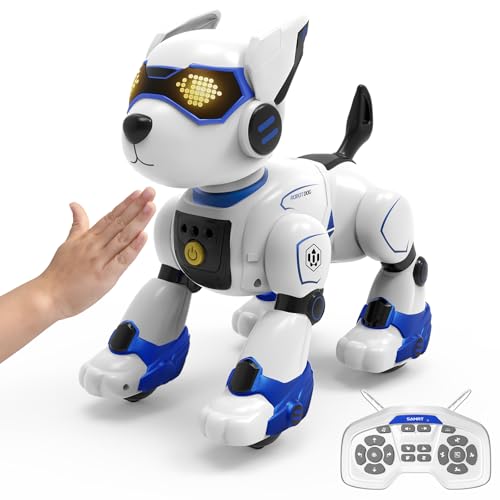
Begin by selecting a remote control system that suits your aeroplane. Consider the range it offers. The control should reach the distance you plan to fly. Check the number of channels. More channels provide better control options. Ensure the system is compatible with your aeroplane's components. Read reviews and user feedback. This helps in making an informed decision.
Pairing With The Aeroplane
Once you have your remote system, it's time to pair it. Start by connecting the receiver to the aeroplane's circuitry. Follow the manufacturer's instructions carefully. Power up the aeroplane and the remote control. Make sure both devices are on the same frequency. Test the controls gently. Ensure the aeroplane responds correctly to each command. Adjust settings if needed. This ensures smooth operation during flight.
Testing And Adjustments
Testing ensures the toy aeroplane with remote control functions correctly. Adjustments fine-tune its performance for smooth flights.
Testing and adjustments are crucial steps in building a toy aeroplane with remote control. You’ve spent time crafting each component, and now it’s time to see if it all works together seamlessly. Testing helps identify flaws and refine your creation for optimal performance. It’s where your aeroplane takes its first flight and you play the role of an engineer, tweaking and fine-tuning until everything is just right.
Initial Flight Test
Your first flight test is a moment of anticipation. It’s like watching your creation come to life. Begin by selecting a safe, open area free of obstructions. Make sure your remote control is fully charged and functioning properly. Launch your aeroplane gently, keeping a close eye on its behavior in the air. Does it glide smoothly or veer off course? Watch for stability and control response; these are key indicators of how well your aeroplane is performing. If it stalls or wobbles, it may need adjustments to its wings or tail. Celebrate small victories, like a steady ascent or smooth landing. Every flight teaches you something new about your design.
Troubleshooting Common Issues
Encountering issues during flight tests is common. Don’t let it discourage you; even seasoned builders face these challenges. If your aeroplane isn’t responding to controls, check the connection between the remote and the receiver. Is your aeroplane struggling to lift off? It could be due to a weight imbalance or insufficient thrust from the motors. Consider redistributing weight or upgrading the motor. Motor noise or vibrations can indicate loose components. Tighten screws and ensure everything is securely attached. If it’s circling instead of flying straight, it might need alignment adjustments. A slight wing tilt can make a big difference. Think of each issue as a puzzle waiting to be solved. Patience and persistence are key. Remember, even the Wright brothers had setbacks, but their determination led to groundbreaking success. What adjustments have you made that transformed your aeroplane's flight performance? Your insights could inspire others to perfect their designs.
Safety Precautions
Wear safety goggles to protect your eyes during assembly. Ensure the workspace is well-lit and clutter-free. Keep small parts away from young children to prevent choking hazards.
Creating a toy aeroplane with remote control is a fun project. Safety should be the top priority throughout the process. Knowing the right precautions ensures a safe and enjoyable experience. From handling electronics to ensuring flight safety, each step is crucial. Let's explore the essential safety measures.
Handling Electronics Safely
Always work in a clean, dry area. Moisture can damage electronic components. Keep electronic parts away from liquids. Use insulated tools to avoid electric shocks. When soldering, wear protective eyewear and a mask. Soldering irons get very hot. Be careful to avoid burns. Always unplug devices when not in use. This prevents accidental shocks and fires.
Ensuring Flight Safety
Choose an open space for flying. Avoid areas with trees or power lines. Inspect the aeroplane before each flight. Check for loose parts and secure them. Make sure the remote control has fresh batteries. Weak batteries can lead to loss of control. Always have a clear line of sight with the aeroplane. This helps avoid obstacles and sudden crashes. Fly in good weather conditions. Strong winds can affect flight stability.
Decorating The Aeroplane
Decorating your toy aeroplane brings it to life. Colors and patterns make it unique. An attractive design can make your aeroplane stand out. Let's explore ways to give it a personal touch.
Painting Techniques
Choose colors that inspire you. Bright colors can catch the eye easily. Use spray paint for a smooth finish. Ensure the paint is even and covers all areas. Let the paint dry completely before the next step.
Want a special design? Use stencils for patterns. They help you achieve neat shapes. Practice on paper first. This will build your confidence. Remember to paint in a well-ventilated area.
Adding Decals
Decals add detailed designs. They are stickers with patterns or logos. Choose decals that match your theme. Popular themes include racing or military styles.
Apply decals on a clean surface. Dust can make them peel off. Position them carefully before sticking. Smooth out bubbles with a soft cloth. This ensures they stay flat and last longer.
Decals can be custom-made. Create designs online for a personal touch. Print them on decal paper. Follow the instructions for the best results.

Credit: www.amazon.com
Frequently Asked Questions
How Do I Start Building A Toy Aeroplane?
Begin by gathering materials like balsa wood, glue, and a motor. Follow a step-by-step guide to assemble the frame. Ensure each component fits securely. Pay attention to aerodynamics and balance for optimal performance. Test the structure before adding the remote control system.
What Tools Do I Need For This Project?
You'll need basic tools such as a hobby knife, glue, and a small screwdriver. A soldering iron is useful for electronic connections. Sandpaper helps smooth rough edges. Precision is key, so ensure your tools are in good condition. Proper tools make the assembly process smoother and more efficient.
Can I Use Any Remote Control System?
Choose a remote control system compatible with the motor and receiver. Ensure it has at least two channels for basic control. Check the range and frequency to avoid interference. A reliable system enhances the flying experience. Always follow the manufacturer's instructions for installation and setup.
How Do I Ensure The Aeroplane Flies Well?
Balance is crucial for flight stability. Position the weight evenly across the wings. Test the motor and control surfaces before flying. Adjust the ailerons and rudder for smooth turns. Practice in an open area with minimal wind. Fine-tuning these elements ensures a successful flight experience.
Conclusion
Building a toy aeroplane with remote control can be a fun project. You learn while crafting, using simple tools and materials. This activity fosters creativity and problem-solving skills. Your completed aeroplane offers hours of enjoyment, flying it around. Children and adults alike find joy in watching it soar.
With patience, anyone can create their own flying toy. Share the experience with family and friends. Encourage others to try making one too. It's a rewarding journey, from start to finish. Dive in and explore the wonders of making a toy aeroplane today!


