




How to Fly Toy Remote Control Helicopters?
Imagine the thrill of watching a toy helicopter soar through the sky, guided by your fingertips. As you master the art of flying remote control helicopters, you unlock a world of fun and creativity.
Whether you're a curious beginner or an aspiring expert, knowing how to fly these miniature marvels can be both exciting and rewarding. You'll discover practical tips, insightful tricks, and insider secrets that will transform your flying experience from ordinary to extraordinary.
Picture yourself deftly maneuvering your helicopter, impressing friends and family with your newfound skills. Are you ready to take control and become the pilot of your own adventure? Dive in, and let's get those propellers spinning!
Choosing The Right Helicopter
Selecting the ideal toy remote control helicopter requires considering size, skill level, and flight features. Beginners benefit from models with simple controls and durable designs. Ensuring stability and ease of use enhances the flying experience for enthusiasts of all ages.
Choosing the right toy remote control helicopter can make or break your flying experience. It's essential to select a model that suits your skill level and interests. Whether you're a beginner or have some experience, understanding different types of helicopters and what to look for can lead to hours of fun and learning.
Types Of Toy Helicopters
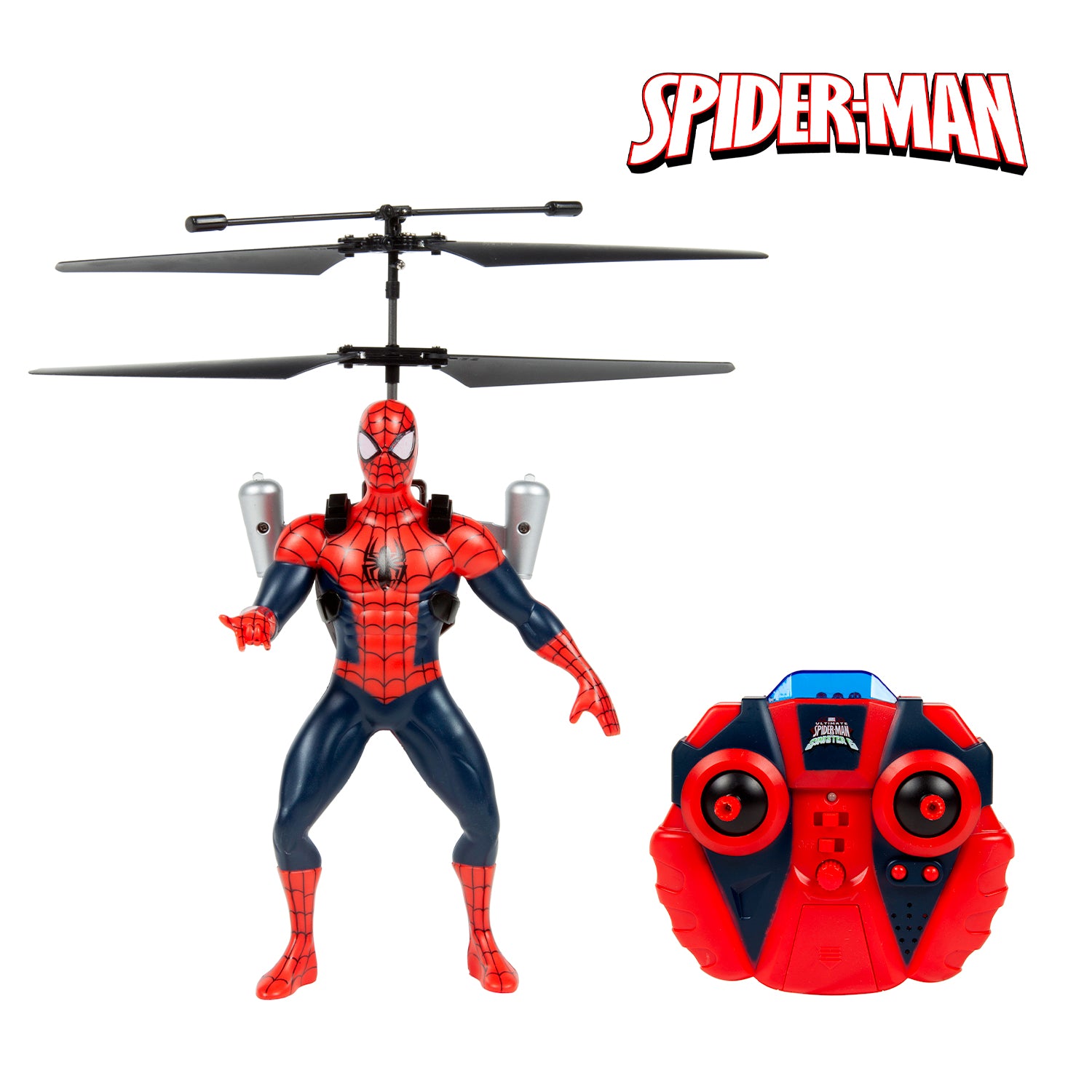
Toy remote control helicopters come in various types, each offering a unique flying experience. Coaxial helicopters are great for beginners because they are stable and easy to control. They have two sets of rotors on one shaft, providing balance and minimizing the chance of tipping over. Single rotor helicopters provide more realistic flight but require more skill to operate. They are faster and more agile, making them perfect for those who have mastered the basics and want a challenge. Finally, quadcopters are extremely popular, especially with those interested in aerial photography. With four rotors, they offer stability and versatility in movement, allowing for smooth navigation and impressive aerial tricks.
Factors To Consider
When choosing a helicopter, think about your skill level. If you're a novice, it might be wise to start with a coaxial helicopter. They are forgiving and help you learn without constant crashes. Consider where you'll be flying. If you have a spacious backyard, a larger model could be fun. However, if you're restricted to indoor spaces, a smaller helicopter will be more suitable and safer. Evaluate the battery life and charging time. Longer flight times and quicker charging mean more fun with less downtime. No one wants to spend more time charging than flying. Don't forget the material and durability of the helicopter. You'll likely experience some crashes, especially as you learn. A robust model made from high-quality materials will withstand the inevitable bumps and falls. Do you want a helicopter with additional features like a camera or LED lights? While these can enhance your experience, they may come at a higher cost. Weigh the benefits against your budget to ensure you're getting value for your money. Choosing the right helicopter can enhance your flying adventure. With the right choice, you'll enjoy countless hours of fun and skill-building.
Credit: hobbytron.com
Understanding Controls
Grasping the controls is key to flying toy remote control helicopters smoothly. Start with basic movements, like hovering and gentle turns. Practice often to gain confidence and refine your flying skills.
Flying a toy remote control helicopter can be a thrilling experience, but understanding the controls is crucial for a smooth flight. Whether you're a beginner or have some experience, mastering the basics and advancing your skills will make each flight more enjoyable and less prone to crashes. Let's dive into the controls and discover how you can become an expert in maneuvering your helicopter.
Basic Control Functions
When you first hold the remote, you'll notice two main sticks. The left stick usually controls the throttle and rudder. Pushing it up increases power and lifts the helicopter off the ground. Moving it left or right rotates the helicopter on its axis. The right stick typically handles the pitch and roll. Move it forward to tilt the helicopter down and backward to tilt it up. Slide it left or right to bank the helicopter in those directions. Understanding these basic functions is your first step towards a successful flight. Practice gently with each control to get comfortable.
Advanced Maneuvers
Once you've got the basics down, you can try more advanced maneuvers. Ever thought about hovering perfectly in place? It requires balancing the throttle while adjusting the pitch and roll. Experiment with flying in circles or figure eights. This will teach you how to combine controls smoothly. A thrilling move is the 'banked turn'. Increase speed, then tilt and roll to turn sharply. It's a challenge but rewarding when done right. Have you tried flying backward? It’s tricky but improves your control awareness. These advanced skills take practice. Each attempt brings you closer to mastering your helicopter. Remember, patience is key, and every flight is a step toward becoming more skilled. What will be your next daring maneuver?
Pre-flight Preparations
Check all controls before flying toy helicopters. Ensure batteries are fully charged. Clear the area of obstacles.
Flying toy remote control helicopters is a thrilling experience, but it requires thoughtful pre-flight preparations to ensure a smooth and enjoyable flight. Before you launch your helicopter into the sky, taking a moment to assess your readiness can save you from unexpected hiccups. Whether you're a seasoned pilot or a newbie, these steps are crucial to keep your helicopter flying high and safe.
Battery Check
The battery is the lifeline of your remote control helicopter. Without it, your helicopter is grounded. Start by checking if the battery is fully charged. A low battery can cut your flight short and might even damage the helicopter if it crashes unexpectedly. Ensure the battery is securely fitted. A loose battery can cause connection issues and lead to a loss of control mid-flight. Double-check if the battery connections are clean and free from debris. This simple step can prevent power interruptions during flight.
Environment Assessment
Choosing the right environment is crucial for a successful flight. Look for open spaces free from obstacles like trees, buildings, or power lines. These can pose hazards and limit your helicopter's maneuverability. Consider the weather conditions. Wind can dramatically affect your helicopter's stability, and rain can damage its electronic components. It's best to fly in calm weather with clear skies. Think about the presence of people and pets. Flying a helicopter near them can be risky. Not only could you lose control, but it could also cause injury or damage. Assessing your surroundings can prevent accidents and ensure a safe experience. Are you setting the stage for a successful flight, or are you missing out on these essential pre-flight steps? Every preparation is a stepping stone towards mastering the art of flying toy helicopters.

Credit: ca.exhobby.com
Flight Techniques
Learning to fly a toy remote control helicopter can be fun. Understanding the right flight techniques is crucial. These techniques help you control your helicopter smoothly and safely. Let's explore these essential techniques.
Takeoff Strategies
Takeoff is the first step in flying. Find a flat, open space free of obstacles. Hold the controller steadily. Slowly increase the throttle to lift the helicopter gently. Avoid sudden movements to prevent crashes. Keep the helicopter steady as it rises. Practice makes takeoffs smooth over time.
Hovering Skills
Hovering is keeping the helicopter in one spot. Maintain a steady throttle and balance the controls. Keep your eyes on the helicopter's position. Small adjustments help maintain stability. Practice hovering at different heights. This builds confidence and control. It's a crucial skill for smooth flying.
Landing Safely
Landing requires precision. Lower the throttle slowly as you approach the ground. Keep the helicopter level during descent. Look for a clear landing spot. Avoid obstacles and uneven surfaces. Gently bring the helicopter down. A smooth landing keeps your helicopter safe. Practice often for consistent results.
Troubleshooting Common Issues
Flying toy remote control helicopters can be tricky. Ensure batteries are charged and check the rotor blades. Adjust the controls for smooth flight.
Flying toy remote control helicopters can be an exciting hobby, but encountering problems is quite common. Whether it's the helicopter refusing to take off or spinning uncontrollably, these issues can turn your fun experience into a frustrating one. Let’s dive into some common issues and how you can troubleshoot them effectively.
Battery Problems
One of the most frequent issues you might face is related to battery performance. If your helicopter isn’t gaining altitude or only flies for a short time, the battery might be the culprit. Ensure the battery is fully charged before each flight. A partially charged battery can limit the flight time and performance of your helicopter. Are you noticing the battery losing charge quickly? It might be time to replace it if it's been in use for an extended period. Always check for corrosion or damage on the battery terminals. A simple wipe with a dry cloth can sometimes solve connection issues. Avoid overcharging the battery, as it can reduce its lifespan and efficiency.
Control Malfunctions
Sometimes, the helicopter may not respond correctly to your controller inputs. If the helicopter is drifting in one direction or not responding at all, recalibrating the controller might help. Start by ensuring that both the helicopter and controller are on the same frequency. A small switch on the controller often allows you to select the correct frequency. If the problem persists, try resetting the controller by turning it off and back on. Have you checked the antenna? A bent or damaged antenna can interfere with the signal. Straighten it gently or replace it if necessary. Additionally, make sure there are no obstructions or interference from other electronic devices around you. By tackling these common problems, you can enjoy a seamless flying experience. Have you ever faced any unusual issues while flying your helicopter? Share your experience in the comments below and let’s troubleshoot together!

Credit: us.amazon.com
Maintenance Tips
Keeping toy remote control helicopters in good condition ensures longer flights. Regularly check and tighten all screws. Clean the blades after each use to prevent dust buildup. Always store the helicopter in a dry place to avoid damage. Make sure the batteries are fully charged before flying.
Flying toy remote control helicopters can be a thrilling hobby, but to keep them soaring smoothly, proper maintenance is key. Neglecting upkeep can lead to disappointing flights and costly repairs. So, let's dive into some practical maintenance tips that will extend the life of your helicopter and ensure every flight is as exciting as the first.
Cleaning And Storage
After a fun-filled day of flying, your helicopter might be covered in dust and debris. Cleaning is essential to maintain its performance. Use a soft brush or compressed air to gently remove dirt from the rotors and body. Avoid using water, as it can damage the electronics. When storing your helicopter, find a cool, dry place away from direct sunlight. Sunlight can warp the plastic components. Consider investing in a storage case to keep it safe from accidental damage. Wouldn't it be a shame to have your helicopter knocked off a shelf?
Regular Check-ups
Before each flight, check the battery. Is it fully charged? A weak battery can cause your helicopter to crash unexpectedly. Inspect the rotors for cracks or chips. Even minor damage can affect flight stability. Tighten any loose screws and ensure the landing gear is secure. You wouldn't want your helicopter to wobble during landing, right? Regularly update the software if your helicopter has a computerized system. Updates can improve performance and fix bugs. These simple yet effective maintenance tips can keep your remote control helicopter in top shape. You’ll spend more time enjoying the skies and less time dealing with repairs. What’s your favorite maintenance hack for keeping your helicopter flight-ready? Share your insights below!
Safety Precautions
Flying toy remote control helicopters safely requires careful preparation. Choose an open area away from obstacles and people. Ensure the helicopter's battery is fully charged before flight to avoid sudden drops.
Flying toy remote control helicopters is fun. But safety is crucial. Before taking flight, learn essential safety measures. These steps protect you and your helicopter. Adhering to safety rules ensures a smooth experience. Let's explore key safety precautions.
Indoor Vs Outdoor Flying
Choose your flying location wisely. Indoors offers controlled conditions. Less wind interference. But obstacles are present. Furniture, walls, and ceilings pose risks. Ensure ample space for maneuvers. Avoid crowded rooms. Outdoors offers more space. But weather affects performance. Wind and rain can disrupt flights. Choose calm, clear days. Pick open areas. Avoid trees and power lines. Respect public spaces and private property.
Protective Gear
Safety gear reduces accident risks. Protective eyewear shields eyes. Especially from unexpected crashes. Gloves protect hands during takeoff and landing. They also provide a better grip on controls. Knee and elbow pads are useful. Especially for beginners. They cushion impacts from potential falls. Consider a helmet for extra safety. Particularly in crowded outdoor settings. Safety gear ensures a secure flying experience.
Enhancing Your Skills
Flying toy remote control helicopters brings joy and fun. Start by understanding the controls and practicing in open spaces. Gradually improve your skills with patience and consistent practice to enjoy smooth flights.
Enhancing your skills with toy remote control helicopters can transform your flying experience from basic to thrilling. As you master maneuvers and learn new techniques, your confidence and enjoyment will soar. Whether you're a beginner or have some experience, improving your skills requires dedication and the right strategies.
Practice Routines
Consistent practice is key to becoming proficient in flying remote control helicopters. Start with short sessions focused on basic movements like hovering and gentle turns. Gradually increase the complexity of your maneuvers as you become more comfortable. Keep your practice engaging by setting specific goals for each session. This could mean perfecting a landing or executing a smooth figure-eight pattern. By tracking your progress, you maintain motivation and see tangible improvements. Consider practicing in different environments to enhance your adaptability. Flying indoors and outdoors presents unique challenges that can sharpen your skills. Remember, practice doesn’t always make perfect, but it certainly makes progress.
Joining Clubs And Communities
Engaging with clubs and communities dedicated to remote control helicopters can significantly boost your learning curve. These groups offer a wealth of knowledge from enthusiasts who share your passion. Participating in club events or community meet-ups exposes you to diverse flying styles and tips. You can learn from others’ experiences and avoid common pitfalls. It’s also a great way to make new friends who share your interest. Have you ever considered the benefits of mentorship? Experienced flyers in these communities are often eager to share their expertise. Their guidance can help you overcome challenges and refine your skills faster than flying solo. Incorporating these strategies into your routine will not only enhance your skills but also make flying remote control helicopters an even more rewarding hobby. What new maneuver will you master next?
Frequently Asked Questions
How Do I Start Flying A Toy Helicopter?
Begin by reading the helicopter's manual for instructions. Ensure the battery is fully charged before use. Start in an open area, away from obstacles. Practice hovering first, then gradually move to basic maneuvers. Always keep the helicopter within your line of sight.
What Are Common Beginner Mistakes?
Common mistakes include over-controlling the helicopter and flying in windy conditions. Beginners often overlook battery life, leading to crashes. Not calibrating the helicopter before flight can cause issues. It's also crucial to understand the controls thoroughly. Practice patience and take gradual steps in learning.
How Do I Maintain My Remote Control Helicopter?
Regularly check for loose parts or damage. Clean the helicopter after each use to remove dust and debris. Ensure the battery is charged and stored properly. Lubricate moving parts as recommended by the manufacturer. Regular maintenance prolongs the life of your helicopter.
What Safety Precautions Should I Take?
Always fly in a clear, open space away from people and pets. Wear protective eyewear to prevent injuries. Follow the manufacturer's guidelines and local regulations. Keep fingers away from rotors while the helicopter is on. Ensure children use the helicopter under adult supervision.
Conclusion
Flying toy remote control helicopters can be fun. With practice, skills improve quickly. Start slowly and learn basic maneuvers first. Avoid strong winds and crowded places. Check the battery before each flight. Adjust settings for better control. Always follow safety guidelines.
Keep a safe distance from people and pets. Enjoy the thrill of flying. Share your experiences with friends. Everyone loves watching helicopters soar. Remember, practice makes perfect. Fly often to get better. Have fun and stay safe.


