




Imagine holding the power to make a toy car zoom across your living room floor with just a flick of your wrist. As you press the buttons on the remote control, the car responds instantly, bringing to life a world of fun and excitement.
But have you ever paused to wonder, how does this magical connection between your remote and the toy car work? Understanding this technology can transform your playtime experience and even spark a curiosity that leads you to explore more about the gadgets you use every day.
You'll unravel the mysteries behind remote controls and toy cars, discovering the fascinating science that makes such seamless interaction possible. Whether you're a tech enthusiast or just someone who loves the thrill of watching toy cars race, this guide will provide insights that are both enlightening and engaging. Get ready to dive into the fascinating world of remote-controlled toys and uncover the secrets that drive them!

Credit: www.businesstoday.in
Wireless Communication
Wireless communication is a crucial feature of remote-controlled toy cars. It allows the toy to move without direct contact. This technology uses invisible signals. These signals travel through the air to control the car's movement. Understanding the basics of this communication can enhance your appreciation for these toys.
Radio Frequency Basics
Radio frequency (RF) is common in remote-controlled toys. It uses specific radio waves to send signals. These signals tell the car what to do. The remote sends a signal, and the car receives it. This happens instantly. RF signals can travel a good distance. This allows you to control the car from afar. It works well outdoors and indoors. RF technology is reliable and effective.
Infrared Technology
Infrared (IR) technology is another method used in toy cars. It works like a TV remote. The remote sends infrared light signals. The car's sensor picks up these signals. This technology requires a line of sight. The remote needs to point at the car. It works best indoors. Infrared is less effective in bright light. It is simple and cost-effective.
Transmitter Functions
The transmitter is a key part of a toy car's remote control system. It sends signals to control the car's movements. Understanding its functions helps appreciate how remote controls work.
Signal Generation
The transmitter creates radio signals. These signals carry commands from the remote to the toy car. It uses radio waves to send these signals wirelessly. Each button on the remote has a specific signal. The signals tell the car what to do. For example, go forward or turn left.
Control Inputs
Control inputs are the buttons and switches on the remote. They let you interact with the toy car. Each input corresponds to a specific action. Pressing a button sends a command to the car. This tells the car how to move. For instance, a joystick might control direction. Buttons often handle speed and special actions.
Receiver Mechanism
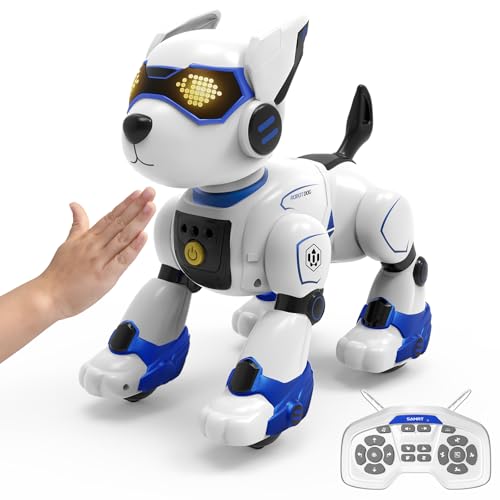
Remote controls make toy cars move by sending signals to a receiver. The receiver inside the toy car decodes these signals. Then, it directs the motors to perform actions like moving forward or turning.
Imagine the excitement when a toy car races across the floor, responding to the commands you send through a remote control. At the heart of this magic lies the receiver mechanism, a critical component that interprets signals from the remote. Without it, your toy car would be just a static model.
Signal Decoding
The receiver mechanism is like a translator. It deciphers the radio signals sent from your remote control. These signals are often encoded as specific frequencies. Your toy car's receiver picks up these frequencies, understanding the unique language of commands you send. Think of it as a conversation between your remote and the car. When you press a button, you're speaking to the car in a secret code. The receiver listens intently, ensuring no detail is missed.
Command Execution
Once the receiver decodes the signal, it's time for action. The toy car's internal circuit receives these instructions and springs into action. This process is instantaneous. Press forward, and the car moves ahead without delay. Press backward, and it retreats just as swiftly. This seamless communication makes it feel like you have a direct connection with your toy. Have you ever wondered how this happens without lag? It's the precision in design that allows real-time execution. The receiver ensures that each button press results in immediate movement, creating an engaging play experience. So next time you control your toy car, remember the silent yet powerful role of the receiver mechanism. How would your play change if the receiver wasn't so efficient?
Power Supply Systems
Remote controls work on toy cars using radio signals. These signals are sent from the remote to the car's receiver. The receiver then tells the toy car what to do, like move forward or backward.
In the realm of toy cars, the power supply system is the silent hero that keeps the fun rolling. Whether you're racing your car across the living room or navigating a homemade obstacle course, the energy source is crucial. Understanding how power is supplied can enhance your appreciation and even help troubleshoot when things go awry.
Battery Types
Toy car remote controls primarily rely on batteries, and these can vary greatly. Alkaline batteries are the most common choice, often used because they are inexpensive and readily available. They're the typical AA or AAA batteries you might have lying around the house. Rechargeable batteries like NiMH or Li-ion are popular in higher-end models. These offer the advantage of being eco-friendly and cost-effective over time. However, they require a bit of planning—you need to remember to recharge them. Choosing the right battery type can impact how often you need to replace them. Have you considered the environmental impact of your choice?
Energy Efficiency
Energy efficiency is a key factor for any remote-controlled toy. It dictates how long your toy car can zoom around before needing a recharge or battery swap. Some toy cars are designed with energy-saving modes to maximize playtime. For instance, they might automatically switch off after a period of inactivity. This feature is not only practical but also extends the battery life significantly. If you find your toy car constantly running out of juice, it might be time to assess its energy efficiency. Are there settings you can tweak or features you can disable to enhance performance? In essence, understanding the power supply system of your toy car isn't just about keeping it running. It's about optimizing your playtime and making informed choices that can save money and reduce waste. What's your strategy for keeping the batteries going strong?
Motor Operations
Remote control toy cars are fascinating creations. At the heart of these toys, motors play a crucial role. They convert electrical energy into motion. This enables the car to move forward, backward, and turn. Understanding motor operations can enhance your appreciation of these toys. Let's explore how these motors work.
Types Of Motors
Two main types of motors power toy cars: DC motors and servo motors. DC motors are simple and inexpensive. They provide continuous rotation for wheels. Servo motors offer precise control. They are used for steering and specialized movements. These motors contribute to the car's overall performance.
Speed And Direction Control
Controlling speed and direction is essential. Speed is managed by altering the voltage supplied to the motor. Higher voltage increases speed. Lower voltage decreases it. Direction control involves reversing the polarity of the motor. This changes the motor's rotation direction. It allows the car to move forward and backward.
Understanding motor operations enhances the fun of remote control cars. These motors create exciting movements. They bring toy cars to life. Whether racing or performing stunts, motors make it all possible.
Challenges And Limitations
Understanding the challenges of remote controls for toy cars involves recognizing signal interference and limited range issues. Obstacles or other signals can disrupt communication, affecting the car's performance. Battery life also poses limitations, requiring frequent replacements to maintain optimal control.
Navigating the world of remote-controlled toy cars is like stepping into a mini universe of technology and fun. However, as with any technology, there are challenges and limitations that can affect your playtime experience. Understanding these can help you make the most out of your remote-controlled adventures.
Signal Interference
Picture this: you're racing your toy car across the living room, and suddenly it stops responding. This is often due to signal interference. Remote controls work on specific radio frequencies, which can be disrupted by other devices like Wi-Fi routers, Bluetooth gadgets, or even other remote-controlled cars. This interference can cause the car to respond erratically or not at all. To minimize this, try using your toy car in an area with fewer electronic devices or on a frequency that's less crowded.
Distance Constraints
Have you ever driven your toy car too far, only to watch helplessly as it zooms out of control? That's a common experience due to distance constraints. Most remote-controlled cars have a limited range, usually between 30 to 100 meters, depending on the model and environment. When the car exceeds this range, it may lose connection with the remote. This can be especially frustrating in open spaces or large rooms. To avoid this, keep an eye on your car's distance and choose a model with a range that suits your play area. By understanding these challenges, you can better navigate the quirks of remote-controlled toy cars. What unexpected hurdles have you faced with your toy car? Share your experiences and tips to help others enjoy their toy car adventures even more!
Innovations In Remote Control Cars
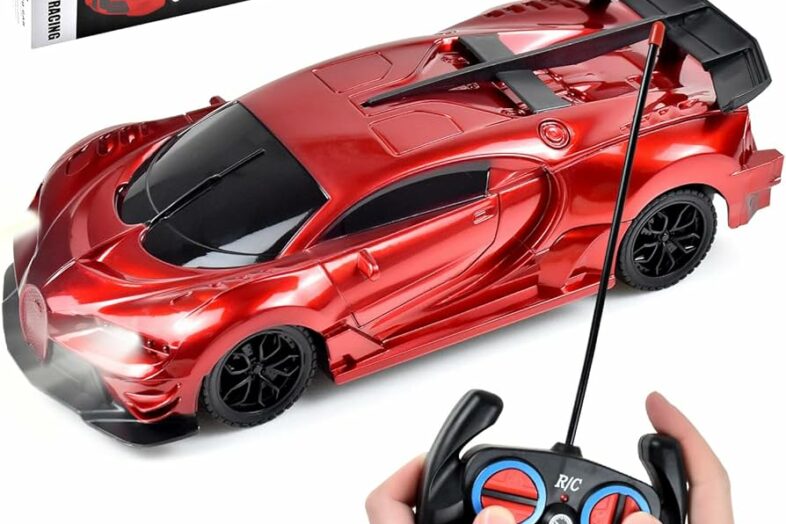
Remote control cars operate using a transmitter and receiver system. The transmitter sends radio signals to the car's receiver. This controls the car's movements, allowing it to move forward, backward, and turn. Simple, effective technology that's easy for beginners to understand.
Remote control cars have come a long way from their humble beginnings. The thrill of controlling a miniature vehicle from a distance has captivated both children and adults alike. With technological advancements, these tiny machines are now packed with features that enhance their functionality and user experience. Let's dive into the fascinating world of innovations in remote control cars and discover what's new.
Advanced Features
Modern remote control cars boast a variety of advanced features that elevate the excitement of driving them. Digital proportional control allows for precise steering and throttle adjustments, making the car respond smoothly to your commands. Brushless motors have replaced traditional brushed motors, providing more power and efficiency. Some models come equipped with gyro stabilization systems. This feature helps maintain stability during high-speed maneuvers, reducing the chance of flipping over. Just imagine effortlessly drifting around a corner with the confidence that your car will stay upright. Many remote control cars now include app integration. With a smartphone app, you can adjust settings, track performance, and even race against virtual opponents. This integration brings a new level of interactivity and customization, letting you tailor your driving experience to your preferences.
Future Trends
What does the future hold for remote control cars? One emerging trend is the use of augmented reality (AR). Imagine racing your car through a virtual track projected onto your living room floor. AR can transform any space into an exciting racecourse, adding layers of fun to your experience. Another trend gaining traction is the incorporation of artificial intelligence (AI). With AI, remote control cars can learn and adapt to different terrains, improving their performance over time. This could mean more intuitive controls and less manual adjustments for you. We're also seeing a shift towards sustainable energy sources. Electric-powered cars are becoming more common, and manufacturers are exploring solar charging options. This not only makes the hobby more eco-friendly but also reduces long-term costs for enthusiasts. As you explore these innovations, consider how they might enhance your enjoyment of remote control cars. Are you ready to embrace these new features and trends? The next time you pick up a remote, you might find yourself in control of a car that's smarter, faster, and more connected than ever before.
Credit: rcspotters.com

Credit: www.youtube.com
Frequently Asked Questions
How Does A Remote Control Toy Car Work?
Remote control toy cars use radio signals to operate. The transmitter in the remote sends signals to the receiver in the car. These signals control the motors, steering, and other functions. This allows the car to move and perform actions, providing an interactive play experience.
What Frequency Do Toy Car Remotes Use?
Toy car remotes typically use radio frequencies of 27 MHz or 49 MHz. These frequencies are common for toy devices. The specific frequency helps prevent interference with other devices. Advanced models may use higher frequencies like 2. 4 GHz for better control range and performance.
Can A Remote Control Car Work Without Batteries?
No, remote control cars need batteries to operate. The remote and car both require power. Batteries provide the necessary energy to transmit signals and power the car’s motors. Without batteries, the car cannot receive commands or move.
How Far Can A Remote Control Car Go?
The range of a remote control car varies by model. Basic models may have a range of 30 meters. More advanced models can reach distances of up to 100 meters or more. The environment and battery strength can also affect the car's range.
Conclusion
Remote controls make toy cars exciting and interactive. They use radio signals to move the car. Simple and efficient technology. Children love controlling their toys. It enhances playtime experience. Understanding how they work is fascinating. Adds a layer of fun to play.
Toy cars offer hours of entertainment. A great way to learn about technology. Encourages curiosity and exploration. Perfect for kids and adults alike. Explore the world of remote-controlled toys. Discover the joy of controlling movement. Dive into this engaging hobby today.
Create memorable moments with every race. Enjoy your toy car adventures!


