
When Do Babies Interact With Toys?
Have you ever wondered when your little one will start playing with those colorful toys you have so lovingly picked out? Watching your baby interact with toys is not just adorable, it's a crucial part of their development.
As a parent, you're eager to see those first signs of curiosity and play. Understanding when and how babies begin to engage with toys can help you support their growth in the most exciting way. Imagine the joy of seeing your baby’s eyes light up as they explore the world through play.
It’s more than just fun; it’s a vital step in their journey of learning and discovery. Dive into this article to uncover the magic behind those first playful interactions and how you can make the most of these precious moments.

Credit: www.amazon.com
Early Curiosity
As parents, one of the most delightful moments is watching your baby discover the world around them. Early curiosity is a remarkable phase where babies start to interact with toys, revealing their budding interests and sensory skills. But when does this fascination begin, and how does it evolve?
Newborn Sensory Exploration
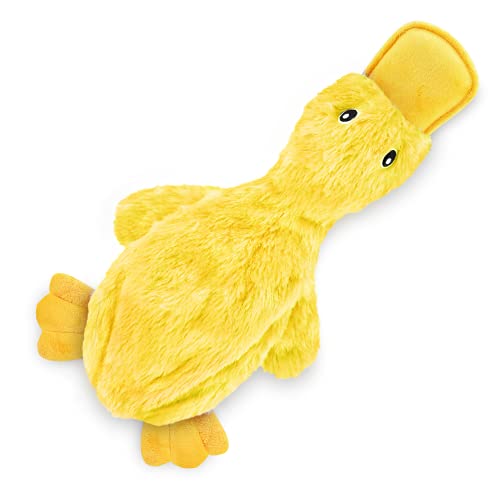
Even as newborns, babies are naturally curious. They start exploring their environment through sensory experiences. The soft texture of a plush toy or the gentle sound of a rattle can capture their attention. You might notice your baby staring intently at a mobile hanging above their crib. This is their way of soaking in the world.
Every sound, color, and texture is a new discovery. Parents can encourage this exploration by providing toys with contrasting colors and gentle sounds. Simple items like black and white cards or soft musical toys can engage a newborn's senses effectively. What's your baby's favorite sensory experience?
Grasping Reflex
Babies are born with a grasping reflex, an instinct that helps them hold onto objects. This reflex is particularly strong in the early months. If you place a toy in your baby's palm, you may notice their tiny fingers curling around it.
This reflex is not just adorable—it's a building block for developing motor skills. Providing toys that are easy to grasp, like soft blocks or rattles, can encourage your baby to practice their grip. As they grow, this reflex will evolve into more intentional grasping, paving the way for independent play.
How can you support your baby's grasping skills? Offer toys that are light and easy to hold, and observe their progress. Watching them develop these skills is both rewarding and exciting. What toy will your baby reach for next?
Understanding your baby's early curiosity and interaction with toys can be a joyful journey. By observing their sensory exploration and grasping reflex, you can choose toys that nurture their development. Enjoy these precious moments as your baby takes their first steps into the world of play.
Credit: www.cnet.com
Infant Play
Babies begin to interact with toys around three to four months old. They start by grasping and exploring textures. This stage is crucial for developing motor skills and curiosity.
Infant play is a critical part of your baby's development, offering them a world of discovery and interaction. As babies grow, their engagement with toys evolves, providing them with sensory experiences that are essential for their cognitive and physical growth. Understanding when and how your baby interacts with toys can help you make informed choices about the playthings you introduce.
Visual Engagement
From the very beginning, babies are naturally drawn to bright colors and contrasting patterns. Have you ever noticed how your newborn's eyes follow a mobile hanging above their crib? This is their first attempt at visual engagement. Toys with bold colors and simple shapes capture their attention and encourage them to focus. You can help nurture their visual skills by introducing soft books or toys with high-contrast images. As your baby grows, their ability to track moving objects improves. Try moving a toy slowly from side to side and watch as your baby's eyes follow. This not only entertains them but also strengthens their eye muscles.
Auditory Stimulation
Sound plays a vital role in a baby's interaction with toys. Rattles and musical toys are not just for fun; they help babies develop their auditory skills. Have you ever seen a baby's face light up at the sound of a gentle lullaby or a soft rattle? This is because they are learning to recognize different sounds and associate them with specific actions or objects.
Offering toys that make different sounds can enhance your baby's listening abilities. Shake a rattle on one side of their head and observe how they turn towards the sound. Consider introducing toys that play melodies or mimic animal noises. These toys can captivate your baby and encourage them to explore the world of sounds.
As you watch your baby interact with toys, remember that each play session is an opportunity for learning. What toys does your baby seem most attracted to? Which sounds make them smile or move their head in interest? These observations can guide you in choosing toys that support their developmental journey.
Tactile Discovery
Babies start exploring toys around three months old. Grasping objects becomes common as their curiosity grows. Bright colors and textures attract them, aiding in tactile discovery and development.
Tactile Discovery is a fascinating phase of a baby's development. As your little one begins to explore the world through touch, toys become more than just objects—they become tools for discovery. This stage is not only about fun but also about learning and growth.
Reaching And Grabbing
During the early months, babies start to develop the ability to reach and grab. This skill is crucial as it marks their initial step towards interacting with their environment. You'll notice the excitement in their eyes as they successfully clutch a rattle or a soft toy. Encourage this by placing toys within their reach. When they stretch out their tiny hands and manage to hold onto something, it's a small victory for them. This act of reaching and grabbing is not just about physical coordination but also about building confidence.
Textured Toys
Textured toys are a game-changer for tactile discovery. They offer diverse sensations that stimulate your baby's sense of touch. From soft plush toys to bumpy rubber balls, each texture teaches something unique. Consider introducing toys with different surfaces to enhance their sensory experience. Babies enjoy the contrast of smooth versus rough or hard versus soft.
Have you ever noticed how your baby gravitates towards that fuzzy teddy bear or crinkly book? It’s because these textures are intriguing and inviting to their curious fingers. Think about how these small interactions prepare them for future learning. What kind of textured toys does your baby enjoy? Share your experiences and see how other parents introduce tactile discovery to their little explorers.
Active Interaction
Active interaction with toys marks a significant milestone in a baby's development. It's the phase where babies begin to explore their environment more energetically. During this stage, they engage with toys through various methods, enhancing their cognitive and motor skills. Understanding how babies interact actively with toys can provide insights into their growth and learning processes.
Cause And Effect Learning
Babies start to understand cause and effect through play. They push a button and a toy lights up. They shake a rattle and hear sounds. These actions teach them about consequences. Each interaction builds curiosity. Babies learn that their actions can change their surroundings.
Manipulation And Movement
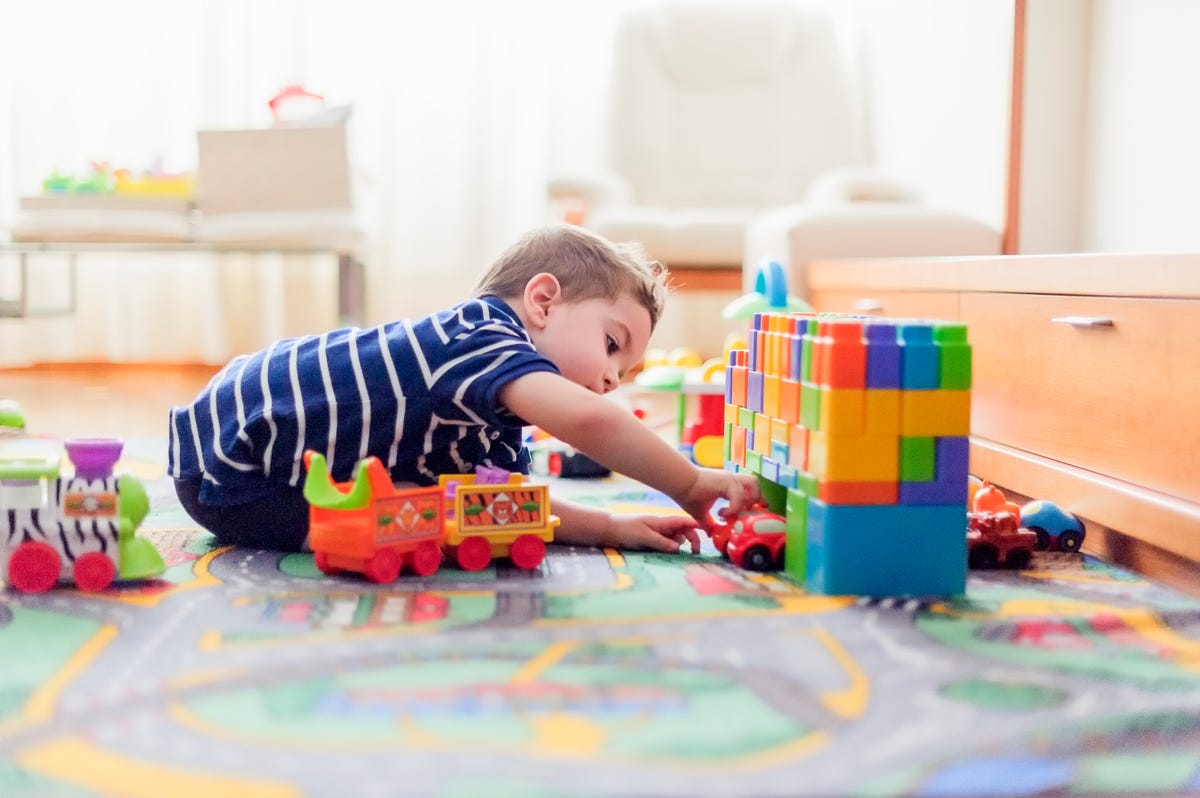
Manipulating toys helps babies improve hand-eye coordination. Grasping, squeezing, and moving toys are crucial. These activities enhance fine motor skills. Babies learn to control their movements better. Rolling a ball or stacking blocks become engaging tasks. This manipulation promotes muscle development and spatial awareness.
Social Play
Social play is crucial for a baby's development. It helps them understand how to connect with others. Through social play, babies learn about communication. They start recognizing emotions and expressions. It is a key part of growing up. Toys often play a role in this process.
Imitation And Mimicry
Babies love to imitate actions. It is their way of learning. When they see someone clapping, they might try to copy. Toys that make sounds can encourage this behavior. Think of toy phones or musical instruments. Babies mimic the sounds they hear. This helps improve their listening skills.
Interactive Games
Interactive games are great for social play. They involve more than one person. Peek-a-boo is a popular choice. Babies wait for the reveal with excitement. Toys like stacking blocks can be used in these games. Parents can stack, and babies can knock them over. These games teach turn-taking and patience.
Games with toys often teach cause and effect. Babies press a button and a toy lights up. They learn that actions create reactions. This understanding is a big step in their development. Interactive games encourage bonding between babies and caregivers.
Cognitive Engagement
Babies begin interacting with toys around three months old. Their curiosity grows, leading to playful exploration. Simple toys stimulate cognitive engagement, sparking interest and aiding development.
Babies start interacting with toys early in life. This interaction fosters cognitive engagement. Toys stimulate a baby's brain, encouraging learning and development. They offer a variety of textures, colors, and sounds. These elements captivate a baby's attention. As a result, babies begin to explore and understand their environment. Toys play a crucial role in this process.
Problem Solving Skills
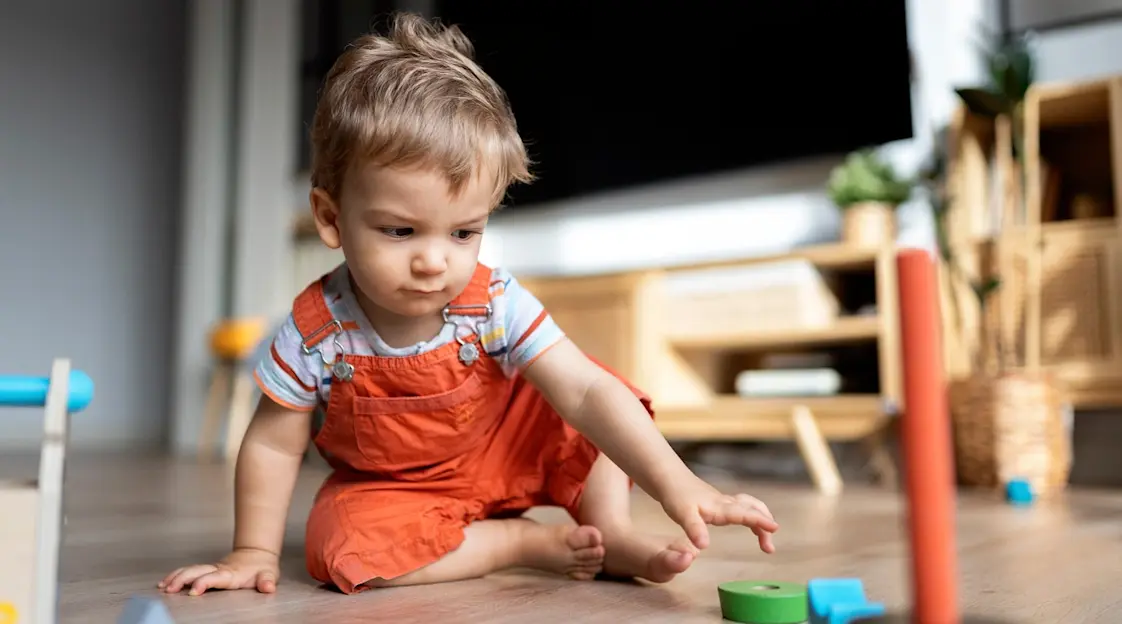
Toys challenge babies with simple problems. For example, stacking rings or fitting shapes into slots. These activities promote problem-solving skills. Babies experiment to find solutions. They learn which actions lead to success. Each success boosts their confidence. They feel motivated to tackle more challenges.
Memory And Recognition
Toys help develop memory and recognition. Babies remember familiar toys and sounds. Repeated play strengthens these memories. Recognition skills improve with time. Babies learn to identify toys by sight or feel. This recognition forms the basis for future learning. It helps them make sense of the world around them. `
Credit: www.thebump.com
Frequently Asked Questions
When Do Babies Start Playing With Toys?
Babies typically begin interacting with toys around 3 to 4 months old. At this age, they become curious about their surroundings. They start reaching out, grasping, and exploring objects with their hands. Simple toys like rattles and soft plush toys can engage their senses and stimulate development.
Why Are Toys Important For Baby Development?
Toys are crucial for a baby’s cognitive and physical development. They help enhance motor skills, hand-eye coordination, and sensory exploration. Interactive toys encourage problem-solving and creativity. They also support emotional and social growth, as babies learn to share and communicate through play.
What Toys Are Suitable For Newborns?
For newborns, soft toys, rattles, and colorful mobiles are ideal. They stimulate visual and auditory senses. Simple toys with contrasting colors or gentle sounds can captivate a baby’s attention. Safety is paramount, so ensure toys are non-toxic and free from small parts.
How Do Toys Aid Sensory Development In Infants?
Toys with different textures, sounds, and colors enhance sensory development. They help babies explore their senses of touch, sight, and hearing. Grasping toys improve fine motor skills. Sensory play with toys boosts cognitive growth, as infants learn to process and react to different stimuli.
Conclusion
Babies start interacting with toys around three months old. At this age, their curiosity grows. They enjoy exploring textures, colors, and sounds. Toys help develop their senses and skills. Parents should offer safe and age-appropriate toys. Watching a baby play can be delightful.
It shows their growing interest in the world. Remember, each baby develops at their own pace. Some may engage with toys earlier, others later. Patience and encouragement are key. By observing and playing, you support your baby's development. Enjoy these precious moments as they explore and learn.