
Watching your baby grow and explore the world is a thrilling experience. As a parent, you eagerly anticipate each new milestone, and one of the most exciting is when your little one starts grabbing toys.
This isn't just a cute habit; it's a crucial step in their development. It marks the beginning of their journey to discovering their surroundings and understanding how objects work. You might be wondering when exactly this happens, what it means for your baby's growth, and how you can support them during this time.
Get ready to dive into the fascinating world of your baby’s development and learn why grabbing toys is more than just a playful gesture. By the end of this article, you’ll have the insights you need to encourage and celebrate this joyful phase.
Early Grasping Reflex
Babies start grabbing toys around 3 to 4 months. They develop the early grasping reflex as they explore their world. This milestone marks the beginning of their hand-eye coordination journey.
When your little one starts grabbing toys, it's a fascinating milestone that shows their developing motor skills. But did you know this journey begins much earlier with something called the early grasping reflex? This reflex is a natural instinct babies have from birth, paving the way for more coordinated movements as they grow.
Understanding The Early Grasping Reflex
The early grasping reflex is an involuntary reaction that babies are born with. When you place your finger in your baby's palm, they instinctively wrap their tiny fingers around yours. This reflex is not just adorable; it's a sign of healthy neurological development. You might find yourself marveling at how strong their grip is, even at such a tender age. It's amazing to think that this reflex, which appears so simple, is actually laying the groundwork for more complex motor skills. As you watch your baby grow, you'll notice how this reflex gradually transitions into voluntary grasping.
The Transition To Voluntary Grasping
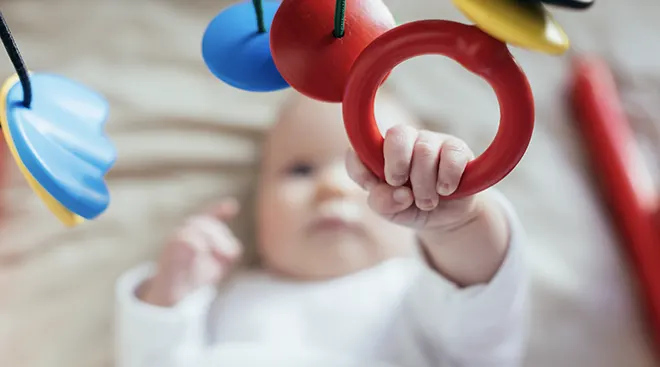
Around three to four months, you'll see your baby starting to reach out and grab objects intentionally. This shift from reflexive to voluntary grasping is a significant developmental milestone. You might remember a moment when your baby first grabbed a toy on their own. It’s a proud moment, isn’t it? To encourage this transition, offer your baby toys that are easy to hold. Soft rattles or textured rings can be great choices. You’ll notice your baby experimenting with different grips, trying to understand how their fingers work. It’s like watching a tiny scientist at work, exploring their world with curiosity.
Encouraging The Grasping Skill
Your involvement can greatly enhance your baby's ability to grasp. Spend time playing with your baby, offering toys and watching their reactions. Have you noticed how they love colorful and noisy toys? These can stimulate their senses and motivate them to reach out more. Try setting up a safe play area where your baby can freely explore. Position toys within their reach and encourage them to grab. Celebrate their successes, no matter how small. Your cheers and smiles are powerful motivators for your baby to keep trying.
Safety First In Grasping Adventures
As your baby becomes more adept at grasping, they will naturally want to explore everything with their hands. Always ensure the toys are safe—free from small parts or choking hazards. Have you checked the toys for sharp edges or loose parts? It's a simple step, but crucial in keeping your baby safe. Think about the environment too. As your baby grows more mobile, they might reach for objects beyond toys. Keep an eye on their surroundings, ensuring everything within reach is baby-friendly. This way, you can let them explore while keeping peace of mind. Watching your baby develop the ability to grasp is an exciting journey. How are you planning to support your baby through this stage?
Credit: www.thebump.com
Hand-eye Coordination
Babies typically start grabbing toys around 3 to 4 months old. This marks the beginning of developing hand-eye coordination. Watching them reach and grasp is a delightful milestone for parents.
Hand-eye coordination is a vital skill that begins to develop early in a baby's life. This ability to coordinate vision with hand movement is crucial for many future activities, like writing and playing sports. Watching a baby start to grab toys is an exciting milestone that shows this coordination in action. It’s fascinating to witness how these little explorers learn to interact with their world.
Understanding Hand-eye Coordination
Babies begin developing hand-eye coordination as early as two months old. They start by watching their hands move and gradually work towards reaching and grabbing objects. This process is not only essential for physical development but also for cognitive growth. At around three to four months, babies start to show interest in toys. They will attempt to bat at dangling objects or reach out for colorful toys. This is the beginning of their hand-eye coordination journey, where they learn to connect what they see with how they move.
Encouraging Your Baby’s Development
You can help your baby’s hand-eye coordination by providing a variety of toys. Soft, colorful toys that make noise can capture their attention and encourage reaching. Try placing toys within arm's reach to motivate them to grasp. Consider using a play gym with hanging toys. Babies enjoy lying on their backs and trying to touch or grab the dangling objects. This not only helps coordination but also strengthens their arms and shoulders.
Observing Milestones
By six months, most babies can reach and grab toys with greater accuracy. They may pass objects from one hand to another, demonstrating improved coordination. Each baby is unique, so celebrate these milestones at their own pace. Have you noticed your baby focusing intently on a toy before reaching for it? This is a sign of developing focus and concentration, vital components of hand-eye coordination.
Practical Tips For Parents
Engage in activities that stimulate your baby's senses. Play games like peek-a-boo or use textured toys that encourage exploration. Always ensure toys are safe and appropriate for their age. Create a safe and inviting play space. Encourage tummy time with toys placed just out of reach to promote reaching and grabbing. Are there other creative ways you’ve found to support your baby’s development? Share your experiences with other parents. In nurturing your baby’s hand-eye coordination, you're laying the foundation for many future skills. It's a rewarding journey, full of small triumphs and joyful discoveries. Embrace each moment and enjoy watching your little one grow and learn.
Age And Milestone Timeline
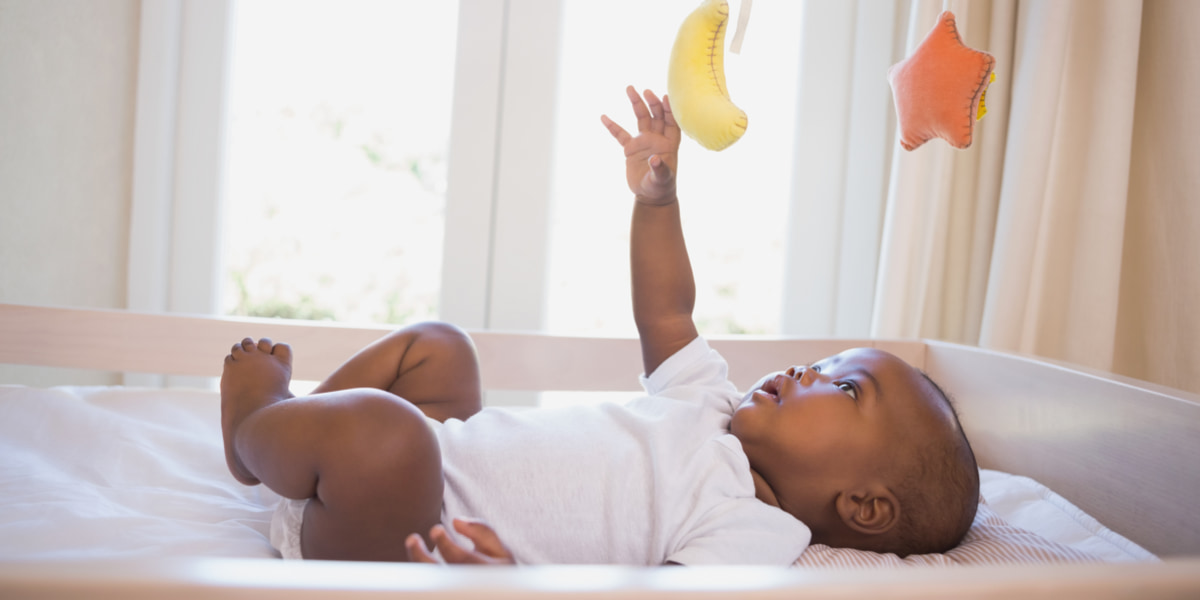
Babies typically start grabbing toys around 3 to 6 months old. This milestone marks their growing curiosity and motor skills. Parents often notice increased hand-eye coordination during this phase.
Understanding when babies start grabbing toys can be both exciting and a little puzzling. You might find yourself eagerly watching your little one, waiting for that first sign of coordination. This milestone is not just about play; it’s a crucial part of their development. Grasping toys helps in building hand-eye coordination and cognitive skills. Knowing the age and milestone timeline will help you track your baby’s progress and provide the right support they need.
3 To 4 Months: The First Attempts
At around 3 to 4 months, your baby will start showing interest in reaching out. You might notice their small hands opening and closing as if they are testing their newfound skills. Keep a close eye, as this is when they begin to aim for that colorful rattle or plush toy. It's a perfect age to place toys within their reach during tummy time. Offering different textures can stimulate their senses and encourage more grabbing.
5 To 6 Months: Developing Coordination
By 5 to 6 months, babies typically improve their coordination. Your baby may not just grab a toy, but also switch it from one hand to the other. This is a clear sign that their motor skills are advancing. During this stage, you can introduce toys that make sounds or have moving parts. These toys will keep your baby engaged and help refine their motor skills further.
7 To 9 Months: Mastering The Skill
Between 7 and 9 months, babies often become masters at grabbing. They can now use their fingers more precisely, often using a pincer grasp with thumb and forefinger. Incorporate toys that challenge their grip and finger strength, like stacking blocks or small puzzles. Watching them play, you'll see how focused and determined they become.
10 To 12 Months: Grabbing With Purpose
As your baby approaches their first birthday, grabbing becomes purposeful. They might reach for toys to examine them closely, showing curiosity and a desire to explore. You might notice them pushing or pulling toys, which indicates an understanding of cause and effect. Encourage this learning by providing toys that offer various interactions. Every baby is unique and might reach these milestones at different times. Celebrate each small achievement and support your baby with toys that match their developmental stage. Which stage is your little one at, and how do they react to new toys? Share your stories and connect with others who are experiencing the same exciting journey.
Credit: www.parentclub.scot
Factors Influencing Grabbing Skills
Grabbing toys is a vital milestone in a baby's development. It marks the beginning of their interaction with the world. Many factors influence how and when a baby starts grabbing toys. Understanding these can help parents support their child's growth effectively. Two major factors play a role: genetic influences and environmental stimulation.
Genetic Influences
Genetics can significantly impact a baby's grabbing skills. Babies inherit traits from their parents. These traits affect muscle development and coordination. Some babies may have a natural advantage in physical abilities. Others might take more time to develop these skills. Each baby is unique in their genetic makeup. This uniqueness influences their developmental pace. Parents should observe and celebrate their baby's individual progress.
Environmental Stimulation
The environment plays a crucial role in developing grabbing skills. Babies exposed to stimulating environments tend to develop faster. Toys, colors, and sounds encourage exploration and interaction. Providing a variety of toys can enhance a baby's grabbing ability. Babies learn through play, so diverse toys are essential. A safe and engaging environment fosters curiosity. It encourages babies to reach out and explore more.
Encouraging Motor Skills
Encouraging motor skills in babies is a delightful journey that sets the foundation for their growth and development. As they begin to reach out and grab toys, they are taking their first steps towards mastering hand-eye coordination and fine motor skills. These skills are not just about physical development but also about fostering curiosity and learning. By understanding the importance of these milestones, you can help your little one explore the world around them with confidence and joy.
Toys And Tools
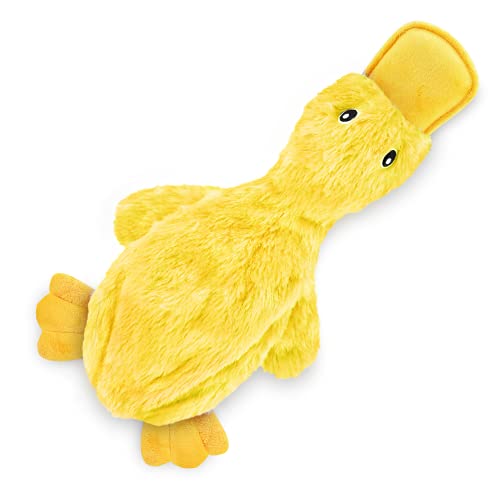
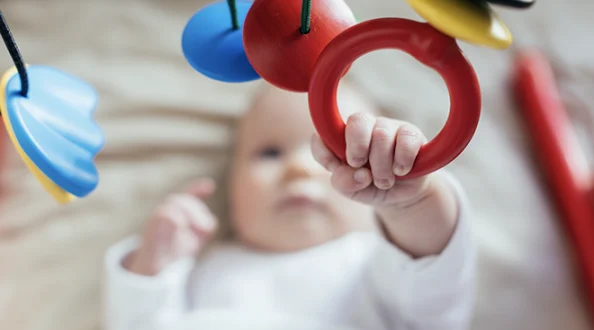
Choosing the right toys is crucial in encouraging motor skills. Opt for toys that are easy to grasp and have interesting textures. Soft rattles, colorful rings, and plush animals can be great starters. These toys stimulate their senses and help them practice holding and shaking.
Consider tools like play mats with hanging toys. These provide a safe space for your baby to explore different movements. Watch as they stretch out their little arms to grab a toy, strengthening their muscles with every attempt.
Have you noticed how your baby responds to different toys? This observation can guide you in selecting toys that enhance their skills. The joy on their face when they successfully grab a toy is priceless!
Interactive Play
Interactive play is a fun way to boost motor skills. Engage with your baby by showing them how to use toys. Hold a toy just out of reach and encourage them to grab it. This simple act can motivate them to improve their coordination.
Playing together fosters bonding and learning. Spend time stacking blocks or rolling balls back and forth. These activities not only enhance motor skills but also teach cause and effect.
Think about the moments you shared with your baby during playtime. Those giggles and wide-eyed expressions show how much they enjoy learning through play. What new games can you introduce to make playtime even more engaging?
By actively participating in your baby's play, you create a nurturing environment for growth. Celebrate their achievements and offer gentle guidance to help them reach new milestones. This shared experience is as rewarding for you as it is for them.
Credit: www.thebump.com
Signs Of Delayed Development
Babies typically start grabbing toys around 3 to 5 months old. Delayed development may be indicated if this milestone isn't met by 6 months. Observing these signs helps parents seek early intervention if necessary.
Recognizing the signs of delayed development is crucial for ensuring your baby's healthy growth. While all babies develop at their own pace, certain milestones, like grabbing toys, provide valuable insights into their progress. Understanding what to look for can help you identify if your baby might need additional support.
What To Look For
Babies usually start reaching for and grabbing toys around the age of three to four months. If your baby isn't showing interest in toys or doesn't attempt to grasp objects by six months, it might be a sign of delayed development. It's essential to pay attention to their general hand-eye coordination and whether they react to colorful or noisy toys.
Lack Of Interest In Toys
Is your baby uninterested in the colorful array of toys you offer? A lack of curiosity or engagement can indicate they might need some help. Babies are naturally curious, so it's worth noting if they're not trying to explore their surroundings through touch.
Minimal Hand Movements
Observe your baby’s hand movements. Are they showing little to no effort in reaching out? By six months, babies should attempt to grasp and manipulate toys. If their hands remain mostly still, it might be time to consult a pediatrician.
Poor Eye Tracking
Babies typically follow moving objects with their eyes. If your baby struggles to track a toy moving in front of them, it could indicate a delay. Try moving a toy slowly from side to side and observe their eye movements.
When To Seek Guidance
Have you noticed several of these signs? It's always a good idea to talk to your pediatrician if you have concerns. Early intervention can make a significant difference in your child's development. Remember, every baby is unique and may develop at their own pace. However, being proactive in monitoring their progress can help ensure they receive the support they need. Are you observing any of these signs in your baby? Don't hesitate to reach out for guidance and ensure your little one is on the path to healthy development.
When To Consult A Pediatrician
Babies usually start grabbing toys between three to five months. As they explore the world, their curiosity grows. Parents often watch these milestones with joy. But sometimes, concerns arise about a baby's development. It’s important to know when a pediatrician’s advice is needed.
When Grabbing Toys Is Delayed
If your baby doesn’t grab toys by six months, it might be a sign. Some babies take longer, but consulting a pediatrician can be reassuring. Early advice helps address potential issues.
Signs Of Weak Muscle Tone
Notice if your baby struggles to lift toys. Weak muscle tone can affect their ability to play. A pediatrician can assess if there’s a problem. They can suggest exercises to strengthen muscles.
Lack Of Interest In Toys
Babies naturally love exploring. If toys don’t attract them, it might be a concern. This behavior could indicate a developmental delay. Discuss these observations with a pediatrician.
Difficulty Coordinating Movements
Watch if your baby has trouble moving hands or fingers. Coordination is key for grabbing toys. A pediatrician can check motor skills. They might recommend activities to improve coordination.
Persistent Fist Clenching
Babies often clench fists, but a constant clench can be a sign. It might affect their ability to hold toys. A pediatrician can evaluate and offer guidance.
Sudden Changes In Behavior
Changes in grabbing habits could signal an issue. Sudden behavior shifts should be discussed. A pediatrician can provide insights and solutions.
Frequently Asked Questions
When Do Babies Start Grabbing Toys?
Babies typically begin to grab toys around 3 to 4 months old. At this age, their hand-eye coordination improves. This allows them to reach out and hold objects. It's a crucial developmental milestone. Encourage this by offering various safe, colorful toys to stimulate their interest and motor skills.
How Can I Encourage My Baby To Grab?
Encourage your baby by offering colorful and textured toys within reach. Place toys just slightly out of their grasp. This motivates them to reach out and grab. Engage with them during playtime to develop their motor skills. Respond positively to their efforts to boost confidence and interest.
Are There Specific Toys Best For Grabbing?
Soft, colorful toys with varied textures are ideal for grabbing. Rattles, soft blocks, and teething rings are excellent choices. They provide sensory stimulation and are easy for little hands to hold. Make sure toys are safe, non-toxic, and appropriate for your baby's age to prevent choking hazards.
What If My Baby Doesn't Grab Toys?
If your baby isn't grabbing toys by 6 months, consult your pediatrician. Every baby develops at their own pace. However, it's good to rule out any developmental concerns. Provide ample opportunities and encouragement for practice. Simple activities and consistent playtime can make a difference.
Conclusion
Babies grabbing toys mark a key milestone. This skill shows development progress. Parents should encourage this by providing safe, colorful toys. These toys help strengthen hand-eye coordination. Every baby grows at their own pace. So, patience is key. Observing these moments can be joyful.
Celebrate each little achievement. It builds confidence in your child. Keep engaging them with new experiences. Their curiosity will guide them. Enjoy watching their journey. It’s a precious time. Cherish every step along the way.