

How Do Youget a Toddler to Stop Throwing Toys?
Are you constantly dodging flying toys while trying to keep your toddler entertained? You're not alone.
Many parents find themselves in the midst of a toy-tossing battle, wondering how to put an end to it. Understanding why your little one throws toys and learning effective strategies can transform your daily routine from chaos to calm. Imagine a home where toys stay on the ground, and playtime is more peaceful.
This guide will help you uncover the reasons behind this behavior and offer practical solutions to help your toddler play without the drama. Read on to discover how you can bring harmony back to your home and enjoy more serene playtimes.
Understanding Toy-throwing Behavior
Toddlers often throw toys to express emotions or seek attention. Offer alternative activities to redirect this behavior. Praise them when they play gently, encouraging more positive actions.
Understanding Toy-Throwing Behavior As a parent, you're probably familiar with the frustration of seeing toys fly across the room. It's easy to think your toddler is just being mischievous. But there's more to it than meets the eye. Understanding why this behavior occurs is crucial to addressing it effectively.
Common Reasons For Throwing Toys
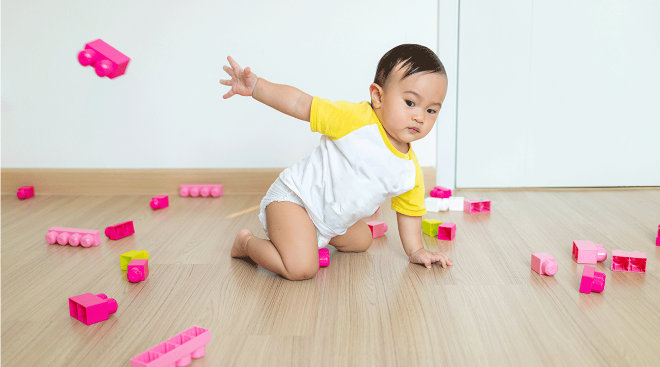
Toddlers throw toys for various reasons. Sometimes, it's a way to express excitement or frustration. They might not have the words to say how they feel. Throwing becomes a quick outlet for those emotions. Curiosity also plays a big role. Your child might be exploring what happens when a toy hits the floor. It’s their way of learning cause and effect. Have you ever seen the joy in their eyes when a toy lands with a satisfying crash? Attention-seeking can be another reason. If your toddler notices that throwing toys gets a strong reaction, they might repeat the behavior. It’s a simple method of grabbing your focus, albeit a disruptive one.
Developmental Stages And Toy Throwing
Toy throwing can relate closely to developmental stages. At around 18 months, children start understanding object permanence. They realize objects exist even when they can't see them. This newfound concept might inspire them to test it by throwing toys. Motor skills are developing rapidly at this age. Throwing is a way to practice control and coordination. Your child may be honing their abilities, trying different angles and distances. Communication skills are another factor. If your toddler struggles to articulate their needs or feelings, throwing toys might be their way of conveying them. You might have experienced moments where a tantrum subsides as soon as they manage to express themselves verbally. Have you considered looking at toy throwing as part of a learning process rather than a nuisance? Understanding these stages can guide you in responding to your child’s behavior more empathetically and effectively.
Creating A Safe Environment
Toddlers often throw toys to express frustration or seek attention. Offer alternative activities to channel their energy. Praise them when they play gently to encourage good behavior. Create a safe play area with soft surfaces to minimize risks.
Creating a safe environment for your toddler is crucial in curbing the habit of throwing toys. When your child feels secure and comfortable, they're less likely to act out through such behaviors. A well-structured environment not only prevents accidents but also promotes positive play habits. So, how can you create a space that encourages better behavior? Let’s dive into some practical steps.
Childproofing Play Areas
Childproofing is more than just covering electrical outlets. It's about setting up a space where your toddler can explore safely. Start by removing any fragile or valuable items from the play area. This not only protects your belongings but also reduces the temptation for your child to throw items they shouldn't. Consider using furniture with rounded edges to prevent injuries if your child falls. Secure large furniture to the walls to avoid tipping. Use soft rugs or foam mats to cushion falls. Remember, a safe environment gives your child the freedom to play without constant intervention.
Selecting Appropriate Toys
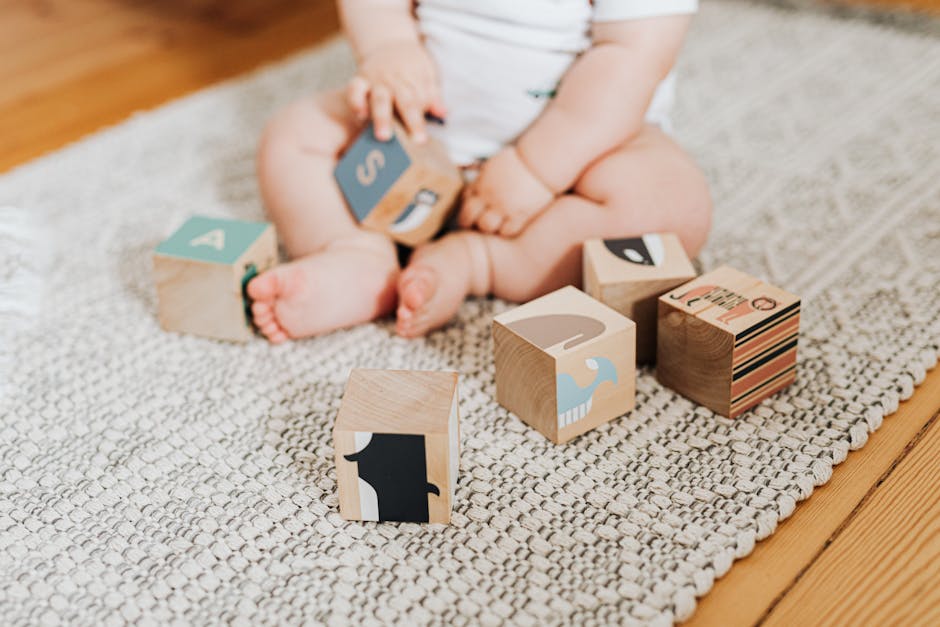
Choosing the right toys is essential in preventing throwing. Opt for toys that are too heavy or awkward to throw, like large stuffed animals or chunky wooden blocks. These not only discourage throwing but also engage your toddler with their weight and texture. Offer toys that encourage interaction and problem-solving, like building sets or puzzles. Such toys can keep your toddler engaged for longer periods, reducing the urge to throw out of boredom. Rotate toys regularly to maintain interest and prevent your child from feeling overwhelmed by options. Have you ever noticed how your toddler behaves differently in various environments? By tweaking their play space and selecting the right toys, you can significantly influence their behavior. Are there certain toys or setups that seem to work better for your child? Share your thoughts and experiences in the comments below!
Effective Communication Techniques
Encourage toddlers to express feelings with words instead of actions. Redirect their attention to a different activity. Praise positive behavior to reinforce good habits and discourage toy throwing.
Toddlers are curious little beings, and their way of exploring the world can sometimes lead to toys being thrown around. It can be challenging to manage this behavior, but using effective communication techniques can make a significant difference. By focusing on how you communicate, you can guide your toddler towards better habits and a more peaceful playtime.
Using Positive Language
When addressing your toddler's behavior, try using positive language. Instead of saying "Don't throw your toys," you might say, "Let's keep the toys on the floor so we can play with them." This approach encourages your child to focus on what they should be doing rather than what they shouldn’t. Positive language can shift a toddler's mindset. It helps them feel encouraged rather than reprimanded. Have you noticed how your tone and words can change your toddler's reaction?
Setting Clear Boundaries
Setting clear boundaries is essential for toddlers. They need to understand what is acceptable and what is not. Explain that toys are for playing, not throwing, and remind them gently but consistently. Consistency in setting boundaries can make a difference. If you set a rule, ensure you stick with it. Does your toddler know what to expect from you when they test the limits? Consider using visual aids or simple charts. This can help your toddler understand the boundaries more clearly. By setting and maintaining clear boundaries, you provide a safe space for your toddler to learn and grow.
Distraction And Redirection
Toddlers throwing toys can be challenging. Distraction and redirection are effective techniques. Redirecting their energy and focus can help reduce unwanted behavior.
Changing a toddler's focus can be a powerful tool. It helps guide them away from negative actions. Let's explore how these strategies can work.
Engaging In Alternative Activities
Introduce fun activities to capture their interest. Activities like drawing or playing with blocks can be great options. These activities can keep them busy and happy.
Physical activities can be beneficial too. Dancing or simple exercises can expend energy positively. Choose activities that match their interests.
Introducing New Toys
New toys can redirect attention effectively. Choose toys that are safe and engaging. Rotate toys to maintain curiosity.
Opt for toys that promote learning. Puzzles or building sets encourage creativity. These toys can stimulate their mind and keep them occupied.
Remember, patience is key. Every child is unique and responds differently. Explore various methods to find what works best.
Promoting Emotional Expression
Promoting emotional expression can help toddlers manage their feelings. Understanding emotions reduces frustration and tantrums. It aids them in expressing themselves without throwing toys. This approach fosters a calm environment, encouraging toddlers to communicate their feelings effectively. Parents can guide their children in recognizing emotions, leading to better emotional regulation.
Teaching Emotional Vocabulary
Start by introducing simple emotion words. "Happy," "sad," "angry," are easy to understand. Use daily situations to explain these words. Show them how to describe their feelings. This helps toddlers connect words to emotions. As they learn, they'll express themselves better. Encourage them to use these words when they're upset.
Encouraging Healthy Outlets
Provide activities that allow emotional expression. Art and music can be great outlets. Drawing helps children show their feelings. Singing can lift their mood. Physical activities like dance or play can also help. These outlets let toddlers release energy positively. Encourage them to choose what they enjoy. Guide them in using these outlets regularly. This practice reduces toy throwing over time.

Credit: www.babycenter.com
Reinforcement Strategies
Toddlers throwing toys can be a common issue. Parents often seek strategies to manage this behavior. Reinforcement strategies can help guide toddlers towards better behavior. These methods focus on encouraging desired actions and discouraging unwanted ones. They help toddlers learn about acceptable behavior in a positive way.
Praise And Positive Reinforcement
Praise plays a critical role in behavior management. Acknowledge when your toddler plays nicely. Use specific language. Say things like, "Great job playing gently with your toys!" This kind of praise reinforces the behavior you want to see. Give praise immediately after good behavior. This makes the connection clearer for your toddler.
Positive reinforcement goes beyond words. Use small rewards to motivate your child. Stickers or extra playtime can be effective. Ensure rewards are appropriate and timely. This encourages your toddler to repeat good behavior.
Consistency In Rules And Consequences
Consistency is key in teaching toddlers. Set clear rules about toy throwing. Make sure your child understands them. Explain what will happen if toys are thrown. Follow through with consequences each time. This helps your toddler understand the importance of rules.
Consistency in reactions is equally important. If you ignore toy throwing sometimes, it confuses your toddler. Always respond in the same manner. This builds a predictable environment. It helps your child feel secure in knowing what to expect.
Seeking Professional Guidance
Parents often face challenges with toddlers throwing toys. This behavior can stem from frustration, excitement, or simply exploring boundaries. While many strategies can help, seeking professional guidance offers deeper insights. Understanding when and why to consult experts can make a significant difference.
When To Consult A Pediatrician
Frequent toy-throwing might signal deeper issues. If your toddler seems uncontrollable or overly aggressive, consider consulting a pediatrician. They can assess if there are underlying health concerns. Sometimes, hearing or vision problems can affect behavior. Addressing these early can prevent long-term issues.
Role Of Child Psychologists
Child psychologists specialize in understanding toddler behavior. They offer strategies tailored to your child's needs. If traditional methods fail, a psychologist can help. They can identify emotional triggers and provide coping mechanisms. Sessions with a psychologist often involve family participation, ensuring cohesive solutions.

Credit: www.whattoexpect.com
Credit: www.thebump.com
Frequently Asked Questions
Why Do Toddlers Throw Toys?
Toddlers throw toys to express emotions or seek attention. It's a normal part of development. They are exploring cause and effect. Understanding their motivation can help address the behavior effectively.
How Can I Prevent Toy Throwing?
Prevent toy throwing by setting clear boundaries and offering alternatives. Redirect their energy to suitable activities. Consistent discipline and positive reinforcement can reduce the behavior.
What Are Safe Toy Alternatives?
Safe toy alternatives include soft toys, building blocks, and interactive games. Offer toys that encourage creativity and engagement. Choose age-appropriate toys to ensure safety.
How To Handle A Toy Throwing Incident?
Stay calm and address the behavior immediately. Explain why it's wrong in simple terms. Encourage your toddler to express feelings with words.
Conclusion
Helping toddlers stop throwing toys requires patience and consistency. Understand their feelings and guide them gently. Set clear rules about handling toys. Praise positive behavior and offer alternatives. Create a calm environment that reduces frustration. Engage them in activities that boost focus.
Safety should be a priority. Consistent, loving guidance fosters positive change. Embrace each moment as a learning opportunity. With time, toddlers learn better ways to express themselves. Keep communication open and supportive. Your efforts lead to a happier, more peaceful playtime.
Stay calm, and nurture their growth with understanding and care.