
Imagine your little one happily playing with their favorite toys. But have you ever wondered how clean these toys really are?
Infants and toddlers explore the world by touching and tasting, making their toys a hotspot for germs. You want to keep your child safe and healthy, so understanding how often to disinfect their toys is crucial. We'll uncover the secrets to maintaining a clean play environment without going overboard.
You'll discover simple strategies to protect your child from harmful bacteria while still allowing them the freedom to play and grow. Keep reading, and you'll learn exactly when and how to make their playtime safer, ensuring peace of mind for you and a healthier world for them.

Credit: www.maids.com
Importance Of Clean Toys
When you think about the bustling activity that surrounds infants and toddlers, one thing that stands out is their toys. Toys are more than just playthings; they are essential tools that aid in development. However, they also collect germs, dust, and dirt with every tiny hand that touches them or every curious mouth that explores them. Keeping these toys clean isn’t just about aesthetics—it's crucial for your child's health and well-being.
Ensuring that your child's toys are regularly disinfected is a vital step towards maintaining a healthy environment. Kids are naturally curious and love exploring their surroundings, often using their mouths as a primary tool for investigation. This habit easily transfers germs from toys to their bodies.
I remember the time my niece gleefully explored her playroom. She picked up a plush toy and immediately gave it a slobbery hug. It was adorable, but it made me realize the importance of clean toys. It's not just about preventing dirt; it's about safeguarding health.
Health Benefits
Clean toys contribute significantly to your child's health. By eliminating germs and bacteria, you reduce the risk of infections. This is particularly important during the flu season when viruses are rampant.
Regular disinfection of toys can help bolster your child's immune system. This proactive approach ensures that they are less likely to catch common illnesses, allowing them to play freely and happily.
Prevention Of Illness
Imagine the peace of mind you get when you know your child's toys are germ-free. Disinfecting toys regularly prevents the spread of illnesses. It’s a simple task that can save your child from frequent doctor visits.
Consider making toy disinfection a regular part of your cleaning routine. You could use child-safe disinfectants or even homemade solutions like vinegar and water. This small change can have a big impact on your child’s health.
Are you ready to make toy cleaning a priority? Your child's playful antics should only bring joy, not germs. Regular disinfection is a small step with huge benefits. Remember, a clean toy is a happy toy!

Credit: iowaccrr.org
Factors Influencing Frequency
Determining how often to disinfect toys depends on several factors. Toys should be cleaned regularly, especially when shared or after illness. Consider the type of toy material and exposure to germs to decide the frequency.
When it comes to keeping your little one's playthings clean, understanding how often to disinfect toys can feel overwhelming. The frequency with which you need to clean them doesn't have a one-size-fits-all answer. It largely depends on several factors, including the age of your child, the type of toy, and the environment in which they play. Let's dive into these key considerations to help you make informed decisions.
Age Of Child
Infants and toddlers explore the world with their mouths. If your child is in the infant stage, toys should be disinfected more frequently. Babies under one year old are more susceptible to germs, so consider disinfecting toys at least once a week. For toddlers, who are more mobile and curious, toys may not need to be cleaned as often. However, it's still wise to disinfect them every few weeks. Toddlers might not put toys in their mouths as often, but they do touch everything, spreading germs around.
Type Of Toy
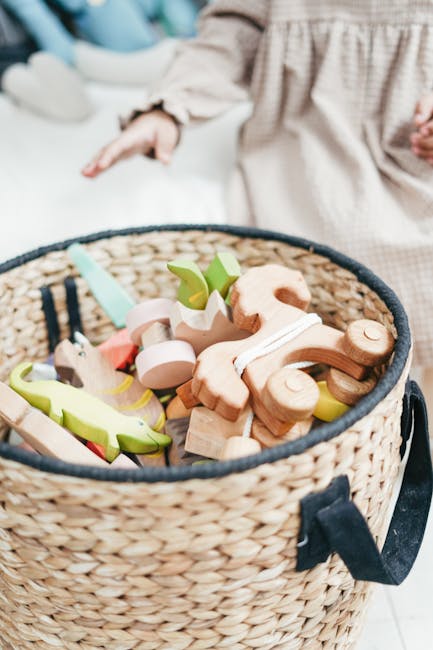
Different toys require different cleaning schedules. Soft toys like stuffed animals can harbor dust and allergens. Washing them once a month can help maintain hygiene without damaging the toy. Plastic toys, especially those used in bathtubs or pools, can develop mold. These should be disinfected weekly. Consider toys with electronic components—clean these with a damp cloth and mild disinfectant, as submerging them in water could ruin them.
Environment
Where your child plays significantly influences how often you should disinfect toys. Toys used in a daycare setting or shared with other children should be cleaned more frequently. Germs spread quickly in communal environments, making regular disinfection crucial. At home, the frequency can be less if your child plays mostly indoors. However, if they love playing in the yard or sandbox, outdoor toys can gather dirt and should be cleaned often. A good rule of thumb is to clean them after every outdoor session. Does your child often have playdates? If so, toys should be disinfected after these sessions to minimize the risk of spreading germs. Take a moment to think about your child’s play habits. Could adjusting how often you clean their toys make a difference in their health?
Signs Toys Need Cleaning
Sticky or discolored toys signal a need for cleaning. Disinfect infant and toddler toys weekly to ensure safety.
Ensuring your child's toys are clean is essential for their health and well-being. But how do you know when it's time to give those toys a good cleaning? Understanding the signs that toys need cleaning can make this task manageable and effective. Let's dive into the indicators you should look for to keep your little one's playthings safe and sanitary.
Visible Dirt
Toys often find themselves on the floor, in the garden, or even in the dog's mouth. It's not surprising to see dirt, dust, or grime accumulating. If a toy looks dirty, it's definitely time for a wash. Regularly inspect your child's favorite toys. You might notice a sticky residue or mysterious smudges. These are all signs that a cleaning session is overdue.
After Illness
Illnesses like colds or stomach bugs can easily spread through shared toys. After your child has been sick, their toys need extra attention. Cleaning them helps prevent the germs from making a comeback. Consider how often your child sneezes or coughs on their toys. It's also common for them to put toys in their mouth. Sanitizing these items after an illness can make a big difference in keeping your family healthy. By regularly checking for visible dirt and prioritizing cleaning after illnesses, you ensure a safer play environment. How do you decide which toys to clean first? Do you have a cleaning routine? Share your thoughts and tips in the comments below!
Effective Cleaning Methods
Disinfect infant and toddler toys at least once a week to maintain cleanliness. Clean more often if your child is sick. Safe and simple cleaning methods keep germs at bay, ensuring a healthier play environment for your little ones.
Ensuring the cleanliness of your child's toys is essential for their health and safety. You might wonder how often you should disinfect them, but just as crucial is knowing how to do it effectively. Toys can harbor germs that lead to illness, especially if your child is teething or frequently puts toys in their mouth. Using the right methods can make a big difference in maintaining a safe play environment. Let's dive into some practical cleaning methods that can help keep your child's toys germ-free.
Safe Products
Choosing safe cleaning products is vital. You want to ensure that what you're using won't harm your child. Mild soap and warm water are effective for everyday cleaning. For deeper disinfection, consider products labeled as child-safe, such as certain natural disinfectant sprays. These are typically free of harsh chemicals and safe for frequent use. Always rinse toys thoroughly after using any cleaning solution to remove residue.
Diy Solutions
If you prefer a more natural approach, you can create DIY cleaning solutions at home. A mix of vinegar and water is a popular choice; it's non-toxic and effective against many germs. Combine equal parts in a spray bottle and use it to wipe down toys. Baking soda is another great option for scrubbing stubborn dirt. Make a paste with water and gently scrub toys, then rinse well. This can be an affordable and safe alternative to store-bought cleaners.
Specialized Equipment
For those who want a hands-off approach, specialized equipment can be a lifesaver. Dishwashers can be used for certain toys, especially those made of hard plastic. Check the toy's label to ensure it's dishwasher safe, then use the hottest setting for maximum disinfection. Steam cleaners are another excellent tool, as they kill germs without chemicals. They're perfect for fabric toys or items that can't be submerged in water. Do you have a favorite cleaning gadget that you rely on? Ensuring your child's toys are clean doesn't have to be a daunting task. By using safe products, DIY solutions, and specialized equipment, you can keep playtime worry-free. What methods have you found most effective in maintaining toy hygiene?
Common Mistakes
Keeping your child's toys clean and safe is essential. Many parents make common mistakes when disinfecting toys. These mistakes can affect the health and safety of infants and toddlers. Understanding these mistakes can help in maintaining a healthy environment.
Using Harsh Chemicals
Harsh chemicals can damage toys and harm children. Many cleaning products contain strong substances. These can irritate the skin or eyes. Always read labels on cleaning products. Choose those designed for children's items. Natural cleaners are often safer. Vinegar and baking soda work well for cleaning toys.
Neglecting Regular Maintenance
Regular maintenance is crucial for toy hygiene. Many parents clean toys only when visibly dirty. This practice can lead to germs building up over time. Set a schedule for cleaning toys. Weekly or bi-weekly cleaning helps keep toys safe. Wipe down frequently touched toys daily.
Neglecting toy maintenance can risk your child's health. Small efforts prevent bigger issues down the road.
Building A Cleaning Routine
Disinfecting infant and toddler toys is essential for their health. Clean them once a week to prevent germs. Increase frequency if they're sick or during flu season. Regular cleaning keeps your little ones safe and healthy.
Creating a cleaning routine for your infant and toddler's toys is essential for maintaining a healthy environment. With little ones constantly exploring and putting things in their mouths, it's important to keep toys clean. A structured cleaning schedule can help you stay on top of this task without feeling overwhelmed. Let's dive into how you can establish daily habits and a weekly schedule to ensure your child's toys are safe and clean.
Daily Habits
Every day, take a few minutes to inspect the toys your child plays with most frequently. Think about the toys that go into the bath or those dragged around the house. Wiping down these toys daily with a damp cloth or baby-safe disinfectant can prevent the buildup of germs. Consider the surfaces where your child plays. Are they clean? A quick wipe-down can make a significant difference. Incorporating toy cleaning into your daily routine might seem like a lot initially, but it can quickly become second nature. How would you feel knowing that your child is playing with clean toys every day?
Weekly Schedule
Once a week, dedicate some time to a deeper cleaning session. This is when you can focus on the toys that your child plays with less frequently. Gather all the toys and sort them based on material. Plastic toys might need a soak in warm soapy water, while fabric toys could go into the washing machine. Do you have toys with batteries? Remove them and wipe the surfaces carefully. Think about creating a checklist. Wouldn't it be satisfying to mark off items as you clean them? By establishing a weekly schedule, you ensure that every toy gets the attention it needs, reducing the risk of germs. What kind of cleaning schedule would best fit your family's routine?
Balancing Cleanliness And Play
Keeping toys clean ensures a safe play environment. Disinfecting infant and toddler toys weekly helps prevent germs and bacteria. Regular cleaning is essential, especially for shared toys.
Balancing cleanliness with play is crucial for infants and toddlers. Parents often wonder how often toys should be disinfected. Clean toys support a healthy environment. Yet, excessive sanitization can disrupt natural immunity development. Striking the right balance ensures children play safely without unnecessary germ exposure.
Promoting Healthy Play
Regular cleaning of toys keeps harmful bacteria at bay. Disinfect toys that infants and toddlers frequently put in their mouths. Wipe down toys weekly with baby-safe disinfectants. This practice promotes a safe play space. Ensure toys are dry before giving them back. Moisture can harbor germs, defeating the cleaning purpose.
Avoiding Over-sanitization
Over-sanitizing can weaken a child's natural immunity. Allow children some exposure to everyday germs. Their immune systems grow stronger this way. Clean toys when visibly dirty or after illness exposure. Avoid daily disinfecting unless necessary. This approach balances cleanliness without overdoing it.

Credit: nurturednoggins.com
Frequently Asked Questions
How Often Should Toys Be Cleaned?
Toys should be cleaned weekly to prevent germ buildup. Regular cleaning maintains hygiene and safety. It's crucial for toys frequently used or shared. Always follow manufacturer guidelines for specific cleaning recommendations.
Are Disinfecting Wipes Safe For Toy Cleaning?
Disinfecting wipes are generally safe for non-porous toys. Check labels for child-friendly options. Avoid using wipes on plush toys. Ensure toys dry completely before use to maintain safety.
Can Toddlers Help Clean Their Toys?
Toddlers can participate in cleaning with supervision. Use mild soap and water for non-electronic toys. Involve them in cleaning to teach responsibility and hygiene habits. Always ensure they handle safe cleaning materials.
Should Bath Toys Be Disinfected Frequently?
Bath toys require frequent cleaning due to moisture exposure. Clean them weekly to prevent mold. Dry toys completely after each use. Regular disinfecting keeps bath toys safe and hygienic.
Conclusion
Regular cleaning keeps toys safe for babies and toddlers. Disinfect toys every week. This helps prevent germs from spreading. Always clean toys after sickness. It's a smart habit. Use child-friendly cleaning products. A clean environment keeps kids healthy. Parents feel better when toys are clean.
Disinfecting toys is simple and quick. Follow these steps for safety. Protect your little ones with clean toys. Make hygiene a priority in playtime. Ensure toys are ready for safe fun. Keep play areas healthy. This keeps everyone happy and well.