

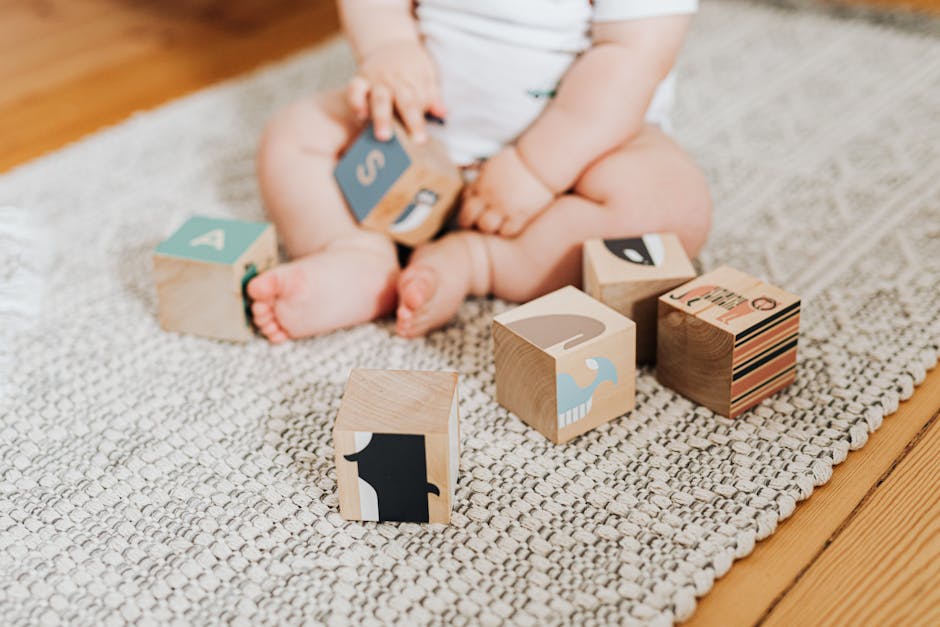
When it comes to choosing the right wood for baby toys, you want to ensure safety and durability while also fostering creativity and fun. With so many options available, picking the perfect wood can feel overwhelming.
You might wonder, "Is this wood safe for my baby? " Or "Will it withstand the test of time and play? " These are valid questions that every caring parent asks. We'll explore the best types of wood for crafting safe and enjoyable baby toys.
You'll discover how the right wood can make a difference in your child's playtime experience. By the end, you'll feel confident in your choices, knowing that your little one is playing with toys that are both safe and beautifully crafted. Let's dive into the world of wooden toys and find the perfect fit for your baby’s happiness and your peace of mind.
Safe Wood Types
Choosing the right wood for baby toys ensures safety and durability. Maple, birch, and beech are excellent options. These woods are non-toxic and have smooth surfaces, making them ideal for little hands.
Choosing the right wood for baby toys is crucial for safety and durability. You want materials that are free from harmful chemicals and provide a sturdy play experience. Knowing which types of wood are safe can help you make informed decisions that ensure your child's well-being while offering hours of fun.
Hardwood Options
Hardwoods are a popular choice for baby toys due to their durability and resistance to wear and tear. Maple, for instance, is a fantastic option. It's strong and less likely to splinter, making it a safe choice for toys that will endure lots of play. Beech is another favorite. It has a fine grain that feels smooth to the touch, reducing the risk of small scratches. Plus, it’s naturally antibacterial, which is an added bonus when considering hygiene. Cherry wood is also worth mentioning. Its rich color and smooth finish make it visually appealing and safe for little hands. It’s slightly softer than maple but still provides excellent durability.
Softwood Considerations
Softwoods are generally lighter and can be more affordable than hardwoods, but not all are suitable for baby toys. Pine is often used for toy making; however, it’s essential to choose high-quality pine to avoid excessive sap, which can be sticky and messy. Cedar might catch your eye due to its pleasant aroma. While aromatic, it’s crucial to ensure it’s treated appropriately as some types can irritate sensitive skin. Consider fir if you’re looking for a lightweight option. It’s easy to work with and can be finished smoothly, but remember, it’s not as durable as hardwoods, so it’s best for toys that won’t be subjected to rough handling. When selecting wood for baby toys, what matters most to you? Is it durability, texture, or perhaps the natural color? Understanding these details can guide you towards making choices that align with both safety and aesthetics.
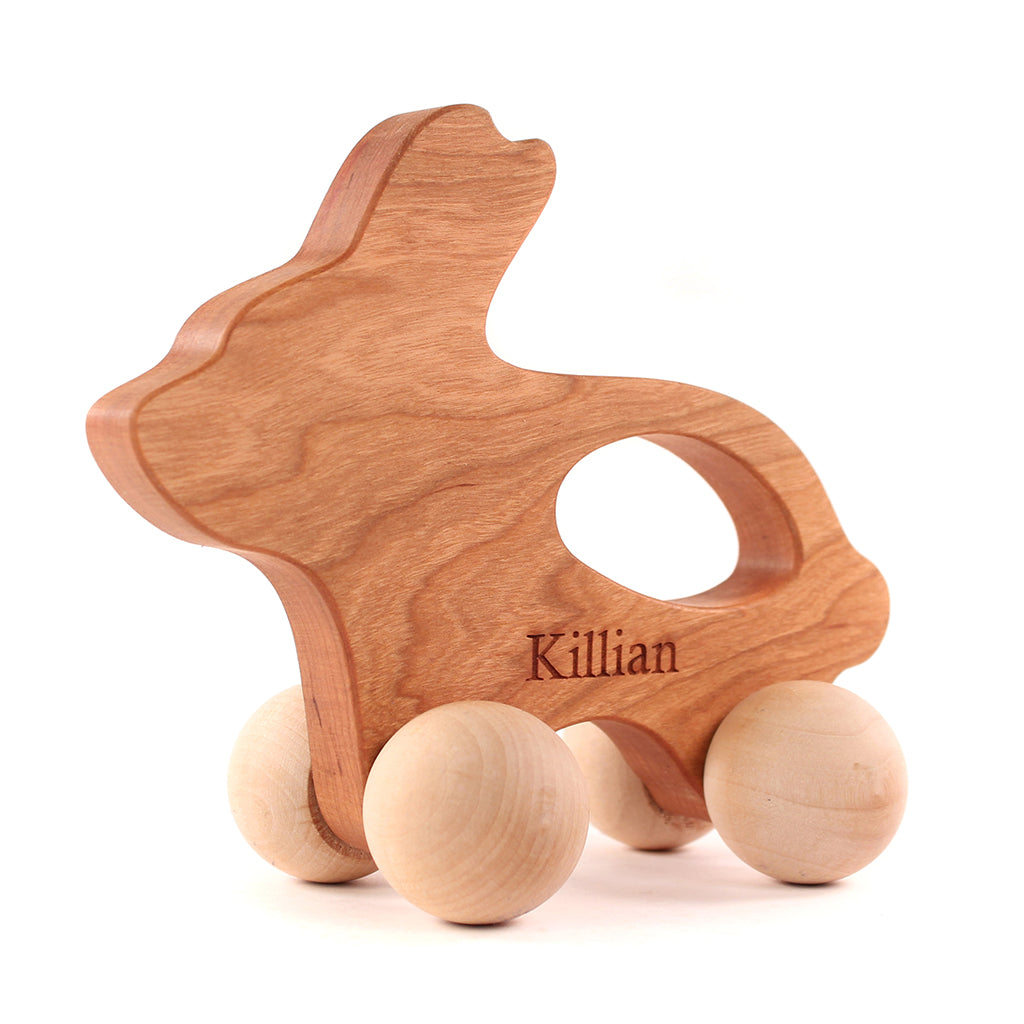
Credit: smilingtreetoys.com
Non-toxic Finishes
Selecting the right wood for baby toys is crucial. Opt for non-toxic finishes to ensure safety. Choose natural woods like maple, birch, or beech. These woods are sturdy, smooth, and safe for little ones.
Choosing the right wood for baby toys is essential, but ensuring the finish is non-toxic can be just as critical. With babies constantly putting things in their mouths, you want to be certain that their toys are safe. Non-toxic finishes not only protect the wood but also keep your child safe from harmful chemicals. Let's dive into some popular choices for non-toxic finishes.
Natural Oils
Natural oils, like linseed oil and tung oil, are popular choices for baby toys. They penetrate the wood and provide a safe finish that enhances the wood's natural beauty. You might have heard parents rave about using these oils for their simplicity and safety. They are easy to apply and don’t leave a sticky residue, making them ideal for those cherished wooden blocks or animal figures your baby loves. You can even reapply these oils over time to keep the toys looking fresh without any special preparation. Are you considering this option for your little one's toys?
Water-based Paints
If you want a pop of color, water-based paints can be an excellent choice. They are less toxic than traditional paints and come in a wide range of vibrant hues. When my niece wanted colorful blocks, I opted for water-based paints. They dried quickly and didn't have that overpowering chemical smell. You can feel safe knowing these paints are free from harmful volatile organic compounds (VOCs). Always check for labels that specify the paint is non-toxic and lead-free. Wouldn’t it be great to add a splash of color to your child's toy box, knowing it’s completely safe?
Sustainable Sources
Choosing safe wood for baby toys is essential. Opt for hardwoods like maple or beech. These woods are durable and non-toxic, ensuring your child's safety while they play.
Choosing the right wood for baby toys is not just about durability and safety. It's also crucial to consider the environmental impact. Opting for wood from sustainable sources is a responsible choice that benefits our planet and ensures a healthier future for our children. Let's explore how choosing wood from sustainable sources can make a difference.
Certified Sustainable Forests
When selecting wood for baby toys, look for certifications from organizations like the Forest Stewardship Council (FSC). These certifications ensure that the wood comes from forests that are managed responsibly, preserving biodiversity and ensuring long-term availability. Certified forests follow strict guidelines, which means that when you choose FSC-certified wood, you're supporting forest preservation. This choice helps combat deforestation and supports the communities that rely on these forests for their livelihood.
Local Sourcing Benefits
Sourcing wood locally can significantly reduce the carbon footprint associated with transportation. When you choose local wood, you're not just getting a product that hasn’t traveled thousands of miles, you're also supporting your local economy. Local sourcing often means fresher wood, which can translate to better quality toys. Plus, you're likely to find unique types of wood that aren't available elsewhere, offering a special touch to your baby toys. Imagine visiting a local sawmill and selecting the perfect piece of wood for a toy. You can see the craftsmanship and dedication that goes into each piece, ensuring a high-quality product for your child. Wouldn't that be a story worth telling? In your journey to find the right wood, consider how your choices impact the environment and local communities. What wood you choose today can help shape a sustainable tomorrow for your child.
Durability And Longevity
Choosing the right wood for baby toys is crucial for durability and longevity. Parents want toys that last through years of play. Quality wood ensures toys remain safe and intact. Not all woods offer the same resilience. Understanding durability helps in selecting the best option. Let's explore how different woods measure up.
Resilience Of Hardwoods
Hardwoods like maple and oak are excellent choices. They resist wear and tear. These woods handle rough play without splintering. Their dense structure adds strength. Hardwoods often outlast softer woods. This makes them a favorite for toy makers. Parents can trust these toys to endure active play.
Repair And Maintenance Tips
Regular checks keep wooden toys safe. Look for cracks or chips. Early repair prevents further damage. Sanding smooths rough edges. Beeswax polish keeps wood in good condition. It helps in maintaining color and shine. Store toys in dry places to avoid moisture damage. Proper care extends toy lifespan.
Eco-friendly Manufacturing
Eco-friendly manufacturing is a crucial aspect of creating safe baby toys. Choosing sustainable wood helps reduce environmental impact. Parents are keen on eco-friendly options for their children. Sustainable practices ensure toys are not harmful to the planet.
Energy-efficient Processes
Manufacturers use energy-efficient processes to create wooden toys. This reduces energy consumption significantly. Using less energy means less pollution and lower costs. Efficient methods help preserve natural resources, vital for future generations.
Waste Minimization
Waste minimization is vital in eco-friendly toy production. Manufacturers focus on reducing waste during production. Using every part of the wood reduces leftovers. This approach saves resources and lowers environmental impact. It ensures a cleaner, healthier planet for kids.
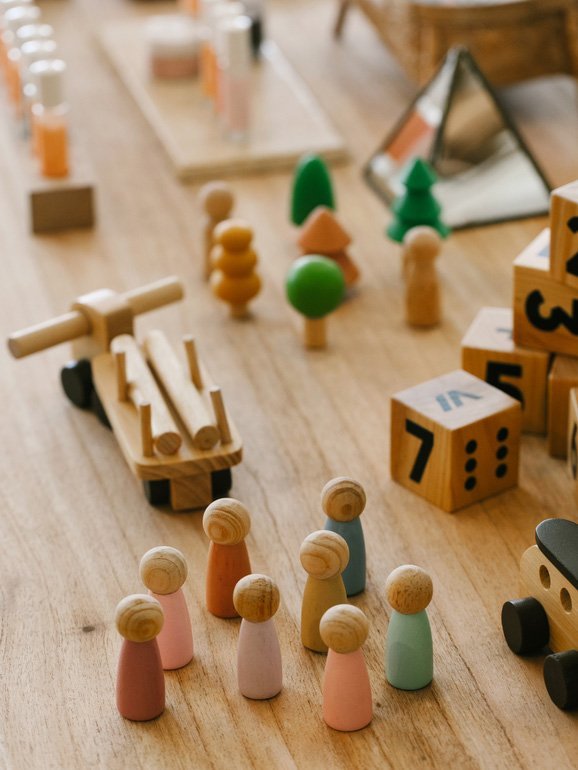
Credit: www.thegoodtrade.com
Popular Wood Choices
Parents often choose wood like beech, maple, and birch for baby toys. These woods are durable and smooth. Safe for little hands and mouths, they make excellent choices for crafting toys.
When selecting the right wood for baby toys, you want to ensure that it is safe, durable, and appealing. Popular wood choices are often those that meet these criteria while providing a smooth finish for little hands. Let's explore some of these popular wood options and why they might be the perfect fit for your baby's toys.
Maple
Maple wood is a favorite among toy makers for its strength and durability. Its fine grain and smooth surface make it less likely to splinter, which is crucial for baby's safety. Parents often appreciate maple's natural light color, which can be easily left unfinished or treated with non-toxic finishes. Have you ever noticed how some toys retain their look and feel even after years of use? Maple's resilience might be why.
Beech
Beech wood is another popular choice, known for its hardness and resistance to wear. This wood is heavier, which adds a nice weight to toys, making them feel substantial in your child's hands. Beech has a subtle, warm tone that looks beautiful even without added colors or finishes. It's also commonly used in teething toys because of its non-toxic nature and ability to withstand little teeth. When shopping for toys, have you ever considered how the weight and feel contribute to the play experience?
Birch
Birch wood is often chosen for its smooth finish and affordability. It's a bit softer than maple and beech, which can make it easier to shape into intricate designs. Its pale color also provides a wonderful canvas for colorful, non-toxic paints, allowing for creativity in toy design. Birch is frequently used in building blocks and puzzles, offering a tactile experience for children. Have you noticed how certain toys invite kids to explore them with all their senses? When you're choosing wooden toys for your baby, think about the qualities you value most. Is it the durability, the aesthetic, or maybe the safety features? Each of these wood types brings something unique to the table.
Testing And Safety Standards
Selecting the right wood for baby toys is crucial for safety and quality. Ensure the wood is non-toxic, durable, and smooth. Beech, maple, and birch are excellent choices, meeting strict testing and safety standards for children's toys. Safe wood ensures peace of mind for parents.
When choosing the right wood for baby toys, safety is paramount. Parents want toys that are not only fun but also safe for their little ones. This is where testing and safety standards come into play. They ensure that the toys on the market are free from harmful chemicals and potential hazards. Understanding these standards can help you make informed decisions and choose toys that meet high safety criteria.
Regulatory Compliance
Regulatory compliance is a crucial aspect of toy safety. In many countries, toys must adhere to specific safety standards before they can be sold. For instance, in the United States, toys must comply with the Consumer Product Safety Improvement Act (CPSIA). This act ensures that toys do not contain harmful levels of lead or other dangerous substances. Have you ever wondered how these regulations come to be? They are often the result of extensive research and testing. Regulatory bodies analyze the potential risks of different materials, including the types of wood used in baby toys. They set limits and guidelines to protect your child from potential harm.
Independent Testing
While regulatory compliance sets the baseline, independent testing takes safety to the next level. Many manufacturers choose to have their toys tested by third-party labs. These labs perform rigorous checks to ensure that toys meet or exceed safety standards. Imagine you bought a wooden toy for your baby. Wouldn't you feel more confident knowing it passed independent testing? Such testing often includes checking for small parts that could pose choking hazards, ensuring durability, and testing for toxic substances. It's crucial to look for labels or certifications indicating that a toy has undergone independent testing. Certifications like ASTM or EN71 are good indicators of rigorous safety checks. Do you notice these labels when shopping for toys? If not, it might be time to start looking out for them. By understanding testing and safety standards, you can make informed choices when selecting wooden toys for your baby. Prioritize safety and ensure every toy is a safe companion in your child's playtime adventures.

Credit: firebirdworkshop.com
Frequently Asked Questions
What Is The Safest Wood For Baby Toys?
Maple, beech, and birch are the safest woods for baby toys. These hardwoods are non-toxic, durable, and less prone to splintering. They are also hypoallergenic, making them ideal for sensitive skin. Always ensure the wood is untreated and free from harmful chemicals.
Can Oak Wood Be Used For Baby Toys?
Oak wood is not recommended for baby toys. It is a hardwood but can splinter easily, posing a risk. Additionally, oak contains tannins, which can be toxic if ingested. Opt for safer woods like maple or birch, which are less likely to cause harm.
Is Pine Suitable For Making Baby Toys?
Pine is not ideal for baby toys due to its softness. It can dent and splinter easily, posing a safety risk. Furthermore, pine may contain resin that can cause allergic reactions. Hardwood options like beech or maple are safer and more durable choices.
Why Choose Hardwood For Baby Toys?
Hardwood is durable, non-toxic, and less likely to splinter. It is safer for babies who tend to chew on toys. Hardwoods like maple, birch, and beech are naturally hypoallergenic, making them perfect for sensitive skin. These woods provide a long-lasting, safe play experience.
Conclusion
Choosing the right wood for baby toys is vital. Safety comes first. Opt for non-toxic and durable options. Maple and birch are excellent choices. Both are strong and safe. Avoid woods treated with chemicals. Always prioritize your baby’s health. Check for smooth surfaces.
This prevents splinters. Natural finishes are best. They are gentle on sensitive skin. Parents want peace of mind. Knowing toys are safe helps. Quality wood lasts long. It withstands rough play. Keep your baby happy and secure. With the right materials, playtime is worry-free.
Your choice matters for their safety and joy.