
As a parent, ensuring the safety of your baby is always a top priority. From choosing the right food to selecting the safest car seat, every decision counts.
But when it comes to cleaning your baby's toys, things can get a bit confusing. You may have found yourself wondering, "Is it safe to use Lysol on baby toys? " This question is more common than you might think, and getting the right answer is crucial for your peace of mind.
We’ll delve into the safety of using Lysol on baby toys, so you can make informed decisions that protect your little one's health. Stick around, because what you learn could be a game-changer for your cleaning routine and your child's well-being.
Understanding Lysol Ingredients
Understanding the ingredients in Lysol is crucial, especially when considering its use on baby toys. As a parent, you want to ensure the safety of everything your child interacts with. Lysol is a popular disinfectant known for its effectiveness in killing germs, but what makes it tick?
Key Ingredients In Lysol
Lysol's primary active ingredient is usually benzalkonium chloride or ethanol. Benzalkonium chloride is a type of ammonium compound that disrupts the microbial cell membrane, effectively killing bacteria and viruses. Ethanol, on the other hand, is a type of alcohol that is effective in disinfecting surfaces.
These ingredients are common in many household cleaners, but their concentration in Lysol is specifically formulated for thorough germ-killing action. Understanding these can help reassure you about the product's efficacy in keeping toys germ-free.
Safety Concerns With Chemicals
While these ingredients are potent against germs, you might worry about chemical residues. It's a valid concern, especially for items your baby often mouths or handles. Benzalkonium chloride can linger on surfaces if not wiped thoroughly, and ethanol can evaporate quickly but may leave behind residues.
Is it safe to use these chemicals on toys? Safety largely depends on proper application and drying time. Ensuring you follow instructions and allow toys to air out can mitigate potential risks.
Proper Usage Of Lysol On Toys
Using Lysol on toys doesn't have to be daunting. The key is moderation and correct application. Spray lightly and wipe down the toys thoroughly with a clean cloth. This ensures that any chemical residue is minimized.
Consider rinsing toys with water after disinfecting. This extra step can further reduce any chemical traces left behind. You might find it reassuring to see that rinsed toys are just as clean and safe for play.
Alternatives To Lysol
Have you explored natural alternatives? Vinegar and baking soda can be effective and are less likely to leave chemical residues. These natural cleaners can be good options for toys that frequently end up in your baby's mouth.
Choosing the right disinfectant is a personal decision. Balancing effectiveness with safety is key, and sometimes a mix of natural and chemical solutions can work best.
Would you feel more comfortable using a homemade cleaner? Many parents do, and it can be a practical choice for peace of mind.
Potential Risks For Children
Cleaning baby toys with Lysol may pose risks. Chemicals can be harsh for sensitive skin and cause irritation. Always check labels for safety on children's items.
When you think about keeping your baby's toys clean, Lysol might be one of the first products that come to mind. It's known for its disinfecting power, but is it safe for your little one? Understanding the potential risks for children when using Lysol on baby toys is crucial for their health and safety. Let's dive into some essential considerations before you spray those toys.
Understanding Chemical Exposure
Lysol contains chemicals that effectively kill germs. But these same chemicals can pose risks to young children, whose bodies are still developing. Consider the fact that babies often put toys in their mouths. Residual chemicals from disinfectants can be ingested, leading to potential health issues. You might wonder if there's a way to balance cleanliness with safety. A good practice is to ensure toys are thoroughly rinsed after disinfecting to reduce chemical residues.
Skin Sensitivity Concerns
Babies have sensitive skin that can react to harsh chemicals. Contact dermatitis, a skin condition resulting from irritation, could be a risk if toys are not properly cleaned after using Lysol. Imagine discovering a rash on your child's skin and tracing it back to a toy you cleaned. It’s a scenario no parent wants to face. Opting for gentler cleaning solutions could be a safer alternative to avoid skin irritations.
Allergic Reactions
Beyond skin sensitivity, some children might have allergic reactions to the ingredients in Lysol. These reactions could range from mild irritation to more severe responses. Consider if your child has allergies or asthma, as they might be more susceptible to reactions from chemical exposure. Being aware of your child's health conditions can guide you in choosing the safest cleaning methods.
Long-term Health Implications
While immediate reactions are concerning, think about the long-term effects of chemical exposure. Continuous exposure to certain chemicals might have unknown implications over time. Ask yourself, is it worth the risk if there are safer alternatives available? You have the power to make informed choices that prioritize your child's long-term well-being.
Practical Alternatives
If Lysol poses risks, what are your options? There are child-friendly cleaning products designed specifically for toys. Simple solutions like soap and water or vinegar can effectively clean toys without harsh chemicals. Explore these alternatives to ensure your baby's toys are both clean and safe.
Safe Disinfecting Practices
Ensuring the safety of your baby's toys is crucial, and disinfecting them properly is a key part of this process. With various cleaning products available, it can be challenging to choose the right one. You might wonder if using products like Lysol is safe for your little one's toys. Let's dive into safe disinfecting practices and how to keep your baby's toys clean without compromising safety.
Choosing Baby-safe Products
When selecting a disinfectant for baby toys, look for products specifically labeled as safe for children's items. These products often have undergone rigorous testing to ensure they are non-toxic. Reading labels is essential—check for any warnings or ingredients that might be harmful to babies.
Another consideration is the form of the product. Spray disinfectants, wipes, or even natural solutions like vinegar and water can be effective. The key is to ensure they are free from harsh chemicals. Have you considered using eco-friendly alternatives? These options are often gentler and just as effective at cleaning.
Proper Application Methods
Proper application is as important as the product itself. Start by removing any visible dirt or debris from the toys. Use a damp cloth or sponge to do this. It's always easier to disinfect a clean surface.
Once the toys are pre-cleaned, spray or wipe them with your chosen disinfectant. Make sure to cover all surfaces, paying special attention to crevices where germs may hide. Allow the disinfectant to sit for the recommended time on the label to ensure effectiveness.
Rinsing is crucial, especially if the disinfectant isn't labeled as safe for direct contact with children. Use clean water to rinse off any residue. Dry the toys thoroughly before handing them back to your baby.
Have you ever wondered how often you should disinfect your baby’s toys? Regular cleaning is essential, but frequency can depend on usage and exposure. For frequently used or shared toys, consider disinfecting weekly or whenever they appear dirty.
By choosing the right products and applying them correctly, you can keep your baby's toys safe and germ-free, providing peace of mind for you and a healthy environment for your child. Remember, maintaining a routine cleaning schedule can make all the difference in your baby's health and happiness.
Alternatives To Lysol
Considering if it's safe to use Lysol on baby toys? Try alternatives like vinegar or baking soda. These options are natural, effective, and gentle for delicate items.
When it comes to keeping your baby's toys clean, you might wonder if it's safe to use Lysol. While Lysol is a popular disinfectant, some parents prefer alternatives due to concerns about chemicals. Luckily, there are several natural and homemade options that can keep toys germ-free without the worry. Let's dive into some of these alternatives and see how you can create a safer environment for your little one.
Natural Cleaning Solutions
Natural solutions can be a great choice for cleaning baby toys. Vinegar, for instance, is a fantastic natural disinfectant. Mix equal parts of water and white vinegar in a spray bottle, and you've got a simple, effective cleaner. The smell might be strong initially, but it dissipates quickly. Another safe option is using baking soda. You can sprinkle baking soda directly onto toys and scrub with a damp cloth. It's perfect for removing grime and sticky residue. Plus, baking soda is safe and non-toxic, making it ideal for baby items. Consider using essential oils like tea tree or lavender, known for their antibacterial properties. Add a few drops to your vinegar solution for an extra cleaning boost. Always ensure the oils are safe for your child and test them on a small area first.
Homemade Disinfectants
Creating homemade disinfectants can be surprisingly easy. Start with a simple recipe: mix water, vinegar, and a few drops of essential oil in a spray bottle. This concoction is powerful enough to kill germs yet gentle on surfaces. Hydrogen peroxide is another excellent disinfectant. It's safe and effective for cleaning toys. Simply spray it on and let it sit for a few minutes before wiping it off. Remember, it can bleach fabrics, so use it cautiously. Using lemon juice mixed with water is also a great alternative. It's naturally acidic and can cut through grime, leaving toys clean and fresh-smelling. This is a great option for wooden toys, as lemon juice won't damage the surface. Have you tried these methods before? How did they work for you? Experimenting with these alternatives can be a fun way to ensure your baby's environment is as safe as possible. Plus, you might find a new favorite cleaning method in the process!
Cleaning Versus Disinfecting
Ensuring the safety and cleanliness of baby toys is vital. Parents often wonder whether they should clean or disinfect these items. Both processes have distinct purposes and benefits. Understanding these can help make informed decisions about toy care.
Understanding The Difference
Cleaning removes dirt and grime from surfaces. It involves using soap and water. This process does not kill germs. Disinfecting kills germs with chemical agents. Lysol products are popular disinfectants. They target bacteria and viruses effectively. Knowing what each process achieves is important. Cleaning maintains surface hygiene. Disinfecting provides a deeper layer of protection.
When To Disinfect Toys
Toys need disinfecting in certain situations. After illness, it's crucial. Germs linger on surfaces. Disinfecting ensures they are removed. Shared toys at daycare also need attention. Large gatherings can increase germ spread. Regular disinfection helps prevent this. High-touch toys should be disinfected more often. This includes items like teething rings and play mats. Keeping these clean is essential for health.

Credit: cbicorporate.com
Frequency Of Cleaning
Cleaning baby toys regularly ensures safety and hygiene. Lysol can be used, but choose products safe for children. Always rinse toys thoroughly after cleaning to remove residue.
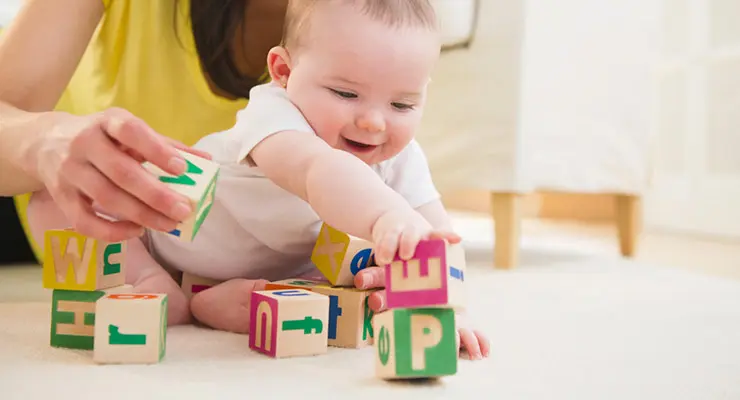
Cleaning baby toys regularly is essential to keep them safe and germ-free. Babies explore the world with their hands and mouths, making their toys prone to accumulating dirt and bacteria. But how often should you clean these toys? The frequency of cleaning depends on factors like how often your child plays with them and where they are used. Consider this: toys that spend most of their time in the crib or playpen might need less frequent cleaning compared to those that travel with you to the park or daycare.
Regular Maintenance Tips
Regular cleaning of baby toys ensures they remain hygienic. A simple routine can make all the difference. Wipe toys down with a damp cloth after each play session to remove surface dust and grime. For toys that are used outdoors or in public spaces, you might want to use a disinfectant like Lysol once a week. Always read the label to ensure it's safe for use on children's items. You might find it useful to create a cleaning calendar. Mark specific days for thorough cleaning sessions to stay organized.
Signs Toys Need Disinfecting
Recognizing when toys need disinfecting is crucial for maintaining cleanliness. If you notice sticky spots or visible dirt, it's time for a deep clean. Be vigilant with toys that have been exposed to food or liquids. Have you ever noticed a toy with an unusual smell? That's a sign it might be harboring bacteria. If your baby has recently been ill, disinfecting their toys can prevent the spread of germs. Keep an eye out for signs of wear and tear, as damaged toys can harbor more germs. How do you determine your cleaning routine for baby toys? While every household is unique, understanding when and how to clean can make a significant difference in maintaining a healthy environment for your child.
Expert Opinions
Parents often question the safety of cleaning baby toys with Lysol. Expert opinions provide clarity on this matter. Understanding what professionals say helps ensure your baby's safety.
Pediatricians' Advice
Pediatricians recommend using disinfectants cautiously. Babies are sensitive to chemicals. Always choose products labeled safe for children. Lysol products vary, so read labels carefully. Consult with your child's doctor for specific advice. They can offer guidance based on your baby’s health needs.
Safety Recommendations
Safety experts urge checking product ingredients. Avoid products with harsh chemicals. Opt for solutions that evaporate quickly. Always rinse toys after cleaning. This removes chemical residues. Ventilate the room after using any disinfectant. Fresh air helps reduce lingering fumes. Always follow manufacturer instructions. These guidelines ensure safe usage.
Credit: www.lysol.com

Credit: cbicorporate.com
Frequently Asked Questions
Can Lysol Damage Baby Toys?
Lysol is generally safe for most hard, non-porous surfaces. However, it may damage certain materials like soft plastics or rubber. Always test a small area first. For safety, rinse toys thoroughly with water after disinfecting. Check the manufacturer's instructions for any specific cleaning guidelines.
How Often Should I Disinfect Baby Toys?
It's recommended to disinfect baby toys weekly or more frequently if they are used often. High-touch toys or those shared with other children should be cleaned more regularly. Always follow the cleaning instructions provided by the toy manufacturer to ensure safety and hygiene.
Are There Alternatives To Lysol For Cleaning Toys?
Yes, there are alternatives like a vinegar-water solution or mild soap and water. These options are effective for routine cleaning and are considered safer for sensitive surfaces. For disinfecting, look for EPA-approved products safe for use around children.
Is Lysol Safe For Wooden Toys?
Lysol may not be suitable for wooden toys as it can damage the finish. Instead, use a damp cloth with mild soap for cleaning wooden surfaces. Ensure the toys are completely dry before use to prevent damage or warping.
Conclusion
Keeping baby toys clean is important for health. Lysol can be safe if used correctly. Always read instructions and choose products suitable for toys. Avoid using on plush toys or items babies mouth. Regular cleaning reduces germs and keeps toys fresh.
Use warm water and mild soap for delicate items. Ensure toys dry completely before playtime. Parents should prioritize safety by checking labels. Proper cleaning can protect your child's health. Stay informed on safe cleaning practices. Your baby's safety matters most.
Clean toys, happy playtime!