

When it comes to your baby, safety is your top priority. You're always making decisions to ensure their well-being.
One question that often pops up is about the toys they play with. Specifically, is polyester safe for your baby’s toys? This is a concern many parents share, and it’s vital to get the facts straight. After all, your child’s health and happiness are at stake.
Before you make another purchase or gift decision, pause for a moment. Imagine having the peace of mind that every toy in your child's collection is not just fun, but also safe. Understanding whether polyester toys are suitable for your little one can give you that confidence. So, what’s the real deal with polyester toys? Let's dive in and find out what you need to know to keep your baby safe and sound.
Polyester Toy Basics
Polyester toys have become popular choices for parents. They are known for their durability and affordability. But safety is a key concern when choosing toys for babies. Understanding the basics of polyester toys can help make informed decisions.
Material Properties
Polyester is a synthetic fiber made from petroleum. It's strong and resistant to stretching and shrinking. This makes it ideal for toys that endure wear and tear. Polyester is also lightweight, which is safe for babies to handle. It dries quickly, reducing the risk of mold. The smooth surface of polyester resists stains, which is great for maintaining cleanliness.
Common Uses In Toys
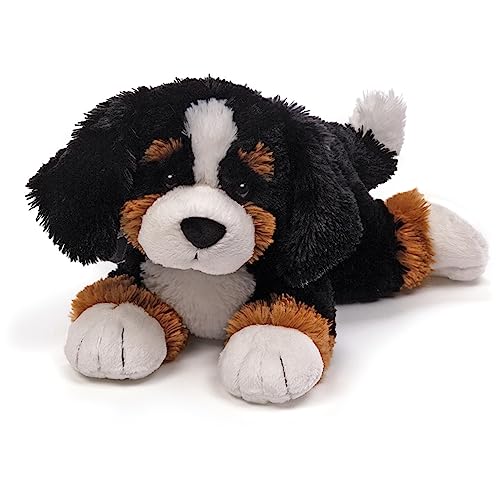
Polyester is used in various types of toys. Plush toys are often made with polyester fabric. It provides a soft and cuddly feel that babies love. Polyester fibers fill many stuffed animals, giving them a fluffy appearance. Activity mats and play gyms often use polyester materials for their vibrant colors. Polyester is also found in toy costumes and dress-up clothes. It offers flexibility and comfort for imaginative play.
Safety Concerns
Polyester toys are popular among parents for their durability. But are they safe for babies? Safety concerns arise, especially related to chemical exposure and choking hazards. Understanding these risks can help parents make informed choices.
Chemical Exposure
Polyester is made from synthetic fibers. These fibers can contain chemicals. Some chemicals might irritate sensitive skin. Babies have delicate skin. It's more prone to reactions. Always check for non-toxic labels. Choose toys with safety certifications.
Choking Hazards
Small parts can pose choking hazards. Polyester toys often have buttons or eyes. These can come off easily. Babies explore by putting things in their mouths. Loose parts are dangerous. Ensure toys have secure attachments. Avoid toys with small detachable pieces.
Health Impacts
Polyester toys might not be ideal for babies due to potential allergic reactions. Parents should consider natural, hypoallergenic materials. Always ensure toys meet safety standards to protect your baby’s health.
Polyester toys are popular among parents due to their durability and vibrant colors. However, the health impacts of polyester on babies are often a concern. Understanding these effects can help you make informed decisions about the toys you choose for your little ones. Below, we dive into the health implications of polyester toys, focusing on skin sensitivity and respiratory issues.
Skin Sensitivity
Polyester is a synthetic fabric, which means it's not as breathable as natural fabrics like cotton. Babies have delicate skin that can be more sensitive to synthetic materials. If you've ever had a polyester shirt that felt a bit scratchy, you can imagine how a baby might feel. Some babies may develop rashes or irritation from prolonged contact with polyester toys. To minimize this risk, consider checking your baby's skin regularly for signs of irritation. If you notice any redness or discomfort, it might be worth considering toys made from natural fibers.
Respiratory Issues
The potential for respiratory issues is another consideration when it comes to polyester toys. Synthetic materials can sometimes release small particles or dust that might be inhaled. Babies tend to explore the world by putting things in their mouths, which raises the possibility of them inhaling or ingesting these tiny particles. While not all babies will have respiratory reactions, it's a factor to consider if your child has existing allergies or respiratory concerns. Are there alternatives that might pose fewer risks? Yes, toys made from organic materials or hypoallergenic fabrics are good options. They offer peace of mind and can help reduce potential health concerns. In your quest to choose the best toys for your baby, always prioritize their health and well-being. Every child is unique, and what works for one may not work for another. By being aware of these potential health impacts, you can make choices that align with your values and your baby's needs.
Safety Standards
Polyester toys for babies meet safety standards if they are non-toxic and free from small parts. Always check labels for safety certifications. Regularly inspect toys for wear and tear to ensure continued safety.
When choosing toys for your baby, safety is the top priority. Polyester toys are popular for their softness and affordability, but are they safe? Understanding the safety standards can help you make informed decisions. These standards are designed to protect your little one from potential hazards. Let's dive into the specifics of what makes a polyester toy safe for your baby.
Regulations And Certifications
Government regulations ensure that toys meet stringent safety requirements. In the United States, toys must comply with the Consumer Product Safety Improvement Act (CPSIA). This law sets limits on lead and phthalates, ensuring that toys are non-toxic. Look for certifications like ASTM or CE marks on toy labels. These symbols indicate compliance with international safety standards. They are your assurance that the toy has undergone rigorous safety checks.
Testing Procedures
Manufacturers subject toys to various testing procedures to ensure safety. Toys are tested for choking hazards, sharp edges, and flammability. Labs use simulated play scenarios to assess these risks. Many companies also conduct chemical tests. This ensures that harmful substances are not present in the fabric. It's a relief to know that your baby's toy is safe from harmful chemicals. Remember the last time you bought a toy and were overwhelmed by the labels? Understanding these procedures can give you peace of mind. You can feel confident that the toy is safe for your baby's curious hands and mouth. Are you always checking labels for safety standards? This habit ensures your child's safety. Next time you pick up a polyester toy, you'll know exactly what to look for.
Alternatives To Polyester
Polyester toys can pose safety risks for babies due to potential chemicals. Choose cotton or wool toys for safer alternatives. These materials are gentle on sensitive skin and environmentally friendly. Prioritize natural fibers to ensure your baby's safety and comfort.
Polyester toys are everywhere, but are they the best choice for your baby? While polyester is durable and affordable, many parents are looking for safer, more sustainable options. What if you could choose toys that were not only safe but also better for the planet? Let's dive into some amazing alternatives to polyester toys that you might not have considered.
Natural Fiber Options
Natural fibers are a fantastic alternative to polyester. Imagine the softness of cotton or bamboo against your baby's skin. These materials are not only gentle but also breathable, reducing the risk of skin irritation. Have you ever noticed how your baby reacts differently to natural fabrics? This might be because natural fibers tend to regulate temperature better, keeping your little one comfortable. Organic cotton toys, for instance, are made without harmful chemicals, ensuring your baby's safety.
Eco-friendly Materials
Eco-friendly toys are gaining popularity. Parents are more conscious about the environmental impact of their choices. You might be surprised by the variety of sustainable materials available today. Consider toys made from recycled materials or sustainably sourced wood. These options not only reduce waste but also teach your child the value of protecting our planet. As your child grows, they learn from your choices. Could choosing eco-friendly toys be your way of instilling environmental awareness from a young age? Choosing alternatives to polyester doesn't mean compromising on quality or safety. It means embracing options that are better for your baby and the world they will inherit. What choice will you make today for a safer tomorrow?

Credit: abracadabrakids.com
Choosing Safe Toys
Parents often worry about toy safety for their babies. Selecting safe toys is crucial for children's health and happiness. Polyester toys are common but need careful consideration. Parents should ensure the toys they choose are free from harmful materials.
Tips For Parents
Parents should always check toy labels. Look for non-toxic materials. Verify that the toy has passed safety standards. Inspect toys regularly for wear and tear. Damaged toys can pose risks to babies. Keep a close watch on smaller parts. They can be choking hazards.
Age-appropriate Recommendations
Always choose toys suitable for your baby's age. For infants, focus on soft and lightweight toys. Avoid toys with small parts for babies under three. As babies grow, introduce toys that aid development. Consider toys that encourage motor skills and creativity.
Expert Opinions
Parents often question the safety of polyester toys for babies. Expert opinions provide guidance on this matter. These insights help in making informed decisions about toy safety.
Pediatricians' Views
Pediatricians usually focus on the materials used in toys. Polyester is considered safe when manufactured correctly. Soft polyester toys are often favored for their gentle texture. Pediatricians recommend checking for non-toxic labels. It is essential that toys are free from harmful chemicals. Ensuring toys are easy to clean is also important for hygiene.
Consumer Reports
Consumer Reports offer detailed evaluations of toy safety. Polyester toys often undergo rigorous testing. These reports check for durability and safety standards. They highlight the importance of avoiding small parts. Babies tend to explore toys with their mouths. Reports emphasize choosing toys that prevent choking hazards. Parents are encouraged to read these reports before purchasing.

Credit: www.amazon.com
Case Studies
Understanding the safety of polyester toys is crucial for parents. Examining real-life cases offers insights into potential risks. These case studies reveal the importance of toy safety.
Real-life Incidents
In 2020, a toddler in New York had a choking incident. The polyester toy had loose fibers. The child swallowed these fibers while playing. The parents rushed to the hospital. Doctors removed the fibers safely. Thankfully, the child recovered quickly.
Another incident happened in London. A baby developed a rash after playing with a polyester toy. The toy was not washed before use. The rash cleared after stopping contact with the toy. This case highlights the importance of washing toys.
Lessons Learned
These incidents teach crucial lessons. Always inspect toys for loose parts. Ensure toys are washed before use. Polyester can be safe when handled properly. Parents should check toy labels carefully. Knowing the material helps prevent risks.
Regular inspection of toys is vital. Look for signs of wear and tear. Replace damaged toys immediately. Awareness of potential hazards keeps children safe. These lessons guide parents in choosing safe toys.

Credit: www.walmart.com
Frequently Asked Questions
Is Polyester Safe For Baby Toys?
Polyester is generally considered safe for baby toys. It's durable and easy to clean. However, ensure the toy is free from small parts that could pose choking hazards. Always check for certifications like ASTM or CPSIA to ensure safety standards are met.
Can Polyester Toys Cause Allergies In Babies?
Polyester toys are unlikely to cause allergies in babies. They are hypoallergenic and resistant to dust mites. Still, if your baby has sensitive skin, monitor for any reactions. Always wash new toys to remove any potential irritants before giving them to your child.
Are Polyester Toys Durable For Babies?
Polyester toys are highly durable, making them ideal for babies. They withstand rough handling and frequent washing. Polyester's strength and resistance to wear ensure the toy lasts longer. Always choose high-quality toys for safety and durability.
How Do I Clean Polyester Baby Toys?
Cleaning polyester baby toys is simple. Most can be machine washed on a gentle cycle. Use mild detergent and cold water. Air drying is recommended to maintain their shape and texture. Always check the care label for specific instructions.
Conclusion
Choosing toys for babies involves careful consideration. Polyester toys can be safe, but check labels. Look for non-toxic materials and sturdy construction. Avoid toys with small parts that pose choking risks. Regular cleaning keeps toys germ-free and safe. Polyester toys offer durability and easy maintenance.
Be mindful of allergies and skin sensitivities. Supervise playtime to ensure safety. Parents must stay informed and vigilant. Research and reviews help in making wise choices. Safe toys bring joy and peace of mind. Your baby's safety is always the priority.
Consider all factors before purchasing any toy.