
Are you a parent wondering when it's safe for your baby to sleep with toys? This is a common question that crosses the mind of every caregiver.
You want your little one to enjoy the comfort and companionship of a toy, but safety is your top priority. The good news is, you're not alone in this quest for answers. Many parents face the same uncertainty, seeking a balance between coziness and caution.
You'll discover the right age for introducing toys into your baby's sleep space, along with practical tips to ensure your child's safety. Stay with us as we unravel the mystery and give you peace of mind for those precious bedtime moments.
Credit: babysensemonitors.co.uk
Age Recommendations
Understanding when babies can safely sleep with toys is important for parents. Toys can offer comfort and stimulation. Yet, they can pose risks if introduced too early. Knowing the right age recommendations can help ensure your baby's safety during sleep.
Age Recommendations For Sleeping With Toys
Experts suggest waiting until your baby is at least 12 months old. At this age, the risk of SIDS decreases significantly. Babies over one year can better manage objects in their cribs. This reduces the chance of suffocation or entrapment. Before this age, keep the crib clear of soft toys.
Understanding Safe Sleep Practices
Safety should always come first. Babies should sleep on their backs in a crib. The crib should have a firm mattress and fitted sheet only. Loose bedding or soft toys can increase risks. Even after the first year, choose toys that are safe and appropriate.
Choosing The Right Toys
Select toys designed for babies over 12 months. Opt for toys that are large and soft. Avoid toys with small parts or long strings. Check labels and packaging for age recommendations. Safety certifications are also a good indicator of a toy's suitability.
Monitoring Baby's Interaction With Toys
Even at the right age, supervision is key. Regularly check toys for wear and tear. Remove any damaged toys from the crib. Observe how your baby interacts with toys during sleep. This helps ensure ongoing safety and peace of mind.
Safety Concerns
Babies should sleep without toys until they are at least 12 months old. Toys in cribs can pose suffocation risks. Prioritizing a safe sleep environment is crucial for infant safety.
When thinking about your baby's sleep environment, safety should always be a top priority. Many parents wonder when it's safe to introduce toys into their baby's crib. While toys can be a source of comfort and stimulation, they can also pose potential risks. Understanding these risks can help ensure your little one sleeps safely and soundly.
Choking Hazards
Babies are naturally curious and love to explore their surroundings by putting things in their mouths. Toys with small parts can easily become a choking hazard. Consider the size of toy parts, ensuring they are too large to fit entirely in your baby's mouth. Inspect toys regularly for wear and tear. Even a well-loved stuffed animal can lose a button or a small piece that may become a danger. Would you risk it for a few moments of entertainment? Always choose toys specifically designed for infants, which adhere to safety standards.
Suffocation Risks
Soft toys and plush items might seem like a cozy addition to your baby's sleeping area, but they can pose suffocation risks. A fluffy teddy bear might cover your baby's face, obstructing their breathing. Keep the crib clear of toys until your baby is at least 12 months old. A simple, empty crib is the safest. It might not look as cute, but nothing is worth compromising your child's safety.
Allergy Precautions
Toys can collect dust and allergens over time, which might trigger allergies in sensitive babies. Regular cleaning is crucial to ensure these allergens don't affect your baby's health. Consider hypoallergenic toys made from materials that are less likely to cause allergic reactions. What materials are used in your baby's toys? Always check labels and opt for those that are free from harmful substances and allergens. Creating a safe sleep environment involves making informed choices. By understanding the safety concerns associated with toys in cribs, you can ensure your baby gets the rest they need without unnecessary risks. Remember, your vigilance today lays the foundation for your child's safe and healthy future.
Safe Toy Choices
Choosing safe toys for your baby as they begin to sleep with them is crucial. Toys can offer comfort and aid in sleep, but not all toys are suitable for infants. Understanding what makes a toy safe for your baby can help avoid risks. Let's dive into what you need to look out for.
Soft Toys
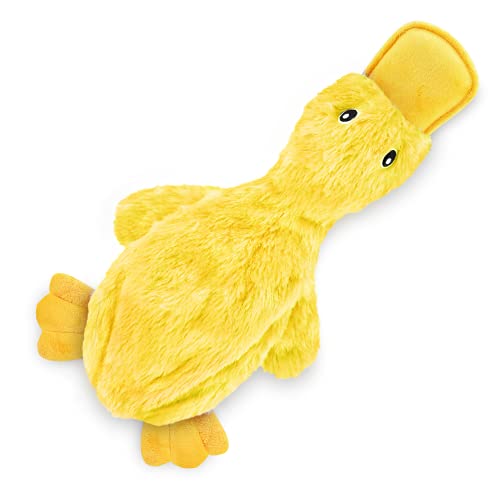
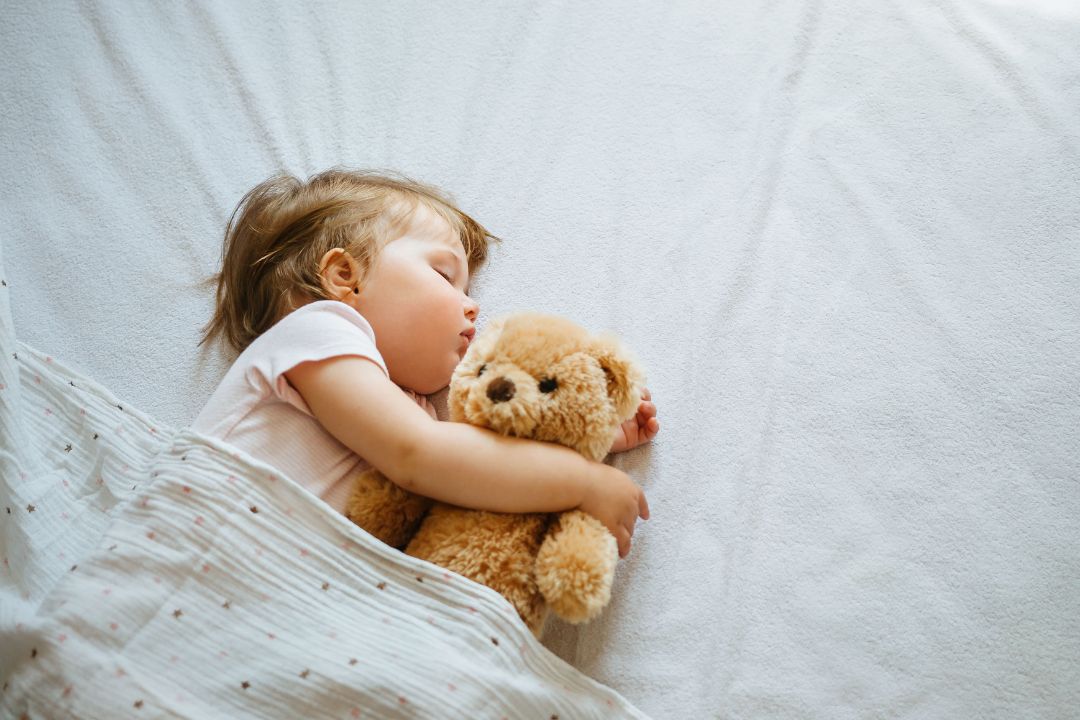
Soft toys are often a go-to choice for many parents. They are cuddly and comforting for your baby. However, ensure they are small enough not to cover your baby's face while sleeping. You wouldn't want them to accidentally suffocate under a giant teddy bear.
Consider choosing plush toys without any hard parts that might poke or hurt your baby. Make sure they are washable, because babies can be messy. A clean toy is a healthy toy.
Small Parts And Loose Pieces
When selecting toys, avoid those with small parts or loose pieces. Babies are curious and might put things in their mouths. This can be a choking hazard. Check if the toy has securely attached parts.
Think back to a time when you accidentally left your earrings within your baby's reach. Remember the panic as they attempted to put them in their mouth? That's why secure toys are essential.
Non-toxic Materials
Toys made from non-toxic materials are a must for your baby. Babies often explore the world by chewing and sucking on objects. You want to ensure that the material is safe for them.
Look for labels that indicate the toy is BPA-free or made from organic materials. Ask yourself, would you feel comfortable with your baby spending hours with this toy? Safety should always be your priority.
Choosing safe toys can make a significant difference in your baby's sleep quality. Would you rather have peace of mind knowing your baby is sleeping safely or constantly worry about potential hazards?

Credit: adadastore.com
Sleep Environment
Creating a safe sleep environment for your baby is crucial. It ensures they rest peacefully and securely. Parents often wonder about the right age for babies to sleep with toys. Understanding the sleep environment can guide these decisions effectively.
Crib Safety Standards
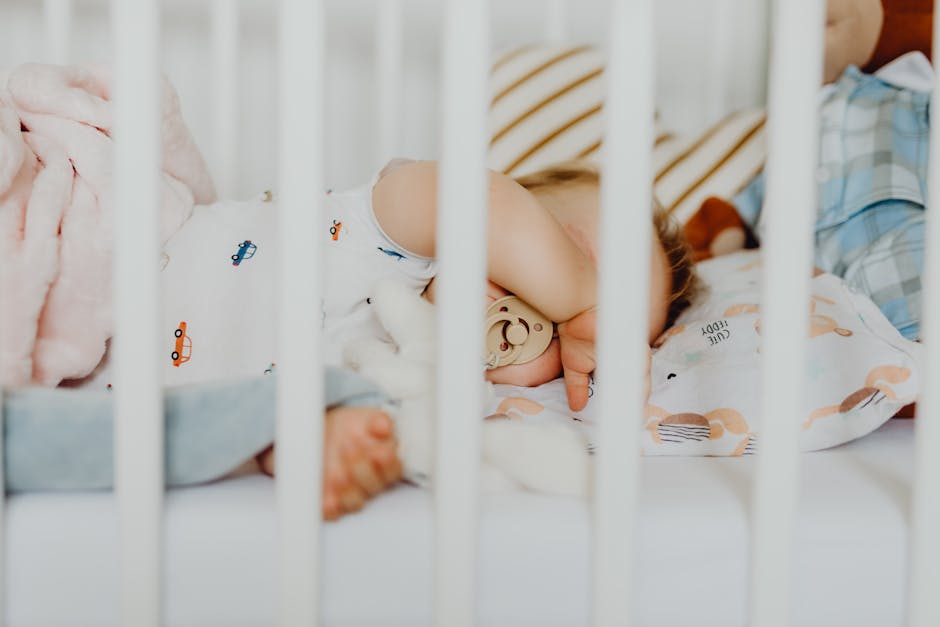
Crib safety standards are essential for baby's well-being. Cribs must meet specific guidelines to prevent accidents. Check that the crib slats are close enough to avoid entrapment. Ensure the mattress fits snugly with no gaps. Regularly inspect the crib for damage or loose parts. A safe crib is the foundation of a secure sleep environment.
Bedding Considerations
Bedding plays a vital role in a baby's sleep safety. Avoid using pillows, blankets, or quilts with infants. These items can pose suffocation risks. Opt for a firm mattress with a fitted sheet instead. Keep soft objects and loose bedding out of the crib. This minimizes hazards and ensures a comfortable sleep for your baby.
Parental Supervision
Babies are curious and love exploring new objects. Parents often wonder about the right age for babies to sleep with toys. Safety is the top priority. Keeping a close eye on your little one's sleep environment is crucial. Parental supervision can prevent potential hazards. A few simple precautions can ensure your baby's safety during sleep.
Monitoring Sleep
Always watch your baby as they sleep. Babies move around in their sleep. Toys can shift positions and pose risks. Monitor your baby to ensure toys don't cover their face. A baby monitor can help keep an eye on them. Listen for unusual sounds or movements. This vigilance can prevent accidents.
Regular Toy Checks
Inspect toys often to ensure they are safe. Check for loose parts or sharp edges. Broken toys can be dangerous for sleeping babies. Ensure toys are clean and free from germs. Remove worn-out toys from the crib. This prevents any choking hazards during sleep. Keeping toys in good condition is essential.
Alternatives To Toys
Babies can sleep safely without toys around six months old. Soft toys and blankets should be avoided until they're older. Safety is key, as small items can be a risk.
When your little one is ready to sleep through the night, choosing what to keep in their crib becomes important. You might wonder if toys are safe for them. While toys are adorable, there are safer alternatives that can enhance your baby's sleep environment. These alternatives not only provide comfort but also contribute to a peaceful sleep. Let's dive into some options you might consider.
Blankets And Loveys
A soft blanket or a lovey can be a wonderful sleep companion for your baby. These items offer warmth and a sense of security. Choose breathable materials like cotton to prevent overheating. Some babies find comfort in clutching a lovey, which can become their favorite sleep buddy. Imagine your baby snuggling a soft, fluffy blanket that keeps them cozy all night. Isn't that a comforting thought?
White Noise Machines
White noise machines can be magical sleep aids for babies. They drown out background noise and create a soothing environment. The gentle hum mimics the sounds they heard in the womb, making it familiar and calming. You can adjust the volume to suit your baby's preference. Have you ever noticed how the rhythmic sound of rain or ocean waves can lull you into relaxation? Your baby might feel the same way with white noise. These alternatives can help create a tranquil sleep setting for your baby, allowing them to rest safely and comfortably. What option will you try first?
Credit: www.babysleepsite.com
Frequently Asked Questions
When Can Babies Sleep With Soft Toys?
Babies can sleep with soft toys safely after 12 months. This is because the risk of suffocation decreases significantly. Ensure the toys are small, without choking hazards. Always supervise playtime with new toys to ensure safety.
Are Stuffed Animals Safe For Infants?
Stuffed animals are not safe for infants under 12 months. They pose suffocation risks if placed in the crib. Always ensure a safe sleeping environment without any loose objects around. Prioritize your baby's safety during sleep time.
What Toys Are Safe For Baby Sleep?
Only plush toys are safe after 12 months for sleep. Choose toys without small, detachable parts. Ensure they are machine washable and free from choking hazards. Prioritize safety over aesthetics when selecting sleep toys for your baby.
Why Avoid Toys In Baby Cribs?
Toys in cribs can increase suffocation risks for infants. They might cover the baby's face accidentally. Keeping the crib empty ensures a safer sleep environment. Always prioritize your baby's safety by removing unnecessary objects.
Conclusion
Choosing the right time for toys in the crib matters. Safety is key. Experts often suggest waiting until 12 months. Babies need a safe sleep space. Soft toys can pose risks. Parents should be cautious. Observing your baby’s habits is important.
Every baby is unique. Some might be ready sooner. Others need more time. Monitor your baby's development closely. Prioritize safe sleep practices. Consult with your pediatrician if unsure. Trust your instincts as a parent. Ensure your baby sleeps safely and comfortably.
Create a nurturing environment. Your baby's well-being comes first.