




You want the best for your little one, especially when it comes to their safety and comfort. As a parent, you might wonder when it's safe to introduce a toy into your baby's cot.
You're not alone in this curiosity. Many parents find themselves asking the same question. The balance between providing comfort and ensuring safety can be tricky. But don't worry, you're about to discover the ideal time and the right way to add that comforting toy to your baby's sleeping space.
By the end of this article, you'll have the confidence and knowledge to make the right choice for your child. Let's explore this together, ensuring your baby's cot is both a cozy and secure environment.
Safe Sleep Guidelines
Ensuring your baby sleeps safely is very important for parents. Safe sleep guidelines help protect infants during sleep time. These rules reduce risks like Sudden Infant Death Syndrome (SIDS). Parents often wonder about adding toys in the cot. Understanding when and how to do this safely is crucial.
Age Recommendations
Experts suggest waiting until your baby is one year old. Before this age, toys in the cot can pose a risk. Soft toys can block airways or cause suffocation. Babies under one can't move things away safely. It's best to keep their sleeping area clear.
Approved Sleep Environment
Creating an approved sleep space is essential. A firm mattress with a fitted sheet is recommended. Keep the cot free from pillows, quilts, and bumpers. This reduces the chance of suffocation or entrapment. Once your child is old enough, choose age-appropriate toys.
Ensure toys are small and lightweight. Avoid those with strings or small parts. Regularly check toys for wear and tear. This keeps the sleep environment safe and secure.

Credit: rednose.org.au
Choosing Safe Toys
Choosing safe toys for your baby is essential for a peaceful sleep. Parents often wonder about the right time to introduce toys in the cot. Ensuring toys are safe can prevent accidents. Safety involves considering the toy's size and material. Avoiding choking hazards is crucial.
Toy Size And Material
Toys should be big enough so babies can't swallow them. Choose toys made of non-toxic materials. Soft toys can be comforting. Hard toys might be dangerous if a baby rolls over them. Check labels for safety standards. Durable toys last longer and are safer.
Avoiding Choking Hazards
Small parts can be choking hazards. Avoid toys with removable pieces. Inspect toys for loose parts before putting them in the cot. Ensure there are no sharp edges. Babies explore with their mouths. Choose toys designed for infants. Large toys are safer in a cot. Regularly check for wear and tear.
Introducing Toys In Cot
Babies can have toys in their cot around six months old. At this age, they enjoy exploring textures and sounds. Always choose soft, safe toys without small parts to ensure safety.
Introducing toys into your baby's cot can be an exciting milestone, both for you and your little one. As your baby grows, they become more curious about the world around them, and having a toy in their cot can provide comfort and entertainment. However, knowing the right time and the best way to introduce toys is crucial to ensuring your baby's safety and well-being. Below, we'll explore key signs that your baby is ready and how to gradually introduce toys into their sleeping space.
Signs Baby Is Ready
How do you know when your baby is ready for toys in their cot? Watch for cues that show they are beginning to engage with their surroundings. When your baby starts reaching for objects and showing interest in grasping them, it might be a sign. Babies around 3-4 months often begin to develop these motor skills. Another sign is when your baby can roll over independently. This indicates they can move freely, reducing the risk of them getting stuck or tangled with a toy.
Gradual Introduction
Once you determine your baby is ready, start small. Introduce one toy at a time. Choose soft, lightweight toys that won't pose a risk if they roll onto them during sleep. A small, plush animal or a soft rattle can be a good start. Observe how your baby interacts with the toy. Do they seem comforted or excited? Adjust based on their reactions. Your baby’s interest and safety should guide your choices. Think about your own experiences as a parent. Did you notice how a simple toy could soothe your child during restless nights? Sharing such insights can help other parents understand the potential benefits of introducing toys carefully. Have you ever wondered if the toy is safe enough? Always check for loose parts or anything that could pose a choking hazard. Safety should always be your top priority. Engage with your little one's exploration and watch how their curiosity unfolds with this new addition to their cot.
Monitoring Sleep Safety
Ensuring your baby sleeps safely is a top priority. Introducing toys in the cot can be tricky. They offer comfort but can pose risks. Monitoring sleep safety is essential. Understanding when your baby can safely have a toy is vital.
Regular Check-ins
Make it a habit to check on your baby often. Look for any signs of discomfort. Watch how your baby interacts with the toy. Check if the toy is blocking their movement. Make sure the toy is safe and soft. Avoid toys with small parts.
Adjusting To Baby’s Needs
Babies grow and change quickly. Their needs in the cot will evolve. Adapt the toys to their age and development. Notice if they outgrow certain toys. Ensure toys remain appropriate and safe. Always prioritize your baby's comfort and safety.
Expert Advice
Choosing the right time for your baby to have a toy in their cot is crucial. Expert advice can guide parents on this delicate matter. It ensures a safe and nurturing environment for the little ones.
Pediatrician Recommendations
Pediatricians often advise waiting until a baby is at least 12 months old. This helps reduce risks associated with toys in the cot. Babies at this age can handle toys without much danger. Pediatricians also suggest choosing toys that are soft and free of small parts. This prevents choking hazards.
Consulting a pediatrician ensures you make informed choices. They understand the developmental milestones of infants. Their guidance is based on experience and research.
Safety Organizations’ Guidelines
Safety organizations like the American Academy of Pediatrics have clear guidelines. They recommend avoiding toys in the cot for infants under 12 months. Their focus is on preventing Sudden Infant Death Syndrome (SIDS). Toys can lead to suffocation or entrapment.
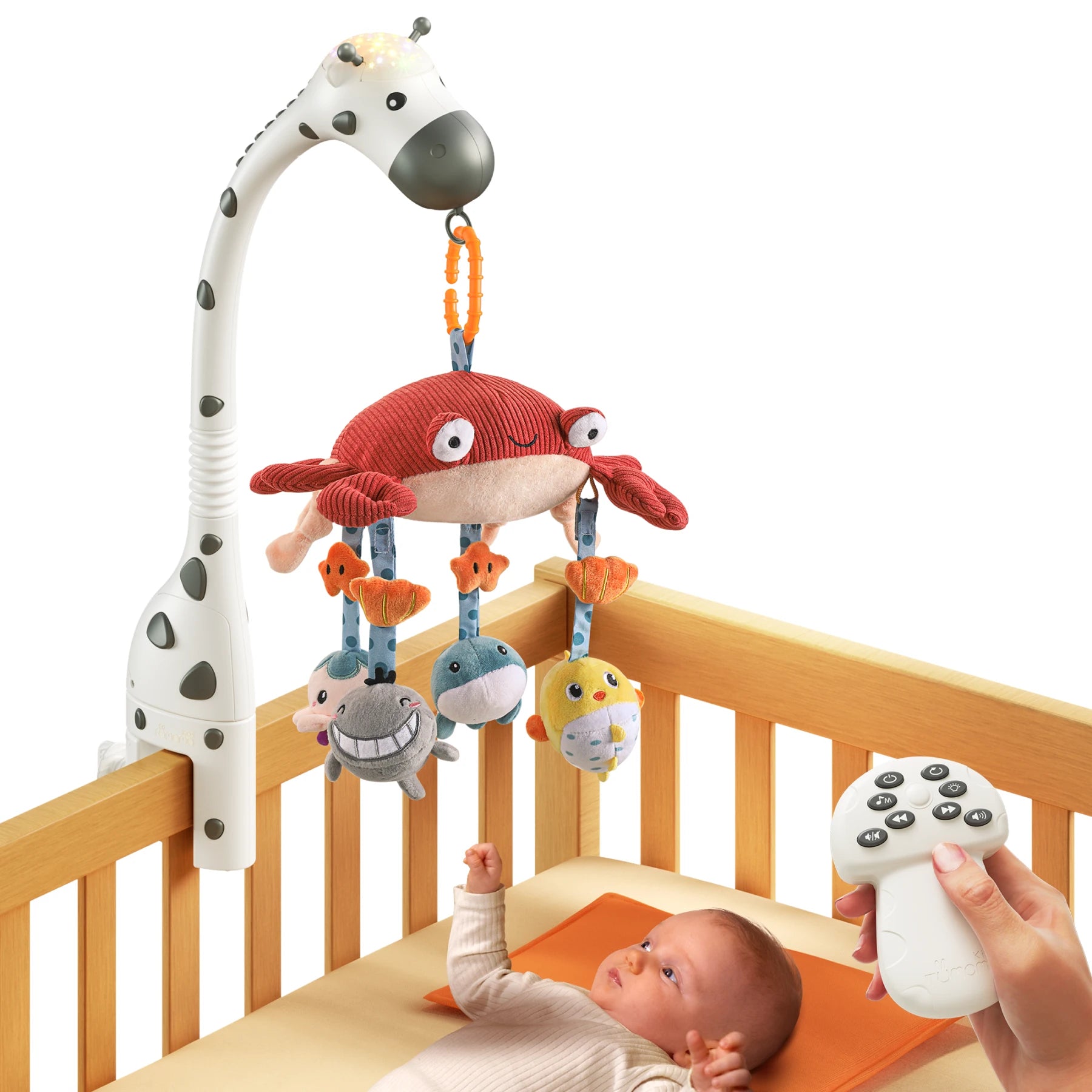
These organizations stress the importance of a clutter-free cot. A simple cot ensures your baby's safety. Following these guidelines can significantly reduce risks. Parents should regularly check for recalls on baby toys. This ensures the toys are safe and up-to-date.
Credit: tumama-kids.com

Credit: www.babysleepsite.com
Frequently Asked Questions
When Can Babies Have Toys In Cots?
Babies can have toys in cots around 12 months. Ensure toys are soft and safe. Avoid small parts that can be a choking hazard. Always monitor your baby and remove toys when they sleep to prevent any risks. Each child is different, so follow your pediatrician's advice.
Are Stuffed Animals Safe In Baby Cots?
Stuffed animals can be safe in baby cots after 12 months. Choose toys without hard parts or detachable eyes. Ensure they are clean and free from allergens. Limit the number of toys to avoid suffocation risks. Always supervise your baby during playtime with stuffed animals.
What Type Of Toys Are Best For Cots?
Soft, plush toys are best for cots. Choose toys without small, detachable parts. Opt for toys that are easy to clean and hypoallergenic. Avoid toys with strings or cords. Age-appropriate toys that encourage sensory development are ideal for cot playtime.
How Do Toys Affect Baby Sleep?
Toys can affect sleep by overstimulating babies. Limit toys in cots to promote a calm environment. Remove toys during sleep time to avoid distractions. A clutter-free cot helps babies associate it with rest. Always ensure toys are safe and non-disruptive during bedtime.
Conclusion
Choosing the right time for toys in the cot is vital. Safety should always come first. Babies can enjoy toys when they can move freely. This usually happens around 12 months. Soft toys are best for this stage. Always ensure the toys are safe and suitable for their age.
Regularly check for wear and tear. Keep the cot space open and airy. Balance safety with fun. Always stay informed about safe practices. Your baby's well-being is the top priority. Enjoy this special time with your little one!