



Ever noticed the instant delight on a baby's face when they clutch a soft toy? You might be wondering why soft toys are more than just cute companions for your little one.
As a parent, you want to ensure every interaction your baby has is safe and beneficial. Soft toys are not only safe but also crucial for your child's early development. You'll discover how these cuddly friends can stimulate your baby's senses, foster emotional growth, and even enhance their cognitive skills.
Stay with us, and learn how to make the best choices for your baby's first playmates, ensuring they are both snug and nurturing.
Benefits Of Soft Toys For Babies
Soft toys offer comfort and safety to months-old babies, helping them feel secure and relaxed. These toys stimulate sensory development, encouraging babies to explore different textures and shapes. Soft toys also promote emotional bonding, serving as a comforting presence during sleep and playtime.
Soft toys are more than just cute companions for babies. They offer a range of benefits that support your child's development in their early months. As a parent, you might find yourself wondering how these cuddly creatures can aid your baby’s growth. Let's explore the advantages these soft toys bring to your little one's life.
Emotional Comfort
Soft toys can provide a sense of security and comfort to babies. Imagine your baby snuggling a soft teddy bear during nap time. This comforting presence can soothe them, making transitions like bedtime easier.
Stimulating Imagination
Even at a young age, babies start to engage with their environment creatively. With soft toys, you can watch as your baby begins to interact, possibly making sounds or babbling to their plush friend. This imaginative play fosters creativity and can be a stepping stone to storytelling and role-playing in later years.
Developing Fine Motor Skills
When babies grasp, hold, and explore soft toys, they are practicing their fine motor skills. Consider how your baby wraps their tiny fingers around a soft toy’s ear or arm. These actions help strengthen hand-eye coordination and dexterity, essential skills for later activities like writing.
Encouraging Social Interaction
Soft toys can be instrumental in teaching babies about social interactions. Have you ever noticed a baby offering their toy to another person? This simple act of sharing is an early lesson in empathy and social behavior. Such interactions can lay the groundwork for future friendships.
Promoting Sensory Exploration
The varied textures and colors of soft toys stimulate a baby's senses. You might find your baby’s eyes lighting up at the sight of a brightly colored plush toy. This sensory engagement is crucial for brain development and helps babies understand the world around them. Incorporating soft toys into your baby’s daily routine can be both fun and beneficial. Next time you hand over a plush bear or bunny, think about the incredible developmental journey your baby is embarking on, aided by these adorable companions. What other toys or activities have you found helpful for your baby's growth?

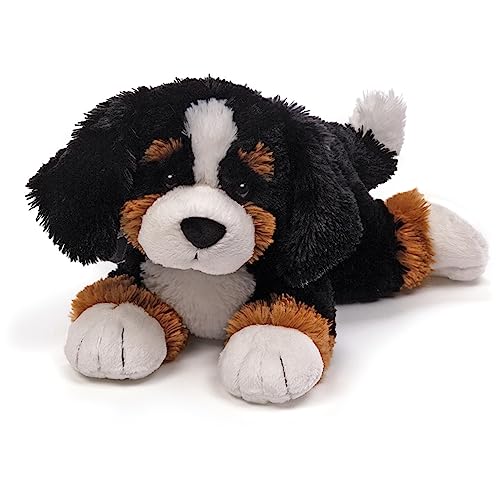
Credit: www.amazon.com
Choosing The Right Soft Toy
Choosing the right soft toy for your little one is crucial. Soft toys can provide comfort and stimulate development. They are often the first playmates for babies. Selecting the perfect toy requires careful thought. You want something safe and engaging.
Safety Considerations
Safety is the top priority when selecting soft toys for babies. Ensure the toy has no small parts. These can be choking hazards. Look for toys with stitched features instead of glued ones. Check for durable stitching. This prevents stuffing from coming out. Avoid toys with long strings or ribbons. They can pose strangulation risks.
Age-appropriate Features
Soft toys should match your baby's developmental stage. For newborns, opt for simple toys. Choose ones with contrasting colors. They help in visual stimulation. For older babies, consider toys with sounds. These encourage auditory skills. Toys with different textures aid sensory exploration. Ensure the toy suits your baby's growth.
Material And Texture
Material and texture are key to choosing soft toys. Look for toys made from hypoallergenic materials. This reduces the risk of allergies. Opt for soft, plush fabrics. They provide comfort and warmth. Babies love touching varied textures. Choose toys with smooth and rough surfaces. These stimulate tactile senses.
Introducing Soft Toys To Babies
Introducing soft toys to babies offers comfort and sensory stimulation. These toys are gentle for tiny hands and encourage exploration. Safe materials ensure peace of mind for parents.
Introducing soft toys to babies is a delightful milestone in their early development. These cuddly companions are not just adorable; they play a crucial role in stimulating sensory and emotional growth. Soft toys can bring comfort, promote interaction, and even aid in learning new skills. But how do you ensure your baby benefits the most from these fuzzy friends? Let's dive into how you can create a safe and engaging environment for your little one.
Creating A Safe Environment
Safety is paramount when introducing soft toys to babies. You want to make sure the toys are free from small parts that could pose a choking hazard. Opt for toys with embroidered features instead of plastic eyes or noses. Check labels for age-appropriate recommendations. Are the materials non-toxic and washable? These aspects are vital for maintaining a safe space for your baby. Consider your own experience. Have you ever noticed how babies tend to explore with their mouths? It's crucial that their toys are clean and safe for a little nibble!
Encouraging Interaction
Soft toys can be more than just cuddly companions; they can spark interaction. Encourage your baby to feel different textures. Talk about the colors and shapes of the toys. Demonstrate simple play techniques. You can show your baby how to give the teddy a hug or wave its hand. This can promote social skills and emotional bonding. Reflect on this: Did you ever have a favorite toy as a child that you carried everywhere? These interactions can create lasting memories for your baby too.
Supervised Playtime
While soft toys are generally safe, supervised playtime is essential. Sit with your baby and observe how they interact with their toys. Are they trying to chew or pull parts off? Engage with them during play. Your presence can enhance their learning experience and ensure safety. Plus, it's a perfect time to bond with your little one. Ask yourself, what moments do you cherish most with your baby? Creating these supervised playtimes can be a wonderful addition to those precious memories.
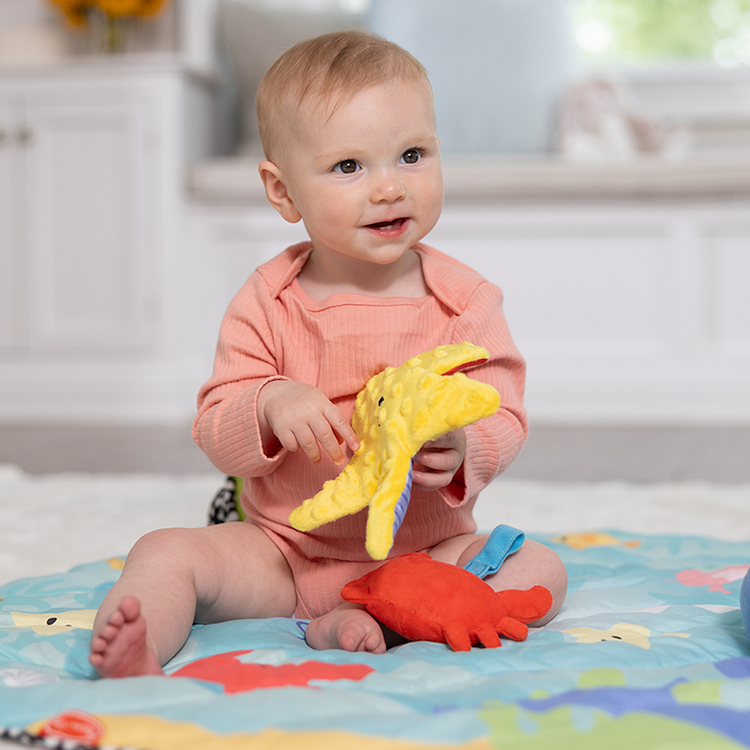
Credit: www.melissaanddoug.com
Promoting Development Through Play
Soft toys help babies develop sensory skills and emotional comfort. They are safe and gentle for tiny hands. Babies explore shapes and textures, boosting cognitive growth.
Soft toys are not just adorable companions. They play a crucial role in a baby's development. Through play, babies learn about the world around them. Soft toys can offer a safe way to explore new skills. They engage babies in sensory experiences and emotional interactions. These toys also stimulate creativity. Let's explore how soft toys can benefit your baby.
Enhancing Sensory Skills
Babies discover textures and sounds through touch. Soft toys with varied materials enhance this discovery. A plush teddy might have smooth fabric and a crinkly ear. Babies learn by feeling these different textures. This sensory exploration boosts brain development. Soft toys often make gentle sounds when squeezed. These sounds capture a baby's attention and improve listening skills.
Fostering Emotional Growth
Soft toys offer comfort and security. They often become a baby's first friend. Hugging a soft toy provides warmth and safety. This helps babies build trust and emotional bonds. Soft toys also help express feelings. Babies may talk to their toys or mimic care. These actions foster emotional understanding and empathy.
Stimulating Creativity
Soft toys encourage imaginative play. Babies might pretend their teddy is a superhero or a doctor. This play develops problem-solving skills and creativity. Soft toys also serve as props in storytelling. Babies create stories around their toys, enhancing language skills. Imaginative play with soft toys lays the foundation for creative thinking. `
Maintaining Hygiene Of Soft Toys
Soft toys offer comfort and joy to babies, but ensuring their cleanliness is crucial. Regularly washing soft toys in gentle detergent keeps them safe for infants. Air drying them prevents mold and maintains freshness.
Soft toys are a delightful addition to your baby's world, offering comfort and companionship. However, as they explore their surroundings, babies often put everything in their mouths, including these adorable plush companions. Maintaining hygiene of soft toys is crucial to ensure your baby enjoys their playtime safely. While keeping these cuddly friends clean might seem daunting, it's simpler than you think. You might recall a time when your baby gleefully tossed their favorite teddy into the mud. Here's how you can maintain that teddy's hygiene without breaking a sweat.
Regular Cleaning Tips
Regular cleaning is essential to keep soft toys free from germs and allergens. Spot cleaning is your quick fix for minor stains. Grab a damp cloth with mild soap and gently rub the affected area. Machine washing can be a lifesaver for thorough cleaning. Use a gentle cycle with cold water, and consider placing the toy in a pillowcase to protect its delicate features. Hand washing can be effective for fragile or cherished toys. Immerse the toy in a basin with warm water and baby-safe detergent, then gently squeeze and rinse. Air drying is recommended to prevent damage. Avoid direct sunlight, which can fade colors.
Storage Solutions
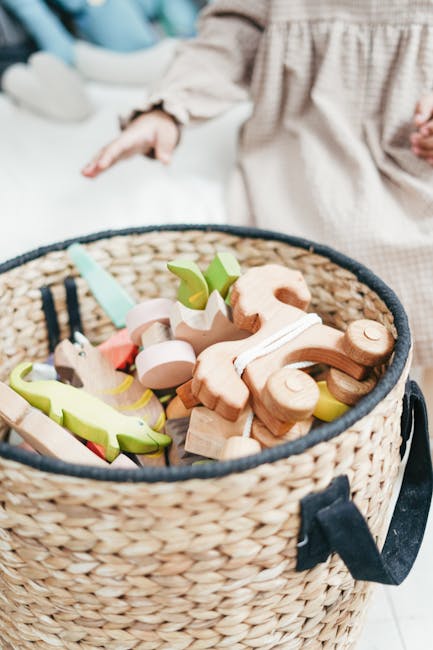
Proper storage is key to maintaining hygiene. Store soft toys in a dry and clean environment. Moisture invites mold and mildew, which can ruin the toys and pose health risks. Consider using clear bins or baskets. These allow you to keep toys organized and easily accessible while protecting them from dust and dirt. Rotation is a clever strategy. Rotate toys regularly to ensure they all receive equal playtime and cleaning attention. It also keeps your baby engaged with different toys. Have you ever found a long-lost toy buried under a pile? Regular storage checks can prevent this, ensuring each toy gets its share of love and cleanliness. By implementing these cleaning and storage techniques, you offer your baby a safe and healthy play environment. What strategies have you found most effective in keeping your baby's toys clean? Share your insights below!
Signs Of Baby's Attachment
Soft toys help babies feel safe and loved. They are perfect for nurturing attachment in young infants. Gentle and cuddly, these toys comfort babies, encouraging emotional bonds.
Introducing your little one to soft toys can be a heartwarming experience. As babies grow, they often develop strong attachments to these cuddly companions. But how can you tell if your baby is forming an emotional bond with a soft toy? Observing the signs of attachment can provide insight into your baby’s emotional development and comfort levels.
Recognizing Emotional Bonds
You might notice your baby reaching for a specific toy repeatedly. This consistent choice indicates a preference and possibly, the start of an attachment. Babies often cuddle or chew on their favorite soft toy. These actions show comfort and reliance on the toy for emotional security. If your baby becomes upset when the toy is out of sight, this could signal a deeper emotional connection. This reaction suggests the toy has become a familiar and reassuring presence.
Managing Over-attachment
While attachment is healthy, over-attachment can be challenging. Does your baby refuse to be without the toy at bedtime or during outings? This might limit your flexibility and theirs. One practical approach is gradually introducing other toys. This can help your baby diversify their attachments and lessen reliance on a single toy. Consider setting boundaries around when and where the toy is used. This encourages your baby to explore new experiences without the toy as a constant crutch. Have you ever wondered how much attachment is too much? By observing your baby's reactions and behaviors, you can foster a balanced relationship with their beloved soft toys.

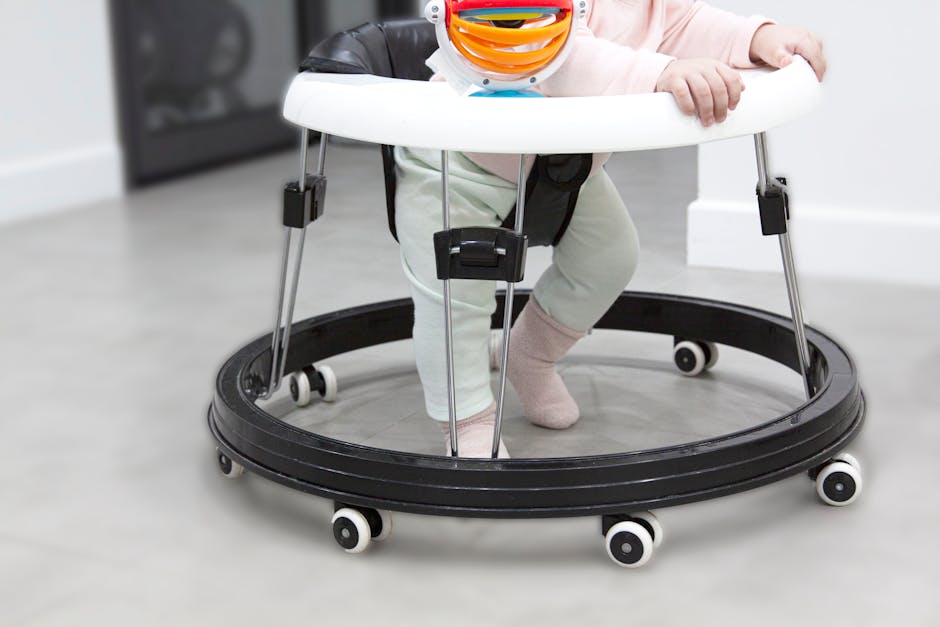
Credit: www.pinterest.com
Frequently Asked Questions
Why Are Soft Toys Good For Babies?
Soft toys are perfect for babies as they provide comfort and tactile stimulation. These toys are safe and help in developing fine motor skills. Soft toys also aid in emotional development, offering a sense of security. Their textures and colors engage a baby's senses, enhancing cognitive growth.
When Can Babies Start Playing With Soft Toys?
Babies can begin interacting with soft toys around three months old. At this age, they start exploring their surroundings. Soft toys help in sensory development and offer comfort. Always ensure the toys are safe and free from small parts. Opt for soft, washable, and hypoallergenic materials.
How To Choose Safe Soft Toys For Babies?
Choose soft toys made from non-toxic, hypoallergenic materials. Ensure there are no small detachable parts that pose choking hazards. The toy should be washable and durable. Check for any loose threads or parts that might come off. Always opt for toys that meet safety standards and regulations.
Can Soft Toys Help In Baby's Development?
Yes, soft toys play a crucial role in a baby's development. They aid in sensory and emotional growth. These toys encourage exploration and imaginative play. Soft toys also help babies learn about textures and shapes. They provide comfort and security, fostering emotional well-being and social skills.
Conclusion
Soft toys play a crucial role in a baby's development. They offer comfort and joy. Babies learn textures and shapes through them. These toys help develop motor skills. They also encourage imaginative play. Ensure the toys are safe and age-appropriate.
Always supervise playtime for safety. Soft toys can be a wonderful gift. They create cherished memories for both parent and child. Choosing the right toy enhances a baby's growth. With careful selection, soft toys can become lifelong favorites. Keep these tips in mind for a happy and healthy baby.