
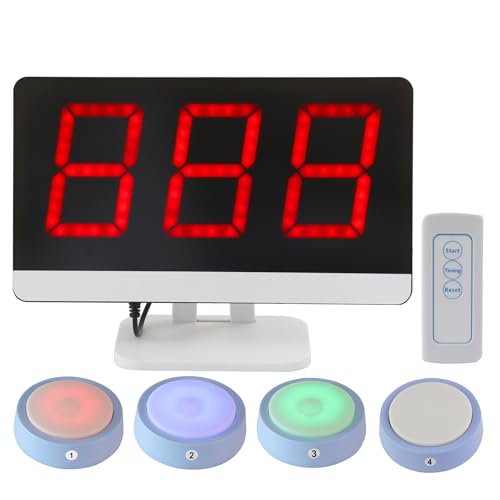
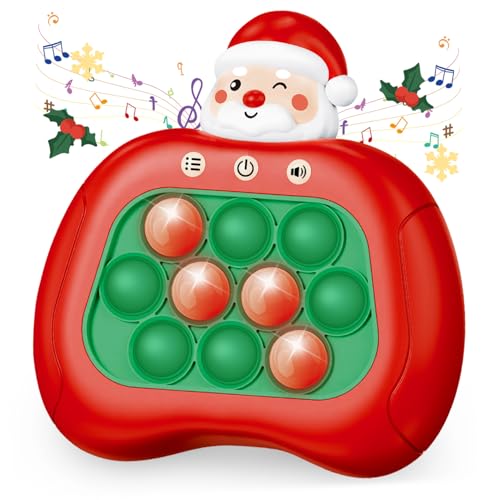
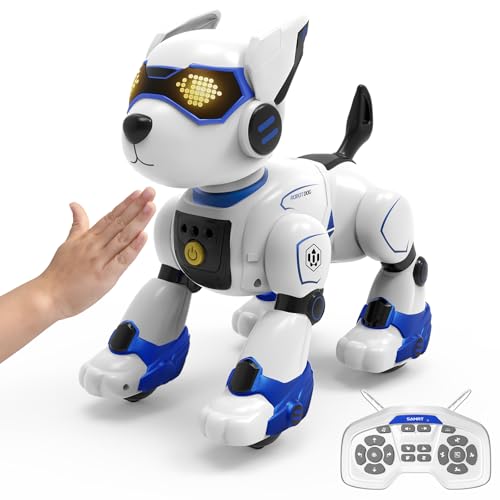



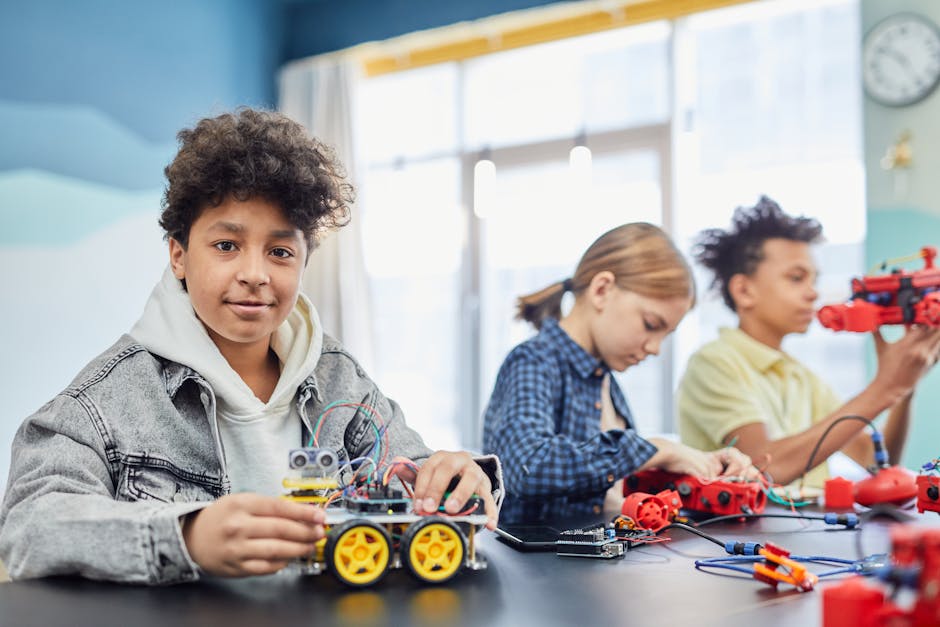
Have you ever found yourself in a toy store, surrounded by bright lights and flashy gadgets, and wondered why electronic children’s toys just seem wrong? You’re not alone.
As you watch your child eagerly reach for the latest gadget, you might feel a pang of unease. Is it the overwhelming noise, or perhaps the lack of imagination these toys encourage? Maybe it's the feeling that something precious from childhood is slipping away.
Your instincts might be telling you something important, and it's time to explore why these seemingly harmless toys are raising concerns. Dive into the deeper reasons behind the discomfort and discover what’s really at stake for your child's development and creativity.

Credit: www.epl.ca
Impact On Imagination
In today's digital age, electronic children's toys have become a staple in many households. However, their impact on a child's imagination is a topic of growing concern. While these toys can entertain, they often limit the creative potential that traditional toys foster. The ability to imagine, create, and innovate is a crucial part of childhood development. Let's delve into how these electronic gadgets might be putting a damper on your child's imaginative skills.
Creative Play Limitations
Electronic toys often come with pre-set scenarios and outcomes, leaving little room for creativity. Think about the magic of a simple wooden block. It can be a castle, a car, or even a spaceship. But a toy that talks or lights up usually dictates what it can be. This can stifle a child's ability to create their own worlds and stories.
Consider your own childhood. Did you ever turn a box into a fort or a blanket into a superhero cape? Those experiences were fueled by limitless imagination. When children rely on electronic toys, they miss out on these open-ended play opportunities. What are we losing when our kids can't play without a script?
Dependency On Instructions
Many electronic toys come with detailed instructions and specific ways they must be used. This often teaches kids to follow rather than create. When a toy directs the play, children might depend on given instructions instead of exploring their own ideas.
Imagine a child who spends hours following commands from a robot toy. They might become less inclined to invent their own games. This reliance can hinder problem-solving skills and reduce their ability to think outside the box. Could this dependency affect their innovation in later life?
Encouraging children to play without constraints builds essential life skills. Next time you're shopping for toys, consider how they will impact your child's imagination. Will they inspire creativity, or simply entertain? Your choice could shape their imaginative future.

Credit: disney.fandom.com
Sensory Overload
Electronic children's toys often seem overwhelming. The key reason? Sensory overload. These toys bombard young minds with excessive stimuli. This can confuse and tire children. They struggle to process all the information. This sensory assault can affect their development. Let's explore why these toys can feel so wrong.
Noise Pollution
Many electronic toys are noisy. They beep, sing, and talk constantly. This noise can become unbearable. It can disturb a child's peace. Kids need quiet to focus and learn. Constant noise disrupts their concentration. The result? Frustration and stress. Parents also suffer from this noise pollution. It's a significant reason these toys feel wrong.
Visual Overstimulation
Bright lights and vivid colors captivate children. Electronic toys flash and flicker endlessly. This visual overstimulation can be overwhelming. It can tire young eyes. Children may become irritable or distracted. They might lose interest quickly. Such toys can also affect sleep patterns. Too much light exposure can hinder relaxation. That's why many parents feel electronic toys are problematic.
Quality Of Interaction
Electronic children's toys offer bright colors and sounds. But they often lack meaningful interaction. Traditional toys encourage creativity and social skills. Electronic toys may not do the same. Let's explore why the quality of interaction might feel lacking.
Reduced Social Engagement
Children learn social skills through play. Traditional toys often require sharing and teamwork. Electronic toys can isolate them. Kids focus on the toy, not on each other. This can limit their social growth. Electronic sounds and lights may grab attention. But they don't teach empathy or communication.
Limited Parental Involvement
Parents play a key role in a child's development. With traditional toys, parents often join in the play. They can guide and teach through interaction. Electronic toys can reduce this involvement. The toy may entertain the child alone. Parents may miss opportunities to connect. Active engagement fosters learning. Passive play does not.
Developmental Concerns
As electronic toys flood the market, many parents find themselves wondering about their impact on a child's development. These flashy gadgets often promise educational benefits but raise several developmental concerns. Are they truly fostering growth or hindering it?
Delayed Motor Skills
Electronic toys often require minimal physical interaction. A child may simply press buttons instead of engaging in activities like building blocks or painting. This lack of hands-on play can delay the development of fine motor skills.
When I watched my nephew try to assemble a simple puzzle after spending hours with his tablet, it became clear. His fingers seemed unfamiliar with the tactile feedback that traditional toys provide. Are we unknowingly impacting the dexterity of our children?
Impact On Cognitive Growth
Many electronic toys claim to boost cognitive skills. However, their structured nature often limits creativity. Unlike open-ended toys, they provide predefined outcomes, leaving little room for imagination.
Consider a toy that sings the alphabet versus one where a child learns through exploring and singing themselves. Which fosters genuine learning? Children may memorize but not truly understand. Are electronic toys limiting our children’s ability to think critically and solve problems?
Your thoughts and actions as a parent shape your child's development. While technology has its place, it's essential to balance it with traditional play. How can you encourage your child to explore the world with their hands and minds?
Commercialization Of Play
Electronic children's toys often feel unsettling. The commercialization of play stands out as a key reason. Toys today aren't just for fun. They are tools for brands to gain young consumers. This shift impacts how children play and grow. Play, once simple and imaginative, now comes with a price tag. Parents and guardians notice this change. They wonder about its impact on childhood development.
Brand Influence On Preferences
Brands shape what kids want. Children see familiar logos everywhere. They recognize them on toys, TV shows, and ads. These brands become symbols of what's "cool." Kids ask for toys with these symbols. Familiar characters make toys irresistible. Parents often feel pressured to buy them. This creates brand loyalty at a young age. Kids' preferences align with popular brands rather than personal interests.
Consumerism And Childhood
Consumerism affects childhood experiences. Kids are exposed to endless advertising. They learn to desire new products constantly. Toys are no longer just toys. They are part of a larger consumer culture. This culture teaches kids to value possessions. The joy of simple play diminishes. Children may focus more on owning than playing. The race for the newest toy overshadows the joy of imagination.
Safety And Durability
Electronic children's toys often seem wrong due to safety and durability concerns. Many of these toys break easily, posing risks like choking hazards. Parents worry about harmful materials used, questioning the long-term safety for their children.
When it comes to choosing toys for children, safety and durability are often at the top of every parent's checklist. Yet, there's a growing concern about electronic children's toys in these areas. While they may captivate young minds with lights and sounds, they often fall short in ways that matter most.
Potential Hazards
Electronic toys often come with small parts, batteries, and wires that pose potential choking, swallowing, or electrical hazards. Imagine your child playing with a toy that suddenly breaks, revealing sharp edges or loose wires. These aren't just hypothetical scenarios; they're real risks you must consider. Many electronic toys are mass-produced, making quality control a challenge. Reports of toys overheating or batteries leaking are not uncommon. Would you feel comfortable allowing your child to play with something that could cause harm?
Longevity Of Products
Electronic toys tend to have a shorter lifespan compared to their non-electronic counterparts. How many times have you seen an electronic toy stop working just weeks after purchase? This not only leads to disappointment but also a waste of money. Durability is often compromised in the race to include the latest tech features. A simple drop can render an electronic toy useless, unlike traditional toys made from durable materials. Wouldn't it be better to invest in something that stands the test of time and rough play? Parents often find themselves constantly replacing these toys, which adds up over time. Choosing durable, non-electronic toys might be a more practical choice, offering longer-lasting entertainment and peace of mind. Ultimately, consider what truly matters: the safety and longevity of the toys your children play with. How do you balance tech-savvy toys with those that promise safety and durability?
Environmental Impact
Electronic children's toys often raise concerns due to their environmental impact. They contribute to e-waste and use non-biodegradable materials. This adds to landfill problems and resource depletion.
Environmental Impact Electronic children's toys can seem wrong for many reasons, and one of the most concerning is their environmental impact. These toys often contribute to significant electronic waste, posing sustainability challenges that affect our planet. As a parent, you might wonder how these toys influence the environment and what you can do about it.
Electronic Waste Issues
Electronic waste, or e-waste, is a growing problem. Children's toys with electronic components add to this waste after they break or become outdated. Have you noticed how quickly a toy's novelty fades, leading to its disposal? The materials used in these toys, like plastics and metals, are not easy to recycle. This means that they often end up in landfills, where they can take hundreds of years to decompose. You might feel uneasy thinking about the pile of discarded toys accumulating over time.
Sustainability Challenges
Creating sustainable electronic toys is challenging. Manufacturers often prioritize cost and market trends over eco-friendly designs. Have you ever bought a toy and wondered why more sustainable options aren't available? To tackle this issue, some companies are exploring recycled materials and modular designs that extend a toy's life. As a consumer, you have the power to demand more sustainable practices. Next time you're shopping for toys, consider asking yourself: is there a greener option available? Sustainability also involves teaching children about the value of long-lasting toys. Encouraging them to care for their toys can reduce waste. How can you instill these values in your children? Remember, your choices can drive change. Let's aim for a future where children can enjoy toys without compromising our planet's health.
Parental Perspectives
Parents often feel uneasy about electronic children's toys. These gadgets can overwhelm young minds. They may replace imaginative play with screen time. Concerns about potential over-stimulation and reduced creativity arise.
When it comes to electronic children's toys, parents often find themselves questioning their role in their child's development. Many parents express concern, feeling that these toys may not provide the same benefits as traditional play. Let's dive into some key points from a parental perspective on why electronic toys might feel unsettling.
Concerns And Criticisms
Parents frequently worry about the impact of electronic toys on their child's creativity and imagination. Unlike blocks or dolls, which require a child to create their own stories, electronic toys often lead the play with pre-set functions. This can stifle a child's ability to think independently. Safety is another major concern. Many electronic toys have small parts or require batteries, posing potential hazards. As a parent, you might find yourself constantly checking if the toy is safe for your child's age and development stage. Moreover, the noise and lights that come with many electronic toys can be overwhelming. You might notice how your child becomes overstimulated or distracted by the constant buzz, making it difficult for them to focus on quieter, more meaningful play.
Balancing Technology In Play
Finding a balance between traditional and electronic toys can be challenging. You may wonder how much screen time is too much and how to integrate technology without compromising on other forms of play. Introduce electronic toys as a supplement, not a replacement. Encourage your child to mix tech-based toys with classic ones, like using an interactive globe alongside a traditional map. This blend can enhance learning without overshadowing creative exploration. Set specific times for electronic play. This ensures that your child has a balanced schedule that includes outdoor activities and social interactions. You could create a routine where electronic toys are part of a reward system, motivating your child to complete other tasks or chores first. Finally, engage with your child during their playtime. Participate in their electronic games to better understand the content and guide them when necessary. This involvement not only keeps you informed but also strengthens your bond with your child. How do you balance technology in your child's play? Consider sharing your strategies in the comments below.

Credit: en.wikipedia.org
Frequently Asked Questions
Why Do Electronic Toys Feel Impersonal?
Electronic toys often lack the warmth and personal touch of traditional toys. They focus on flashy features and sounds, which can overshadow imaginative play. Many parents feel these toys don't encourage creativity or social interaction, making them seem impersonal compared to classic toys that foster engagement and learning.
Are Electronic Toys Bad For Child Development?
Electronic toys can have negative impacts if overused. They might limit creativity and physical play, which are essential for development. While some educational electronic toys offer learning benefits, relying solely on them can hinder social skills and imaginative growth, essential components of healthy child development.
Do Electronic Toys Affect Play Quality?
Electronic toys can reduce the quality of play by dominating attention with screens and sounds. They may distract children from imaginative play, which is crucial for creativity. Traditional toys often encourage more meaningful play experiences, fostering social interaction and problem-solving skills, which electronic toys may not always support.
Why Might Parents Dislike Electronic Toys?
Parents often dislike electronic toys due to concerns about screen time and lack of creativity. These toys can distract from physical activity and social interaction. Many parents prefer toys that promote imagination and educational value, fearing electronic toys might hinder these developmental aspects.
Conclusion
Electronic toys can confuse and overwhelm young minds. Kids need simpler toys. Toys that encourage imagination and creativity. They thrive with games that don't distract them. Simplicity helps children learn better. They interact more with basic toys. Parents should choose toys wisely.
Select ones that boost development and social skills. Simple toys build strong foundations. Less noise, more play. Encourage natural play experiences. Kids grow best with fewer distractions. Choose toys that foster real-world skills. Help them connect with the world around them.
Keep playtime balanced and meaningful. A thoughtful choice makes all the difference.


