
Have you ever found yourself picking up toys from unexpected places, wondering why your little one seems to delight in tossing them behind their tiny shoulders? You’re not alone.
Many parents and caregivers are puzzled by this seemingly mischievous behavior. But what if I told you there’s more to this playful act than meets the eye? Understanding why babies throw toys behind them isn't just about tidying up; it’s about unlocking the secrets of their developing minds.
This simple action can reveal fascinating insights into your baby’s cognitive and motor skills development. So, if you’re curious about what’s really going on in your child’s mind when they engage in this toy-flinging fun, keep reading. You might just discover something surprising about your little explorer!
Developmental Milestones
As your baby grows, you might notice them tossing toys behind them. This quirky behavior isn't just a playful act; it's a significant part of their developmental journey. Understanding why babies do this can provide insights into their growth stages and help you support their development.
Cognitive Growth
Babies are curious explorers by nature. Throwing toys is their way of testing how the world works. They start to understand cause and effect. When they throw a toy, it disappears from view, sparking curiosity about where it goes.
This action helps them learn about object permanence. Before this milestone, babies assume objects disappear forever when out of sight. By repeatedly tossing toys and watching them fall, they begin to grasp that objects still exist even when unseen.
Motor Skills Advancement
Have you noticed your baby's improved hand-eye coordination? Throwing toys is a workout for their motor skills. It requires them to grasp, lift, and release the toy — all crucial movements in their physical development.
Such activities enhance muscle strength and precision. Your baby's ability to control their grip and aim is refined through this playful act. Their growing dexterity and coordination will soon surprise you as they master more complex tasks.
Think about how active your baby is during playtime. Each throw contributes to their ability to interact with their environment. It's not just about the toys; it's about building the foundation for future skills.
Are you curious about how you can support this phase? Consider introducing toys that roll or bounce, which encourage your baby to throw and chase them, adding layers to their learning experience.

Credit: www.reddit.com
Exploring Cause And Effect
Babies throw toys behind them as they explore cause and effect. This simple action teaches them about their environment. Observing the toy's movement helps them learn about gravity and distance.
Understanding why babies throw toys behind them can be a delightful journey into the world of cause and effect. Every toss of a toy is a tiny experiment, revealing insights into a baby's developing mind. This seemingly random behavior is packed with purpose, as it helps babies learn about the world around them. You might have observed your little one chuck a toy over their shoulder with a curious look—what’s going on in their mind? Let’s dive deeper into the intriguing reasons behind this behavior.
Understanding Object Permanence
Object permanence is a fascinating concept. Babies are learning that objects continue to exist even when they cannot see them. This might remind you of peek-a-boo games, where your face magically reappears after hiding. Tossing toys helps reinforce this idea. When a toy disappears from sight, your baby learns it hasn't vanished forever. Ever notice the joy when they find the toy again? It's a victory in understanding. The world is becoming a more predictable place for them. This grasp of permanence is a crucial milestone in cognitive development. It’s a stepping stone towards more complex reasoning.
Learning Through Experimentation
Throwing toys also lets babies experiment with cause and effect. Your baby's actions lead to immediate results—like seeing a toy fall to the ground or hearing a sound. This is similar to watching a ball roll across the floor; they see how their actions change the environment. Have you seen their eyes light up when something unexpected happens? It’s their way of understanding the power of their actions. Babies are little scientists conducting experiments right in your living room. Every throw helps them understand gravity, sound, and distance. As they repeat this behavior, they're collecting data about their world. It helps them build confidence in interacting with their environment. Could there be a better way to learn than through playful discovery? Babies throwing toys might seem like a simple act, but it's an essential part of their learning process. Next time you find yourself picking up toys, consider it an opportunity to witness the amazing growth happening in your child’s brain. Who knew that a simple toss could hold so much significance?
Communication And Expression
Babies often throw toys behind them as a playful way to explore their environment. This behavior helps them learn about cause and effect. It also encourages interaction when caregivers retrieve the toys, fostering early communication skills.
Understanding the reasons behind why babies throw toys can offer valuable insights into their world of communication and expression. Babies are naturally curious and eager to interact with their surroundings. This behavior, while sometimes puzzling to parents, is a crucial part of their development. It’s not just about chaos or mess; it’s a significant way for them to express their emotions and needs.
Expressing Emotions
Babies often throw toys as a way to express their emotions. Just like adults, they experience a wide range of feelings. However, they lack the vocabulary to articulate these emotions. Throwing a toy might be their way of saying they're frustrated, excited, or even bored. Imagine a scenario where your little one repeatedly tosses their favorite rattle across the room. This could be their way of telling you they’re tired of it and want a change. It's a non-verbal cue signaling their inner world. By observing this behavior, you can better understand their emotional state and respond accordingly.
Seeking Attention
Throwing toys can also be a way for babies to seek attention. They quickly learn that when they throw something, someone usually comes to pick it up. This turns into a game and a method to engage with you. Consider the times when you’re busy, and your baby throws a toy in your direction. They might be seeking your attention, wanting to interact or play. By responding to these cues, you can foster a sense of connection and understanding. This behavior encourages you to engage more with your baby, enhancing your bond. It’s essential to recognize this as a form of communication rather than just mischief.
Understanding these subtle cues helps you support your baby’s development effectively. How do you usually respond when your baby throws a toy? Your reaction can shape their future interactions and communication skills. By seeing these actions as communication, you can better meet their needs and nurture their growth.

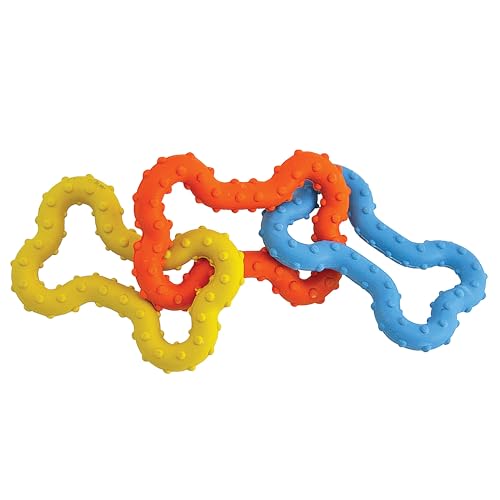
Credit: www.amazon.com
Parental Responses
Understanding why babies throw toys behind them can be challenging. Parents often wonder how to respond to this behavior. Responding thoughtfully can help nurture a baby's curiosity and development. Parents can encourage safe exploration, while setting boundaries. This balanced approach helps babies grow in a safe environment.
Encouraging Safe Exploration
Babies are naturally curious. Throwing toys might seem odd, but it’s a way to explore. Encourage this exploration safely. Provide a variety of toys. Soft toys are a great choice. They minimize injury risks. Play with your baby. Show interest in their activities. This builds trust and engagement. Praise their curiosity. It boosts confidence and learning.
Setting Boundaries
Boundaries are essential for safety. Explain simple rules. Use clear, gentle words. "Toys stay in the play area." Repeat often. Consistency helps babies understand. Enforce rules calmly. Avoid harsh reactions. Offer alternatives. "Let's roll the ball instead." Guide their actions positively. Praise good behavior. Setting limits teaches respect. It fosters a safe learning space.
Games And Activities
Babies often throw toys behind them as a way to explore cause and effect. This playful behavior helps them understand their environment and develop motor skills. Observing objects disappear can be fascinating for little ones, sparking curiosity and encouraging discovery through playful interaction.
Babies are naturally curious explorers, and their seemingly peculiar habit of throwing toys behind them is no exception. This behavior is often a part of their developmental journey. Engaging games and activities can transform this curiosity into learning opportunities and fun for both you and your little one.
Interactive Play Ideas
Interactive play can be an excellent way to channel your baby's toy-tossing tendencies into something constructive. Create a small game where you sit opposite your child and gently roll a ball or toy towards them. Encourage them to send it back to you. This simple activity not only teaches them about cause and effect but also enhances their motor skills. Another idea is to play a game of 'peek-a-boo' with toys. Hide a toy under a blanket and let your baby discover it. This helps them understand object permanence, which is the concept that objects continue to exist even when not visible.
Toy Recommendations
Choosing the right toys can make a significant difference in how your baby engages during playtime. Opt for toys that are easy to grip and throw, like soft balls or lightweight blocks. These toys are perfect for little hands and help in developing coordination. Consider toys with contrasting colors and textures. Babies are drawn to bold colors, and different textures can stimulate their sensory development. Toys that make sounds or light up when thrown can also be fascinating for babies. They provide immediate feedback, encouraging your baby to explore more actively. Why not try these interactive ideas with your baby and see their delight unfold? Do you have a favorite toy that always captures your child's attention? Share your experiences and insights, and join the conversation on how best to nurture your baby's playful curiosity.
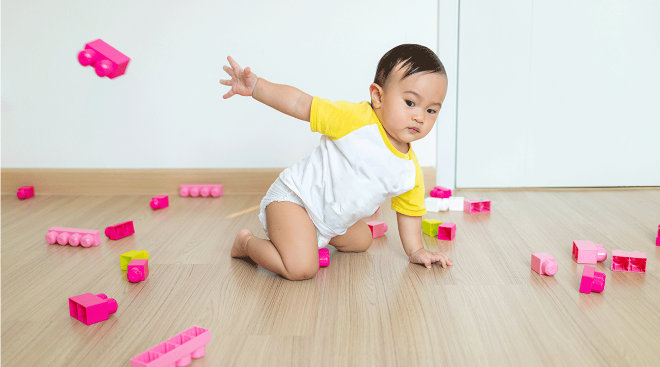
Credit: www.thebump.com
Frequently Asked Questions
Why Do Babies Throw Toys Intentionally?
Babies throw toys as a way to explore their environment. It helps them understand cause and effect. This behavior is a natural part of their development. Throwing toys also aids in improving their motor skills. It's a playful way for them to learn and grow.
What Age Do Babies Start Throwing Toys?
Babies typically start throwing toys around 9 to 12 months old. This is when their motor skills are developing. They begin to explore more actively at this age. Throwing toys is a common behavior during this developmental stage. It's a part of their learning process.
Is Throwing Toys A Developmental Milestone?
Yes, throwing toys is a developmental milestone for babies. It signifies their growing curiosity and motor skills. This behavior helps them understand how objects move. It's a normal part of their cognitive and physical development. Encouraging safe play can support this milestone.
How Can I Stop My Baby From Throwing Toys?
To stop your baby from throwing toys, offer alternative activities. Redirect their attention to other engaging toys. Praise them for playing nicely and reinforce positive behavior. Use gentle reminders and consistent boundaries. Understanding their need to explore can help manage this behavior.
Conclusion
Babies throw toys for learning and fun. It's their way to explore. This simple action helps them understand cause and effect. They see what happens when toys fall. It also gains them your attention. They love your reactions. This behavior is normal and healthy.
It shows growth and curiosity. As parents, patience is key. Ensure the play area is safe. Let them enjoy this phase. Cherish their little discoveries. Each toss is a step in their development journey. Celebrate these moments. They're learning about the world.
Through play, they grow.