



Have you ever wondered why your baby seems fascinated by a simple rattle or a colorful teether? Sensory toys might just hold the key to a world of discovery for your little one.
As a parent, you want the best for your child, and understanding why sensory toys are good for babies can help you make informed choices. Imagine being able to unlock your baby's full potential with just a few carefully chosen toys.
These toys do more than entertain; they play a crucial role in your baby’s development. They engage your baby's senses, nurturing cognitive growth, and building motor skills. By the end of this article, you'll discover how these simple toys can offer profound benefits and why they should be a staple in your baby’s playtime. Curious to learn more? Read on to find out how sensory toys can make a difference in your baby’s early learning journey.
Benefits Of Sensory Toys
Sensory toys offer a multitude of benefits for babies. These toys are designed to engage multiple senses, fostering essential developmental skills. Babies learn through exploration, and sensory toys provide a safe way to discover the world. They are vital for early learning stages, ensuring that babies build strong foundations for future growth.
Enhancing Cognitive Skills
Sensory toys stimulate a baby's brain. They encourage problem-solving and critical thinking. When a baby interacts with different textures or sounds, their brain processes new information. This helps in developing memory and attention span. Toys like shape sorters or puzzle blocks can boost cognitive growth.
Improving Motor Skills
Motor skills are crucial for a baby's development. Sensory toys improve hand-eye coordination. Babies learn to grasp, hold, and manipulate objects. This strengthens their muscles and improves dexterity. Toys like stacking rings or squeeze balls are excellent for motor skill enhancement.
Stimulating Senses
Sensory toys engage a baby's senses. Bright colors attract their eyes. Different textures provide tactile experiences. Sounds stimulate hearing. These sensory inputs help babies understand their environment. Toys like musical instruments or textured mats can provide varied sensory experiences. It's a fun way for babies to learn.

Credit: www.amazon.com
Types Of Sensory Toys
Exploring sensory toys is a delightful journey for babies. Each toy nurtures their growing senses, offering fun and learning. Different types of sensory toys engage babies in unique ways. They stimulate vision, hearing, and touch. Let's dive into the fascinating world of sensory toys for babies.
Visual Toys
Visual toys capture a baby's attention with bright colors and patterns. Mobiles with hanging shapes are perfect. They enhance focus and visual tracking. High-contrast books are ideal too. They help babies recognize shapes and colors. Mirrors are wonderful visual toys. Babies love seeing their reflection, fostering self-awareness.
Auditory Toys
Auditory toys introduce babies to different sounds. Rattles and musical toys top the list. They develop listening skills and encourage auditory exploration. Soft, melodic sounds soothe babies. Bells and chimes stimulate hearing and rhythm. Singing toys can enhance language skills. They introduce rhythm and simple words.
Tactile Toys
Tactile toys offer varied textures for little hands to explore. Soft, plush toys are comforting. They provide a sense of security. Toys with different textures engage touch. Sensory balls with bumps and grooves are fantastic. They improve grip and tactile sensitivity. Fabric books with different textures stimulate curiosity and touch.
Selecting The Right Toys
Selecting the right sensory toys for babies can be a fun journey. These toys not only entertain but also nurture a baby's growing mind. Choosing the right toys requires considering several factors. Let's explore the essentials of picking sensory toys that fit your baby's needs.
Age Appropriateness
Age-appropriate toys support a baby's developmental stage. For infants, choose soft and colorful toys. These engage their sight and touch. As babies grow, introduce toys with more features. Toys that make gentle sounds can be ideal. They captivate their curiosity and encourage exploration.
Safety Considerations
Safety is crucial in selecting toys. Ensure toys have no small parts. Babies often put toys in their mouths. Inspect toys for sharp edges. Check for toxic materials. Safe toys mean peace of mind for parents.
Developmental Goals
Every toy should support a developmental goal. Toys can enhance motor skills. Building blocks, for instance, improve coordination. Sensory toys can also stimulate cognitive growth. Choose toys that match your baby's developmental milestones. This enhances learning through play.

Credit: www.thebump.com
How Sensory Play Aids Growth
Sensory toys enhance babies' growth by stimulating their senses, fostering cognitive development and fine motor skills. They encourage exploration, helping infants learn about textures, sounds, and colors. Engaging with these toys supports emotional growth and builds social skills as babies interact with their environment.
Sensory toys are more than just fun; they're essential tools for your baby's development. These toys engage your little one's senses, sparking curiosity and encouraging growth. When babies interact with various textures, sounds, and colors, their brain connections strengthen. Sensory play aids in the development of a wide range of skills, laying the groundwork for future learning and success. But how exactly does this happen? Let's dive into some key aspects of growth that sensory play supports.
Encouraging Exploration
Sensory toys invite babies to explore the world around them. Imagine your baby reaching out to touch a soft, colorful fabric or a toy that makes a gentle crinkling sound. These experiences stimulate their senses, inviting them to understand how things feel and sound. Your baby learns cause and effect, such as pressing a button to make a toy light up or spin. Such playful discovery builds curiosity and confidence in their ability to interact with their environment.
Building Emotional Skills
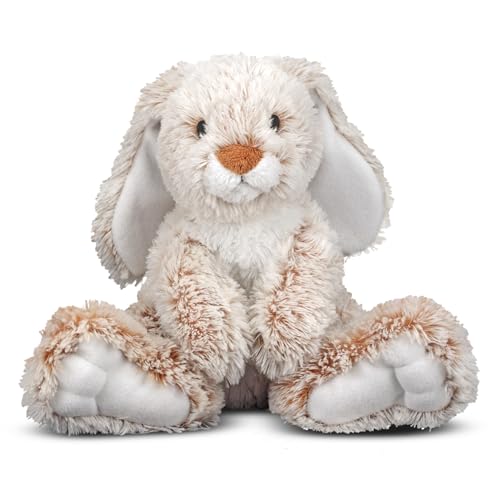
Through sensory play, babies learn to manage their emotions. When a baby feels a new texture or hears a soothing sound, it can bring comfort and joy. Sensory toys like a soft teddy bear can become a source of comfort, helping your baby feel secure. This comfort leads to emotional regulation, as they learn to soothe themselves in new and unfamiliar situations. Have you noticed how a familiar toy can calm your child during a tantrum or a moment of distress?
Promoting Social Interaction
Playing with sensory toys is not just a solitary activity; it can be a social one too. When babies engage with these toys in a group setting, they learn vital social skills. Sharing and taking turns with sensory toys teaches cooperation and patience. If you’ve ever watched children playing with a sensory bin together, you’ve seen how they communicate and learn from each other. These interactions are the building blocks of empathy and understanding, essential for their social development. Sensory toys play an integral role in your baby's growth, offering them a world of exploration, emotional learning, and social interaction. Have you considered how a simple toy can spark a lifetime of learning and discovery?
Incorporating Sensory Toys In Daily Routine
Babies benefit greatly from sensory toys, which enhance cognitive growth and motor skills. These toys stimulate senses, encouraging exploration and curiosity. Incorporating them into daily routines supports emotional development and helps babies understand their environment better.
Incorporating sensory toys into your baby's daily routine can transform their world into a vibrant playground of discovery. These toys aren't just fun; they're essential for your baby's development. By using sensory toys, you can create an environment that stimulates their senses, enhances their skills, and fosters bonding.
Creating A Playful Environment
A playful environment doesn't mean cluttered chaos. It's about thoughtful arrangement. Place sensory toys where your baby spends most of their time. Think of a mobile with bright colors above the crib or a soft, textured blanket on the floor. These subtle additions can make their surroundings intriguing and inviting. Have you noticed how a room with a few engaging toys can turn a fussy baby into a curious explorer?
Balancing Different Sensory Experiences
Balance is key when introducing sensory toys. Babies thrive on variety. Consider mixing toys that cater to different senses—sound, touch, sight. A soft plush toy paired with a musical rattle can offer a rich sensory experience. Rotate toys to maintain interest and stimulate different senses. Are you offering your baby a mix of sensory experiences throughout the day?
Encouraging Parent-child Interaction
Sensory toys are a great way to deepen your connection with your baby. Playtime with these toys can be a shared adventure. Engage with your baby by making funny faces or sounds with the toys. Your laughter and encouragement can make playtime even more rewarding. How often do you seize these moments to create lasting memories with your child? Incorporating sensory toys doesn't have to be a complex task. It's about observing your baby's interests and needs and responding with thoughtful choices. Would you consider adding a sensory toy to your baby's routine today?
Future Trends In Sensory Toys
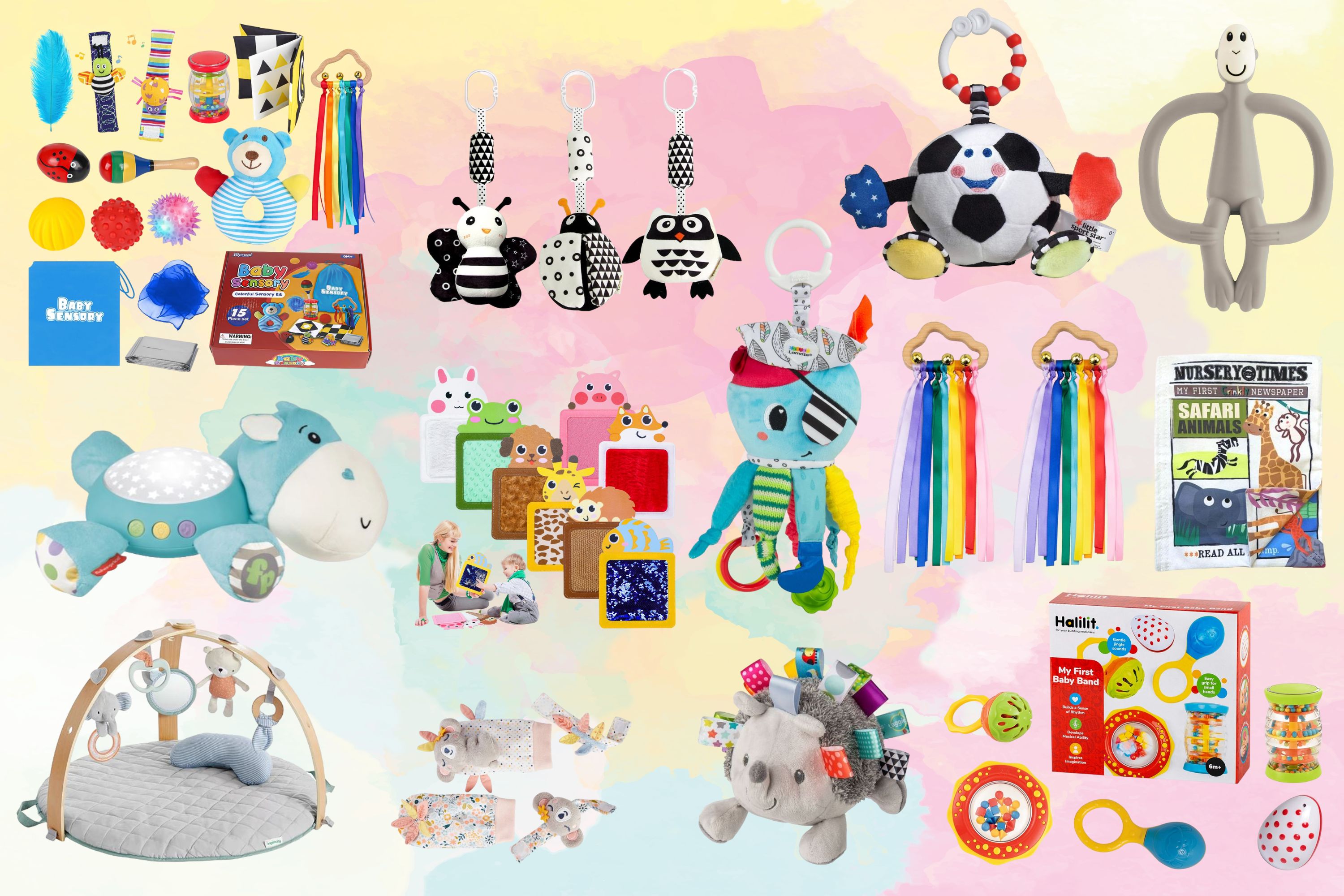
Babies benefit greatly from sensory toys by boosting brain development and fine motor skills. Bright colors and varied textures engage their senses effectively. Future trends focus on eco-friendly materials and innovative designs to enhance learning.
As parents and caregivers, we constantly seek the best for our babies, especially when it comes to their development. Sensory toys have long been a staple in nurturing babies' growth, but what does the future hold for these essential tools? With rapid advancements and a growing awareness of sustainable practices, the future of sensory toys is both exciting and promising. Let's dive into some key trends shaping this landscape.
Innovative Designs
Designers are pushing boundaries with sensory toys, introducing elements that captivate and engage babies in new ways. Toys are now being crafted with diverse textures, vibrant colors, and unique shapes to stimulate multiple senses at once. I remember my friend's child being mesmerized by a toy that not only crinkled but also had a mirror and various tactile materials. Such designs keep babies entertained and support cognitive and motor skill development.
Technological Advancements
Technology is rapidly transforming the sensory toy industry. Interactive toys now incorporate lights, sounds, and even voice recognition to enhance learning experiences. Imagine a toy that responds to your baby's touch with encouraging words or plays soothing music tailored to their mood. These advancements offer a dynamic way for babies to explore cause and effect, fostering curiosity and exploration.
Eco-friendly Options
With growing environmental concerns, eco-friendly sensory toys are gaining traction. These toys are made from sustainable materials such as organic cotton, natural rubber, or recycled plastics, ensuring safety for babies and the planet. When choosing toys, consider the impact on the environment. By supporting eco-friendly brands, you make a conscious decision that benefits your child's future world. As you explore sensory toys for your little one, consider these evolving trends. How can innovative designs, technology, and sustainability shape your baby's playtime? Your choices today can profoundly impact their development and the environment they grow up in.
Credit: www.goodto.com
Frequently Asked Questions
What Are Sensory Toys For Babies?
Sensory toys are designed to stimulate a baby's senses. They engage sight, sound, touch, taste, and smell. These toys help in developing motor skills and cognitive functions. They often include textures, colors, and sounds. Sensory toys are excellent tools for early learning and exploration.
They encourage curiosity and creativity in babies.
How Do Sensory Toys Benefit Brain Development?
Sensory toys enhance neural connections in a baby's brain. They encourage exploration and discovery through interaction. This play helps in developing cognitive skills and problem-solving abilities. Sensory experiences lay the groundwork for future learning. They promote memory and language development, supporting overall brain growth in infants.
Are Sensory Toys Safe For Infants?
Yes, sensory toys are generally safe for infants. They are designed with non-toxic materials and smooth edges. Always check for small parts to avoid choking hazards. Supervision during play is recommended. Choose age-appropriate toys to ensure safety. Regularly inspect toys for damage or wear.
Proper usage ensures a safe playtime experience.
When Should You Introduce Sensory Toys?
Introduce sensory toys as early as newborn stage. Start with simple high-contrast toys for newborns. Gradually introduce more complex toys as they grow. Follow age recommendations on toy packaging. Engage in interactive play to maximize benefits. Sensory toys support developmental milestones in early infancy, enhancing growth and learning.
Conclusion
Sensory toys offer great benefits for babies. They stimulate learning and growth. Babies explore different textures, sounds, and colors. This boosts their cognitive development. Playing with these toys improves their motor skills. It also enhances their sensory experiences. Parents love seeing their children engage and learn.
Sensory toys are safe and fun. They encourage creativity and exploration. Babies learn to interact with their environment. This builds confidence and curiosity. Sensory play is essential for early development. It sets a strong foundation for future learning. Investing in sensory toys benefits your child's growth.
A simple, enriching choice for parents.