Your baby's first smile, their first giggle, and their first tooth are precious milestones that light up your world. But with that first tooth often comes a series of sleepless nights and endless drooling.
You might find yourself wondering, "When can I start giving my baby teething toys? " This question isn't just about timing; it's about ensuring your little one is comfortable and safe as they navigate this new phase. In this blog post, we'll delve into the ideal time to introduce teething toys, the benefits they bring, and how you can choose the perfect one for your baby.
Keep reading to unlock the secrets to soothing your baby's teething troubles and reclaiming those peaceful nights.
Signs Of Teething
Teething is a crucial milestone in a baby's growth. Parents often wonder about the signs of teething and how to identify them. These signs can vary, but some common symptoms can help you understand when your baby might need teething toys. Knowing these signs ensures your baby gets the right care and comfort.
Common Symptoms
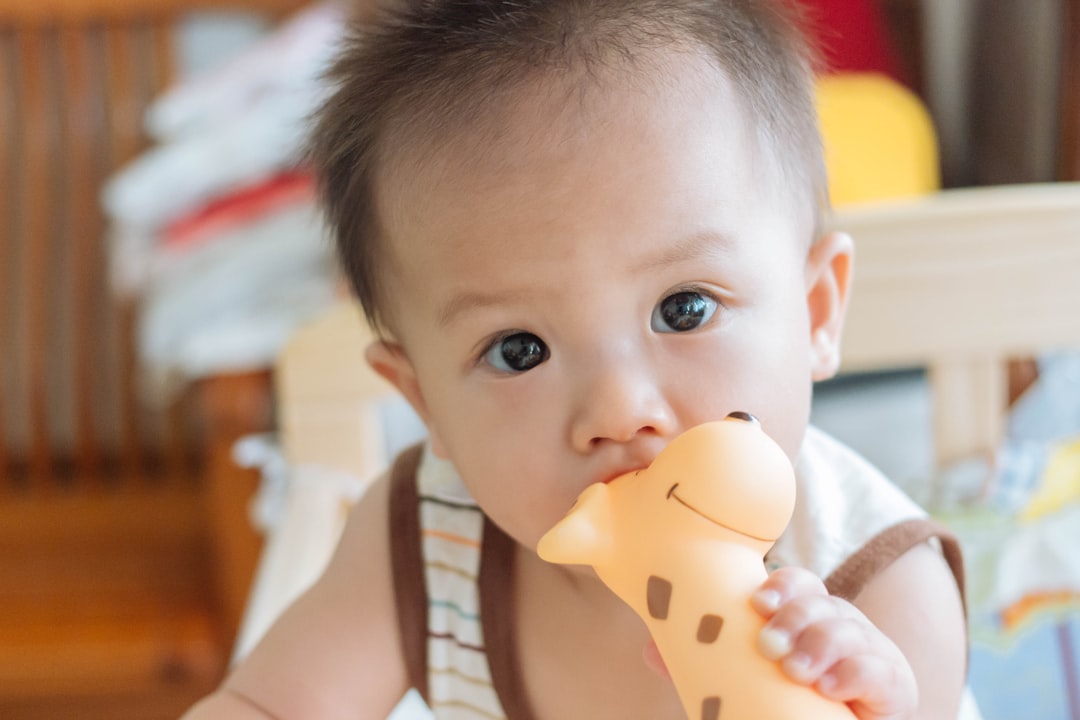
Babies drool more during teething. You might notice excessive drooling. This can lead to skin irritation around the mouth. Another sign is a change in eating habits. Babies may refuse food due to gum discomfort. Increased biting is also common. Your baby might chew on fingers or toys. This helps soothe irritated gums.
Fussiness is another symptom. Babies may become irritable and cry more often. Sleep disturbances can occur too. Your baby might wake up frequently at night. Red or swollen gums are visible signs. You might see a small bump where a tooth is coming in.
Age Indicators
Most babies start teething around six months old. Some may begin earlier. Others may start a bit later. Early teething can start as soon as three months. Late teething might start after twelve months. Every baby is unique in their teething timeline. Usually, the bottom front teeth appear first. The top front teeth follow soon after. It's a natural process that varies for each child.
By knowing these age indicators, you can better prepare for your baby's teething needs. Teething toys can provide comfort and relief. Understanding these signs helps you offer the best care during this stage. Pay attention to your baby's behavior and physical changes. This will guide you in giving the right support.

Credit: www.facebook.com
Choosing The Right Teething Toys
Babies can start using teething toys around three to four months old. These toys help soothe sore gums and encourage healthy oral development. Choose safe, durable, and easy-to-clean options to keep your little one happy and comfortable.
Choosing the right teething toys for your baby is an important decision. As your little one starts to experience the discomfort of teething, providing them with suitable toys can help soothe their gums and make the process more bearable. But how do you make sure you are selecting safe and effective options?
Materials To Avoid
When picking teething toys, steer clear of materials that can be harmful. Avoid toys made of PVC and BPA plastics, as they can release toxic substances. Consider the risks associated with small parts that can become choking hazards. Some toys may contain harmful chemicals or dyes that can be unsafe for babies. It's crucial to scrutinize labels and ensure the toys are free from phthalates and lead. Would you trust your baby with a toy that could be harmful?
Recommended Types
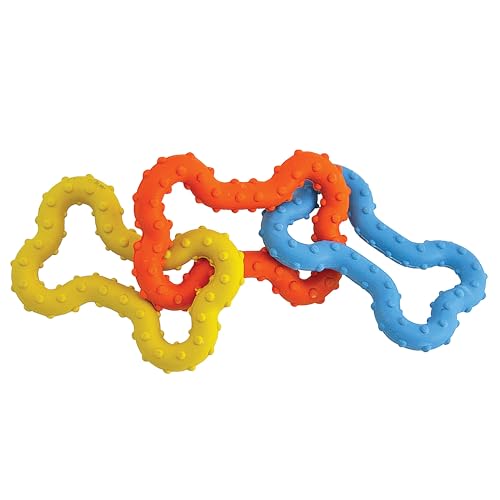
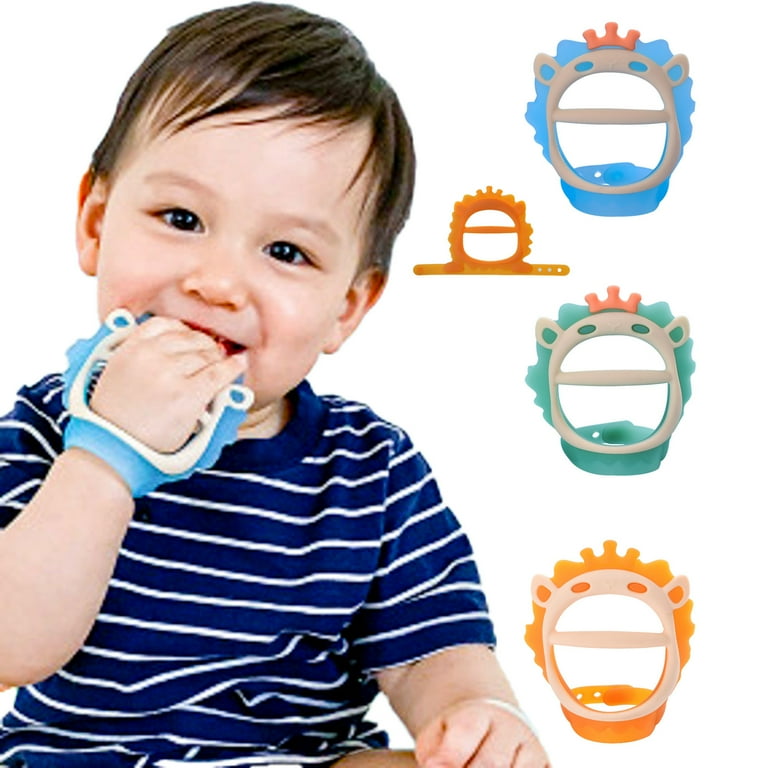
Look for teething toys made from food-grade silicone, natural rubber, or organic cotton. These materials are not only safe but also gentle on your baby's sensitive gums. Textured toys can be particularly soothing for babies. They offer a pleasant sensation that can distract from teething pain. Try toys with varied surfaces, like ridges or bumps, to keep your baby entertained and comfortable. Consider the ease of cleaning when choosing a teething toy. Silicone and rubber toys can be easily sterilized, ensuring they remain hygienic. Have you ever thought about how often your baby drops their toys? A quick clean-up can save the day. Choosing the right teething toys involves careful consideration. With the right guidance, you can ensure your baby remains safe and happy during this challenging phase.
Safety Measures For Teething Toys
Babies can start using teething toys as early as three months. Ensure these toys are free from harmful chemicals. Opt for toys with smooth edges to prevent injury.
When your little one starts teething, it’s a challenging time for both of you. Teething toys can provide much-needed relief, but ensuring their safety is crucial. As parents, you want peace of mind knowing that your baby is safe while they’re chewing away. Let's dive into the essential safety measures for teething toys to keep your baby smiling and safe.
Choking Hazards
Choking is a significant concern with any toy, and teething toys are no exception. Always choose toys that are too large to fit in your baby's mouth entirely. Check for small parts that could break off, like beads or buttons. These small pieces can pose a serious choking risk. Ensure the toy doesn’t have any detachable parts. Even a seemingly secure attachment can become loose over time, leading to potential hazards.
Regular Inspection
Regular inspection of teething toys is vital to ensure they remain safe. Examine toys for cracks, tears, or wear and tear before each use. Even a small tear can cause tiny pieces to break off, which can be hazardous. Keep an eye out for any discoloration or changes in texture. These could indicate the toy is degrading or harboring bacteria. If you're unsure about the state of a toy, it’s safer to replace it. Your baby’s health and safety are worth more than the cost of a new toy. Have you ever found a toy unexpectedly damaged? It can be startling, reminding us that vigilance is key. Regular checks can prevent accidents and give you peace of mind. Your vigilance and care can make a significant difference in your baby's safety during this teething phase. Consider these safety measures as part of your routine checks to keep your baby happy and healthy.
Benefits Of Teething Toys
Teething toys can be a real lifesaver for both you and your baby. They offer more than just a distraction during those challenging teething months. From providing relief to aiding in development, these toys can be an essential part of your baby's growth. So, what exactly are the benefits of teething toys?
Pain Relief
Teething can be uncomfortable for your little one. The pressure from chewing on a teething toy can help soothe sore gums. Imagine the relief your baby feels when that nagging pain is eased by a simple chew. Many toys are designed with varying textures that massage the gums, offering comfort and reducing irritability. Have you noticed how your baby seems calmer after chewing on a favorite toy?
Developmental Advantages
Teething toys are not just for pain relief—they also promote development. Chewing helps strengthen your baby's jaw and facial muscles. These toys often come in bright colors and fun shapes, stimulating visual and tactile senses. They encourage hand-eye coordination as your baby learns to grip and manipulate objects. Could the simple act of playing with a teething toy be laying the groundwork for future skills?
Teething toys offer numerous benefits that can support your baby's growth journey. If you've ever watched your baby find comfort in a teething toy, you know its value is immeasurable. As you select teething toys for your little one, consider the immediate and long-term advantages they bring to your child's development.
Alternatives To Teething Toys
Teething can be a tough time for babies. Many parents use teething toys to soothe their little ones. But there are other ways to help without toys. These methods can be effective and gentle for your baby.
Natural Remedies
Natural remedies can ease teething discomfort. Chamomile tea is known for its calming effects. You can soak a cloth in chamomile tea and let your baby chew on it. Another option is clove oil, which has soothing properties. Dilute a small amount with water and rub it on your baby's gums.
Cold Compresses
Cold compresses can help reduce pain and swelling. You can use a cold washcloth for your baby to chew on. Make sure it is clean and damp. Frozen fruits and vegetables are also safe options. Just ensure they are large enough to prevent choking.

Credit: www.eatplaysay.com
Tips For Introducing Teething Toys
Introducing teething toys to your baby can be a gentle process. It helps soothe discomfort and encourages oral exploration. Follow these tips to make this transition smooth and safe. Your baby will soon enjoy their new teething toys!
Supervised Play
Always watch your baby during teething toy play. Babies can chew aggressively. Ensure they don't bite off small parts. Supervision prevents choking hazards. It also helps you observe their comfort level. Stay nearby while they explore the toy.
Gradual Introduction
Begin with one toy at a time. Let your baby get used to it. Observe how they react. If they seem comfortable, introduce another toy. Gradual introduction builds familiarity. It reduces overwhelm and confusion. Your baby will adapt at their own pace.
Credit: www.walmart.com
Frequently Asked Questions
When Can Babies Use Teething Toys Safely?
Babies can start using teething toys around 4 to 6 months. This is when they begin teething. Always choose safe, non-toxic toys for them. Make sure the toys are easy to clean. Supervise your baby while they use teething toys to prevent any choking hazards.
What Are The Signs Of Teething In Babies?
Common signs of teething include increased drooling and irritability. Babies may also chew on objects more. They might have swollen gums and experience disrupted sleep. Some babies refuse to eat due to gum discomfort. Recognizing these signs can help you decide when to introduce teething toys.
Are All Teething Toys Safe For Babies?
Not all teething toys are safe. Ensure the toy is BPA-free and made from non-toxic materials. Avoid toys with small parts that could be a choking hazard. Always check for any recalls on teething toys before purchasing. Regularly inspect the toy for wear and tear.
How To Clean Baby Teething Toys?
Clean teething toys by washing them with mild soap and warm water. Rinse thoroughly to remove soap residue. Some toys can be sterilized in boiling water. Check the manufacturer's instructions for specific cleaning guidelines. Regular cleaning prevents the buildup of germs and ensures your baby’s safety.
Conclusion
Teething toys can soothe your baby's discomfort. They help with gum relief. Introduce them safely when your baby shows signs of teething. Look for drooling and biting on objects. Choose toys that are safe and easy to clean. Avoid small parts to prevent choking.
Soft and textured toys work best for sore gums. Regularly inspect toys for any damage. Always supervise your baby while they play. This ensures safety and comfort for your little one. Your baby's smile is precious. Keep it healthy and happy with the right teething toys.