
Have you ever wondered when your little one will start to notice those colorful toys you've carefully placed around them? As a parent, you eagerly await each milestone, and knowing when your baby can actually see and enjoy their toys is exciting.
Understanding this can help you choose the right toys that will captivate their attention and stimulate their development. We’ll explore the fascinating journey of your baby’s vision development, giving you insights on when they can start seeing toys and how you can enhance their visual experience.
Get ready to discover the secrets behind your baby's growing world of sight and how you can play an active role in it!

Credit: www.madeformums.com
Sight Development Timeline
Understanding when babies can see toys is essential for ensuring their healthy development and engagement with the world. The sight development timeline offers a fascinating look at how your baby's vision evolves during the first year. From blurry beginnings to a more defined view of their surroundings, each stage brings exciting changes. Let's explore the key milestones in your baby's visual journey.
Newborn Vision Capabilities
Newborns are like little explorers, but their world is quite blurry. At birth, they can see objects about 8 to 12 inches from their face. This is just enough to clearly see the face of the person holding them.
High-contrast patterns, such as black and white toys, are particularly engaging for newborns. These help stimulate their early visual processing. Have you noticed how your baby seems to focus more when you hold a patterned toy close?
Three To Six Months Milestones
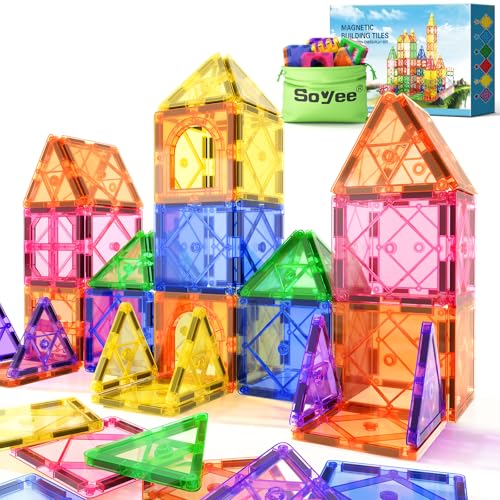
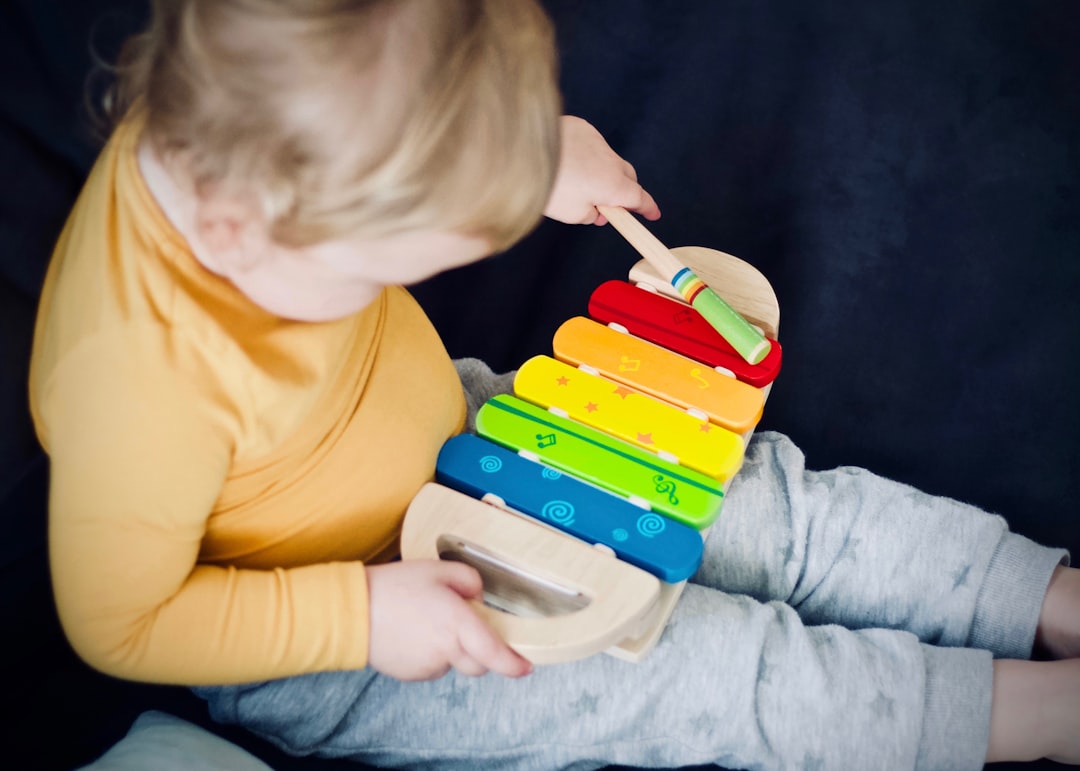
During this phase, your baby’s vision becomes sharper and more focused. They start to notice different colors and show a preference for bright, vivid toys. It's a great time to introduce colorful playthings.
Babies also begin tracking moving objects, following toys with their eyes as you move them from side to side. This is a fantastic period to encourage hand-eye coordination. Have you tried gently dangling a rattle and watching your baby reach out with curiosity?
Six To Twelve Months Changes
By six months, babies see much like adults do. Their depth perception improves, allowing them to judge distances better. They can now spot toys across the room and will often crawl towards them eagerly.
As they approach their first birthday, babies can recognize familiar faces and favorite toys from a distance. They enjoy playing games like peek-a-boo that strengthen their visual memory. What toys have you noticed your baby reaching for repeatedly?
Understanding these stages helps you provide the right toys at the right time. Observing your baby's reactions can be a delightful way to connect and support their growing senses. How will you use these insights to enhance your baby's playtime today?
Factors Affecting Visual Development
Understanding when babies can see toys involves knowing the factors affecting visual development. Several elements play a role in how a baby's vision matures. This section explores genetic influences, environmental factors, and nutrition and health in shaping a baby's eyesight.
Genetic Influences
Genes play a crucial role in visual development. They determine the structure of the eyes and the brain's capacity to process visual information. Some babies may inherit conditions affecting vision. Family history can provide clues about potential visual challenges. Early detection of genetic issues helps in addressing them promptly.
Environmental Factors
The surroundings significantly impact a baby's vision. Exposure to light helps stimulate visual growth. A variety of colors and shapes can enhance visual skills. Safe and visually engaging environments support healthy eye development. Babies benefit from visually rich surroundings.
Nutrition And Health
Proper nutrition is vital for developing healthy eyesight. Nutrients like vitamin A and omega-3 fatty acids support eye health. Breastfeeding provides essential nutrients for the eyes. Regular health check-ups ensure any vision issues are detected early. A balanced diet promotes optimal visual development.
Choosing Age-appropriate Toys
Babies start to notice toys around 2 months old. Bright colors and simple patterns catch their attention first. Choosing toys that fit their developing eyesight helps stimulate visual skills and curiosity.
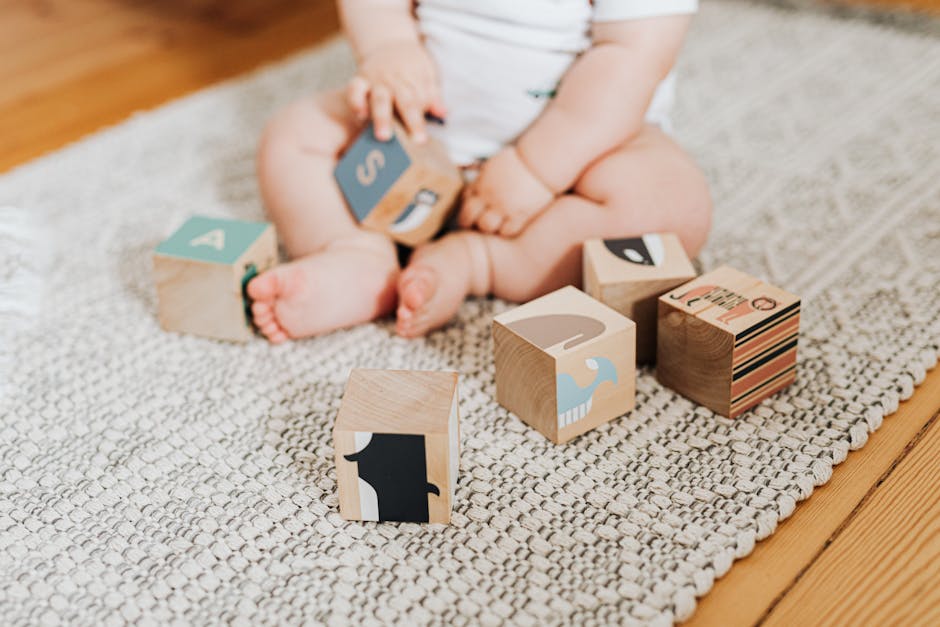
Choosing age-appropriate toys for your baby is more than just a fun shopping experience—it's an essential part of their development. As babies grow, their ability to see, interact with, and understand their surroundings evolves. Providing the right toys at the right time can help stimulate their senses and encourage learning.
High-contrast Toys For Newborns
Newborns have limited vision, but they are fascinated by high-contrast colors like black and white. These colors are easier for them to see and can help improve their visual development. Toys with bold patterns or a combination of black, white, and red are excellent choices. Consider a mobile with high-contrast shapes to hang above their crib. It can capture your baby's attention and promote visual tracking. Soft books with simple, high-contrast images are also a great way to engage them during tummy time.
Interactive Toys For Six Months And Beyond
By six months, your baby is likely more curious and ready to explore. Interactive toys that respond to their actions can be thrilling and educational. Think of toys that make sounds, light up, or have different textures to touch. Stacking rings or cups can help develop hand-eye coordination. Toys that play music or require simple actions, like pressing a button, can teach cause and effect. These toys encourage exploration and can keep your baby engaged for longer periods.
Safety Considerations
While choosing toys, safety should always be a top priority. Ensure that all toys are made of non-toxic materials and are free of small parts that could pose a choking hazard. Check for any sharp edges or loose parts that could harm your baby. Always follow the age recommendations on toy packaging. These guidelines are there to protect your child and ensure they have the best play experience. Regularly inspect toys for wear and tear, and remove any damaged toys from your baby's play area. When selecting toys for your baby, are you focusing on their developmental needs? Taking the time to consider these factors can make playtime both safe and beneficial.

Credit: www.manhattantoy.com
Encouraging Visual Stimulation
Encouraging visual stimulation is important for your baby's development. Babies begin to see their world more clearly in the first few months. By engaging them with toys, you can help enhance their visual skills. Providing the right kind of stimulation makes a difference. This involves offering varied activities and using bright colors.
Activities To Enhance Vision
Simple activities can boost your baby's vision. Hold toys at a short distance. Move them slowly from side to side. This encourages your baby to follow with their eyes. Placing toys within reach also promotes reaching and grasping. A play gym is an excellent tool for visual stimulation. Hanging toys can engage and entertain your baby. Consider using toys that make gentle sounds. This keeps their attention focused.
Importance Of Eye Contact
Eye contact plays a key role in visual development. Look into your baby's eyes during interactions. This builds a strong connection and helps their focus. Make silly faces and see if they imitate you. This not only entertains but also sharpens their visual skills. Talking softly while maintaining eye contact boosts their confidence. It helps them recognize and respond to your voice.
Using Colors And Patterns
Colors and patterns stimulate a baby's vision. Bright colors capture their attention better than pastels. Use toys with contrasting colors like black, white, and red. Patterns like stripes and checks are visually interesting. Mobiles with hanging objects in different shapes and colors are ideal. Change the toys regularly to keep their curiosity alive. This ensures they remain engaged and stimulated.
Signs Of Vision Issues
Babies start seeing toys around two to three months. They might miss them if vision issues occur. Watch for signs like difficulty tracking moving objects or lack of eye contact. Early detection ensures proper care.
When observing your baby's vision, detecting signs of vision issues is crucial. Babies start seeing toys and objects around them as they grow. Parents should be aware of possible problems. Vision issues can affect a baby's development. Early detection ensures timely treatment. Keep an eye on how your baby interacts with toys.
Common Vision Problems
Many babies experience common vision problems. Lazy eye, crossed eyes, and poor focus are frequent issues. These problems can hinder a baby's ability to see toys. Parents should watch for symptoms. Difficulty tracking moving objects is a sign. Squinting or closing one eye when looking at toys may indicate a problem. If your baby seems to ignore toys, it might be a vision issue.
When To Seek Professional Advice
If you suspect vision problems, consult a pediatrician. Professional advice is essential for proper diagnosis. A doctor can assess your baby's vision accurately. They may refer you to an eye specialist. Early intervention leads to better outcomes. Don't wait if you notice unusual behavior. Prompt action can prevent long-term issues.
Regular Eye Check-ups
Regular eye check-ups are vital for babies. Routine examinations ensure healthy vision development. Schedule check-ups even if no issues are apparent. An eye doctor can identify hidden problems. Regular visits provide peace of mind. They help track your baby's progress. Monitoring vision aids in detecting subtle changes.

Credit: www.amazon.com
Parental Tips For Supporting Visual Growth
Babies begin to see toys around three to four months. During these formative months, parents can play a crucial role in nurturing their baby's visual development. Simple actions and thoughtful environments can enhance babies' ability to focus, track movements, and recognize colors. Supporting visual growth isn't just about what toys are available. It's about creating a rich and engaging world for your baby.
Daily Interaction Techniques
Engage your baby with colorful toys. Move toys slowly in front of their eyes. Encourage them to follow objects with their gaze. Use toys with contrasting colors to hold their attention. Talk to your baby while showing them toys. This can help them associate sounds with sights. Eye contact is important. Smile and make facial expressions to catch their interest.
Creating A Stimulating Environment
A stimulating environment promotes visual growth. Hang a mobile above the crib. Choose mobiles with bold patterns and bright colors. Place toys at varying distances. This helps babies practice focusing their eyes. Ensure the room is well-lit. Natural light is best during the day. Soft lighting works well in the evening.
Monitoring Progress
Watch for signs of visual development. Notice if your baby tracks objects well. Observe their reaction to new colors and shapes. Record changes and milestones. Consult your pediatrician if you notice any concerns. Regular check-ups help ensure healthy visual growth. Adjust toys and activities based on your baby's progress.
Frequently Asked Questions
When Do Babies Start Seeing Toys?
Babies begin to see toys around 2 to 4 months. At this stage, their vision sharpens, and they can track moving objects. It's a great time to introduce colorful and high-contrast toys. This visual development is crucial for their cognitive and motor skills.
How Can I Help My Baby See Toys?
Place toys within 8-12 inches from your baby's face. Use bright, high-contrast colors to capture their attention. Move toys slowly from side to side. Regularly change toy positions to stimulate their tracking abilities. This aids in developing their eye coordination and focus.
What Toys Are Best For Developing Vision?
Choose toys with bright colors and patterns. Black and white toys are excellent for newborns. As vision improves, introduce more colorful toys. Mobiles, rattles, and soft books with vivid images are ideal. These stimulate visual tracking and enhance cognitive development.
Why Is Toy Interaction Important For Babies?
Toy interaction helps develop visual and motor skills. It encourages babies to reach, grasp, and explore. This interaction fosters hand-eye coordination. Engaging with toys also boosts cognitive development and sensory exploration. It lays the foundation for learning and problem-solving skills.
Conclusion
Babies grow and change quickly. Their ability to see toys develops over time. Parents often watch eagerly for these milestones. Understanding each stage helps you support your baby's growth. Keep toys colorful and varied. This captures their interest and encourages exploration.
Simple shapes and bright colors are key. Always ensure toys are safe for your baby. Choose items suited for their age and abilities. Observing your baby's reactions offers insight into their vision development. Celebrate these small achievements. They mark important steps in your baby's journey.
Enjoy these precious moments together. Your baby's world is expanding every day.