
Imagine the joy on your baby's face as they reach out, fingers wiggling, and finally grab hold of their favorite toy. It's a moment filled with wonder and discovery.
But did you know that when babies grab toys, it's not just playtime? It's a crucial developmental milestone. This simple action is packed with meaning and significance for your little one’s growth. You're about to uncover how each grasp is a building block for their future.
This isn't just about toys; it's about understanding your baby's brain in action. Let’s dive in and explore what makes this seemingly simple act so important for your child’s development.

Credit: www.rockway.gr
Significance Of Toy Grabbing
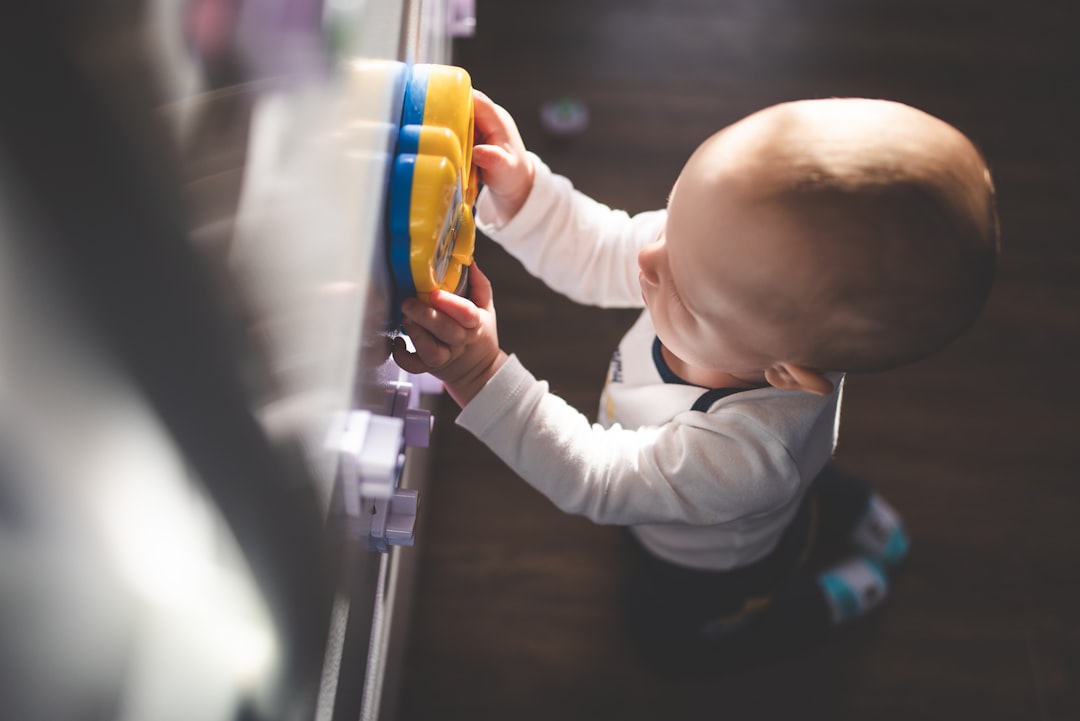
Babies grabbing toys is a crucial developmental milestone. It helps improve their hand-eye coordination and fine motor skills. This playful activity also aids cognitive development, fostering curiosity and exploration.
When babies begin to grab toys, it marks a significant milestone in their development. This simple act is much more than just a moment of curiosity or play. It's a window into your baby's physical, cognitive, and emotional growth. Each time your baby reaches for a toy, they're learning and experiencing new things about themselves and the world around them. As a parent, understanding the significance of this action can help you support your child's development effectively.
Physical Growth Indicators
Toy grabbing showcases essential physical growth indicators in babies. When your baby reaches out to grab a toy, they're improving their hand-eye coordination. This action strengthens muscles in their arms and fingers, setting the stage for later skills like writing or using utensils. Babies also develop fine motor skills through toy grabbing. These skills are crucial for everyday tasks. Observing your baby’s progress can provide insight into their physical development.
Cognitive Development Aspects
Grabbing toys is a key aspect of cognitive development. Each toy they handle introduces them to different textures, shapes, and colors. This sensory exploration enhances their understanding of the world. Toy grabbing also encourages problem-solving. Your baby learns how to approach an object, assess its distance, and decide the best way to reach for it. This process builds critical thinking skills that will benefit them as they grow.
Social And Emotional Connections
Beyond physical and cognitive benefits, toy grabbing plays a role in social and emotional connections. When your baby reaches for a toy, they're expressing interest and curiosity. These are foundational emotions that lead to social interactions. Consider the joy and pride your baby feels when they successfully grab a toy. This accomplishment boosts their self-esteem. Sharing in these moments can strengthen the bond between you and your child, creating lasting memories. Toy grabbing is more than just play. It's a gateway to growth, learning, and connection. Have you noticed your baby's progress in grabbing toys? What new skills have they shown recently? Reflecting on these questions can deepen your understanding of your child’s development journey.

Credit: www.babyplayhacks.com
Age And Timing
Understanding when babies start grabbing toys is vital for parents. Observing these milestones can be exciting. Timing varies, but certain age ranges are typical. Grabbing toys is an important developmental phase. It signals growing coordination and curiosity.
Typical Age Range
Most babies start grabbing toys between three to six months. During this period, hand-eye coordination improves. They become more aware of surroundings. Toys become fascinating objects to explore. Parents notice babies reaching out more. Grabbing toys is a key skill they develop.
Variations Among Babies
Not all babies follow the same timeline. Some may grab toys earlier, others later. Developmental pace varies greatly. Factors like personality play a role. Environment influences timing too. Babies with siblings might grab sooner. Having toys accessible encourages faster development. Observing these variations helps parents understand individual growth.
Motor Skills Development
Babies grabbing toys is a crucial milestone in motor skills development. This action strengthens their hand-eye coordination and grip. Observing this stage can reveal much about a child's growth and learning abilities.
Motor skills development is a remarkable journey in your baby's life. It's a time when each giggle, grab, and gaze is a stepping stone toward their physical and cognitive growth. As your baby reaches out to grab toys, they are not just playing but actively learning and developing essential skills that will aid them throughout their life.
Hand-eye Coordination
Hand-eye coordination is a crucial part of your baby's development. When your little one reaches out for a toy, they are learning to connect what they see with what their hands do. This skill is foundational for many tasks your child will need as they grow. Think about how exciting it is to watch them successfully grab a toy for the first time! Every attempt, whether successful or not, is a building block that strengthens this coordination.
Fine Motor Skill Progression
As your baby continues to grab toys, their fine motor skills progress significantly. These are the smaller movements that involve the hands, fingers, and wrists. You might notice your baby moving from a whole-hand grasp to using their fingers more. This shift is essential for tasks like holding a spoon or turning pages of a book. Encourage this by providing toys of different shapes and sizes. This variety will challenge and engage your baby's developing skills.
Babies are naturally curious and eager to learn. As they explore and play, they are doing more than just having fun. They are honing the skills that lay the groundwork for their future. What toys did you find most effective in helping your baby develop these skills? Share your experiences and let's learn from each other!
Role Of Toys
Toys hold a special place in a baby's world. They are not just playthings. Toys are essential tools that aid in a child's development. Babies grabbing toys is more than fun. It enhances their motor skills and sensory development. Toys stimulate their imagination and creativity. This interaction helps babies understand the world around them. Let's explore how to choose the right toys.
Choosing Age-appropriate Toys
Babies need toys that match their developmental stage. For newborns, soft, colorful toys are ideal. They should be easy to grasp. As babies grow, toys should challenge them a bit more. Blocks, stacking toys, and rattles are great for older babies. They encourage problem-solving and fine motor skills. Always check the age recommendation on toy packages. This ensures the toy is safe and suitable.
Safe Toy Options
Safety is crucial when selecting toys for babies. Ensure toys are free from small parts. These can pose a choking hazard. Look for toys made of non-toxic materials. Babies often explore with their mouths. Toys should be durable and easy to clean. Avoid toys with sharp edges or loose strings. These can be dangerous. Regularly inspect toys for wear and tear. Replace any broken or damaged toys promptly.
Parental Support
As babies start to explore the world around them, grabbing toys becomes an exciting milestone. During this phase, parental support plays a crucial role in nurturing your baby's curiosity and development. It’s about more than just watching them play; it's about being actively engaged and ensuring their safety as they discover new textures and shapes.
Encouraging Interaction
Interaction is key when your baby begins to grab toys. You can encourage this by presenting a variety of toys with different textures and sounds. This diversity stimulates their senses and aids their cognitive growth.
Playing alongside your baby can be a fun and rewarding experience. Your involvement makes playtime more interactive and enjoyable. Try narrating what they're doing or naming the toys they hold. This simple act builds their vocabulary and strengthens your bond.
Have you ever noticed how your baby reacts when you smile and clap as they reach for a toy? Your positive reinforcement not only boosts their confidence but also motivates them to try new things. So, keep those smiles and cheers coming!
Monitoring Safety
Your baby's safety is always a priority. As they grab toys, ensure each toy is appropriate for their age. Check for small parts that could pose a choking hazard. A quick inspection can prevent accidents before they happen.
Be vigilant about the cleanliness of the toys. Babies love to put everything in their mouths. Regularly cleaning toys keeps germs at bay and ensures a safe playing environment.
Consider this: Are the toys stored in a safe place? Make sure they are easily accessible but placed in a secure area to prevent any tumbles or falls. Your proactive steps create a safe space for your baby to explore confidently.
As you support your baby's journey in grabbing toys, remember that your involvement and attention make a world of difference. How do you ensure your baby has a safe and engaging playtime? Share your thoughts and tips!

Credit: www.babycenter.com
Potential Concerns
Watching your baby grab their first toy is exciting. This milestone shows developing motor skills. Yet, not all babies reach this stage at the same time. This can cause concern for some parents. Some babies may experience delays in their ability to grasp. Understanding these potential concerns can ease your worries.
Delayed Grabbing
Delayed grabbing doesn't always mean a problem. Babies develop at their own pace. Some might take longer to master this skill. Factors like premature birth can affect development speed. It's essential to observe your baby's progress. Note any other developmental delays they might have.
Consulting Professionals
If worried about your baby's development, seek professional advice. Pediatricians can provide valuable insights. They can assess your baby's motor skills. Early intervention might be recommended. This can include exercises or therapies. Always trust your instincts as a parent. If something feels off, a professional can guide you.
Frequently Asked Questions
When Do Babies Start Grabbing Toys?
Babies typically start to grab toys around 3 to 4 months old. This is when their motor skills begin developing. They become more curious about their surroundings and start reaching out. Encouraging them with colorful and soft toys can help enhance their hand-eye coordination during this stage.
Why Is Grabbing Toys Important For Babies?
Grabbing toys is crucial for developing motor skills and hand-eye coordination. It allows babies to explore textures and shapes, aiding sensory development. This activity also strengthens their muscles and improves cognitive abilities. Through play, babies learn cause and effect, boosting their problem-solving skills and overall growth.
How Can I Encourage My Baby To Grab Toys?
To encourage your baby, offer a variety of colorful and textured toys. Place toys within their reach and let them explore. Engage with them by demonstrating how to grasp and shake toys. Interactive playtime and positive reinforcement can motivate them to practice and enhance their grasping skills.
What Toys Are Best For Babies To Grab?
Soft, lightweight, and colorful toys are ideal for babies to grab. Rattles, plush toys, and teething rings are popular choices. These toys should be safe, non-toxic, and easy to hold. Look for toys with different textures to stimulate sensory exploration and keep your baby engaged and entertained.
Conclusion
Observing babies grab toys is both delightful and educational. These moments offer insights into their growth and development. Parents can cherish these interactions. Each grab, a step towards learning and coordination. Such experiences build confidence in babies. It's important to provide safe, varied toys.
Encourage exploration and curiosity. This helps strengthen motor skills and brain development. Remember, every baby progresses at their own pace. Enjoy these precious milestones. They pass quickly but leave lasting memories. Celebrate each tiny achievement. It’s all part of the wonderful journey of parenthood.