



Imagine watching your child play with their favorite toys. It's not just fun and games; there's something magical happening.
Each time your child picks up a toy, they're not only entertained but also learning. Toys are powerful tools that can support your child's speech development. They can help turn babbling into words and words into sentences. But how exactly do toys do this, and what should you look for in a toy to aid speech?
This article will unravel these secrets, showing you how to turn playtime into a rich learning experience. Don't miss out on discovering how your child's playtime can be a stepping stone to clearer communication and a brighter future. Read on to unlock the potential of toys in nurturing your child's speech abilities.
Role Of Play In Language Growth
Play holds a significant role in a child's language development. Through play, children explore sounds, words, and sentences. They mimic, listen, and learn from their environment. Toys are not just for fun; they are vital tools in this process.
Role Of Toys In Language Growth
Toys encourage children to engage in creative play. This creativity sparks conversations and storytelling. Children often describe their actions during play. This description helps them practice new words.
Building Vocabulary Through Play
Interactive toys often come with sound effects or labels. These features introduce children to new vocabulary. Children repeat these words, enhancing their language skills.
Enhancing Listening Skills
Play requires attention to sounds and instructions. Toys with songs or spoken commands help improve listening skills. These toys teach children how to follow directions.
Encouraging Social Interaction
Many toys promote group play. Playing with others encourages conversation and collaboration. Children learn to express themselves and understand peers.
Stimulating Imagination And Expression
Role-playing toys allow children to act out scenarios. This play promotes expressive language. Children use their imagination to create dialogues and stories.
Types Of Toys For Speech Enhancement
Toys play a crucial role in enhancing speech development in children. Various types of toys can aid in this process. Each toy offers unique benefits for speech enhancement. Let's explore some effective toys that support this important skill.
Building Blocks
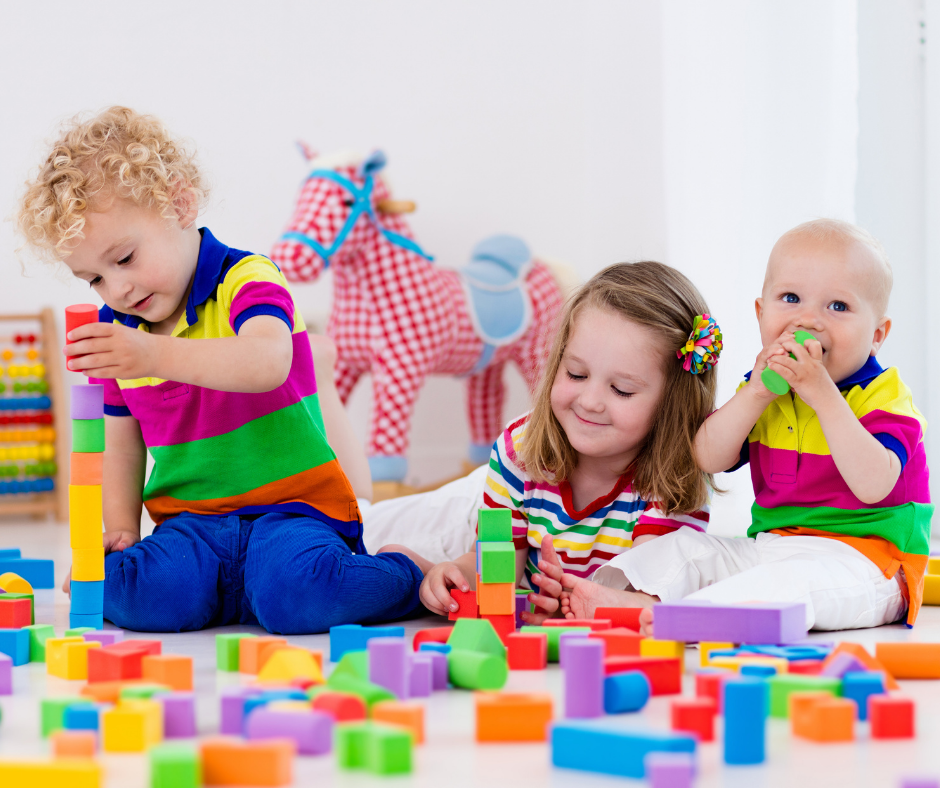
Building blocks encourage creativity and imagination in children. They help develop fine motor skills while fostering communication. As children build, they often talk about their creations. This encourages vocabulary growth and sentence structure. Playing with blocks can also help children learn colors and shapes. These activities enhance descriptive language skills.
Interactive Dolls And Action Figures
Interactive dolls and action figures prompt storytelling and role play. Children create scenarios that require dialogue and interaction. This boosts conversational skills and empathy. Dolls and figures often come with accessories. These items encourage descriptive language as children explain their use. Role-playing improves social skills and language fluency.
Musical Instruments
Musical instruments are excellent for speech and hearing development. Playing instruments involves rhythm and sound recognition. Singing along enhances pronunciation and articulation. Instruments like drums or xylophones introduce new vocabulary. Children learn musical terms and symbols. This enriches their language comprehension.
Puzzle Games
Puzzle games develop problem-solving skills and spatial awareness. As children solve puzzles, they discuss strategies and solutions. This encourages logical thinking and communication. Puzzles with words or letters boost literacy skills. Children learn to recognize patterns and sequences. These skills are vital for reading and writing development.
Benefits Of Interactive Play
Interactive play with toys offers numerous benefits for speech development. Toys act as tools that engage children in meaningful communication. This type of play encourages language skills naturally. Through play, children learn to express themselves and understand others. It opens up opportunities for dialogue and learning.
Encouraging Communication
Interactive toys prompt children to talk. They ask questions, make requests, and share ideas. This active engagement helps kids practice speaking. Toys like puppets and phones inspire imaginative conversations. These activities build confidence in verbal expression. Communication becomes fun and spontaneous.
Fostering Social Skills
Playing with others teaches valuable social skills. Children learn to take turns and listen. These interactions enhance their ability to work in groups. Toys that require teamwork boost cooperation and empathy. They understand different perspectives through shared play. This builds a foundation for social development.
Enhancing Vocabulary
Toys introduce new words and concepts. Children expand their vocabulary by describing objects and actions. Games that involve storytelling or role-play enrich language exposure. They learn synonyms, antonyms, and descriptive words. This vocabulary growth aids in clearer communication. Playtime becomes a valuable learning experience.

Credit: lifewithtinyhumans.com
Choosing Age-appropriate Toys
Choosing age-appropriate toys is vital for speech development. Different ages have unique needs. Selecting the right toys can enhance language skills. These toys also boost cognitive development. Ensuring the toys match the child's age is crucial. This encourages effective learning and fun. Let's explore suitable toys for each age group.
Infant Toys
Infants thrive on sensory experiences. Toys with different textures engage their senses. Soft rattles and plush toys are excellent choices. They help infants explore sounds and touch. Toys that make sounds capture their attention. This can stimulate early vocalizations. Brightly colored toys also attract their gaze. This aids in visual and auditory tracking.
Toddler Options
Toddlers are curious explorers. Simple puzzle sets help them with problem-solving. Building blocks encourage creativity and language development. Picture books with clear images are great for vocabulary building. Toddlers enjoy repeating words they hear. Toys that require sorting or matching boost cognitive skills. These activities also promote communication.
Preschool Selections
Preschoolers have active imaginations. Role-play toys encourage storytelling and conversation. Puppets and dress-up clothes inspire creative dialogues. Board games that involve taking turns teach patience. They also enhance social skills. Alphabet puzzles introduce letter recognition. This builds a foundation for reading. Interactive toys with questions and answers boost learning.
Parental Involvement In Play
Engaging with your child during play is more than just a bonding experience; it's a powerful tool for speech development. Toys can act as catalysts for learning, but they need your involvement to unlock their full potential. Are you leveraging playtime to boost your child's speech skills?
Guiding Conversations
When playing with your child, guide conversations by asking open-ended questions. This approach encourages your child to think and verbalize thoughts. Instead of asking, "Did you like the toy?" try "What do you like about this toy?"
Listen actively to their responses, showing genuine interest. This builds their confidence and makes them feel heard. Share your thoughts too, creating a two-way dialogue that enhances vocabulary and sentence structure.
Creating Play Scenarios
Use toys to create imaginative play scenarios that require dialogue. If you have a toy kitchen, pretend to be a chef and a customer, discussing menu items and cooking techniques. This type of play introduces new words and contexts.
Change scenarios regularly to keep the play fresh and challenging. One day, you might be pirates searching for treasure; the next, astronauts exploring space. Each scenario introduces unique language opportunities.
Encouraging Role Play
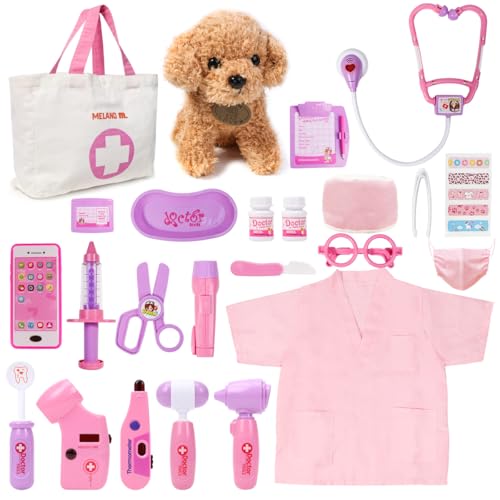
Role play is a fun way to expand speech skills. Encourage your child to take on different roles, such as a teacher, doctor, or superhero. These roles require specific vocabulary and expressions.
Get involved by playing a supporting character. This allows you to model appropriate language use and gives your child a chance to respond. Role play can also help them understand social cues and develop empathy.
Reflect on your play sessions. What went well? What sparked the most conversation? Use these insights to enhance future playtimes. Your active involvement not only makes play more enjoyable but also significantly boosts your child's speech development.

Credit: www.theinformedslp.com
Technology And Speech Development
Technology has become an integral part of our daily lives, even for children. It's fascinating to see how digital tools can play a role in supporting speech development. By integrating technology thoughtfully, you can turn screen time into a valuable opportunity for learning.
Educational Apps
Educational apps designed for speech development can be a game-changer. They offer interactive exercises that encourage children to practice pronunciation and vocabulary in a fun way. Remember the joy on your child's face when they mastered a new word using a playful app?
Consider apps that adapt to your child’s learning pace. This personalization keeps them engaged and motivated. Isn’t it amazing how a simple app can become a helpful tool in their learning journey?
Digital Storytelling
Digital storytelling captivates young minds by bringing stories to life. Animated characters and interactive narratives make storytime more engaging. As your child follows along, they pick up new words and phrases effortlessly.
Create your own digital stories to personalize the experience. Adding familiar faces and voices can make storytime even more special. How about recording a story together and playing it back? It’s a delightful way to combine creativity and learning.
Balancing Screen Time
While technology offers wonderful tools, balance is key. Excessive screen time can hinder development. Set clear boundaries to ensure technology supplements, rather than replaces, traditional learning.
Encourage breaks and outdoor play to nurture other aspects of growth. Tech-free zones can also foster conversation and interaction. How do you ensure your child isn’t glued to the screen all day?
Incorporating technology in speech development requires thoughtful choices and moderation. With the right approach, you can harness its potential to support your child’s learning journey effectively.
Signs Of Speech Improvement
Colorful toys encourage speech growth by sparking curiosity and conversation. Interactive play fosters vocabulary expansion and sentence formation. Engaging games enhance listening skills, making communication smoother and more effective.
Understanding the signs of speech improvement in children can be both exciting and reassuring for any parent. Toys play a significant role in this developmental process by encouraging children to express themselves. As you observe your child during playtime, look for certain milestones that indicate their speech is developing effectively.
Increased Word Count
One clear sign of speech improvement is when your child begins to use more words. You might notice them naming their favorite toys or describing their play actions in greater detail. This increase in vocabulary is a strong indicator that they are absorbing new words and eager to communicate more. Consider keeping a word diary. Track the new words your child uses each week. This can be a fun and insightful way to monitor their progress and celebrate their achievements together.
Improved Pronunciation
Another sign of progress is when your child's pronunciation becomes clearer. You might hear them say “truck” instead of “tuck” or “banana” instead of “nana”. These small shifts can be heartwarming proof of their growing language skills. Encourage them by repeating words correctly without correcting them harshly. This gentle approach reinforces the right sounds while keeping playtime enjoyable and pressure-free.
Greater Sentence Complexity
As your child’s speech develops, they will start constructing more complex sentences. You might hear them say, “I want the big red ball” instead of just “ball”. This demonstrates their ability to organize thoughts and express more detailed ideas. Play with them using toys that encourage storytelling or role-playing. Ask open-ended questions that prompt them to describe what’s happening or what comes next. This not only nurtures their creativity but also challenges them to expand their sentence structure. Have you noticed these signs in your child? Watching them grow and develop through play is a rewarding experience. Each new word or clearer phrase is a step towards more confident communication. Keep encouraging them with the right toys and a lot of love.
Credit: www.speechease.net.au
Frequently Asked Questions
How Do Toys Aid Speech Development?
Toys help children learn sounds, words, and sentences. Interactive toys encourage verbal interaction, boosting vocabulary and communication skills. Toys with sounds stimulate auditory development. Role-playing toys allow children to practice speech in various scenarios, aiding social skills. Educational toys can enhance language acquisition through fun, engaging methods.
What Are The Best Toys For Speech Growth?
Toys that promote interaction are ideal for speech growth. Look for toys that encourage talking, singing, or storytelling. Books, puppets, and musical instruments can enhance language skills. Toys with letters and numbers support vocabulary expansion. Choose toys that engage children in conversations for effective speech development.
Can Toys Improve Vocabulary In Toddlers?
Yes, toys can significantly improve vocabulary in toddlers. Interactive toys with sounds and words introduce new vocabulary. Picture books and storytelling toys help toddlers learn new words. Educational toys that involve naming objects or animals boost vocabulary. Toys that encourage dialogue can enhance toddlers' language skills effectively.
Do Electronic Toys Help Speech Skills?
Electronic toys can support speech skills when used wisely. They often include sounds, songs, and interactive features. These elements can enhance listening and speaking abilities. Parents should ensure balanced use, combining electronic and traditional toys. Active engagement with electronic toys can foster effective speech development.
Conclusion
Toys make speech development fun and engaging for children. They encourage imagination and creativity. Conversations during play improve vocabulary skills. Children learn to express ideas clearly. Toys also help in understanding sounds and words. Parents can join playtime for better results.
Simple toys work best for language growth. Choose toys that match your child's interest. Encourage daily play sessions for steady improvement. Remember, patience is key in speech development. Enjoy the journey with your child. Celebrate small victories along the way.
Toys truly support a child's speech journey.


