
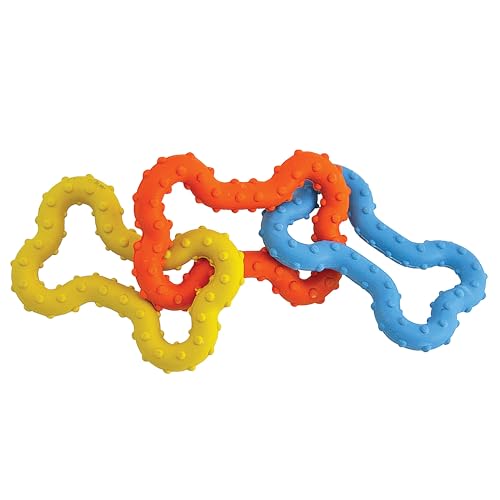
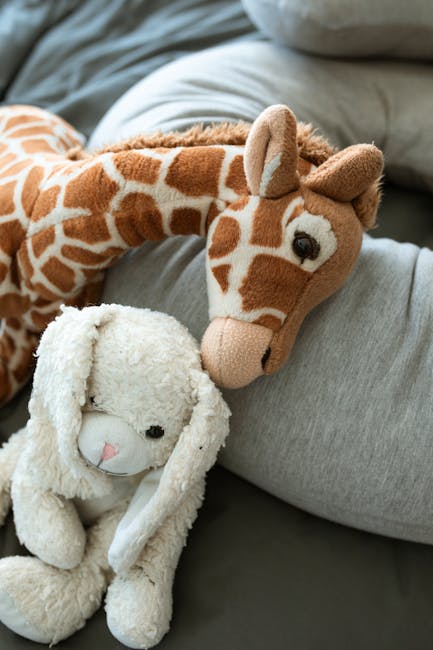


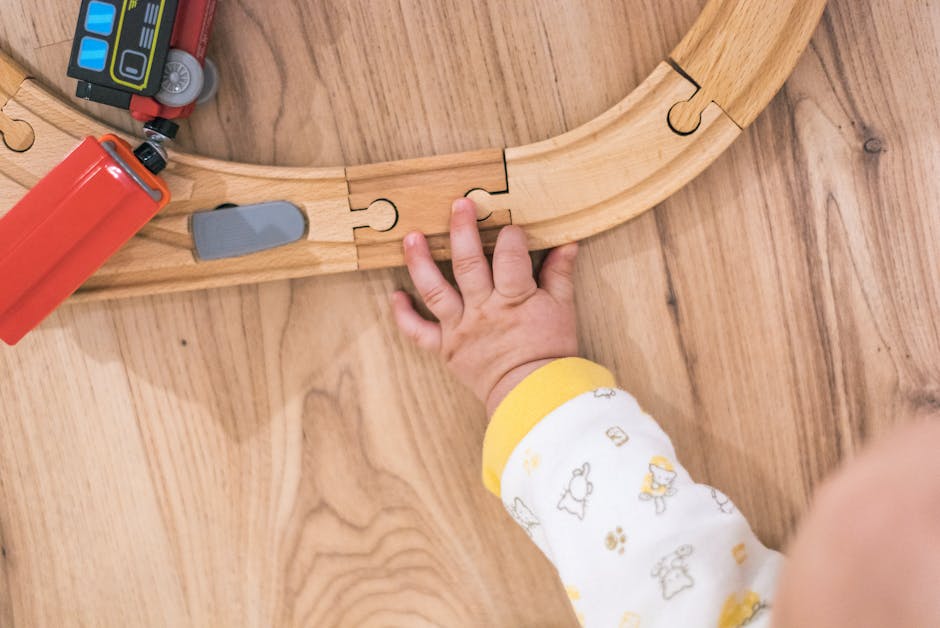
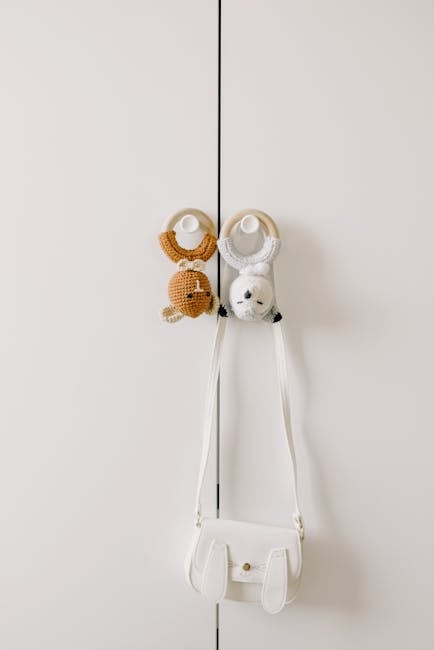
Are you constantly tripping over toy cars or searching for that one missing puzzle piece? Keeping your baby’s toys organized might feel like an endless battle, but it doesn’t have to be.
Imagine a home where every toy has its place, making playtime enjoyable and cleanup a breeze. In this guide, you’ll discover simple, effective strategies to tame the toy chaos and create a clutter-free space for you and your baby. Dive in to learn how to bring order to your home and finally reclaim your living space.
Credit: www.amazon.com
Benefits Of Organized Baby Toys
Organized baby toys make playtime more enjoyable and stress-free. Easy-to-find toys save time and minimize mess, creating a tidy space. A simple storage system promotes creativity by allowing babies to explore and discover toys independently.
Organizing baby toys might seem like a daunting task, but the benefits extend beyond a tidy room. Imagine walking into your child's play area and not tripping over scattered blocks or stepping on a squeaky toy. Organized toys not only make your life easier but also nurture your child's development. Let's dive into why keeping those toys in order is worth your time and effort.
Improved Safety
Keeping toys organized reduces the risk of accidents. Have you ever accidentally stepped on a toy car or tripped over a plush toy? By ensuring toys are stored in designated places, you minimize hazards. This is especially important for crawling babies who explore every corner. Safety is a priority, and organized toys help achieve it.
Enhanced Playtime Experience
When toys are organized, your baby can easily find their favorites. This encourages independent play, allowing your child to explore their creativity without frustration. Imagine your little one reaching for their favorite puzzle without rummaging through a pile. An organized space fosters a more engaging play environment.
Time Efficiency For Parents
Have you ever spent countless minutes searching for a missing toy? Organized toys save you time. Whether it's locating the right toy or cleaning up after playtime, having a system in place speeds up these tasks. Time saved can be better spent playing with your child or enjoying a well-deserved break.
Development Of Responsibility
Teaching your child to organize their toys instills a sense of responsibility. Children learn to respect their belongings and understand the importance of tidying up. As they grow, they can participate in organizing, turning it into a fun activity. This lesson in responsibility will benefit them in other areas of life as well.
Stress Reduction
A clutter-free space contributes to a calm environment. Walking into a room where toys are neatly placed can instantly reduce stress. Imagine the peace of mind knowing every toy has its place. This tranquility is beneficial for both you and your baby, promoting a happier home. Organizing baby toys might seem like a small task, but the benefits are significant. Why not take a step towards a more organized play area today? You might find it transforms your daily routine in ways you hadn't anticipated.
Sorting And Categorizing
Keeping baby toys organized can be a fun task for parents. Sorting and categorizing toys is the first step to creating order. It helps in easy access and ensures toys are safe and suitable for your child. The process involves assessing toys based on age and purpose. This section will guide you through sorting toys by age and category.
Age-appropriate Toys
Sort toys according to your child's age. Babies under six months need soft toys. They enjoy rattles and teething rings. For toddlers, choose toys that support learning. Puzzles and building blocks are ideal. These toys boost motor skills and problem-solving abilities.
Toy Categories
Organize toys based on their type. Group similar toys together. This makes it easy for your child to find what they want. You can have categories like plush toys, educational toys, and outdoor toys. Place each category in separate bins or shelves. Labeling helps in quick identification.
Storage Solutions
Organize baby toys easily with labeled bins and shelves. Sort toys by type or color for quick access. Regularly rotate and declutter to keep play areas neat and manageable.
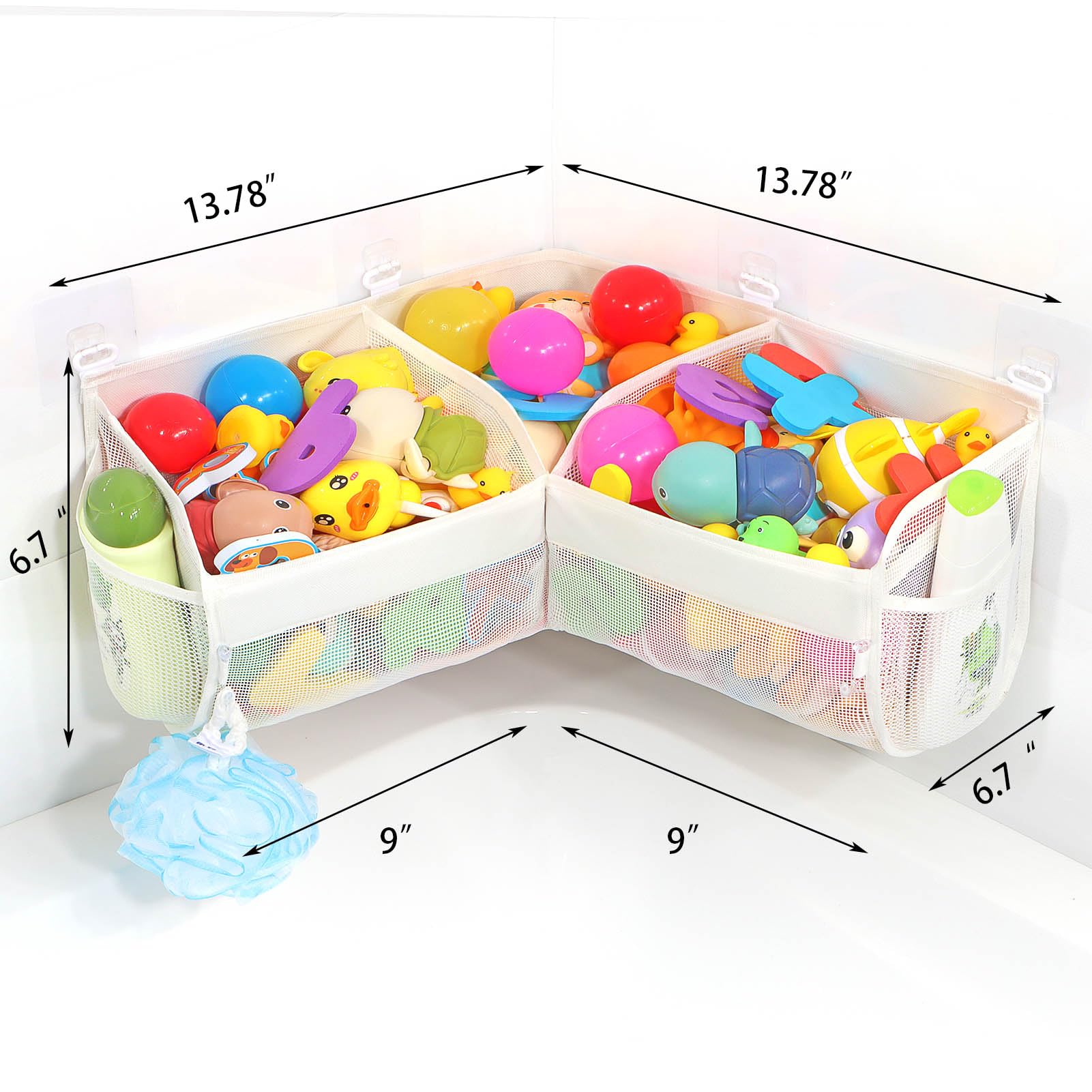
Keeping baby toys organized can feel like a never-ending challenge, but with the right storage solutions, it becomes manageable and even fun. Imagine a playroom where everything has its place, and finding that favorite toy is a breeze. Implementing effective storage not only keeps your home tidy but also teaches your little ones the importance of organization from a young age. Let's dive into some practical storage solutions that can transform your space.
Using Bins And Baskets
Bins and baskets are lifesavers when it comes to toy organization. They are not only versatile but also add a decorative touch to your space. You can choose from a variety of materials like wicker, plastic, or fabric to match your decor. Label each bin or basket with pictures or words to help your child know what goes where. This small step encourages them to clean up after playtime. Stackable bins are an excellent choice for maximizing vertical space, especially in smaller rooms.
Shelving Options
Shelves can be a game-changer for organizing toys. Wall-mounted shelves or standalone units provide ample storage without taking up much floor space. Consider adjustable shelves to accommodate toys of different sizes. You might choose to display some favorite toys at a child's eye level, making them easily accessible and doubling as decor. For safety, ensure that shelves are securely anchored to the wall, especially in a child’s room.
Under-bed Storage
Under-bed storage is an often-overlooked space that can be perfect for toys. Low-profile bins or drawers that easily slide under the bed are ideal for keeping toys out of sight but still within reach. This solution is particularly useful for seasonal toys or items that are not used daily. Imagine the relief of having a clutter-free floor while knowing exactly where to find that special toy when needed. Have you ever stepped on a stray toy in the middle of the night? It's a painful reminder of the importance of proper storage. Embrace these solutions, and you might just find that keeping toys organized is not as daunting as it once seemed. What storage solution will you try first?
Labeling Techniques
Organize baby toys effortlessly using labeling techniques. Attach simple labels to bins and shelves for easy identification. This helps keep toys tidy and accessible for little hands.
Keeping baby toys organized can be a challenge, but labeling techniques can simplify the task. Labeling not only helps you find toys quickly but also encourages your child to participate in tidying up. By using clear labeling methods, you create a system that’s easy to follow and maintain. Let’s dive into some effective labeling techniques to keep your baby’s toys neat and accessible.
Simple Labeling Tools
Start with basic labeling tools. Sticky labels, masking tape, and permanent markers can do wonders. Write clear names on sticky labels and stick them on toy bins. Consider using pictures for younger children. A picture of blocks on the block bin helps toddlers identify where things go. Experiment with different materials to see what sticks best to your storage containers. Sometimes, a simple adjustment can make all the difference.
Color-coding Systems
Color-coding can be a game-changer. Assign specific colors to different toy categories. For example, use red for cars, blue for puzzles, and green for stuffed animals. Create a reference chart that matches colors to toys. This helps even non-readers understand where each toy belongs. Incorporate colored bins or baskets for added visual clarity. Your child might even enjoy sorting toys by color, turning clean-up time into a fun game. Have you tried mixing these techniques for better results? Sometimes a combination of visual cues and colors makes the system more effective. Engage your child in this process and see how they respond. By implementing these labeling techniques, you not only organize your space but also teach your child valuable skills in responsibility and order. Isn't it rewarding to transform chaos into harmony with just a few simple steps?
Rotation Systems
Organizing baby toys can be simple with rotation systems. Store most toys away and only keep a few out. Rotate toys regularly to maintain interest and reduce clutter, keeping playtime fresh and enjoyable.
Organizing baby toys can often feel overwhelming, but rotation systems offer a practical solution to keep things tidy and exciting for your little one. By strategically rotating toys, you can maintain a clutter-free environment and simultaneously stimulate your child's development with fresh play options. Let's dive into how you can implement effective rotation systems to manage your baby's toy collection better.
Weekly Toy Rotation
A weekly toy rotation is like a mini-adventure for your child. Start by selecting a handful of toys to keep accessible for playtime throughout the week. These can be toys your child hasn't played with for a while or new favorites that spark curiosity. Every week, swap out these toys for a new set. This keeps the toy selection fresh and prevents boredom. It also makes clean-up easier, as fewer toys are out at any given time. Consider using storage bins or baskets to hold the toys for each week. Label them with the week's starting date for a simple organization hack. This way, you can quickly grab the right basket at the start of each week.
Seasonal Toy Rotation
Seasonal toy rotation aligns with the changing seasons, offering a refreshing twist to your child's playtime. Think of it as a way to align toys with the seasonal mood or themes. For spring, bring out toys that encourage outdoor exploration or ones with bright, cheerful colors. Summer could focus on water toys or those that promote active play. As fall approaches, incorporate toys that encourage imaginative play indoors, like building blocks or storybooks. Winter might highlight cozy toys and those that promote quiet activities, like puzzles. Reflect on your child's interests as the seasons change. Are they drawn to the outdoors in summer? Or do they enjoy indoor crafts during the cold months? Adjust the toy selection accordingly to keep them engaged. Both weekly and seasonal rotations not only help manage clutter but also enrich your child's play experience. Which rotation system would work best for your family?

Credit: www.amazon.com
Involving Kids
Keeping baby toys organized can be simple. Use labeled bins and shelves to sort toys by type. Teach kids to clean up by making it a fun game. This habit helps maintain order and creates a tidy play area.
Involving kids in organizing their toys can be a fun experience. It teaches them valuable skills and can make cleanup time enjoyable. Encouraging children to participate helps keep their play area tidy. Plus, it nurtures a sense of responsibility and ownership over their belongings.
Making Cleanup Fun
Turn cleanup into a game. Use a timer to create a race against the clock. Challenge your child to pick up toys before the buzzer sounds. This makes tidying up exciting and engaging. Incorporate music to add energy. Play their favorite song while they clean. Reward them with praise or a small treat for their effort. This positive reinforcement encourages them to keep organizing.
Teaching Responsibility
Show kids the importance of caring for their toys. Explain that toys last longer when kept in order. Assign specific spots for each toy. Use bins or baskets labeled with pictures. This helps them know where everything belongs. Encourage them to tidy up after playtime. Make it a regular part of their routine. By doing so, they learn to take care of their possessions. This builds a lifelong skill of responsibility.
Maintaining Order
Maintaining order in a child's play area can be challenging. Toys seem to multiply overnight. A structured approach is key to keeping things tidy. With a few simple steps, you can transform chaos into calm. Discover practical tips to keep baby toys organized effortlessly.
Regular Decluttering
Decluttering is essential for maintaining order. Choose one day each month for toy review. Separate toys into categories: keep, donate, or discard. Ask yourself, "Does my child still play with this?" Remove broken or forgotten toys. This creates space and makes playtime more enjoyable.
Consider donating toys your child no longer uses. Many charities welcome gently used toys. This helps teach your child about giving to others. Keeping fewer toys reduces clutter and simplifies organization.
Setting A Routine
Establish a routine for tidying up toys. Make it a daily habit. Set a specific time each day for cleanup. Involve your child in the process. Teach them to put toys back in their designated spots.
Use labels and bins to make organizing easier. Assign each toy a home. This helps your child know where each item belongs. Consistency is key. A regular routine encourages responsibility and keeps play areas neat.
Safety Considerations
Keeping baby toys organized ensures a clutter-free and safe play area. Store toys in bins with lids to avoid tripping. Regularly check for broken or small parts to prevent choking hazards.
Keeping baby toys organized isn’t just about tidiness; it’s a crucial aspect of ensuring your child’s safety. As you organize, there are safety considerations that should be top priority. Toys can pose unexpected risks, and by being mindful of these dangers, you can create a safer play environment.
Avoiding Choking Hazards
Small parts are a big concern. Toys with detachable pieces can easily become choking hazards. It's essential to regularly inspect toys to ensure all parts are securely attached. Be mindful of the size of toys. If a toy can fit through a toilet paper roll, it’s too small for babies and toddlers. Consider using a toy chest with compartments to separate smaller toys from larger ones. This not only aids in organization but also prevents small items from getting lost or mixed up with bigger toys.
Securing Heavy Items
Heavy toys can be dangerous if they fall. Ensure that shelving units or toy boxes are stable and placed securely against the wall. You wouldn't want a heavy item toppling over during playtime. Use wall anchors to secure furniture that holds toys. This simple step can prevent accidents and give you peace of mind. Think about the placement of heavy toys. Place them on lower shelves where your child can safely access them without the risk of pulling them down from a height. Safety doesn’t stop at organizing; it’s a continuous process. How do you ensure your child’s toys remain safe and organized? Taking these proactive steps can make a world of difference in creating a secure play space.

Credit: www.pinterest.com
Frequently Asked Questions
How Do I Store Baby Toys Efficiently?
Efficient storage can be achieved using bins, baskets, and shelves. Label containers for specific toy types. Rotate toys to keep your baby interested. Ensure storage is accessible to encourage independent play. Organize by size, type, or frequency of use. This method saves space and maintains order.
What Are The Best Storage Solutions For Small Spaces?
Utilize vertical space with wall-mounted shelves or hanging organizers. Under-bed storage bins are also effective. Multi-functional furniture like storage ottomans can help. Clear containers allow easy visibility and access. Compact, stackable bins maximize limited space. This approach keeps toys organized without cluttering small areas.
How Can I Involve My Child In Organizing Toys?
Make organizing a fun and educational activity. Use colorful bins and labels with pictures for easy recognition. Encourage sorting by color or type. Set a cleanup routine with a timer to make it a game. Involving your child teaches responsibility and organizational skills.
How Often Should I Declutter Baby Toys?
Decluttering every few months helps maintain organization. Donate or store toys your child no longer uses. Regularly assess toys for damage or disinterest. Seasonal cleaning can refresh the play area. Decluttering ensures only relevant and engaging toys are accessible, promoting a tidy environment.
Conclusion
Organizing baby toys need not be stressful. Simple steps make a difference. Use bins for easy storage. Label them for quick identification. Shelves help keep toys off the floor. Rotate toys to maintain interest. Donate or store unused toys. Teach kids to clean up after play.
Keep the play area tidy with regular checks. Organized toys mean less clutter, more playtime. A neat space benefits everyone. Enjoy a cleaner, safer environment for your child. Happy organizing!