

Keeping your toddler's toys clean is crucial for their health and safety. As a parent, you want to ensure that every toy they touch is free from germs and dirt.
But, have you ever wondered if you're cleaning them the right way? You might be unknowingly leaving behind harmful bacteria or using chemicals that aren't safe for your child. Imagine the peace of mind you'll feel knowing your little one's toys are truly clean and safe.
This guide will show you exactly how to clean toddler toys quickly and effectively. You'll discover simple, practical steps that you can easily incorporate into your routine, helping you protect your child from hidden dangers. Keep reading to find out how to turn cleaning into a stress-free and rewarding experience.
Importance Of Clean Toys
Keeping toddler toys clean is essential for their health. Regular cleaning prevents germs and bacteria from spreading. Use mild soap and water for most toys, and always dry them thoroughly.
Cleaning toddler toys might seem like just another task on your never-ending to-do list, but it's more than just a chore. It's about safeguarding your child's health. Toys are a breeding ground for germs, especially when shared with other kids. Dust and dirt can accumulate, potentially causing allergies or illnesses. By keeping toys clean, you’re not only ensuring a healthy play environment but also teaching your little one the importance of hygiene.
Why Germ-free Toys Matter
Imagine your toddler happily playing with a toy car, then putting it straight into their mouth. It's a common scenario, isn't it? Toys often end up in mouths, which means germs can easily transfer from toys to your child. Regular cleaning minimizes this risk and keeps your child safe from potential infections.
Protecting Your Child's Health
A clean toy is a safe toy. Toys can harbor bacteria and viruses that lead to common illnesses like the flu. By cleaning toys, you reduce the likelihood of your child catching something unpleasant. Plus, it’s a great way to ease your mind knowing their playtime is safe.
Encouraging Healthy Habits Early
Cleaning toys is more than just wiping them down; it's a teaching moment. When your toddler sees you cleaning, they learn the importance of taking care of their belongings. It sets a foundation for lifelong habits in personal hygiene and cleanliness.
Ensuring Longevity Of Toys
Regular cleaning extends the life of toys. Dust and dirt can cause wear and tear. By maintaining their cleanliness, you're ensuring they last longer, which saves you money in the long run. It’s a win-win situation!
Creating A Routine
Do you have a cleaning schedule for your toddler’s toys? If not, consider creating one. A routine makes the task less daunting and ensures consistency. You can involve your child in the process, turning cleaning into a fun activity. So, the next time you're about to skip cleaning toys, think of the benefits. Your efforts contribute to a healthier, happier playtime for your toddler. What cleaning challenges do you face, and how do you overcome them? Share your thoughts!

Credit: www.whattoexpect.com
Choosing Safe Cleaning Products
Cleaning toddler toys is essential to keep them safe and hygienic. Choosing the right cleaning products ensures their safety and health. Not all cleaning products are suitable for little ones. Some may contain harsh chemicals. It's important to select products that are both effective and safe.
Choosing Natural Ingredients
Look for cleaning products with natural ingredients. These are safer for toddlers. Plant-based cleaners are a great choice. They clean effectively without harmful chemicals. Check labels for ingredients like vinegar and baking soda. These are safe and eco-friendly options.
Avoiding Harsh Chemicals
Avoid products with strong chemicals. They might irritate your child's skin. Steer clear of bleach, ammonia, or fragrances. These can cause allergic reactions. Opt for mild cleaning agents. They are gentle and safe for toddlers.
Reading Product Labels
Always read product labels carefully. Look for terms like "non-toxic" and "biodegradable." These indicate safer products for children. Verify if the product is child-friendly. Labels can guide you to make informed decisions.
Testing New Products
Test new cleaning products on a small area first. Ensure no adverse reactions occur. Observe any changes in color or texture. This step ensures the product is safe for use. It protects your child's toys from damage.
Considering Diy Cleaning Solutions
Consider making your own cleaning solutions. Use household ingredients like vinegar or lemon. They are safe and effective. DIY solutions reduce exposure to unknown chemicals. They are cost-effective and easy to prepare.
Cleaning Plastic Toys
Keeping toddler toys clean is important. Germs and dirt can collect quickly on them. Plastic toys are easy to clean. They resist water damage. Two effective ways to clean them include using dish soap and vinegar solution. These methods are simple. They ensure your child's playthings are safe and hygienic.
Dish Soap Method
Dish soap works well for cleaning plastic toys. Fill a basin with warm water. Add a few drops of dish soap. Stir until it bubbles. Submerge the toys in the soapy water. Scrub with a soft brush or cloth. Focus on crevices and seams. Rinse the toys with clean water. Ensure no soap remains. Dry them with a towel or air dry.
Vinegar Solution
Vinegar is a natural disinfectant. It cleans and kills germs on toys. Mix one part vinegar with one part water in a spray bottle. Spray the solution on the toys. Wipe them with a clean cloth. For larger toys, dip a cloth in the solution. Wipe all surfaces thoroughly. Allow the toys to air dry. The vinegar smell fades as the toys dry.
Cleaning Plush Toys
Cleaning toddler plush toys involves using mild soap and warm water. Gently scrub the toy's surface with a soft cloth. Let it air dry completely before returning it to your child.
Cleaning plush toys can often feel like a daunting task, especially with toddlers who love to cuddle their fluffy companions all day. These soft toys can quickly become magnets for dirt, germs, and stains. Keeping them clean is essential for your child’s health and well-being. But how do you ensure these toys are both clean and safe without compromising their huggable nature? Let’s dive into some effective methods to clean plush toys.
Machine Washing Tips
If the toy is machine washable, this is often the easiest route. First, check the care label for washing instructions. If it’s safe, place the toy in a pillowcase or a mesh laundry bag to protect it during the wash. Use a gentle detergent and choose a delicate cycle with cold water. This helps maintain the toy’s shape and softness. Avoid using bleach or harsh chemicals as they can damage the fabric and pose a risk to your child. After washing, let the toy air dry instead of using a dryer. High heat can cause synthetic fibers to melt or shrink. Place the toy on a towel in a well-ventilated area, rotating it periodically to ensure even drying.
Spot Cleaning Techniques
For toys that can’t be machine washed, spot cleaning is your best bet. Use a mild soap and a damp cloth to gently scrub away stains and dirt. Be careful not to soak the toy, as excessive moisture can lead to mold growth. If you’re dealing with stubborn stains, consider using a mixture of baking soda and water. Apply it to the stained area, let it sit for a few minutes, and then wipe it off with a damp cloth. This method is not only effective but also safe for your child. Regular spot cleaning can help maintain the appearance and hygiene of the toy. Make it a habit to inspect your child’s plush toys and clean them as needed. This way, you can ensure your child’s favorite cuddly companion remains clean and safe. Have you ever thought about how often you should clean these toys? Regular cleaning not only keeps germs at bay but also prolongs the life of the toy. Remember, a clean toy is a happy toy, and a happy toy makes for a happy toddler!
Cleaning Wooden Toys
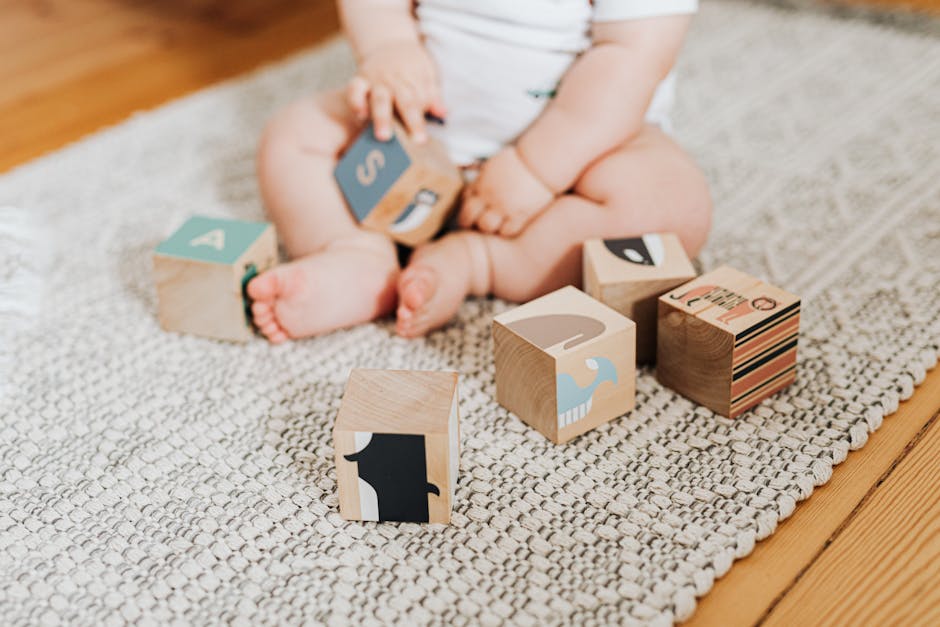
Wooden toys for toddlers need gentle cleaning to stay safe and durable. Use a damp cloth with mild soap to wipe them down. Avoid soaking to prevent damage.
Cleaning wooden toys can be quite a task. These toys are beautiful and durable. Yet, they need special care. Proper cleaning keeps them safe for your toddler. It also extends their lifespan. Let's explore how to clean wooden toys effectively.
Natural Cleaners
Natural cleaners are gentle on wood. Use vinegar mixed with water. This solution is effective and safe. It kills germs and removes dirt. Another option is a mild soap solution. Ensure it's free from harsh chemicals. Essential oils like tea tree or lemon can be added. They offer antibacterial properties and a pleasant scent. Always test cleaners on a small area first.
Avoiding Water Damage
Water can harm wooden toys. Excess moisture leads to warping or cracking. Use a damp cloth instead of soaking. Wipe the toys gently. Dry them immediately with a soft towel. Avoid direct sunlight or heat sources. These can cause further damage. Proper drying keeps the toys in good condition.
Cleaning Electronic Toys
Electronic toys can be a source of endless joy for toddlers, but keeping them clean requires special care and attention. These toys often come with buttons, screens, and battery compartments that demand a different cleaning approach compared to regular toys. Let's dive into the essentials of cleaning electronic toys, ensuring they are safe and spotless for your little one's playtime.
Battery Safety
Before you start cleaning, always check the battery compartment. You don't want any cleaning solution seeping inside and damaging the electronics. Remove batteries if possible. This not only protects the toy but also prevents any accidental short circuits.
Inspect battery compartments regularly for leaks or corrosion. If you notice any, clean with a cotton swab dipped in vinegar. This will neutralize the corrosive effect. It's a simple yet effective step that can save your child's favorite toy from being tossed away.
Have you ever wondered how often you check the battery compartments? It might be time to make it a regular habit. Creating a routine can prevent potential hazards and increase the lifespan of the toy.
Surface Wiping
Once the batteries are safe, focus on the toy's surface. Use a damp microfiber cloth for wiping down the exterior. Microfiber is gentle yet effective, removing dirt without scratching screens or buttons.
For stubborn spots, a mixture of mild soap and water can work wonders. But ensure your cloth is not dripping wet. A slightly moist cloth is your best ally to avoid moisture seeping into sensitive areas.
Pay attention to crevices and corners where grime can build up. A cotton swab can be a handy tool for reaching those tight spots. You might be surprised at how much dirt hides in places you usually overlook.
Cleaning electronic toys is not just about hygiene; it's about extending their lifespan and ensuring safety. Wouldn't you agree that a little extra effort can bring peace of mind?
Drying And Storage
Drying and storing toddler toys correctly is essential. Wet toys can harbor mold and bacteria. Proper drying ensures your child's toys remain safe and hygienic. It also extends their lifespan. Let's explore effective methods for drying and storing toys.
Proper Air Drying
Air drying is an effective method. It prevents moisture from lingering. Choose a well-ventilated area for drying. Spread toys out on a clean towel. This helps air circulate around each toy. Avoid direct sunlight as it can damage some materials. Make sure toys are completely dry before storing.
Preventing Mold
Mold can develop if toys are stored damp. Ensure they are thoroughly dry. Inspect toys for hidden moisture. Pay attention to crevices and joints. These areas can trap water. Use a fan to enhance drying if necessary. Regularly check stored toys for mold. Early detection prevents spreading.
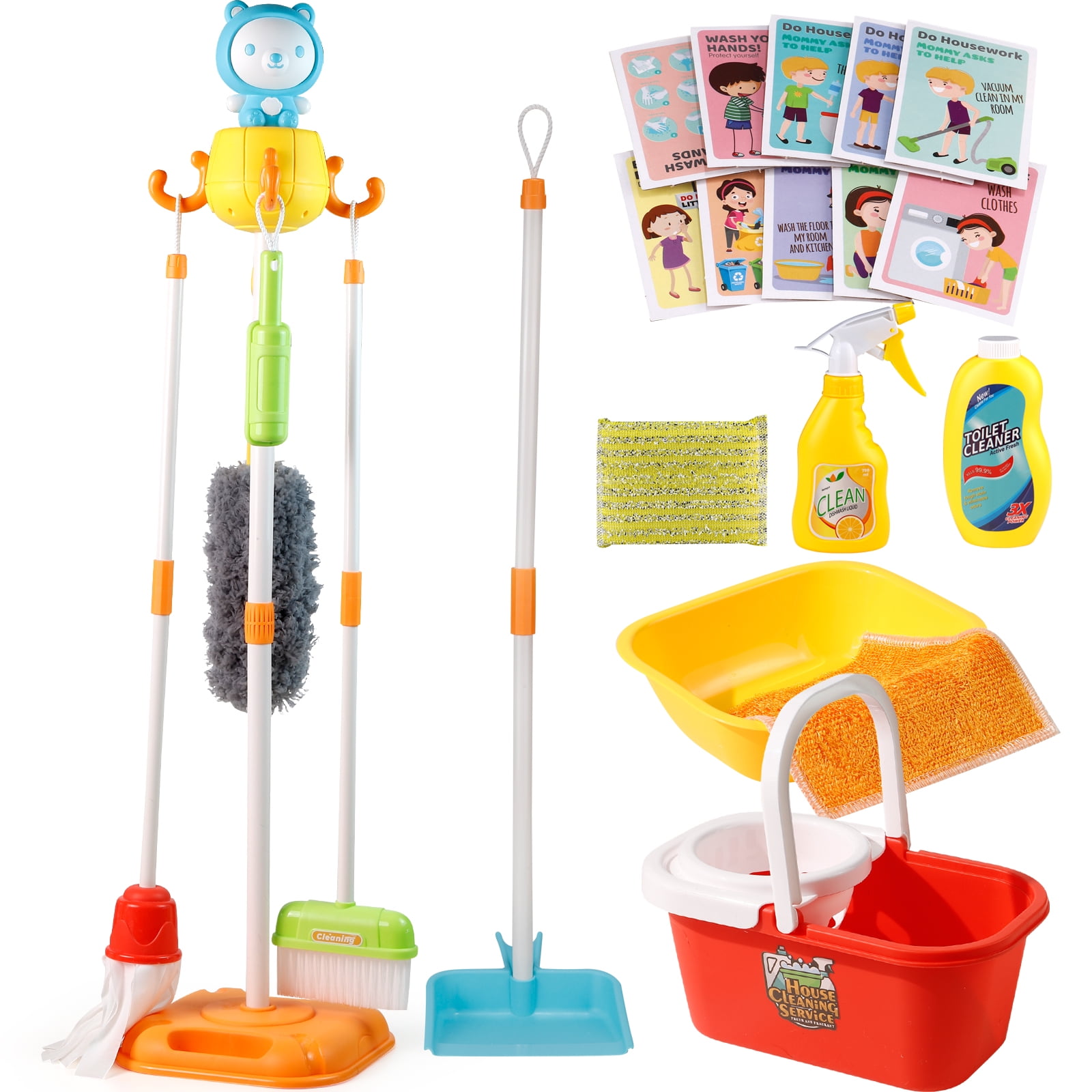
Credit: www.walmart.com
Regular Cleaning Schedule
Keeping toddler toys clean is vital for their health. A regular cleaning schedule ensures toys remain safe and hygienic. It also helps prevent the spread of germs and bacteria. Many parents find a structured routine helpful. It makes cleaning manageable and less stressful. Here’s a guide to a regular cleaning schedule that’s easy to follow.
Weekly Routine
Each week, gather toys that your toddler uses daily. Focus on toys that are shared or have many parts. Wipe toys with a damp cloth or disinfecting wipes. Use mild soap and water for plastic toys. Let them air dry completely. For soft toys, check if they are machine washable. If yes, wash them on a gentle cycle. This keeps toys fresh and safe for little hands.
Monthly Deep Clean
Once a month, do a thorough cleaning of all toys. Check each toy for damage or wear. Repair or discard broken items. For a deep clean, soak plastic toys in warm water mixed with vinegar. Scrub gently to remove grime. Rinse with clean water and dry thoroughly. For stuffed toys, use a fabric spray sanitizer. Let them air out in the sun. This kills lingering germs.

Credit: www.vtechtoysblog.com
Frequently Asked Questions
How Often Should You Clean Toddler Toys?
Cleaning toddler toys should be done every week. High-touch toys may need more frequent cleaning. Regular cleaning prevents germs and bacteria buildup. Always follow toy manufacturer instructions for cleaning. Consider using non-toxic, child-safe cleaning products.
What Is The Best Method To Clean Plastic Toys?
Use warm soapy water for cleaning plastic toys. Scrub gently with a soft cloth or brush. Rinse thoroughly to remove soap residue. Dry the toys completely before use. Avoid harsh chemicals that can damage the plastic material.
Can I Use Vinegar To Clean Toddler Toys?
Yes, vinegar is a safe cleaning option. Mix equal parts of water and vinegar. Wipe the toys with this solution and a soft cloth. Vinegar effectively kills germs without harmful chemicals. Ensure the toys are rinsed and dried properly.
Are Disinfecting Wipes Safe For All Toys?
Disinfecting wipes are generally safe for hard, non-porous toys. Check the manufacturer's instructions before use. Avoid using wipes on fabric or plush toys. Rinse toys after using wipes to ensure no residue remains. Ensure toys are dry before returning them to your child.
Conclusion
Keeping toddler toys clean ensures a healthy play environment. Regular cleaning prevents germs. Use safe, gentle cleaning solutions. Remember to check toy labels for cleaning instructions. Some toys need special care. Always rinse well to remove any soap. Dry toys thoroughly to avoid mold.
Teaching kids about cleanliness is important too. Involve them in the cleaning process. This makes learning fun and effective. Clean toys mean happy, healthy toddlers. Enjoy watching them play with peace of mind. Follow these tips for safer playtime every day.
Your toddler's health and happiness matter most. Keep their toys clean and ready for fun.