

Imagine your baby's favorite plush toy—a cuddly companion through naps, playtime, and adventures. Over time, these beloved toys can collect dust, germs, and stains that might affect your little one's health.
You want to ensure these soft treasures are clean and safe, but where do you start? Cleaning soft baby toys might seem daunting, but with the right guidance, it can be a simple and rewarding task. You'll discover easy, effective methods to keep your child's toys fresh and germ-free, ensuring peace of mind for you and endless fun for your little one.
So, let's dive into the world of soft toy care and make sure your baby's favorite snuggle buddy stays as clean and cuddly as ever!
Credit: www.homemadesimple.com
Choosing Safe Cleaning Methods
Cleaning soft baby toys safely involves gentle methods. Use mild soap and warm water to wash. Air drying is best. Always check labels for specific care instructions. Avoid harsh chemicals to protect your baby’s health. Regular cleaning keeps toys safe and hygienic.
Choosing safe cleaning methods for soft baby toys is crucial for maintaining the health and safety of your little one. Baby toys often end up in their mouths, and ensuring these toys are free from harmful substances is essential. Let's dive into some practical and safe ways you can clean those cuddly companions without compromising their safety.
Avoiding Harsh Chemicals
When you're cleaning soft toys, steer clear of harsh chemicals. Many cleaning products contain ingredients that can be harmful to babies. Instead, opt for natural solutions like a mixture of water and mild soap. Consider using a gentle laundry detergent. You can hand wash or use a delicate cycle in your washing machine. Vinegar is another safe option. It’s known for its disinfecting properties and is safe for babies. Have you ever wondered how a toy could retain a chemical smell long after it's cleaned? This is often due to harsh cleaners. Choosing safe, natural methods ensures toys smell fresh and are safe for your baby to cuddle and chew on.
Testing For Colorfastness
Before you start cleaning, check if the toy is colorfast. Some toys might bleed colors when washed, which can ruin their appearance and make them unsafe. To test, dampen a small hidden area with water and dab it with a white cloth. If the color transfers, avoid soaking the toy completely. Consider spot cleaning for toys that aren't colorfast. This keeps them looking bright without risking color loss. It’s a simple way to ensure toys remain vibrant and beautiful. Have you ever had a favorite toy that lost its charm after washing? Testing for colorfastness can prevent this disappointment and keep your baby’s toys looking new. Cleaning your baby’s soft toys doesn’t have to be a daunting task. By choosing safe cleaning methods, you ensure your child’s toys are not only clean but also safe and inviting. Remember, a clean toy is a happy toy, ready for endless cuddles and adventures!
Credit: www.reddit.com
Preparing Toys For Cleaning
Soft baby toys need gentle care to stay clean and safe. Use mild soap and warm water. Gently scrub, then air dry completely.
Cleaning soft baby toys might seem straightforward, but a little preparation goes a long way in ensuring they're safe and fresh for your little one. Before you dive into cleaning, take a moment to prepare the toys properly. This saves you time and prevents any unintended damage, making the process smoother and more effective.
Checking Care Labels
Start by examining the care labels on each toy. These labels often contain crucial washing instructions. Some toys might be machine washable, while others might require hand washing. Pay close attention to symbols or words indicating water temperature or drying methods. Understanding these guidelines can prevent mishaps like shrinkage or fading. Think of it as learning the toy's language for better care.
Removing Batteries Or Accessories
Before cleaning, ensure that all batteries and accessories are removed from the toys. This is especially important for toys with electronic components. Imagine the disappointment of finding out that a favorite toy no longer sings or lights up because water damaged it. By removing batteries, you protect the toy's functionality and prevent potential hazards. Accessories like bows or detachable parts should also be taken off and cleaned separately. Preparing your baby's toys for cleaning is a simple but crucial step. It ensures the toys are cleaned properly without any damage. Have you ever accidentally washed a toy with batteries still inside? Share your experiences in the comments!
Handwashing Techniques
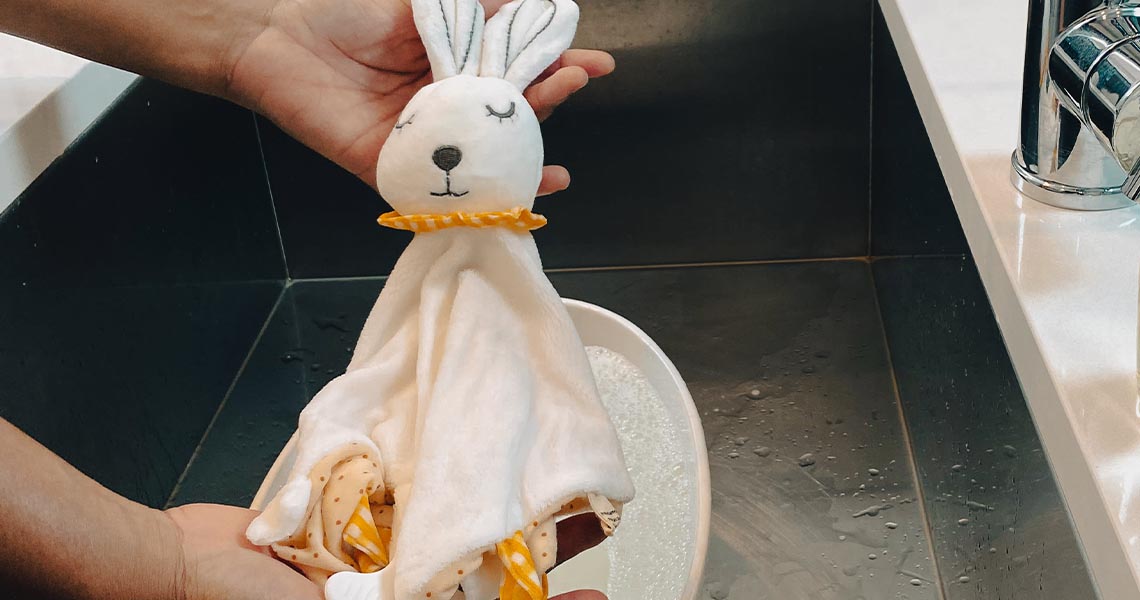
Gently clean soft baby toys by using mild soap and warm water. Scrub lightly with a soft brush, then rinse well. Let toys air dry completely to prevent mold.
Handwashing soft baby toys ensures they stay clean and germ-free. It's crucial for your baby's health. Handwashing is gentle, preserving the toy's softness and color. This method is ideal for delicate toys. Handwashing involves choosing the right detergent and using proper techniques.
Selecting Gentle Detergents
Choose a mild detergent for baby's sensitive skin. Look for detergents labeled "baby-safe" or "hypoallergenic." Avoid harsh chemicals or strong fragrances. These can irritate your baby's skin. Opt for liquid detergents that dissolve easily in water. Powdered detergents may leave residues. Always test the detergent on a small area first. This ensures no adverse reactions occur.
Proper Washing Techniques
Fill a basin with lukewarm water. Add a small amount of detergent. Stir until it dissolves completely. Submerge the toy gently in the water. Use your hands to agitate it softly. Focus on areas with visible dirt or stains. Avoid scrubbing too hard. This can damage delicate fabrics. Rinse the toy under cool running water. Ensure all detergent is washed out. Squeeze out excess water gently. Avoid twisting or wringing. This can distort the toy's shape. Lay the toy flat on a towel to dry. Pat it with another towel to remove moisture. Let it air dry completely before use.

Credit: www.reddit.com
Machine Washing Tips
Gently clean soft baby toys by using a delicate machine wash. Place toys in a pillowcase or mesh bag. Use mild detergent and cold water to protect their softness and colors.
Keeping your baby's soft toys clean is essential for their health and safety. Machine washing can be a convenient and effective way to ensure these toys remain fresh and germ-free. However, it's important to wash them correctly to avoid damage. Here are some tips to help you wash soft baby toys in a washing machine safely and efficiently.
Using Laundry Bags
Placing soft toys in a laundry bag can prevent them from getting caught or tangled with other items. A mesh laundry bag allows water and detergent to circulate freely while protecting delicate fabrics and stitched parts. You can easily find these bags in different sizes, making them perfect for everything from small plushies to larger stuffed animals. Remember, using a laundry bag is a simple step that can extend the life of your child's favorite toy.
Choosing The Right Cycle
Selecting the right wash cycle is crucial to prevent any mishaps. Opt for a gentle or delicate cycle, which uses less agitation and reduces the risk of damage to the toys. Additionally, use cold water to avoid colors from bleeding or materials shrinking. Always double-check the toy’s label for specific instructions or warnings about washing. Have you ever noticed a toy come out looking worse than before? It might be due to ignoring these simple yet effective tips. Taking a few extra seconds to adjust the settings can save you from an unexpected outcome. Taking care of your baby's toys is a small but significant way to show love and care. By washing them properly, you ensure your baby enjoys their favorite companions safely for a long time.
Drying And Storing Soft Toys
Drying soft baby toys is crucial after cleaning. Use a gentle spin cycle and air dry them thoroughly. Once dry, store them in a clean, dry place to prevent mold and maintain hygiene.
Drying and storing soft baby toys requires careful attention. Proper drying methods prevent damage and extend the toys' lifespan. Safe storage keeps them clean and ready for playtime. Let's explore the best ways to dry and store these beloved items.
Air Drying Vs. Machine Drying
Air drying is gentle on soft toys. It preserves their texture and shape. Place toys on a clean towel in a sunny spot. Ensure they are spread out for even drying. Machine drying is faster but requires caution. Use a low heat setting. Place toys in a pillowcase to protect them. Check frequently to avoid overheating or damage.
Preventing Mildew And Odors
Proper drying prevents mildew and odors. Ensure toys are completely dry before storing. Dampness can lead to mold growth. Use baking soda to eliminate odors. Sprinkle a small amount on toys. Let it sit, then brush off gently. Store toys in a dry, cool place. Use breathable storage containers to maintain freshness. These steps help maintain the cleanliness and safety of your child's toys.
Spot Cleaning For Delicate Toys
Gently spot clean soft baby toys with mild soap and water. Use a soft cloth to wipe away dirt. Ensure toys are fully dry before use to maintain safety and hygiene.
Spot cleaning is crucial for maintaining delicate baby toys. These toys often have soft fabrics or intricate designs that need gentle care. Proper spot cleaning keeps them looking fresh and safe for your child. Let's explore some simple steps to clean these toys effectively.
Using Mild Solutions
Choose a mild detergent or baby shampoo for cleaning. Mix a small amount with warm water. This solution is gentle yet effective on delicate fabrics. Avoid harsh chemicals that might damage the toy. Always test the solution on a small area first.
Blotting And Rinsing
Dampen a clean cloth with the mild solution. Gently blot the stained area. Avoid rubbing, which might harm the fabric. After blotting, rinse the cloth with clean water. Use it to blot the area again, removing soap residue. Let the toy air dry completely. This prevents mold and maintains its shape.
Dealing With Stubborn Stains
Soft baby toys need gentle care to remove stubborn stains. Use mild soap and warm water for best results. Avoid harsh chemicals to keep toys safe for little hands and mouths.
Cleaning soft baby toys can be a daunting task, especially when faced with stubborn stains that refuse to budge. You might find yourself wondering if those pesky marks will ever disappear. Fear not, because with a few practical tips and tricks, you can tackle even the most persistent stains and restore your child's favorite toy to its former glory.
Targeting Specific Stains
Every stain has its unique characteristics. Whether it's a splash of juice or a smudge of crayon, identifying the type of stain is crucial. Focus on the stain's nature before choosing a cleaning method. For juice stains, blot the area with cold water immediately. For crayon marks, try freezing the toy first, which helps in scraping off the wax. If your child loves painting, you may often encounter stubborn paint stains. Use a mild detergent mixed with water and gently dab the area. It's amazing how a little extra attention can save a toy from permanent damage.
Using Natural Cleaners
Natural cleaners are a safe option for cleaning baby toys. They're gentle, effective, and eco-friendly. Vinegar is a fantastic natural cleaner. Mix equal parts of vinegar and water, then gently rub the stain with a soft cloth. This solution works wonders on most organic stains. Baking soda is another versatile cleaner. Sprinkle a small amount on a damp cloth and gently scrub the stain. It’s surprising how this simple ingredient can eliminate stubborn marks without harsh chemicals. Consider lemon juice for lighter stains. Its natural acidity can help lift stains while leaving a fresh scent. Who knew your kitchen could hold the key to spotless toys? Have you tried these methods before? What stubborn stain challenges have you faced, and how did you overcome them? Share your experiences and let's make cleaning soft baby toys a breeze.
Sanitizing For Germ-free Toys
Sanitizing soft baby toys is essential for keeping them germ-free. Babies often put toys in their mouths. This makes toys a breeding ground for germs. Clean toys regularly to ensure a healthy environment. A proper sanitizing routine can keep your baby safe. Below, we explore safe products and schedules.
Safe Sanitizing Products
Choose non-toxic products for sanitizing baby toys. Vinegar is a natural disinfectant. Mix equal parts of vinegar and water. Spray the solution on the toys. Wipe them with a clean cloth. Avoid bleach as it is harsh and can harm your baby.
Another safe option is baby-safe wipes. Use these to clean toys quickly. Check labels to ensure they are non-toxic. These wipes are gentle and effective. They are easy to use and convenient for busy parents.
Regular Sanitizing Schedule
Create a regular cleaning schedule for baby toys. Clean toys once a week. Increase frequency during cold and flu seasons. Daily cleaning is necessary if your baby is sick. This reduces the risk of spreading germs.
Keep a calendar to track cleaning days. This helps maintain consistency. Regular sanitizing keeps toys fresh. It also protects your baby from germs and bacteria.
Frequently Asked Questions
How Often Should I Clean Soft Baby Toys?
Soft baby toys should be cleaned regularly to ensure hygiene. Aim for cleaning them at least once a week. This frequency helps prevent the accumulation of germs, especially if your baby frequently plays with them. Always follow the manufacturer's instructions for the best cleaning practices.
Can I Machine Wash Soft Baby Toys?
Yes, many soft baby toys can be machine washed. Before washing, check the care label for specific instructions. Use a gentle cycle with mild detergent to protect the toys' fabric. After washing, ensure they are thoroughly dried to prevent mold or mildew.
What Is The Safest Cleaning Method For Plush Toys?
The safest method is hand washing with mild soap and warm water. Gently scrub the toy's surface, focusing on dirty areas. Rinse thoroughly to remove soap residue. Let the toy air dry completely, keeping it away from direct sunlight to maintain its color and texture.
Is It Necessary To Disinfect Baby Toys?
Yes, disinfecting baby toys is important for hygiene. Use a child-safe disinfectant spray or wipes regularly. Pay attention to areas where dirt accumulates, like seams and folds. This practice helps keep your baby safe from harmful germs and ensures a cleaner play environment.
Conclusion
Cleaning soft baby toys is simple and essential. Regular cleaning keeps toys safe and fresh. Use gentle soap and warm water. Rinse thoroughly and dry well. This helps prevent germs and dirt buildup. Always check labels for specific care instructions.
Spot clean stubborn stains when needed. A clean toy means a happy, healthy baby. With these easy steps, you ensure your little one's playtime is safe. Keep toys in good condition and enjoy peace of mind. Happy cleaning!