
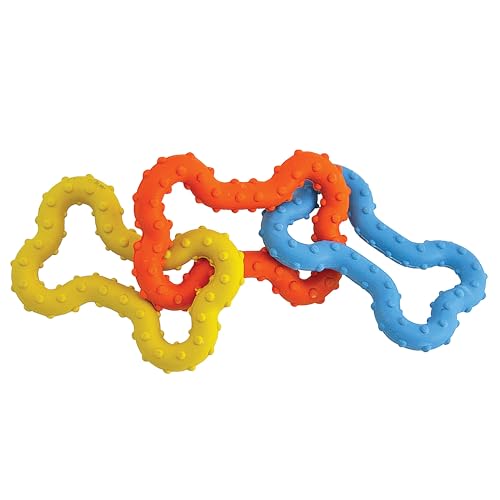


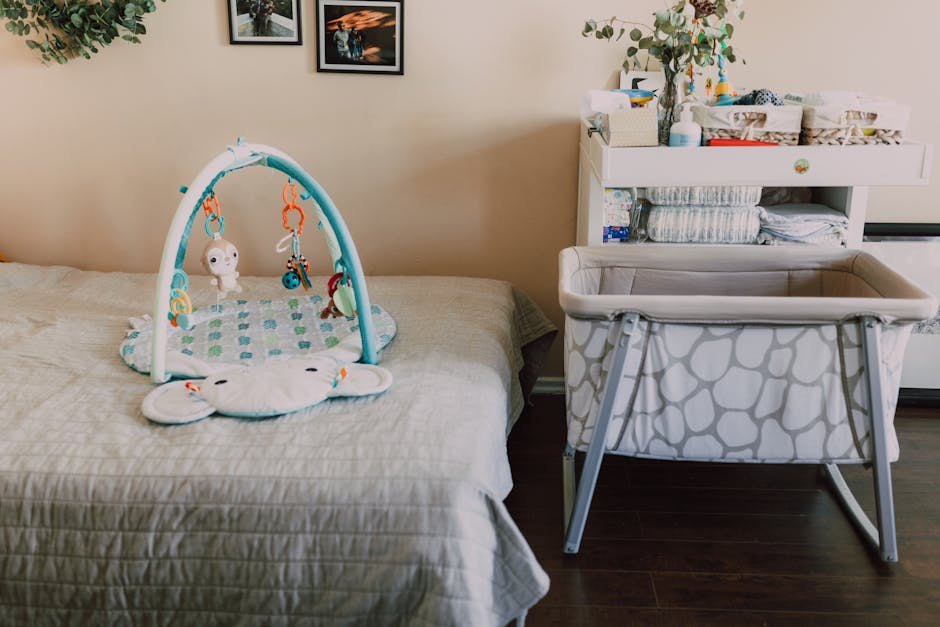
Are you overwhelmed by the mountain of toys piling up in your baby's nursery? You're not alone.
Many parents find themselves surrounded by an avalanche of colorful gadgets and plush animals, each promising to be the key to their child's happiness and development. But how many of these toys does your baby actually need? The answer might surprise you.
By understanding what truly captivates and nurtures your little one, you can make smarter choices that benefit both your child and your peace of mind. Stick around as we delve into the essentials of toy selection, helping you clear the clutter and focus on what truly matters for your baby's growth and joy.

Credit: letoyvan.com
Benefits Of Toys For Babies
Toys are more than just fun for babies. They play a vital role in their development. Toys help babies learn about their surroundings. They stimulate their senses, encourage movement, and spark imagination.
1. Physical Development
Toys promote physical growth. Rattles and soft blocks strengthen hand-eye coordination. Babies learn to grasp, shake, and stack. Push toys motivate crawling and walking. These activities build strength and balance.
2. Cognitive Growth
Toys boost cognitive skills. Puzzles and shape sorters challenge problem-solving abilities. They teach cause and effect. Babies learn that actions lead to reactions. Musical toys develop memory and recognition. Repeating songs helps in understanding patterns.
3. Sensory Stimulation
Many toys stimulate the senses. Bright colors, different textures, and sounds engage babies. They learn to distinguish between soft and hard. Loud and quiet. Sensory toys encourage exploration. They foster curiosity in the world around them.
4. Social And Emotional Skills
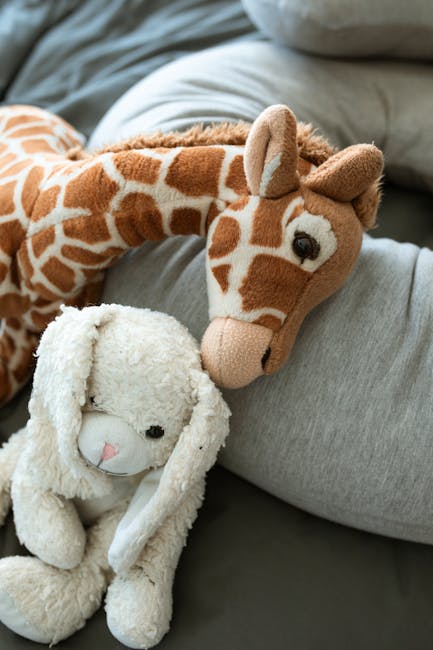
Toys also aid social and emotional growth. Dolls and stuffed animals teach empathy. Babies learn to care and nurture. Playing with others develops sharing habits. It builds cooperation and patience.
5. Language Development
Toys can aid language skills. Storybooks with pictures introduce new words. Sound-making toys help with listening skills. Parents can narrate playtime. This interaction promotes vocabulary expansion.
6. Creativity And Imagination
Blocks and art supplies spark creativity. Babies create their own stories. Imaginative play helps in understanding the world. It allows expression of thoughts and feelings.
:max_bytes(150000):strip_icc()/toys-GettyImages-2178658556-b20925fe452142649ca14ae36276ee84.jpg)
Credit: www.parents.com
Factors Influencing Toy Needs
Determining the right number of toys for a baby can be challenging. Several factors influence these toy needs. Understanding these factors helps parents make informed decisions. Each child is unique, so consider their specific needs.
Age And Developmental Stage
A baby's age greatly impacts toy needs. Newborns need sensory toys like rattles. As they grow, their needs change. Toddlers enjoy toys that enhance motor skills. Educational toys become essential for older babies. Each stage demands different types of toys.
Space And Storage Considerations
Available space affects toy choices. Limited space means fewer toys. Large play areas can accommodate more toys. Storage solutions also play a role. Organized spaces prevent clutter. Consider storage before purchasing new toys.
Parental Preferences
Parents' values and beliefs guide toy selections. Some prefer educational toys. Others prioritize eco-friendly options. Budget constraints also influence choices. Parents decide based on what they value most. Their preferences shape the toy collection.
Essential Toys For Development
Choosing the right toys for your baby can be overwhelming. With countless options on the market, you might wonder which toys are truly essential for your child's development. The key is to focus on toys that nurture sensory skills, enhance motor abilities, and stimulate cognitive growth. Each toy should serve a purpose in helping your baby learn and explore their world. Let's delve into the essential toys that can support your child's development.
Sensory Toys
Sensory toys are a fantastic way to engage your baby's senses. Babies learn about their environment through sight, sound, and touch. Toys like textured balls, rattles, and colorful mobiles can captivate their attention. These toys help develop their visual and auditory skills. Have you ever watched your baby stare at a spinning mobile or shake a rattle with curiosity? It's these moments that lay the foundation for sensory exploration.
Motor Skill Enhancers
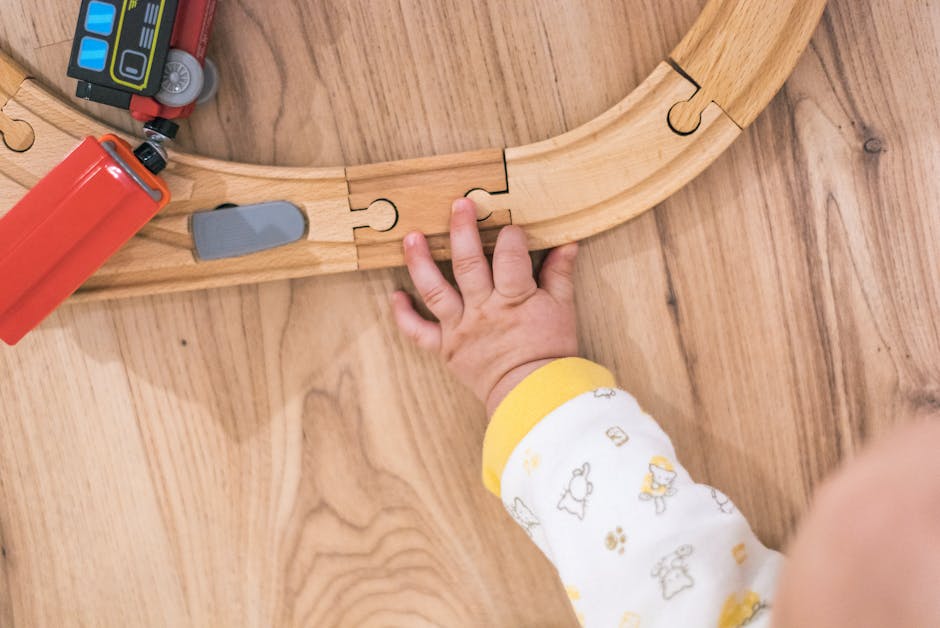
Motor skill toys are crucial for developing your baby's coordination and strength. Toys that encourage reaching, grasping, and crawling are excellent choices. Think of stacking rings, push toys, or activity gyms. Such toys not only entertain but also challenge your baby to move their body. Have you seen the joy on your baby's face when they successfully pull themselves up on a toy? It's a small victory that builds confidence and physical abilities.
Cognitive Development Toys
Cognitive toys are designed to stimulate your baby's brain and encourage problem-solving. Simple puzzles, shape sorters, and musical toys are perfect for this. They teach cause and effect, object permanence, and other vital cognitive skills. Imagine your baby learning that pressing a button plays a tune. It's these discoveries that excite their mind and foster learning. Are you providing toys that challenge your baby's thinking?
When selecting toys for your baby, remember that less can be more. Focus on toys that offer developmental benefits rather than sheer quantity. Each toy should provide an opportunity for your baby to learn, grow, and explore. So, what's in your baby's toy box? Are they designed to support essential development?

Credit: www.todaysparent.com
Balancing Quantity And Quality
Choosing toys wisely helps in balancing quantity and quality. Babies benefit from fewer, high-quality toys that encourage creativity and development. Parents should focus on toys that stimulate learning rather than accumulating many items.
Balancing the number of toys a baby needs involves careful thought. Parents often wonder about the ideal number of toys. Too many can be overwhelming. Too few might not stimulate enough. Striking the right balance ensures healthy development.
Avoiding Overstimulation
Overstimulation can confuse a baby's senses. Babies need time to focus and explore. A crowded play area can distract them. Too many toys can cause stress. This affects their ability to learn and play effectively. Limiting the number of toys helps maintain a calm environment. It allows babies to concentrate better.
Prioritizing Versatile Toys
Versatile toys offer multiple ways to play. They encourage creativity and problem-solving. They can adapt to different stages of growth. Simple toys, like blocks, serve many purposes. They grow with the child. They enhance cognitive skills and motor development. Choosing these toys ensures long-term value.
Signs Of Too Many Toys
Determining the right number of toys for a baby can be tricky. While toys are essential for development, too many can lead to problems. Parents often ask: How many toys are enough? Observing certain signs may help you realize when toys have become too much.
Clutter And Disorganization
Too many toys often result in clutter. Toys scattered everywhere create a messy space. It becomes difficult to keep the play area tidy. Constant disorganization can feel overwhelming for both parents and babies. Cleaning and organizing take up valuable time. This could be better spent on play and bonding. A cluttered environment can also impact safety. Tripping over toys is a common risk in such spaces.
Lack Of Interest
Babies may show less interest in toys if there's an excess. When too many toys surround them, they can become overstimulated. This leads to them ignoring most toys. They might focus on a few favorites. The rest collect dust. A lack of interest indicates that the abundance isn't beneficial. It can also affect their attention span. Simplifying their toy collection can renew their interest. It fosters better engagement and learning.
Tips For Toy Management
Babies need fewer toys than you might think. Quality over quantity helps stimulate growth and creativity. Focus on toys that encourage learning and imagination.
Managing a baby's toy collection can feel overwhelming. The excitement of buying new toys can quickly turn into a cluttered mess. But how do you keep things under control without stifling your child's playtime? Below are some practical tips for managing toys effectively, ensuring a balanced play environment for your little one.
Rotating Toys
Toy rotation can be a game-changer for both you and your baby. Instead of having all toys available all the time, select a few for your baby to play with each week. This approach keeps playtime fresh and exciting. It's like discovering new toys, even if they’ve been around for a while. Plus, it can help reduce the chaos in your living room. Do you notice a particular toy losing its charm? Rotate it out, and bring it back after a couple of weeks. You'll be surprised how your baby suddenly finds it fascinating again.
Donating Unused Toys
Unused toys can pile up, taking precious space. Why not donate them to a local charity or shelter? It's a simple way to teach kindness and gratitude. Consider organizing a toy donation drive with friends or family. You can make it a fun event while contributing to a good cause. The joy of giving can be a rewarding experience for your family. Before you donate, ensure the toys are in good condition. A thoughtful gift is always appreciated and can bring joy to another child. Is your baby growing out of toys? Look into donation options. You might be surprised at how much a single toy can mean to a child in need.
Incorporating Non-toy Activities
When you think about your baby's development, you might wonder if toys are the only way to stimulate their growing minds. Yet, there's a world beyond toys that can offer rich learning experiences. Incorporating non-toy activities into your baby's routine can spark curiosity, boost creativity, and nurture their development in unexpected ways.
Outdoor Exploration
Step outside and watch your baby's eyes widen with wonder. Nature offers endless opportunities for discovery. Let your baby feel the texture of grass or the smoothness of pebbles. Listen to birds singing and leaves rustling. These sensory experiences are invaluable.
Consider a daily walk around your neighborhood. Encourage your baby to notice the colors of flowers and the patterns of clouds. Each walk can be a new adventure, offering fresh sights and sounds. These moments cultivate a lifelong appreciation for nature.
Have you ever watched your baby try to catch a butterfly or follow an ant? These simple interactions teach patience and observation. Nature provides a playground that toys can't replicate, fostering curiosity and exploration.
Creative Play Ideas
Think beyond plastic toys. A cardboard box can become a spaceship, a castle, or a car. Offer simple household items like pots and pans for musical exploration. Creativity thrives when you allow your baby to imagine and innovate.
Why not create an art corner at home? Use crayons and paper, letting your baby scribble freely. Celebrate their masterpieces and display them proudly. These activities boost motor skills and self-expression.
Consider storytelling sessions. Share family stories or make up whimsical tales with your baby. You might be surprised at how engaged they become. Storytelling builds language skills and strengthens your bond.
What non-toy activities have sparked joy in your baby's life? Share your experiences and explore how these moments can enrich their world. Remember, the most meaningful play often happens beyond the toy box.
Sustainable Toy Choices
Choosing toys for a baby can be a thoughtful process. Parents often seek toys that are safe and nurturing. Sustainable toy choices offer both these qualities. They not only benefit the child but also the environment. Let's explore how you can make eco-friendly toy choices.
Eco-friendly Materials
Eco-friendly materials play a vital role in sustainable toys. Wooden toys are a great option. They are durable and biodegradable. Organic cotton is another excellent choice. It is soft and safe for babies. Look for toys made from recycled materials. These toys reduce waste and promote sustainability.
Supporting Ethical Brands
Supporting ethical brands is important for sustainable toy choices. Choose brands that follow fair trade practices. They ensure workers receive fair wages. Ethical brands often use sustainable materials. They care about environmental impact. Research brands to find those committed to ethical practices. This supports a healthier planet for future generations.
Frequently Asked Questions
How Many Toys Should A Baby Have?
Babies need a few toys that stimulate learning and development. Focus on quality over quantity. Choose toys that encourage motor skills, sensory exploration, and imagination. Too many toys can be overwhelming and distracting. Aim for a balanced selection that caters to different stages of growth.
What Types Of Toys Are Best For Babies?
Choose toys that promote sensory development, motor skills, and creativity. Soft toys, rattles, and stacking blocks are excellent choices. Look for toys that are safe, durable, and age-appropriate. Interactive toys can also enhance learning and engagement. Avoid toys with small parts that pose a choking hazard.
Can Too Many Toys Overwhelm A Baby?
Yes, too many toys can overwhelm babies. They may struggle to focus on one activity. A cluttered environment can hinder exploration and creativity. Limit toy options to encourage meaningful play. Rotate toys to keep engagement fresh and exciting. Simplifying choices can enhance development and reduce stress.
How Do Toys Impact Baby Development?
Toys play a crucial role in baby development. They stimulate cognitive, motor, and sensory skills. Interactive toys foster social interaction and problem-solving. Age-appropriate toys encourage exploration and imagination. Select toys that cater to developmental milestones. Toys are essential tools for learning and growth.
Conclusion
Choosing toys for your baby can be overwhelming. Less is often more. Babies benefit from simple, versatile toys. These encourage imagination and exploration. Quality beats quantity every time. Too many toys can clutter and distract. Focus on toys that grow with your child.
Consider their developmental needs. Rotate toys to keep things fresh. Observe what your baby enjoys most. Their interests may guide your choices. Remember, your time and attention are the best gifts. Playing and bonding matter more than the number of toys.
Keep it simple, and enjoy these special moments together.