


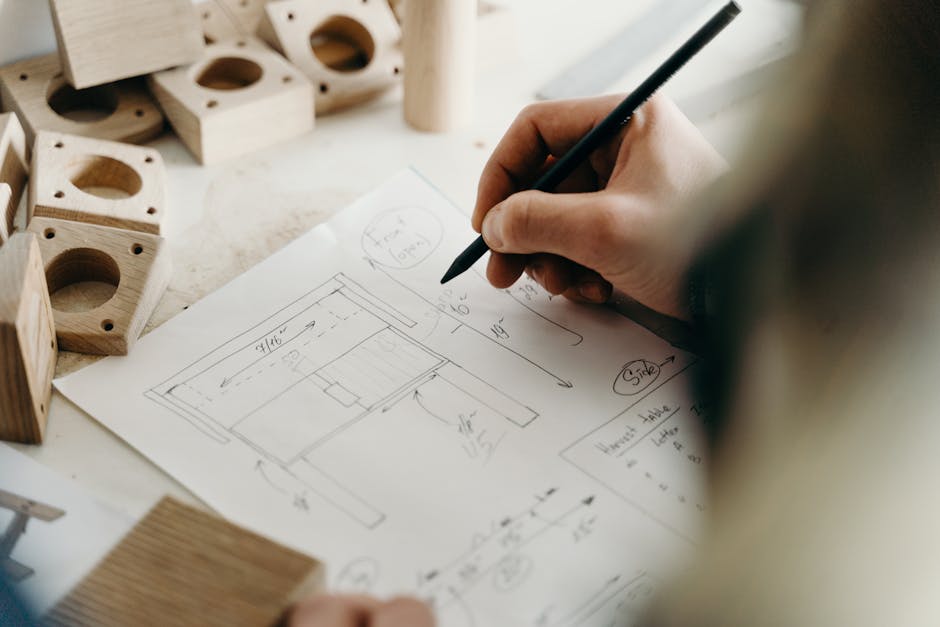
Curious about creating baby toys that are safe, fun, and engaging? Imagine the joy on your little one's face as they play with a toy made just for them, crafted with love and care by you.
In this guide, you'll discover simple, step-by-step techniques to craft unique baby toys that will not only entertain but also aid in their development. Whether you're a parent eager to make something special for your child or someone interested in handmade gifts, this article will guide you through the process with ease.
Plus, you'll gain insights into choosing the right materials and designs that captivate a baby's curiosity, ensuring hours of playful delight. Let's explore the art of making baby toys that are as delightful to create as they are to play with!
Benefits Of Diy Baby Toys
Creating DIY baby toys offers creative expression and ensures safety for your child. Handmade toys nurture imagination and save money. Simple materials like fabric and wood can be transformed into playful and engaging toys for babies.
Creating your own baby toys can be a rewarding experience that offers numerous benefits. Not only does it allow you to tailor toys specifically to your baby's needs, but it also fosters creativity and can be a cost-effective way to provide stimulating playthings. DIY baby toys can be made from safe materials, giving you peace of mind about what your little one is playing with. Plus, crafting toys can be a fun activity for you, encouraging bonding time with your baby.
Personalized Creativity
When you make baby toys yourself, you can customize them to fit your child's interests. Does your baby love bright colors or soft textures? You can add these elements to your homemade toys. Crafting toys allows you to express your creativity while making something uniquely yours. Think about it: how often do you get the chance to design something tailor-made for your little one?
Cost-effective Fun
Store-bought toys can be expensive, especially those with fancy features. Making toys at home can save money, using materials you already have. You might be surprised how everyday items can transform into engaging toys. Old socks can become colorful puppets, and cardboard boxes can turn into castles. Isn't it intriguing how simple things can become sources of joy?
Safety Assurance
You control the materials used in DIY toys, ensuring they're safe for your baby. Choose non-toxic paints and fabrics to keep your little one safe from harmful chemicals. This is particularly important for teething babies who explore toys with their mouths. Have you ever wondered what's inside those store-bought toys? Making your own toys removes that worry.
Enhanced Bonding
Crafting toys can be a shared activity, allowing quality bonding time with your baby. Even if they're too young to help, they can enjoy watching you create. This time together strengthens your connection and can be a soothing activity. Imagine the joy on your baby’s face when they play with a toy you made just for them.
Skill Development
DIY projects can help develop your own skills. Sewing, painting, or woodworking can become new hobbies, adding a sense of accomplishment. As your baby grows, you can adjust the complexity of the toys to match their developmental stage. Do you feel a sense of pride when completing a project? Making toys can be an enriching experience for both you and your baby. Making baby toys yourself is not just about the toys; it's about the journey of creativity, bonding, and learning. Would you try making a toy for your baby today?
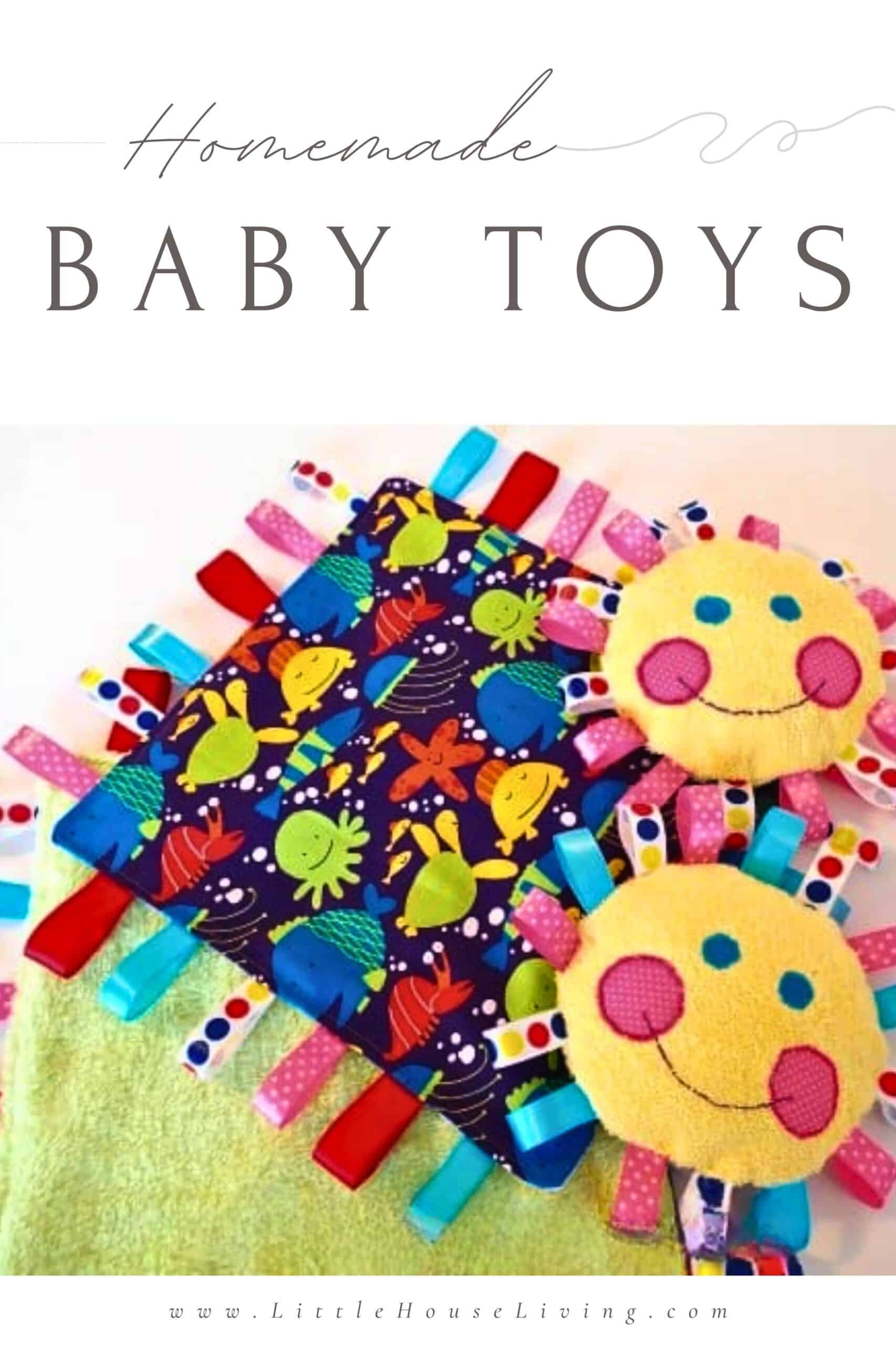
Credit: www.littlehouseliving.com
Safety Tips For Homemade Toys
Creating homemade toys for your baby is a rewarding experience. You can tailor them to your child’s interests and developmental needs. However, safety is a top priority. Ensuring that homemade toys are safe is crucial for your child's wellbeing. Below are some safety tips to consider when crafting toys at home.
1. Use Non-toxic Materials
Choose materials that are safe for babies to chew on. Look for labels that certify the material as non-toxic. Avoid using paints or glues with harmful chemicals.
2. Avoid Small Parts
Small parts can pose a choking hazard. Ensure all components are large enough. Items should not fit into a toilet paper roll. This is a quick test for safety.
3. Secure Loose Parts
Make sure all parts of the toy are securely attached. Loose buttons, beads, or strings can be dangerous. Double-check knots and stitches for strength.
4. Inspect For Sharp Edges
Sharp edges can cause cuts or injuries. Sand down wooden edges. Check plastic and metal for burrs or sharp points.
5. Test For Durability
Babies are rough with toys. Test the toy's durability before giving it to your child. Tug, pull, and drop it to see if it holds up.
6. Ensure Proper Size
Choose the appropriate size for the toy. Large toys can be cumbersome for small hands. Small toys can be choking hazards.
7. Regularly Check For Wear And Tear
Inspect toys regularly for signs of wear. Look for loose parts or fraying materials. Replace or repair any damaged toys immediately.
8. Avoid Toxic Fillings
Ensure stuffing materials are safe. Avoid using beans or small plastic pellets. Opt for materials labeled as baby-safe.
9. Supervise Playtime
Always supervise your baby during playtime. Observe how they interact with the toy. Remove any toy that seems unsafe.
Materials To Use
Creating baby toys involves using safe, durable materials like soft fabric, non-toxic plastic, and wood. Ensure all materials are free from small parts to prevent choking hazards. Choose bright colors and varied textures to stimulate a baby's senses.
Making baby toys is an exciting and rewarding project. Selecting the right materials is crucial for creating safe, engaging, and enjoyable toys for your little ones. It's not just about crafting; it's about ensuring the toys are safe, durable, and fun.
Natural Materials
Natural materials are often the best choice for baby toys. They are not only safe but also eco-friendly. You might consider using wood, cotton, or wool. Wood, especially untreated hardwood, is excellent for creating sturdy toys like blocks and puzzles. Cotton and wool are perfect for soft toys, providing a gentle touch and warmth. Imagine a soft, woolen teddy bear that your baby can cuddle with – it’s a comforting thought, isn't it?
Recycled Items
Using recycled items can be a creative way to make toys. It's also a fantastic way to teach your child about sustainability. You can repurpose old fabrics or cardboard to create imaginative toys. Perhaps you have an old sweater that can be transformed into a plush toy. It's amazing how you can give new life to items you already have. Plus, it adds a unique touch to each toy, making them one-of-a-kind.
Non-toxic Finishes
Safety is paramount when making toys for babies. Non-toxic finishes ensure that the toys are safe even if your baby decides to chew on them. Look for water-based paints and finishes that are free from harmful chemicals. These finishes not only make the toys look appealing but also protect them from wear and tear. Picture a beautifully painted wooden block that is safe for your baby to explore with their senses. Wouldn't you want that peace of mind? When you make baby toys, you have the power to create something truly special. What materials will you choose for your next project?
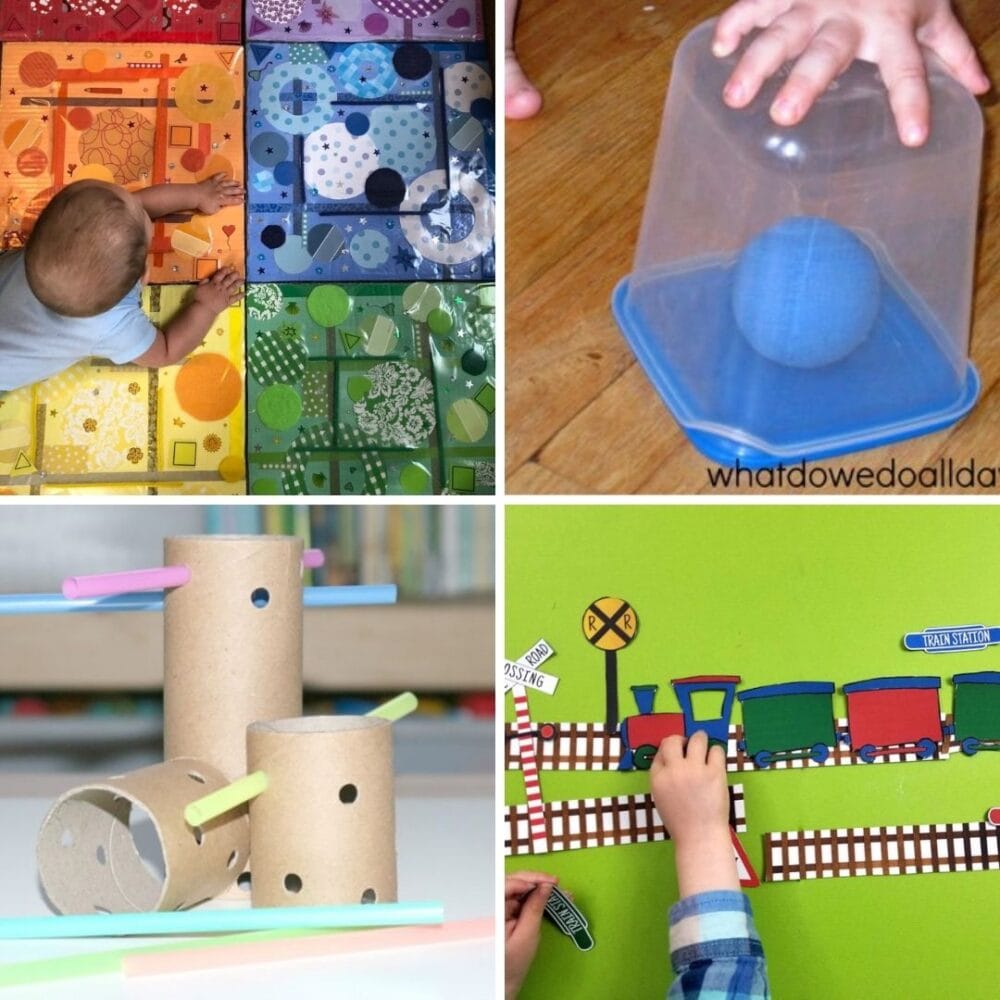
Credit: www.theempowerededucatoronline.com
Simple Sewing Projects
Crafting baby toys with sewing is fun and easy. Soft fabrics are ideal for creating safe and cuddly toys. Use bright colors and simple designs to engage little ones.
Creating baby toys can be an incredibly rewarding experience, especially when you make them with love and creativity. Simple sewing projects offer an opportunity to craft personalized toys that are both safe and unique. Whether you're a seasoned sewer or a beginner, making baby toys like fabric blocks, soft rattles, and plush animals can be fun and fulfilling. Let’s dive into how you can create these delightful toys.
Fabric Blocks
Fabric blocks are a fantastic project for beginners. You can use bright, colorful fabrics to stimulate a baby's senses. Start by cutting six squares of fabric, each measuring about 4x4 inches. Sew them together to form a cube, leaving a small opening to stuff the block with cotton or polyester filling. You can add a small bell inside to make the block more interesting. Think about the patterns you choose; different textures and colors can make playtime more engaging for babies.
Soft Rattles
Creating soft rattles is both simple and rewarding. You'll need some fabric, a small plastic rattle insert, and filling material. Cut two identical shapes from your fabric, such as a circle or a star. Sew them together inside out, leaving a small gap. Turn the shape right side out, insert the rattle, and fill it with cotton or polyester stuffing. Finally, sew the opening shut. Consider how the rattle feels in your hand; it should be easy for tiny hands to grip.
Plush Animals
Plush animals can become a baby's favorite companion. Choose a simple animal shape like a bear or a bunny to start. Use a soft fabric like fleece or cotton. Draw your animal shape on paper and cut out two identical pieces from your fabric. Stitch them together, leaving an opening for stuffing. Turn the fabric inside out, stuff it, and sew the opening closed. Personalize your creation with embroidered eyes or a stitched smile. Reflect on the joy and comfort a plush animal can bring to a baby, reminding you of your favorite childhood toy. Sewing baby toys is not just about the end product; it’s about the joy of creating something special for a little one. Have you ever tried making toys for a baby? If not, why not start with one of these simple projects? You might find that crafting these toys is as delightful as seeing a baby enjoy them.
Wooden Toy Creations
Creating baby toys from wood involves careful design and craftsmanship. Choose safe, non-toxic materials for construction. Sand edges smoothly to prevent splinters.
Wooden toys captivate both children and parents alike. Their timeless appeal and durability make them favorites in playrooms. Crafting wooden toys requires precision and creativity. Each piece is lovingly made to spark joy and imagination. Dive into the world of wooden toy creations. Discover the charm of blocks, rings, and pull-along toys.
Wooden Blocks
Wooden blocks offer endless possibilities. Children stack, build, and create new worlds. These toys enhance motor skills and creativity. The smooth texture is gentle on little hands. Blocks come in various shapes and sizes. Bright colors attract attention and stimulate learning. Perfect for toddlers exploring spatial awareness.
Stacking Rings
Stacking rings teach sorting and coordination. The vibrant hues capture a child's interest. Each ring is crafted from durable wood. Safe for teething babies. The central pole holds rings securely. Children practice fine motor skills while stacking. Parents love the educational value these rings offer.
Pull-along Toys
Pull-along toys entertain and encourage movement. Little ones enjoy dragging their toy friends. These toys have wheels that glide smoothly. Crafted with care, they are sturdy and reliable. Animal shapes add character and charm. Perfect for toddlers learning to walk. Parents appreciate their simplicity and durability.
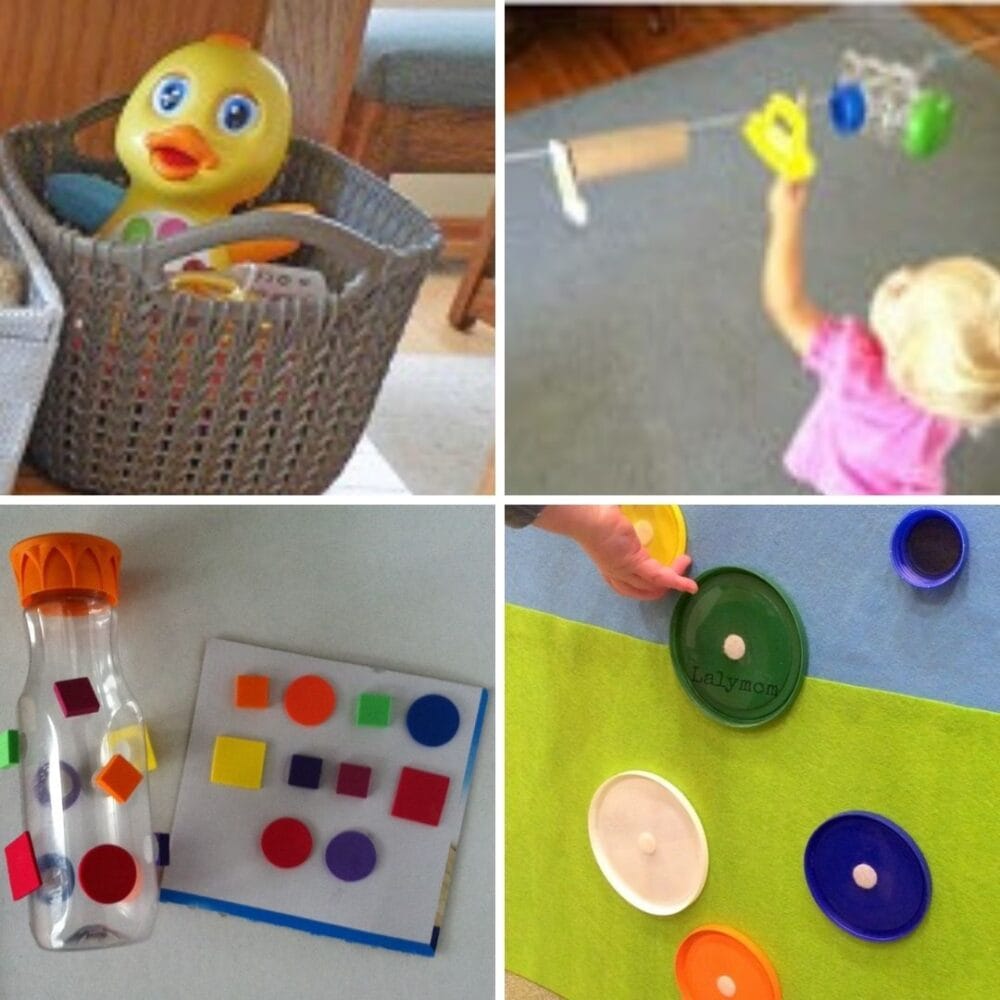
Credit: www.theempowerededucatoronline.com
Sensory Play Ideas
Babies learn about the world through their senses. Sensory play is vital for their development. It stimulates touch, sound, and sight. Creating sensory toys at home can be fun and educational. Here are some sensory play ideas to inspire you.
Textured Mats
Textured mats engage a baby's sense of touch. Use different fabrics like velvet, cotton, and burlap. Sew them onto a mat or blanket. Babies love feeling varied textures. Place the mat on the floor during tummy time. Watch them explore with their fingers.
Sound Bottles
Sound bottles excite auditory senses. Fill clear bottles with items like rice, beans, or bells. Secure the lids tightly. Shake the bottles and let babies listen. Different materials create unique sounds. Babies learn to associate sounds with movements.
Colorful Mobiles
Colorful mobiles captivate a baby's eyes. Use bright paper, fabric, or felt. Cut them into shapes like stars or animals. Hang them from a crib or ceiling. The colors stimulate visual senses. Moving shapes keep babies curious and engaged.
Crafting With Paper
Creating baby toys from paper involves simple steps. Choose colorful paper and cut shapes like animals. Use safe glue to attach parts securely. Add details with markers or stickers for a fun finish.
Crafting with paper offers a delightful way to create unique and personalized baby toys. The versatility of paper makes it easy for anyone to get started, whether you're a seasoned crafter or a beginner. With simple materials like paper, glue, and scissors, you can craft toys that are not only fun but also educational for your little one. Imagine the joy on a baby's face as they interact with a colorful paper toy that you've made with love. Let's dive into some exciting paper crafting ideas.
Paper Mache Animals
Creating paper mache animals is an enjoyable project that allows you to explore your creativity. Begin by shaping the basic structure using balloons or wire. Layer strips of paper soaked in glue over the form, allowing each layer to dry before adding the next. Once complete, paint your animal in vibrant colors. You might make a friendly elephant or a cheerful giraffe. These animals can become wonderful companions for your baby during playtime. Ever considered how such simple creations can spark endless curiosity in a young mind?
Origami Toys
Origami is a fascinating paper folding technique that transforms a simple sheet into intricate designs. You can start with easy shapes like birds or boats. Use colorful origami paper to capture your baby's attention. As you fold, talk about the shapes and colors to stimulate learning. Origami toys also improve hand-eye coordination and fine motor skills. Have you ever thought about how a simple fold could lead to hours of entertainment and learning?
Interactive Storybooks
Creating interactive storybooks can be a magical experience for both you and your baby. Use sturdy paper to craft pages, and draw or paste pictures that tell a story. You can add flaps, pop-ups, or textures for a hands-on experience. This encourages your baby to touch and explore, turning storytime into a playful adventure. What stories will you bring to life through your paper creations? Imagine the tales you can spin, engaging your baby's imagination and fostering a love for reading early on. Embrace the world of paper crafting and watch as your baby enjoys and learns from these handmade treasures.
Incorporating Technology
In today’s digital age, technology is changing how we make baby toys. It’s not just about plush animals or rattles anymore; tech-savvy features are taking playtime to a whole new level. Imagine your little one’s eyes lighting up with curiosity as they interact with toys that respond to their touch or voice. This is where innovation meets imagination, creating endless possibilities for fun and learning.
Led Light Features
Adding LED lights to baby toys can make a big difference in your child's play experience. These vibrant lights can capture their attention and encourage exploration. Think of toys that glow different colors when pressed or moved. This feature can help develop your child's sensory skills and teach them cause and effect. You might wonder how safe it is; modern toys ensure LEDs are securely embedded, keeping your little one safe.
Simple Circuit Toys
Simple circuit toys are a fantastic way to introduce basic technology concepts to your child. These toys often involve pressing buttons or connecting pieces to trigger sounds or lights. Do you remember the thrill of completing your first circuit puzzle? Your child can experience that joy too, learning how things work as they play. Simple circuit toys can foster curiosity and problem-solving skills. They are a playful way to engage your child’s mind, preparing them for future learning.
By choosing toys with these innovative features, you not only entertain your child but also spark their interest in technology. Are you ready to see the world through your child’s eyes as they explore and learn? Incorporating technology into baby toys can be a game-changer for their development.
Inspiration From Nature
Crafting baby toys inspired by nature involves using natural materials like wood or fabric. Simple shapes and soft textures mimic natural elements, creating safe and engaging toys. Bright colors and gentle sounds can capture a baby's attention, encouraging curiosity and play.
Engaging with nature can spark creativity in ways you might not expect. Making baby toys inspired by the natural world not only fosters imagination but also encourages an early appreciation for the environment. Imagine a toy crafted from leaves, rocks, and twigs, each bringing a touch of the outdoors into playtime. These natural elements can transform into delightful toys that are both educational and sustainable.
Leaf Prints
Leaf prints are a simple yet fascinating way to introduce your little one to nature's artistry. Start by collecting different leaves during a walk in the park. Each leaf has a unique shape and texture, perfect for crafting. Once you have your collection, dip the leaves in non-toxic paint and press them onto paper or fabric. This activity not only creates beautiful patterns but also helps babies explore textures. Use these prints to make cards, wall art, or even a tactile book for your baby.
Rock Painting
Rock painting can be an exciting and tactile activity. It's an opportunity to transform ordinary stones into colorful masterpieces. Gather smooth rocks from a beach or garden. Use non-toxic, bright paints to create fun designs or simple faces on the rocks. These can become story stones, where each painted rock tells a part of a tale. Imagine the joy on your baby's face as they feel the cool, painted surface while you weave a story around it.
Twig Mobiles
Twigs can be turned into charming mobiles that captivate a baby's attention. A simple walk in the woods can yield twigs of various shapes and sizes. Look for twigs that are sturdy yet light. Tie these twigs together using natural jute string, creating a balanced mobile. Hang lightweight objects like feathers or small bells from the twigs. Place the mobile above a crib or play area to stimulate your baby’s visual senses with its gentle movement. Creating toys from nature is not only fun but also connects your child with the world around them. What natural elements will you use to craft your next baby toy?
Frequently Asked Questions
What Materials Are Safe For Baby Toys?
When making baby toys, use non-toxic materials like organic cotton, wood, and food-grade silicone. Avoid small parts that can be choking hazards. Ensure all components are securely attached. These materials are safe and gentle on baby's skin, providing peace of mind for parents concerned about their child's safety and health.
How Can I Make Sensory Baby Toys?
To create sensory toys, incorporate various textures, colors, and sounds. Use fabrics like fleece or velvet, and add elements like crinkly paper or rattles. Sensory toys stimulate a baby's senses, aiding in cognitive development. They encourage exploration and are excellent for keeping babies engaged and entertained.
Are Diy Baby Toys Cost-effective?
Yes, DIY baby toys can be very cost-effective. By using materials like fabric scraps, recycled objects, and safe household items, you can create unique, personalized toys. This approach not only saves money but also allows for creativity. DIY toys can be tailored to suit your baby's interests and developmental needs.
How Do I Ensure Homemade Toys Are Safe?
To ensure safety, choose non-toxic, durable materials and avoid small parts. Always check for sharp edges and ensure all components are securely attached. Regularly inspect toys for wear and tear. Supervision during playtime is crucial to prevent accidents. Safety should be the top priority when making baby toys.
Conclusion
Crafting baby toys at home can be simple and fun. Use safe materials. Keep designs colorful and engaging. Babies enjoy toys that stimulate their senses. Soft textures and bright colors work well. Always ensure safety by avoiding small parts. Involve older siblings in the process.
This creates bonding time and teaches creativity. Homemade toys can be cherished gifts. They hold special memories and love. Start creating today and see the joy it brings. Remember, the simplest toys often make the biggest smiles. So, gather your materials and let your imagination lead the way!