
You love seeing your baby play and explore, but you might worry about the germs and dirt that come with used toys. It's a common concern for many parents.
Cleaning those adorable toys isn't just about keeping them looking new; it's also about ensuring your little one's safety and health. But where do you start? And how can you do it effectively without spending hours scrubbing away? This guide is here to help you discover the best tips and tricks for cleaning used baby toys, so you can have peace of mind while your child enjoys their playtime.
Dive in, and let's make toy cleaning a breeze for you and a safe adventure for your baby!
Safety First
Cleaning used baby toys ensures a safe play environment. Use mild soap and warm water for most toys. Disinfect with a vinegar solution or baby-safe wipes for extra cleanliness.
Cleaning used baby toys isn't just about making them look good as new; it's about ensuring your child's safety. Safety First is the cornerstone of this process. As parents, we often juggle many responsibilities, and sometimes the smallest details can slip through the cracks. Imagine your little one playing with a toy that has a hidden crack or loose parts. It’s crucial to make sure that toys are not just clean but safe for your child’s use. Here’s how you can put safety first when cleaning those cherished toys.
Check For Damage
Before you even think about soap and water, inspect the toys closely. Look for any cracks, loose parts, or sharp edges. These might not be obvious at first glance but can pose a real danger. I remember finding a small crack in my child's favorite plastic dinosaur, which could have easily pinched tiny fingers. Use your hands to gently feel for any irregularities. If you find something that seems beyond repair, consider whether it’s time to retire that toy. It's better to be safe than sorry.
Remove Batteries
Battery-operated toys need special attention. Always remove batteries before cleaning. Water and electricity don't mix, and you wouldn't want any corrosion or leakage. I once forgot to remove batteries from a toy car, only to find that the moisture had seeped into the battery compartment, causing damage. Take the batteries out and store them safely. This ensures that the toy is ready for a thorough cleaning and prevents any electrical mishaps. Do you think about the small details like battery safety when cleaning toys? It's those little steps that make a big difference in keeping your child safe. In your quest to clean and ensure toy safety, remember that these precautions are not just steps but habits that protect your child. Are there toys in your home that need a safety check?

Credit: www.ebay.com
Types Of Toys
Cleaning used baby toys requires gentle care and attention. First, wash toys with mild soap and warm water. Then, rinse thoroughly to remove soap residue. Finally, dry toys completely before giving them back to your little one. Keeping toys clean ensures a safe play environment for children.
Cleaning baby toys can be a daunting task for parents. Different toys need different cleaning methods. Knowing how to clean them properly is crucial for your child's safety. This section explores the types of toys and their cleaning methods.
Plastic Toys
Plastic toys are common in every household. They are durable and easy to clean. Use warm soapy water for regular cleaning. You can also use a mild disinfectant. Rinse thoroughly to remove soap residue. Dry them with a clean cloth or air dry.
Stuffed Animals
Stuffed animals are beloved by many children. They collect dust and germs easily. Most are machine washable. Use a gentle cycle with mild detergent. Air drying is preferred to maintain shape. For non-washable toys, vacuuming works well. Spot clean stains with a damp cloth.
Wooden Toys
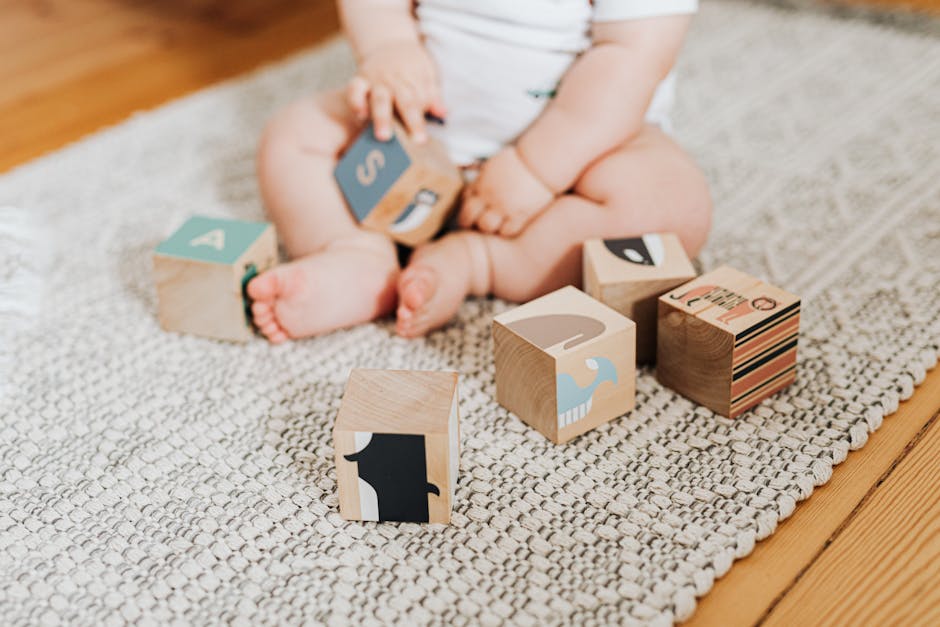
Wooden toys are sturdy and eco-friendly. Clean them carefully to avoid damage. Use a damp cloth with mild soap. Avoid soaking them in water. Too much moisture can warp the wood. Dry them immediately after cleaning. Lemon juice can help remove stains naturally.
Electronic Toys
Electronic toys need special care. Avoid using water around electronic parts. Use a dry cloth to wipe surfaces. For hard-to-reach areas, use a soft brush. Disinfect buttons with a cloth dampened with alcohol. Ensure toys are completely dry before use. Remove batteries before cleaning to prevent damage.
Cleaning Supplies
Sanitizing used baby toys can be simple. Warm soapy water works well for most toys. For electronic toys, wipe with disinfectant wipes to avoid water damage. Regular cleaning keeps toys safe for little ones.
Cleaning baby toys can seem like a daunting task, especially when they're used and may have been exposed to a variety of germs and dirt. But fear not, with the right cleaning supplies, you can ensure your child's toys are hygienic and safe. Understanding what materials and tools to use is essential for effective cleaning without compromising the toy's quality or your child's safety.
Safe Cleaning Agents
Choosing safe cleaning agents is crucial when dealing with baby toys. You wouldn't want any harmful chemicals lingering on surfaces your child touches. Consider using natural cleaning solutions, such as white vinegar or baking soda, which are gentle yet effective. These agents can tackle germs without the harsh effects of synthetic chemicals. You might find that a simple mixture of vinegar and water can be your go-to solution for most toys. This method is not only safe but also budget-friendly.
Tools And Equipment
Do you have the right tools to clean those intricate toy parts? Sometimes, a simple cloth isn't enough. Employing a soft-bristled brush can help you reach tiny crevices that are often missed. An old toothbrush can be surprisingly effective for scrubbing small areas. A clean cloth or sponge will be essential for wiping down larger surfaces. Moreover, Q-tips can be lifesavers when dealing with toys that have nooks and crannies. They allow you to clean tight spaces where dirt loves to hide. Think about using a plastic basin to wash and rinse toys, which keeps the process tidy and controlled. Have you ever thought about using a dishwasher for those plastic toys? It can make your cleaning regimen a breeze and ensure thorough sanitization. But be cautious—make sure the toys are dishwasher-safe. Cleaning doesn't have to be a chore with the right supplies at hand. What methods or tools have you found most effective in your cleaning routine? Share your insights and let's make toy cleaning safer and easier for everyone.

Credit: www.facebook.com
Cleaning Plastic Toys
Plastic toys are favorites for many children. They're durable and colorful. Cleaning them is essential to keep germs away. Regular cleaning ensures toys remain safe for play. Let's explore effective methods to clean plastic toys.
Hand Washing
Hand washing is simple and effective for plastic toys. Fill a basin with warm water. Add a mild dish soap. Use a soft cloth or sponge. Gently scrub each toy. Pay attention to crevices and corners. Rinse thoroughly with clean water. Let them air dry completely. Avoid harsh chemicals. They can damage the toy's surface. Hand washing is suitable for delicate toys.
Dishwasher Method
The dishwasher method offers convenience. Check if the toy is dishwasher-safe. Place toys on the top rack. Use a gentle or normal cycle. Skip the heated drying option. Heat can warp plastic toys. Let them air dry after washing. This method is ideal for durable toys. Ensure the toys are secure in the rack. Loose toys might fall and get damaged. The dishwasher saves time and effort.
Cleaning Stuffed Animals
Gently clean used baby toys with mild soap and warm water. Ensure thorough rinsing to remove soap residue. For toys with batteries or electronics, wipe with a damp cloth. Dry thoroughly to prevent mold. Safe cleaning keeps baby toys fresh and hygienic.
Cleaning stuffed animals is crucial for your baby's health. These cuddly companions often harbor germs and allergens. Regular cleaning ensures they stay safe for snuggling.
Machine Washing
Machine washing is efficient for durable stuffed animals. Check the care label first. Most plush toys can handle a gentle cycle with cold water. Use a mild detergent. Place the toy in a mesh laundry bag to protect its shape. Avoid fabric softeners, they can irritate sensitive skin. After washing, tumble dry on low heat or air dry. Ensure the toy is completely dry to prevent mold growth.
Spot Cleaning
Spot cleaning works well for delicate or electronic stuffed animals. Use a damp cloth with a mild soap solution. Gently rub stains and dirty areas. Avoid soaking the toy, which can damage it. For stubborn stains, a mixture of baking soda and water can help. After cleaning, wipe with a clean damp cloth. Let the toy air dry completely. This method keeps delicate toys in good condition. Cleaning stuffed animals regularly keeps them hygienic and safe. Choose the right method based on the toy's material and design.
Cleaning Wooden Toys
Wooden toys require special care to maintain their quality. They are durable yet sensitive to moisture. Proper cleaning ensures they stay safe and beautiful. Let's explore the best methods.
Wiping Down
Use a damp cloth for wooden toys. Gently wipe the surface to remove dirt. Avoid soaking the cloth in water. A little moisture goes a long way. For sticky spots, use mild soap. Rinse the cloth and wipe again. This keeps the wood clean and fresh.
Avoiding Water Damage
Never submerge wooden toys in water. Water can warp and crack the wood. Instead, focus on surface cleaning. Let toys air dry after wiping. Avoid direct sunlight during drying. This prevents fading and damage. Proper care extends toy life.
Cleaning Electronic Toys
Cleaning electronic toys requires special attention. These toys often have delicate components. Proper cleaning ensures safety and longevity. Electronics can harbor bacteria and germs. Regular cleaning helps maintain hygiene for your child.
Surface Cleaning
Begin with a soft, damp cloth. Use it to wipe the toy’s surface. Avoid soaking the cloth to prevent moisture damage. Opt for mild soap or a baby-safe cleaner. Gently scrub areas with visible dirt. For tight spaces, use cotton swabs. They help reach dirt trapped in crevices. Finally, dry the toy with a clean cloth. Ensure no moisture remains on the surface.
Battery Compartment Care
First, remove the batteries from the toy. This prevents accidental damage during cleaning. Inspect the compartment for any signs of corrosion. Use a dry cloth to wipe inside the compartment. For stubborn residue, consider a vinegar solution. Dip a cotton swab in the solution. Gently clean the affected areas. Allow the compartment to dry completely. Reinsert the batteries once fully dry. Ensure proper alignment of battery terminals.

Credit: www.ebay.com
Drying And Storage
Cleaning baby toys involves washing them with soap and water, then rinsing thoroughly. After cleaning, ensure toys dry completely before storing in a cool, dry place to prevent mold. Regularly inspect stored toys to maintain hygiene and safety.
Cleaning used baby toys is an essential task, but what happens after you've scrubbed away the grime? Drying and storing them properly is equally crucial to prevent mold and bacteria from ruining your efforts. You want to ensure that your little one's playthings remain safe and hygienic. Let's explore how you can effectively dry and store these toys.
Air Drying
After cleaning, the first step is to let the toys air dry. It's simple but effective. Place the toys on a clean towel or drying rack in a well-ventilated area. If possible, position them near a window for sunlight exposure. Sunlight not only speeds up drying but also provides natural sanitization. Be mindful of the material. Plush toys need more time than plastic ones. You might want to rotate them periodically to ensure they dry evenly.
Proper Storage
Once dried, proper storage is key to maintaining cleanliness. Consider dedicating a specific bin or shelf for toys. Use clear bins to easily spot favorite toys and reduce the hassle of searching. Labeling can also help organize by type or use. Think about the storage location. Ideally, it should be a dry, cool area away from direct sunlight to avoid fading or damage. Do you have a special corner where your baby loves to play? Make it the toy storage spot. Not only does it keep toys accessible, but it also encourages tidiness. Drying and storing toys might seem minor, but it makes a big difference in keeping your child's play environment safe. How do you ensure your baby's toys are clean and ready for the next play session?
Frequently Asked Questions
How Often Should You Clean Baby Toys?
It's best to clean baby toys weekly to ensure hygiene. High-touch toys might need more frequent cleaning. Always clean toys immediately if they have been in contact with bodily fluids. Regular cleaning prevents the spread of germs and keeps your baby safe.
What’s The Safest Way To Sanitize Baby Toys?
Use a mild soap and warm water for most toys. For plastic toys, a vinegar-water solution works well. Avoid harsh chemicals as they can be harmful. Rinse thoroughly and allow them to air dry completely before giving them back to your baby.
Can You Wash Plush Toys In A Machine?
Yes, most plush toys are machine washable. Use a gentle cycle with mild detergent. Place them in a mesh laundry bag to protect them. Air dry or tumble dry on low heat. Always check the care label for specific instructions before washing.
Are Disinfectant Wipes Safe For Baby Toys?
Disinfectant wipes are safe for non-porous toys. Ensure wipes are baby-safe and alcohol-free. Wipe the toy surface thoroughly, then let it air dry. Rinse with water if the label recommends it. Always check the product label for safety information before use.
Conclusion
Keeping baby toys clean ensures your child's safety and health. Regular cleaning removes germs and dirt. Use simple methods like soap and water. Disinfect with a mild solution if needed. Check toy labels for cleaning instructions. Avoid harsh chemicals that can harm your child.
Dry toys thoroughly to prevent mold. Store them in a clean, dry place. Consistent cleaning habits lead to safer playtime. Follow these tips for peace of mind. Your baby stays happy and healthy with clean toys. Enjoy watching your little one play safely every day.