


Have you ever stood in the toy aisle, staring at the endless options, and wondered what kind of toys will truly benefit your child? You're not alone.
As parents, caregivers, or gift-givers, choosing between educational toys and entertainment toys can feel overwhelming. But what if the right choice could make a significant impact on your child's development and happiness? Imagine finding that perfect toy that not only brings a smile to their face but also nurtures their growing mind.
This article will guide you through the differences, benefits, and potential drawbacks of both types of toys, helping you make informed decisions. Ready to discover which toys can be both fun and formative for your little one? Keep reading, and let's dive into the world of toys that can shape the future.
Educational Toys: Building Skills
As you walk through the toy aisle, do you wonder if the colorful array of educational toys actually make a difference in your child's development? Educational toys are more than just fun; they are powerful tools that help build essential skills in your child. These toys are designed to foster critical thinking, encourage creativity, and develop a love for learning. Let's dive into how educational toys can enhance your child's cognitive development, STEM learning, and language and literacy skills.
Cognitive Development
Have you ever watched a toddler stack blocks with intense concentration? This seemingly simple activity is boosting their cognitive development. Building blocks, puzzles, and memory games challenge your child's brain, helping them develop problem-solving skills. These toys require children to think, plan, and execute, which translates into better decision-making abilities.
Consider the board game your family plays together. It teaches your child to strategize, anticipate outcomes, and adapt to new situations. The skills gained here are invaluable, laying a foundation for academic success and everyday decision-making.
Stem Learning
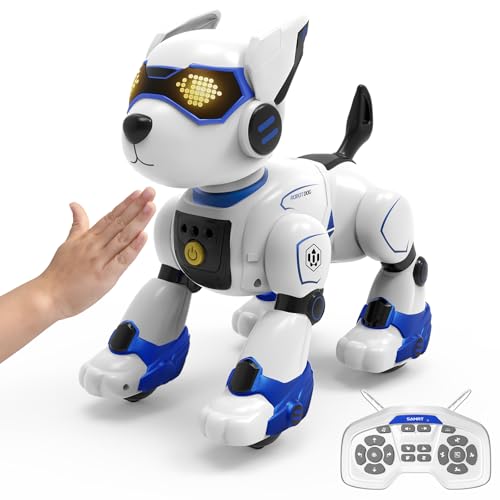
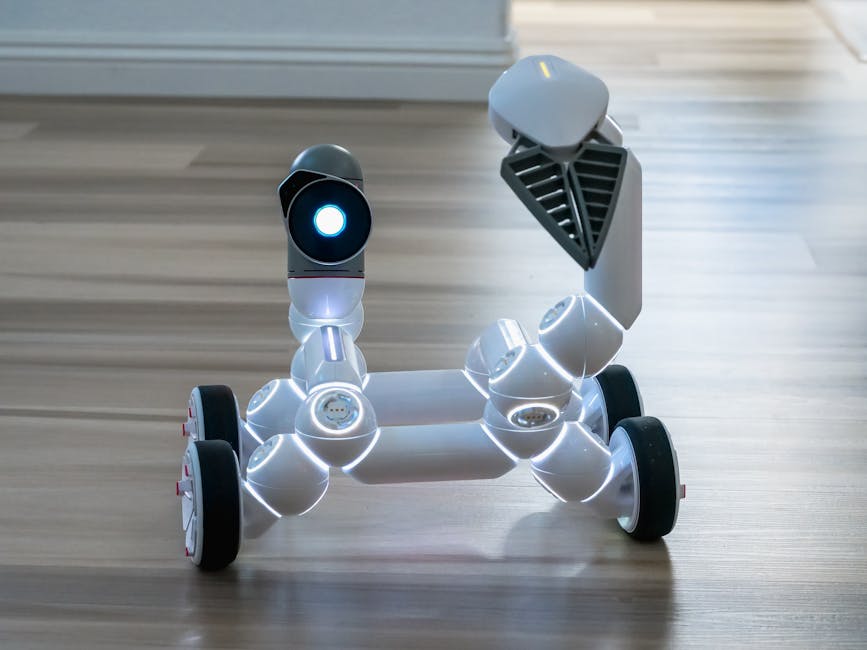
In today’s tech-driven world, STEM skills are in high demand. Educational toys like science kits, coding robots, and construction sets introduce your child to the worlds of science, technology, engineering, and mathematics. These toys spark curiosity and encourage experimentation, making complex concepts accessible and engaging.
Imagine your child building a simple circuit and seeing a light bulb illuminate. This hands-on experience demystifies abstract STEM concepts. It can inspire a lifelong passion for learning and innovation, paving the way for future careers.
Language And Literacy
Language development is crucial in a child’s early years. Educational toys like alphabet puzzles, storytelling kits, and interactive books can enhance vocabulary and comprehension. These toys encourage children to recognize letters, form words, and understand narratives, setting the stage for strong reading and writing skills.
Reading a storybook together can ignite your child's imagination and improve their ability to express ideas. With each page, they learn new words and sentence structures, which boosts their communication skills. Are you choosing toys that nurture your child’s language development?
Choosing educational toys over purely entertainment-focused ones can make a meaningful difference in your child's growth. Next time you're faced with a toy purchase, think about the skills you want your child to develop. Are you ready to invest in your child's future through play?
Entertainment Toys: Fun And Relaxation
Entertainment toys play a crucial role in children's lives. They offer moments of joy and relaxation. Unlike educational toys, entertainment toys focus on fun. They allow children to unwind. These toys encourage creativity. They foster social bonds. They even promote physical activity.
Imaginative Play
Entertainment toys boost creativity. They inspire children to imagine new worlds. Dolls and action figures are examples. Kids create stories with them. They build castles from blocks. These activities develop imagination. They also enhance problem-solving skills.
Social Interaction
Entertainment toys bring kids together. Board games and puzzles require teamwork. Children learn to communicate. They share ideas and strategies. Playing together builds friendships. It also teaches empathy and cooperation.
Physical Activity
Many entertainment toys promote movement. Balls and frisbees get kids active. They run, jump, and throw. These toys improve motor skills. They also boost physical fitness. Active play leads to healthier children. It also helps with coordination.
Benefits Of Educational Toys
Educational toys offer more than simple fun. They provide valuable learning experiences. These toys help in developing essential skills in children. They cater to various aspects of a child's growth. Let’s explore the benefits of educational toys.
Critical Thinking
Educational toys encourage critical thinking in children. They prompt kids to ask questions. They explore different solutions. This process enhances their understanding. Toys like puzzles make children think deeply. They plan their moves. They learn to predict outcomes. This boosts their analytical skills.
Problem-solving Abilities
Problem-solving is another key benefit of educational toys. These toys present challenges. Children must find ways to overcome them. They learn patience and perseverance. Building blocks and logic games are great examples. Kids figure out how to construct or solve. This enhances their ability to tackle real-world problems.
Creativity Enhancement
Educational toys also spark creativity. They encourage imaginative play. Art sets and building kits let kids express themselves. They create unique designs or stories. This nurtures their inventive thinking. It allows them to explore endless possibilities. Such activities boost their confidence too.
Benefits Of Entertainment Toys
Entertainment toys hold significant value for children. They offer much more than just fun. These toys play a vital role in emotional and social development. Understanding their benefits can help parents make informed choices.
Stress Relief
Entertainment toys can help reduce stress in kids. Children often face pressure from school and home. Playing with toys helps them relax. It provides a break from daily routines. Toys like soft dolls or action figures offer comfort. They give children a safe space to express feelings.
Motivation And Engagement
Entertainment toys keep kids engaged. They capture attention easily. Toys like building blocks or puzzles challenge young minds. They motivate kids to complete tasks. This encourages perseverance. Active play with toys boosts energy. It keeps children physically engaged.
Fostering Friendships
Playing with toys helps kids make friends. Board games and team sports promote social interaction. Kids learn to share and take turns. This builds important social skills. Playing in groups enhances communication. It encourages teamwork and understanding.
Choosing The Right Toys
Choosing the right toys for children can be challenging. Parents want toys that are fun and educational. Some toys are just for entertainment, while others help children learn. Finding the right balance between education and fun is key.
Age Appropriateness
Age appropriateness is vital when selecting toys. Younger children need simple, colorful toys. These toys should be easy to use and safe for little hands. Older children can enjoy complex toys that challenge their minds. Toys should match a child's age and abilities. This ensures the child is engaged and learning.
Balancing Education And Entertainment
Balancing education and entertainment in toys is important. Educational toys teach skills like problem-solving and creativity. Entertainment toys provide fun and relaxation. Mixing both types can enhance learning and play. A toy can be fun and educational at the same time. This balance keeps children interested and happy.
Safety Considerations
Safety is crucial when choosing toys. Toys should have no small parts that can cause choking. Materials should be non-toxic and durable. Check for sharp edges or loose pieces. Safe toys protect children from harm. Always read labels and follow age recommendations. A safe toy ensures worry-free playtime.

Credit: www.amazon.com
Impact On Child Development
The impact of toys on child development is a topic that fascinates many parents and educators. Educational toys and entertainment toys both play significant roles, but they affect development in different ways. How can you choose the right balance between fostering learning and ensuring fun?
Long-term Learning Outcomes
Educational toys are designed to teach specific skills or concepts. Whether it's a shape sorter for toddlers or a science kit for older kids, these toys provide opportunities for hands-on learning. They prepare children for school and beyond by building a solid foundation in math, language, and problem-solving.
On the other hand, entertainment toys focus more on immediate gratification. While they can be incredibly fun, they might not offer the same educational benefits. Do you want your child to learn as they play, or just pass the time?
Emotional And Social Growth
Both types of toys can help in emotional and social development, but in different ways. Educational toys often require sharing and collaboration, which builds social skills. When children play together with puzzles or building blocks, they learn to communicate and cooperate.
Entertainment toys, like action figures or dolls, encourage imaginative play. This can lead to emotional growth as children explore different roles and scenarios. It’s crucial to consider how each type of toy can contribute to your child's emotional intelligence.
Adaptability And Flexibility
Educational toys often have multiple uses and can grow with your child. A set of building blocks can teach everything from basic counting to complex engineering principles. This adaptability keeps children engaged and encourages flexible thinking.
Entertainment toys might not offer the same versatility. They can be more rigid in their use, which might limit creative thinking. Are you providing your child with toys that adapt to their growing curiosity?
Balancing educational and entertainment toys can lead to well-rounded development. The choice doesn't have to be one or the other. What matters is understanding the impact and making informed decisions for your child's growth.
Parental Involvement
Parents play a crucial role in choosing between educational and entertainment toys. Educational toys boost learning and skill development. Entertainment toys mainly provide fun and relaxation. Balancing both types can enrich a child's growth and enjoyment.
Parental InvolvementParental involvement is key when it comes to choosing between educational and entertainment toys. As a parent, your role is crucial in guiding how your child engages with these toys. Your involvement can turn any toy into a learning tool.
Guiding Playtime
Being present during playtime can significantly enhance the educational value of toys. When you participate, you can ask questions and encourage your child to think critically. This interaction not only boosts learning but also strengthens your bond. Imagine sitting with your child as they build a puzzle. You can suggest strategies and ask questions about shapes and colors, turning a simple toy into a lesson in problem-solving.
Encouraging Exploration
Children learn best when they are free to explore. Encourage your child to try new things with their toys. This can lead to exciting discoveries and a deeper understanding of the world. Let them mix and match pieces from different toy sets. This encourages creativity and innovation. Your encouragement can make them feel safe to experiment and learn from mistakes.
Setting Playtime Limits
While playtime is important, setting boundaries ensures a balanced routine. Limit the time spent on entertainment toys to prevent overstimulation. Encourage breaks for physical activity and other learning opportunities. Create a schedule that includes time for both educational and entertainment toys. This teaches your child time management and the importance of balancing fun with learning.
How do you balance educational and entertainment toys in your home? Your approach could make a big difference in your child's development.
Credit: www.walmart.com
Trends In Toy Industry
The toy industry constantly evolves, influenced by cultural shifts and technological advancements. Parents today seek toys that offer both education and entertainment. This demand has sparked significant trends, reshaping the landscape of toy design and production. These trends focus on integrating technology, promoting sustainability, and offering customization. Each trend reflects the diverse needs and values of modern families.
Tech-integrated Toys
Tech-integrated toys combine play with learning. These toys use technology to engage children in interactive experiences. Robotics kits teach coding through simple commands. Augmented reality games bring stories to life. Virtual reality headsets offer immersive educational adventures. Such toys captivate young minds while teaching valuable skills.
Sustainability And Eco-friendly Options
Parents increasingly prefer toys that are eco-friendly. Sustainable materials like bamboo and recycled plastic are now popular. Toy manufacturers focus on reducing waste and carbon footprints. Biodegradable packaging is becoming the norm. These efforts reflect growing environmental awareness among consumers.
Customization And Personalization
Children love toys that reflect their personalities. Customization allows kids to create unique versions of their toys. Personalized dolls can have clothes and accessories chosen by the child. Building sets with interchangeable parts encourage creativity. This trend makes playtime more engaging and personal.

Credit: www.walmart.com
Frequently Asked Questions
What Are Educational Toys?
Educational toys are designed to promote learning in children. They help develop cognitive skills, problem-solving abilities, and creativity. Examples include building blocks, puzzles, and science kits. These toys often focus on specific subjects like math, language, or science, making learning fun and interactive.
They cater to various age groups, enhancing age-appropriate skills.
How Do Entertainment Toys Differ?
Entertainment toys primarily aim to amuse and engage children. They focus on providing fun without specific educational goals. Examples include action figures, dolls, and video games. While they can stimulate imagination and play, they don't explicitly promote learning or skill development.
However, they play a role in nurturing creativity and relaxation.
Can Educational Toys Be Fun?
Yes, educational toys can be fun. Many are designed to engage children through interactive play. By incorporating elements of games and challenges, they make learning enjoyable. This blend of fun and education keeps children interested and motivated. Toys like science kits or interactive books make learning an exciting adventure.
Are Entertainment Toys Beneficial?
Entertainment toys offer benefits like enhancing creativity and imagination. They provide relaxation and can relieve stress. These toys encourage social interaction when children play together. While they don't focus on education, they play a crucial role in childhood development by fostering imaginative play and emotional expression.
Conclusion
Choosing between educational and entertainment toys matters. Both serve unique purposes. Educational toys build skills. Critical thinking. Problem-solving. Entertainment toys offer fun. Relaxation. Creativity. Balance is key. Mixing both types enriches playtime. Kids learn and grow. Parents should observe needs.
Interests. Select toys wisely. Encourage exploration. Learning through play is effective. Fun, too. Consider age and preferences. Play shapes development. Ultimately, the right toys foster growth. Happiness. This choice impacts childhood. Make it thoughtful.


