


Have you ever watched your cat stare out the window, eyes locked on a fluttering bird, or pounce on a toy with laser-like focus? These moments reveal an important truth: your feline friend thrives on mental stimulation.
But in a world filled with endless distractions and busy schedules, how do you ensure your cat gets the mental workout they crave? The answer might be simpler than you think—puzzle toys. As you explore this article, you'll uncover the surprising benefits these intriguing toys can offer your cat.
Not only do they keep your pet entertained, but they also enhance their cognitive skills and prevent boredom. Dive in and discover how puzzle toys can transform your cat's playtime, ensuring a happier and healthier life for your furry companion.
Benefits Of Puzzle Toys For Cats
Puzzle toys offer various benefits for cats. These toys provide mental and physical challenges. They can improve a cat's overall well-being. Let's explore how puzzle toys can help your feline friend.
Mental Stimulation
Cats need mental stimulation to stay sharp. Puzzle toys challenge their problem-solving skills. This keeps their minds active and alert. Engaging with these toys mimics hunting. It satisfies their natural instincts. This can prevent boredom and unwanted behaviors.
Physical Activity
Puzzle toys encourage physical movement. Cats must bat, pounce, or chase to solve puzzles. This helps them stay fit and healthy. Regular activity prevents obesity and related health issues. It also builds strength and agility. Active play is crucial for indoor cats.
Stress Reduction
Puzzle toys can reduce stress in cats. They offer a fun distraction from daily stressors. Engaging with toys can soothe anxiety. It provides a sense of accomplishment. A calm cat is a happy cat. This can lead to a more harmonious home.
Types Of Puzzle Toys
Cats enjoy puzzle toys for mental stimulation and physical activity. These toys challenge their hunting instincts and keep them engaged. Popular types include treat-dispensing puzzles and interactive boards, offering various difficulty levels.
Cats are naturally curious creatures, always on the hunt for their next adventure. Puzzle toys are more than just entertainment for your feline friend; they offer mental stimulation and can even improve their overall well-being. But what types of puzzle toys are best for your cat? Let's dive into some popular options that could keep your kitty engaged and happy.
Interactive Feeders
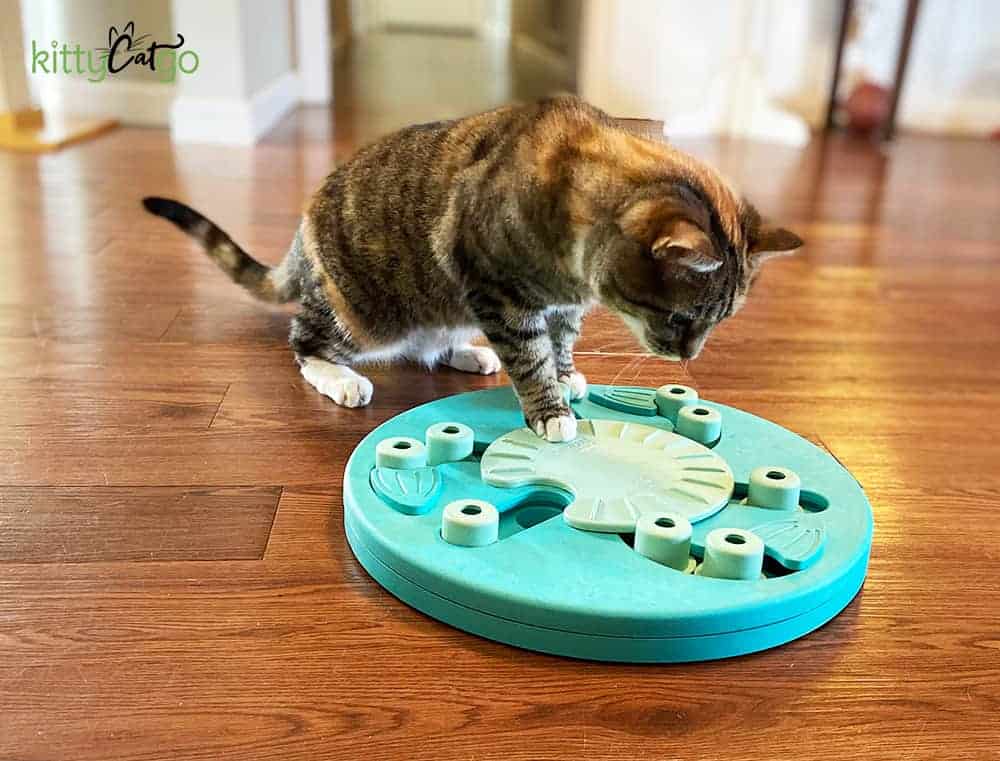
Interactive feeders challenge your cat to work for their food, turning mealtime into a fun game. These feeders often feature compartments or hidden areas where you can place your cat's kibble or treats. As your cat nudges, paws, or manipulates the feeder, they are rewarded with their favorite snacks. Consider a simple ball with a hole that dispenses treats as it rolls. This encourages physical activity and stimulates your cat's natural hunting instincts. Have you ever watched your cat try to outsmart an interactive feeder? It's a delightful spectacle!
Maze Toys
Maze toys offer an exciting way to engage your cat’s problem-solving skills. These toys feature intricate pathways where your cat must maneuver a ball or treat through a maze. The challenge is in the journey, as your cat learns to navigate the twists and turns. A popular choice is a simple flat maze board with a moving ball. Watching your cat strategize their next move can be quite entertaining. It’s like watching a tiny feline chess player in action!
Electronic Puzzle Games
Electronic puzzle games add a modern twist to traditional cat toys. These battery-operated gadgets can include moving parts, lights, and sounds that capture your cat's attention. They can be particularly useful for indoor cats that need extra stimulation. Imagine a toy that mimics the erratic movement of prey or emits a chirping sound. It can transform your living room into a thrilling hunting ground. Do you think your cat would enjoy the challenge of outsmarting a high-tech gadget? By incorporating a variety of puzzle toys into your cat's playtime, you offer them not just fun, but a way to exercise their mind and body. Which type of puzzle toy do you think your cat would love the most?
Choosing The Right Puzzle Toy
Cats benefit from puzzle toys, which stimulate their minds and prevent boredom. These toys offer mental challenges, keeping cats engaged and curious. Choosing the right puzzle toy enhances your cat's happiness and well-being.
Choosing the right puzzle toy for your cat can be rewarding. It ensures they stay engaged and stimulated. Every cat is unique, so consider their specific needs. Understanding factors like age, safety, and durability helps. These will guide you in making the best choice for your feline friend.
Age And Activity Level
A kitten has different needs than an adult cat. Younger cats have higher energy levels. They need toys that challenge them physically and mentally. Older cats may prefer simpler puzzles. Consider your cat's energy and play habits.
Safety Considerations
Safety should be a top priority. Check for small parts that might be swallowed. Ensure there are no sharp edges. Safe toys provide peace of mind. Always supervise playtime when introducing new toys.
Durability And Material
Choose toys made from sturdy materials. They should withstand your cat's play sessions. Avoid toys that wear out quickly. Quality materials ensure the toy lasts longer. Look for non-toxic options for your cat's health.
Credit: www.hachettebookgroup.com
Introducing Puzzle Toys To Cats
Introducing puzzle toys to cats can enrich their lives significantly. These toys stimulate their minds and satisfy natural instincts. Cats are curious by nature, and puzzle toys offer a playful challenge. They provide mental and physical exercise, which is essential for indoor cats. These toys can help reduce boredom and encourage problem-solving skills. Understanding how to introduce them is key for success.
Gradual Introduction
Start with simple toys to spark interest. Place the toy in a familiar spot. Let the cat explore it at their own pace. Avoid overwhelming them with complex puzzles initially. Gradually increase the difficulty level as they gain confidence. Observe how they interact with the toy. Adjust based on their comfort and interest.
Positive Reinforcement
Use treats to encourage interaction with the toy. Praise them when they show interest. Offer small rewards for solving parts of the puzzle. This makes the experience enjoyable and rewarding. It builds a positive association with the toy. Cats learn quickly when rewarded for their actions. Consistency is key to reinforcing behavior.
Monitoring Playtime
Supervise playtime to ensure safety. Check for signs of frustration or boredom. Some cats may need help to solve puzzles. Offer guidance without taking over the game. Ensure the toy is safe and free from small parts. Monitor wear and tear to prevent accidents. Regularly check that the toy is in good condition.
Diy Puzzle Toys For Cats
Cats benefit from puzzle toys that stimulate their minds and prevent boredom. These toys challenge their problem-solving skills and keep them active. Engaging in mental activities can improve their overall well-being and reduce stress.
Cats are naturally curious and playful creatures, and puzzle toys can be a great way to satisfy their intellectual and physical needs. But you don't always have to buy fancy toys from the store. Creating DIY puzzle toys for your cat can be an exciting and rewarding experience, allowing you to tailor the toys to your feline friend's unique preferences. Not only does this save money, but it also offers a personal touch and a fun project to engage in. Let's delve into some simple ideas to kickstart your DIY journey.
Simple Homemade Ideas
Creating homemade puzzle toys doesn't have to be complicated. Start with something as simple as a cardboard box. Cut holes in it and hide treats inside. Your cat will love the challenge of fishing them out. Egg cartons can also be transformed into puzzle toys. Place small toys or treats in each section and watch your cat figure out how to retrieve them. These basic ideas require minimal effort yet provide maximum fun for your pet.
Using Household Items
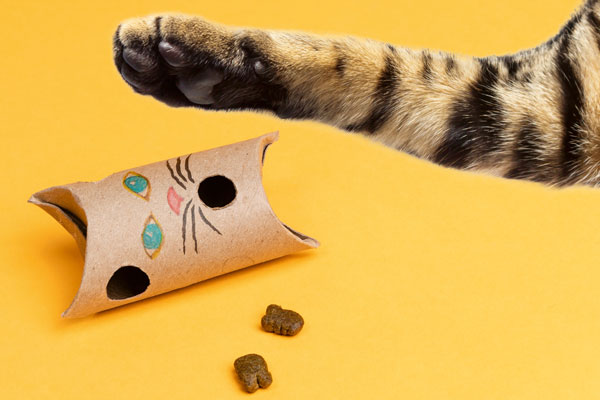
Look around your home, and you'll find plenty of items that can be repurposed into engaging puzzle toys. Toilet paper rolls, for instance, can be used to create treat dispensers. Seal one end, place a treat inside, and watch your cat try to get it out. Old socks can be stuffed with crinkly paper or catnip. Tie the end and toss it to your cat for hours of entertainment. These everyday items, often overlooked, can become part of your cat's playtime arsenal.
Customizing For Preferences
Each cat has its own personality and play style. Observe what your cat enjoys—whether it's chasing, pouncing, or batting. Customize puzzle toys accordingly. If your cat loves batting things around, create a toy with dangling strings. For cats that like digging, design a puzzle that requires them to paw through layers to find treats. Consider your cat's habits and tailor toys to match their specific interests. How can you make playtime more engaging for your cat? DIY puzzle toys are not just about saving money; they're about creating something unique for your pet. By using simple materials and focusing on your cat’s preferences, you can craft toys that are both stimulating and enjoyable.

Credit: www.amazon.com
Common Challenges And Solutions
Many cat owners are intrigued by the idea of puzzle toys for their feline companions. While these toys can be beneficial, they often come with their own set of challenges. Understanding these common hurdles and how to overcome them can ensure your cat enjoys and benefits from puzzle toys.
Lack Of Interest
Ever bought a toy, only to have your cat ignore it completely? It's a common scenario. Cats are known for their unpredictable preferences, and a puzzle toy might not catch their interest right away.
One way to spark curiosity is by introducing the toy during playtime. You can engage your cat by placing treats inside the puzzle. This can create an association between the toy and rewards. Rotate toys regularly to keep things fresh. Observing your cat's behavior can help you tailor the selection to their unique tastes.
Overcoming Frustration
Imagine your cat struggling with a puzzle, unable to retrieve the treat, and walking away in frustration. It’s important to ensure that the toy doesn’t become a source of stress for your pet.
Start with simple puzzles. Gradually increase the complexity as your cat becomes more adept. Celebrate small victories by rewarding your cat when they succeed. Your encouragement can make the experience more positive.
Is your cat showing signs of frustration? Take a break and try again later. Sometimes, patience is the best solution.
Adjusting Difficulty Levels
Finding the right balance in puzzle difficulty can be challenging. Too easy, and your cat loses interest. Too hard, and it becomes frustrating.
Begin with toys that require simple actions. As your cat masters these, introduce toys that require more complex problem-solving. You can adjust the difficulty by changing the type or number of treats. Observe your cat’s responses and make adjustments accordingly.
Have you ever wondered if your cat enjoys the challenge? Pay attention to their engagement level. Their reaction can guide you in tweaking the difficulty appropriately.
By addressing these common challenges, you can help your cat get the most out of their puzzle toys. Remember, it's about finding what works best for your furry friend and making the experience enjoyable and rewarding for both of you.
Long-term Benefits Of Puzzle Play
Engaging your cat with puzzle toys offers long-term benefits. These toys do more than entertain. They stimulate your cat's mind. They also promote physical health. Puzzle toys provide mental challenges. Over time, these challenges enhance intelligence and improve bonding. They also contribute to overall health improvement. Let's explore these benefits in detail.
Enhanced Intelligence
Puzzle toys boost your cat's brainpower. They encourage problem-solving skills. Cats learn to think and react. This mental exercise sharpens their intelligence. A smarter cat is more adaptable. They handle new situations with ease. Puzzle toys keep your cat's brain active. This prevents cognitive decline as they age.
Improved Bonding
Playing with puzzle toys strengthens your bond with your cat. Shared playtime builds trust. It creates positive experiences together. You both enjoy each other's company. Your cat becomes more affectionate. They feel more secure around you. This leads to a happier, more connected relationship.
Overall Health Improvement
Puzzle toys also improve your cat's physical health. These toys require movement. Movement keeps your cat active. Active cats maintain a healthy weight. They have better muscle tone. Physical activity reduces stress and anxiety. It also keeps your cat's body in top shape. Healthier cats live longer, happier lives.
Credit: kittycatgo.com
Frequently Asked Questions
Why Are Puzzle Toys Good For Cats?
Puzzle toys stimulate a cat's brain, keeping them entertained and mentally active. They mimic hunting, engaging their natural instincts. Such toys can prevent boredom, reduce anxiety, and help with weight management. They also improve a cat's problem-solving skills, ensuring a healthier and happier life.
How Do Puzzle Toys Benefit Indoor Cats?
Indoor cats often lack stimulation, leading to boredom. Puzzle toys provide the necessary mental and physical engagement. They encourage active play, reduce stress, and improve overall well-being. These toys also help maintain a healthy weight by promoting exercise and preventing overeating.
Can Puzzle Toys Help With Cat Behavior Issues?
Yes, puzzle toys can address various behavioral problems. They reduce anxiety, prevent destructive behavior, and curb excessive meowing. By keeping cats engaged, they minimize negative behaviors. Puzzle toys also offer a constructive outlet for energy, promoting a calm and balanced demeanor.
What Types Of Puzzle Toys Do Cats Enjoy?
Cats enjoy various puzzle toys, including treat dispensers, interactive feeders, and maze toys. These toys stimulate their senses and challenge their problem-solving skills. Choose toys that match your cat's interest and difficulty level. Rotating different toys keeps the experience fresh and exciting.
Conclusion
Cats enjoy mental challenges with puzzle toys. These toys boost brain activity. They also help reduce boredom and stress. Giving cats puzzle toys can enhance their well-being. It's a fun way to keep them active. Plus, it helps prevent behavioral issues.
These toys suit cats of all ages. Choose the right one for your feline friend. Consider their size and interests. A happy cat is a healthy cat. Puzzle toys are a simple choice. They make playtime engaging. And they nurture your cat’s curiosity.
Try them today for your cat's joy.


