
Are you wondering if you can toss those sticky, germ-ridden plastic baby toys into your clothes washer? You're not alone.
As a busy parent, your time is precious, and cleaning every toy by hand can feel overwhelming. Imagine a quicker, easier way to keep those toys spotless and safe for your little one. This article will explore whether your trusty clothes washer could be the unlikely hero in your battle against germs.
Discover the surprising truth and see how this simple solution might just change your cleaning routine forever. Keep reading to find out more!

Credit: www.amazon.com
Safety Considerations
Cleaning plastic baby toys in clothes washers requires careful attention to safety. Ensure toys are durable and washer-safe. Use gentle cycles and mild detergents to avoid damage.
Cleaning your baby's toys is crucial for maintaining a healthy environment. As a parent, you might wonder if using a clothes washer to clean plastic baby toys is safe. Let's dive into some safety considerations to help you make an informed decision.
Material Compatibility
Not all plastic toys are created equal. Some might withstand the washer's rigors, while others could warp or lose color. Before tossing them in, check if the toy is labeled as dishwasher-safe. This can be a good indicator of its durability. If you’re unsure, test with a toy you’re willing to risk. You might be surprised at how resilient some are!
Potential Hazards
Putting plastic toys in a washer isn’t without risks. Loose parts could detach and pose a choking hazard, especially for younger children. Inspect toys for any small or delicate pieces before washing. If the toy has electronic components, water exposure can ruin them. Use a mesh laundry bag to minimize movement and protect the toys during the wash cycle. Consider the detergent you use. Select mild, non-toxic options that won’t leave harmful residues. After washing, double-check that all toys are intact and safe for play. Safety is about weighing the risks and benefits. Would you rather hand wash a few toys than risk damaging them? It’s a personal choice that depends on your priorities and the toys involved. Your experience may vary, but experimenting with one or two toys can provide valuable insights. What works for one toy might not work for another, so stay attentive and cautious.
Types Of Baby Toys Suitable For Washing
Plastic baby toys can often be cleaned in clothes washers, ensuring hygiene and safety. Use a gentle cycle and mild detergent to avoid damage. Always check the manufacturer's instructions for best results.
When it comes to maintaining a clean and safe environment for your baby, washing their toys is crucial. But did you know that your clothes washer can be a helpful ally in this task? Not all toys are suitable for machine washing, but many can be cleaned effectively. Let’s explore the types of baby toys that can safely tumble in your washer without causing any damage.
Durable Plastic Toys
Durable plastic toys are the perfect candidates for a clothes washer. These toys are typically made from tough materials that can withstand the agitation and water pressure of a wash cycle. Think about those sturdy building blocks or robust action figures your child loves. Before tossing them in, ensure there are no loose parts or stickers that might peel off. Consider placing them in a mesh laundry bag to prevent any small pieces from getting lost. Always use a gentle cycle with cold water to keep them in top shape. Have you ever tried this method and noticed how sparkling clean the toys come out? It’s a simple yet effective trick that saves time and effort.
Non-electronic Toys
Non-electronic toys are another excellent option for machine washing. This includes items like plastic rattles, stackable cups, or bath toys. The absence of batteries and electronic components makes them perfectly safe for a water-filled environment. Before washing, double-check for any openings that might trap water, which could lead to mold. A quick wash and thorough drying are essential to maintain hygiene. Some parents even find that using the washer for these toys makes cleaning a breeze, especially when juggling a busy schedule. Imagine the relief of knowing your little one’s favorite toys are germ-free and ready for playtime. By choosing the right types of toys for machine washing, you can efficiently manage toy cleaning without hassle. What toys have you washed in your machine, and how did it turn out? Share your experiences and tips in the comments below!
Preparation Steps
Cleaning plastic baby toys in a clothes washer can be efficient. Proper preparation ensures safety and effectiveness. Follow these steps for best results. Inspect toys, take pre-cleaning measures, and organize them for washing.
Inspecting Toys
Check each toy for damage. Cracks or tears can worsen in the washer. Ensure batteries and electronic parts are removed. Inspect for loose parts that might detach during washing.
Pre-cleaning Measures
Wipe toys with a damp cloth to remove surface grime. Use a mild detergent solution for stubborn dirt. Rinse toys thoroughly to avoid soap residue. This step helps prevent washer clogs and ensures a thorough clean.
Washing Machine Settings
Many clothes washers can safely clean plastic baby toys. Use a gentle cycle with warm water. Add mild detergent for best results.
When it comes to cleaning plastic baby toys, many parents wonder if their washing machine can do the job. The answer is yes, it can, but it’s all about using the right washing machine settings. By understanding how to adjust the settings, you can ensure that the toys come out clean without any damage. This approach saves you time and effort, making toy cleaning a breeze.
Gentle Cycle Options
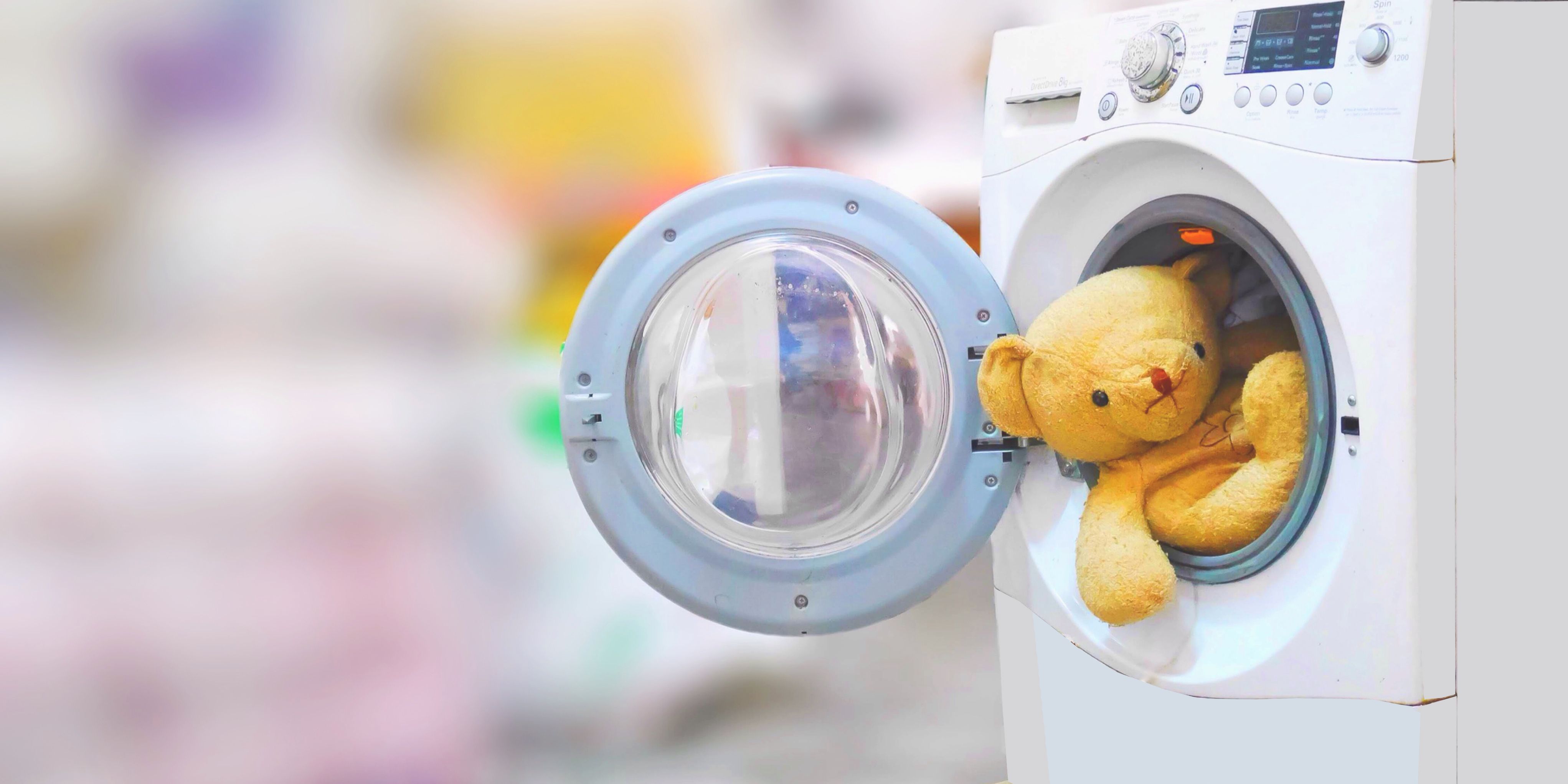
The gentle cycle is your best friend when washing plastic toys. This setting uses slower spin speeds and less agitation, which prevents toys from getting scratched or damaged. It's similar to how you would wash delicate clothing items. So next time, toss those plastic blocks or rattles into the machine without worry. Just remember to place them in a mesh laundry bag to avoid any mishaps.
Temperature Control
Temperature control plays a crucial role in the washing process. Warm water effectively cleans toys by killing germs and loosening dirt. However, avoid hot water as it can warp or melt delicate plastics. If your machine has a cold wash setting with sanitizing options, that’s even better. It offers a balance between cleanliness and safety for those colorful toys. Have you ever thought about how simple changes in your washing machine settings can make toy cleaning so efficient? Adjusting the gentle cycle and temperature settings not only preserves the toys but also gives you peace of mind. What settings have you found effective for cleaning in your household? Share your experience and let’s make the process even simpler!
Using Detergents Safely
Cleaning plastic baby toys can be a daunting task. You want to ensure every toy is squeaky clean without compromising your child's safety. Using clothes washers is a convenient option, but you need to be cautious about the detergents you use. Choosing the right detergent can make all the difference in maintaining both hygiene and safety.
Child-friendly Detergents
When considering detergents, your child's safety should be your priority. Many detergents contain harsh chemicals that could be harmful. Look for detergents specifically labeled as child-friendly or hypoallergenic. They are designed to be gentle on sensitive skin.
Have you ever noticed how your baby's skin reacts to different products? Opting for a detergent that is free from dyes and fragrances can prevent skin irritation. Brands like Dreft and Babyganics are popular choices among parents for their gentle formulas.
Avoiding Harmful Chemicals
It's crucial to avoid detergents with harmful chemicals, such as bleach and ammonia. These substances can leave residues that might be ingested by your child during playtime. Always check the ingredient list on the detergent package.
Consider using natural alternatives like baking soda or vinegar for cleaning. They are effective at removing dirt and are safe for your baby. Why not try a small batch test to ensure these natural solutions work for your toys?
Have you ever wondered how many chemicals are lurking in everyday products? By choosing safer detergents, you are not just protecting your child's health but also contributing to a cleaner environment. What steps will you take to ensure your child's safety during playtime?
Credit: www.goodhousekeeping.com
Post-wash Care
After washing plastic baby toys in a clothes washer, proper care is essential. This ensures toys stay clean, safe, and ready for play. Post-wash care includes drying and sanitizing, which are crucial steps. These steps prevent mold and bacteria growth. Proper techniques keep toys in excellent condition.
Drying Methods
Air drying is a simple method. Spread toys on a clean towel. Ensure toys are in a sunny spot. Sunlight aids in drying and acts as a natural disinfectant. For quicker results, use a fan. Position the fan near the toys. This helps speed up the drying process.
A drying rack is another option. Place toys on the rack with space between them. This allows air circulation and ensures thorough drying. Avoid using a clothes dryer. Heat can damage plastic toys.
Sanitizing Techniques
Sanitizing toys adds an extra layer of cleanliness. Use a mild bleach solution for effective sanitizing. Mix one tablespoon of bleach with one gallon of water. Wipe toys with a clean cloth dipped in the solution. Rinse toys thoroughly to remove bleach residue.
Vinegar is a natural alternative. Mix equal parts of vinegar and water in a spray bottle. Spray toys lightly and let them sit for a few minutes. Rinse toys with water afterward. This method is eco-friendly and safe.
Always check toy labels for specific cleaning instructions. Some toys may need special care. Proper sanitizing keeps toys germ-free and safe for children.
Alternatives To Washing Machines
Many parents wonder if clothes washers can clean plastic baby toys. Using a washing machine for this task may seem convenient. But there are safer and more effective methods. Let's explore some alternatives to washing machines.
Handwashing Techniques
Handwashing plastic toys is a gentle option. Fill a basin with warm water and mild soap. Immerse the toys and scrub with a soft brush. Pay attention to crevices where dirt can hide. Rinse thoroughly under running water. Dry the toys with a clean cloth or air dry.
Using A Dishwasher
Dishwashers can clean plastic toys effectively. Place toys on the top rack to avoid heat damage. Use a gentle detergent and select a low heat setting. Avoid using the drying cycle, as heat may warp toys. Once the wash is complete, allow toys to air dry. This method is quick and requires minimal effort.
Credit: www.lysol.com
Frequently Asked Questions
Can You Wash Plastic Toys In A Clothes Washer?
Yes, you can wash plastic toys in a clothes washer. Use a mesh laundry bag to protect them. Choose a gentle cycle with cold water. Avoid using harsh detergents or bleach. Always check the toy's label for washing instructions. Dry the toys thoroughly after washing to prevent mold growth.
Are Detergents Safe For Plastic Baby Toys?
Mild detergents are generally safe for plastic baby toys. Avoid harsh chemicals and bleach. These can degrade the plastic and harm your baby. Always rinse toys thoroughly after washing to remove any detergent residue. Consider using a baby-safe detergent for added peace of mind.
How To Wash Small Plastic Toys Safely?
Place small plastic toys in a mesh laundry bag. Use a gentle wash cycle and mild detergent. Ensure the water temperature is cold to prevent damage. After washing, dry the toys thoroughly with a clean towel. This method helps keep toys clean without causing wear.
Should You Air Dry Plastic Toys After Washing?
Yes, air drying plastic toys is recommended. It prevents heat damage from dryers and reduces the risk of mold. Lay toys on a clean, dry towel. Ensure all moisture is removed before returning them to your child's play area.
Conclusion
Washing plastic baby toys in a clothes washer can be convenient. It's important to check the toys' durability first. Make sure they are dishwasher safe. Use a gentle cycle with cold water. This prevents damage to the toys. Avoid using harsh detergents.
Mild soap works best. Always inspect the toys for any small parts. Broken pieces can be a choking hazard. Air dry the toys completely. This prevents mold growth. Regular washing keeps toys clean. Your child stays healthier. Prioritize safety and cleanliness for your baby.
Happy parenting!