
Are your child's toys taking over your living room, or is your prized action figure collection gathering dust in a corner? It's time to find the perfect solution.
Storing your toy collection efficiently not only keeps your space tidy but also ensures your treasures stay in pristine condition. Imagine walking into a room where every toy has its place, and you can effortlessly find exactly what you're looking for.
In this guide, you'll discover practical tips and clever hacks to organize your collection, making both your home and your mind feel refreshed. Ready to transform your chaos into calm? Let's dive in and unlock the secrets to smart toy storage!
Choosing The Right Storage Space
Selecting the ideal storage space for toy collections can keep them safe and organized. Opt for shelves or bins that provide easy access and protect from dust. Utilize clear containers to quickly find favorite pieces without hassle.
Choosing the right storage space for your toy collection is crucial to maintaining its value and appearance. Whether you're a seasoned collector or just starting, finding the perfect spot can make all the difference. Consider the environment where your toys will live, as it plays a significant role in their preservation.
Temperature And Humidity Control
Temperature and humidity can significantly affect the condition of your toy collection. High temperatures may cause plastic to warp, while excessive humidity can lead to mold. Aim to store your toys in a room with a stable temperature and humidity level, like a climate-controlled basement or a spare room. If you live in an area with extreme weather fluctuations, consider investing in a dehumidifier or a portable air conditioner. These tools can help maintain a consistent environment for your treasures. Remember, your toys are like silent storytellers of the past—protect them with care.
Avoiding Direct Sunlight
Direct sunlight is a silent enemy for toy collectors. It can cause colors to fade and materials to degrade over time. Ensure your storage space is away from windows or use blinds to control the light exposure. Have you ever noticed how a favorite toy left on a windowsill becomes a different shade? That's the sun's doing. Use opaque storage bins or cover shelves with curtains to keep your collection safe. Choosing the right storage space is not just about finding a place to put things away. It's about creating a protective environment for your beloved collection. What steps will you take to safeguard your toy memories?
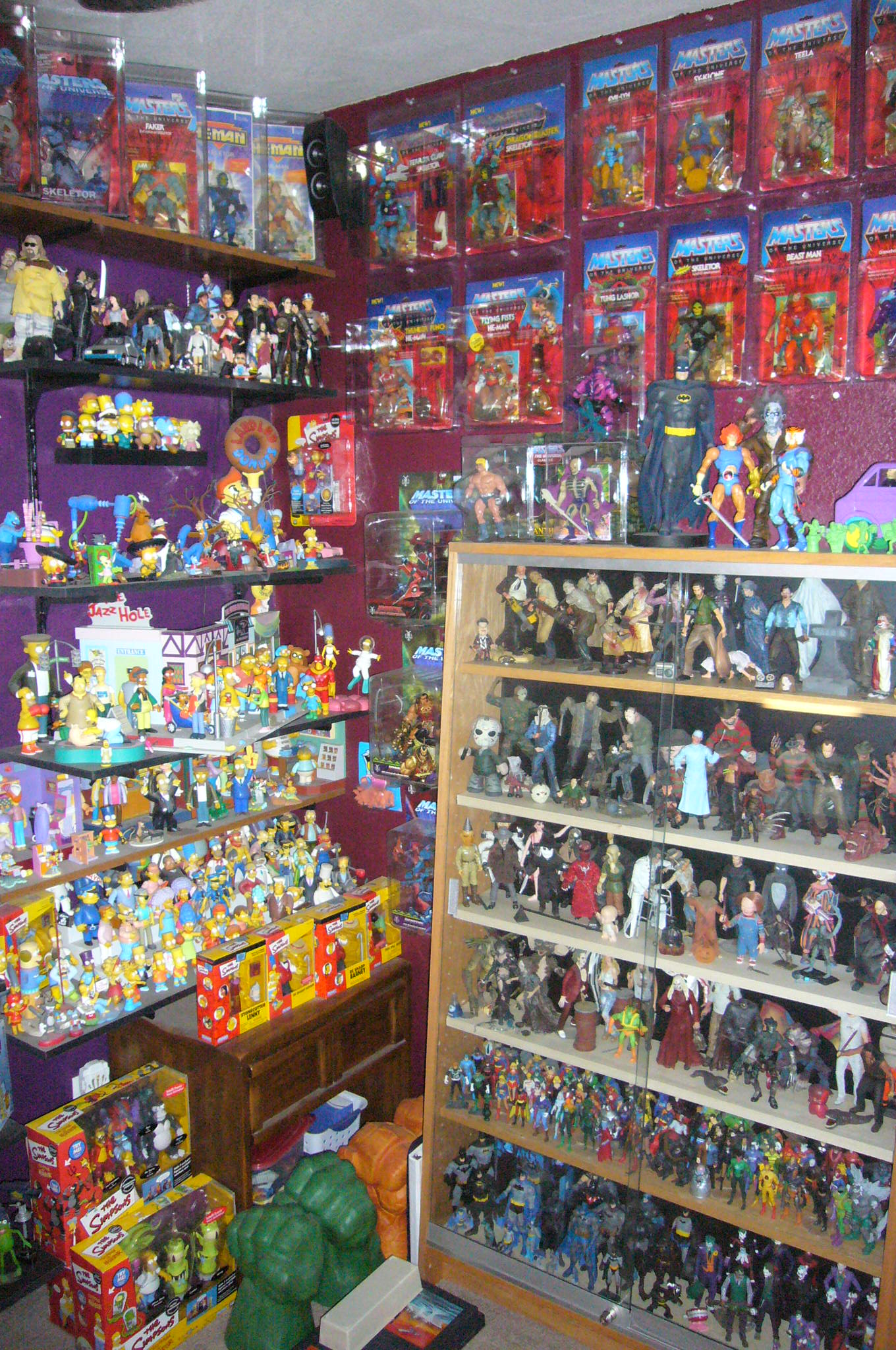
Credit: www.dm.af.mil
Organizing Toys By Category
Organizing toys by category makes tidying easy and fun. It helps kids find their favorite toys quickly. Categorization also keeps the play area neat and inviting. A well-organized toy collection inspires creativity. It also teaches kids responsibility. Let's explore some methods.
Sorting By Material
Start by sorting toys based on their material. Wooden toys, for instance, can go in one bin. Plush toys in another. This prevents damage and keeps toys in good condition. Plastic toys can be grouped together as well. Use clear bins for easy identification.
Grouping By Size And Shape
Next, consider grouping toys by size and shape. Small toys fit well in smaller bins. Larger toys need more space. Shapes matter too. Round toys may roll and get lost. Use shelves or boxes that fit the toy's dimensions. This keeps everything organized and accessible.
Protective Packaging Solutions
Storing your toy collection properly ensures longevity and maintains value. Protective packaging solutions play a crucial role in preserving these treasured items. Using the right packaging materials prevents damage and deterioration over time. Let's explore some effective methods to safeguard your toys.
Using Acid-free Boxes
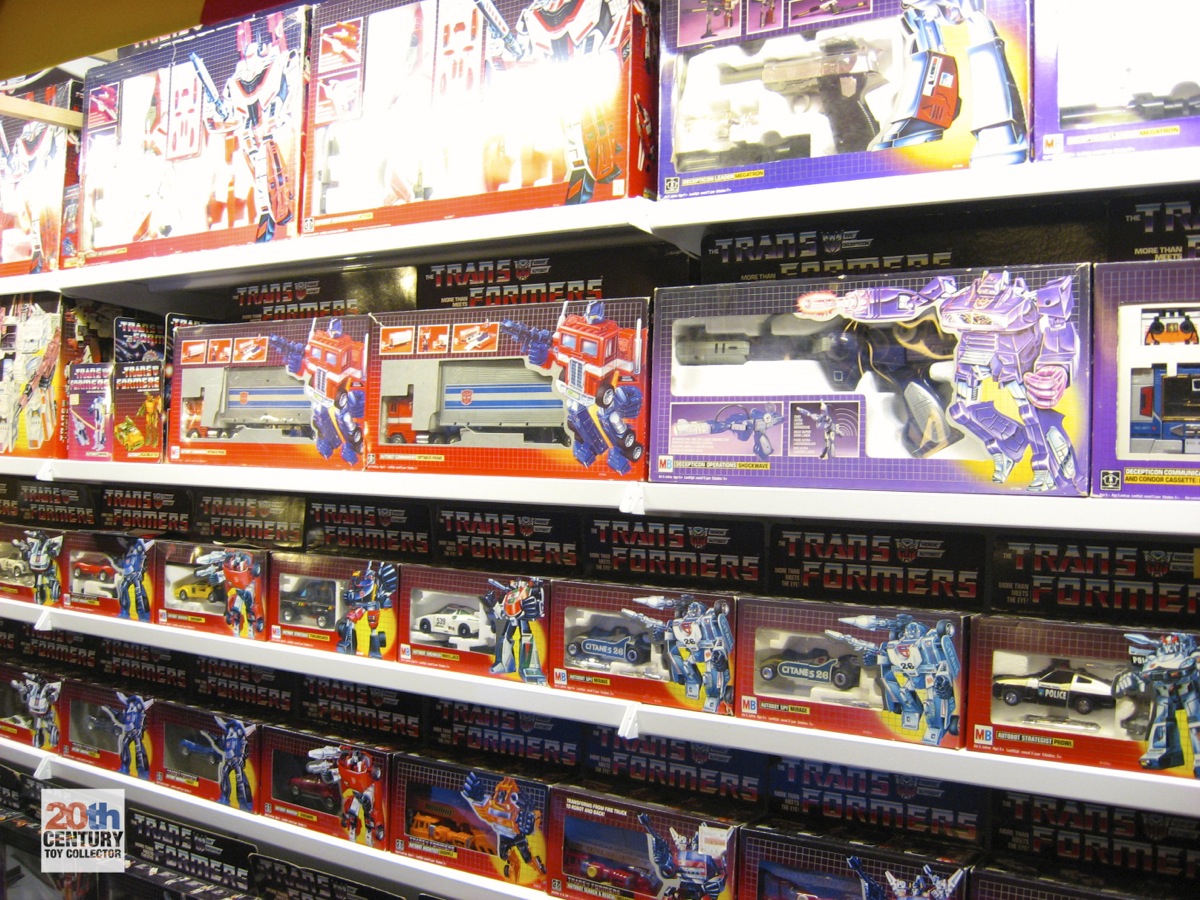
Acid-free boxes are ideal for toy storage. They prevent chemical reactions that can damage toys. These boxes protect toys from yellowing or fading. Choose boxes that fit your toy collection size. Ensure they have sturdy construction for durability. Store them in a cool, dry place for best results.
Bubble Wrap And Padding
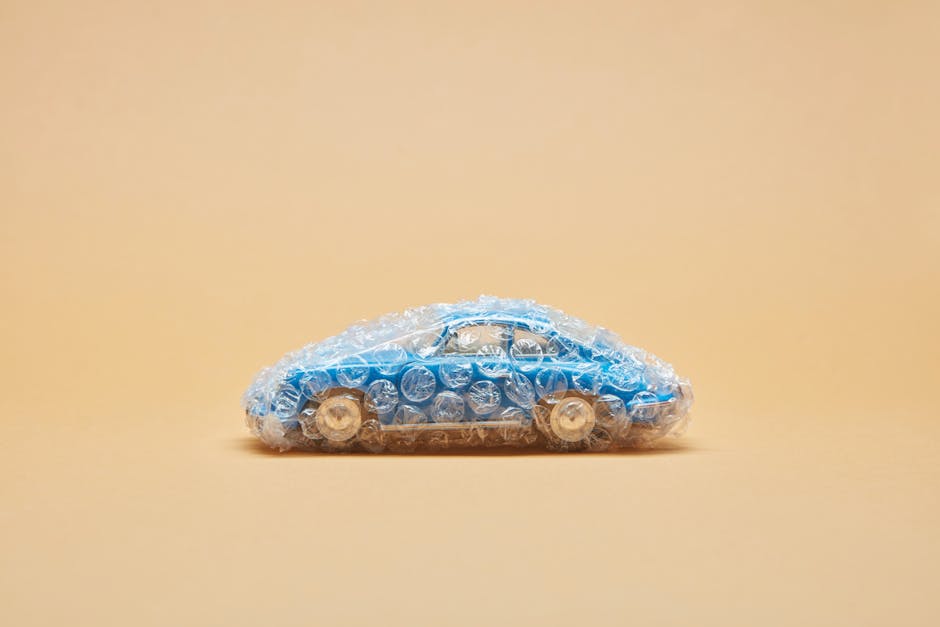
Bubble wrap offers excellent cushioning for toys. It absorbs shocks and prevents scratches. Wrap each toy individually for maximum protection. Use padding between toys to avoid contact damage. Choose high-quality bubble wrap for long-lasting coverage. Secure the wrap with tape to keep it in place.
Credit: 20thcenturytoycollector.com
Avoiding Common Storage Mistakes
Properly storing a toy collection prevents damage and clutter. Use clear bins to see toys easily. Keep them in a cool, dry place to maintain their condition.
Storing your toy collection the right way is essential. It preserves the value and condition of your cherished items. Avoiding common storage mistakes ensures your toys remain in top shape. Many collectors make errors that lead to damage or loss. Let’s explore how to avoid these pitfalls.
Preventing Dust Accumulation
Dust is a toy collector's enemy. It dulls colors and damages materials. Use airtight containers to keep dust away. Plastic bins with lids work well. Label each bin for easy access. Regularly wipe shelves with a damp cloth. Avoid using harsh chemicals that can harm toys. Display cases with doors offer extra protection.
Keeping Away From Pests
Pests can ruin your toy collection. Mice and insects chew through packaging. Store toys in sealed plastic containers. Avoid cardboard boxes; they attract pests. Use natural repellents like cedar blocks. These keep pests at bay without chemicals. Regularly check storage areas for signs of pests. Prompt action prevents damage. Clean and vacuum storage areas often. A clean space is less appealing to pests. Proper storage keeps your toys safe and sound. Avoid these mistakes to enjoy your collection for years.
Regular Maintenance And Inspection
Regular upkeep is key to preserving a toy collection. Inspect each item for damage or dust buildup. Ensure proper storage conditions to maintain their value and appearance.
Storing your toy collection isn't just about finding a space for it—it's about preserving the value and memories these toys hold. Regular maintenance and inspection are key to ensuring your collection remains in pristine condition. This involves a thoughtful approach to cleaning, monitoring, and addressing any damage before it becomes a bigger issue. By dedicating time to these tasks, you protect your toys from wear and tear and keep them looking their best for years to come.
Cleaning And Dusting Routine
Dust can be a toy collector's worst enemy. It settles into crevices, dulls colors, and can even cause long-term damage. Establish a regular cleaning routine. Use a soft brush or microfiber cloth to gently wipe away dust from your toys. Have you ever noticed how much brighter a toy looks after a good cleaning? It's almost like rediscovering it all over again. For plastic toys, a damp cloth can work wonders. Just be sure not to soak them. If your toys have intricate details, consider using a can of compressed air to blow away the dust from tight spots.
Monitoring For Damage
A regular inspection schedule is crucial. Look closely at your toys for any signs of damage like cracks, fading, or loose parts. Does a particular toy seem to be deteriorating faster than others? This could indicate a need for more frequent checks. If you spot any issues, address them immediately. Glue can fix minor cracks, while repainting can revive faded areas. Make it a habit to check for damage at least once a month. This keeps your collection looking fresh and prevents small issues from becoming major problems. By maintaining a regular cleaning and inspection schedule, you ensure your toy collection remains a source of joy and nostalgia. What steps will you take today to preserve your treasures?
Digital Cataloging For Easy Access
Organize your toy collection effortlessly through digital cataloging. Photograph each toy and store its details online. Access your entire collection anytime with just a few clicks.
Storing a toy collection can be a challenge, especially when you want easy access to each item. Digital cataloging offers an efficient solution to this problem. By maintaining a digital inventory, you can keep track of your toys without sifting through boxes or shelves. This method ensures you know exactly what you have and where it is stored, making your collection more manageable and enjoyable.
Creating A Digital Inventory
Begin by photographing each toy in your collection. Use a clear, consistent background to highlight the details. Consider using a smartphone or a digital camera for the best results. Next, organize these images in a dedicated folder on your computer or cloud storage. Name each file descriptively, including the toy's name, brand, and any unique features. Create a spreadsheet to accompany your images. Include columns for the toy's name, description, condition, purchase date, and location. This simple step allows you to track your collection over time.
Utilizing Storage Apps
Many apps are designed to help manage collections. Research which one suits your needs best. Apps like Sortly or MyStuff2 offer functionalities like barcode scanning and cloud syncing. Once you've chosen an app, start by inputting your toy data. These apps often allow you to add photos, notes, and even purchase details directly within the app. Regularly update the app as you acquire new toys or reorganize your storage. This practice keeps your digital catalog current and accurate. Have you ever forgotten where you stored your favorite toy? With a digital catalog, you can quickly locate any item without hassle. By investing a little time in setting up your digital inventory, you'll save countless hours in the future. Plus, it's a fun way to engage with your collection, ensuring each piece gets the attention it deserves.
Long-term Preservation Techniques
To keep your toy collection safe, use airtight containers to prevent dust and moisture. Store them in a cool, dry place away from direct sunlight. This helps maintain their condition and value over time.
Preserving your toy collection for the long haul can be both a rewarding and daunting task. Whether you're safeguarding a family heirloom or an investment piece, understanding the right techniques can make all the difference. Proper storage not only maintains the toy's value but also ensures future generations can enjoy them.
Considerations For Rare Toys
Rare toys often require special attention due to their unique materials or limited availability. Consider the environmental factors in your storage space. Are there fluctuations in temperature or exposure to direct sunlight? These can cause fading or material degradation. Using acid-free tissue paper can help protect delicate surfaces. If your rare toy has moveable parts, ensure they're not under stress during storage. Avoid stacking heavy items on top, which could cause damage.
Using Desiccants And Humidity Packs
Moisture is the enemy of long-term toy preservation. Desiccants and humidity packs can help maintain a stable environment in your storage area. These are particularly useful if you live in a humid climate. Place desiccants in airtight containers with your toys to absorb excess moisture. Humidity packs are great for maintaining consistent humidity levels. Regularly check these tools to ensure they're still effective. Have you ever opened a box to find a cherished toy damaged by mold or rust? These simple additions to your storage can prevent that heartbreak. By considering these techniques, you're not just storing toys; you're preserving memories and investments. How will you ensure your collection stands the test of time?

Credit: www.dm.af.mil
Frequently Asked Questions
How To Organize Toy Collection Efficiently?
Organizing toys efficiently involves categorizing them by type, size, or theme. Utilize bins and labels for easy identification. Regularly declutter to keep the collection manageable. This approach saves space and ensures easy access to toys, making playtime more enjoyable.
What Are The Best Storage Solutions For Toys?
Consider using clear bins, shelving units, and stackable containers. These options maximize space and maintain order. Clear bins allow visibility, while shelves provide easy access. Stackable containers help utilize vertical space effectively. Choose solutions that fit your space and collection size.
How To Protect Toy Collection From Damage?
Protect your toys by storing them in climate-controlled areas to prevent damage from humidity and temperature fluctuations. Use dust covers or containers to keep toys clean. Handle toys with care, avoiding direct sunlight and extreme conditions that could lead to deterioration.
Can Storing Toys Impact Their Value?
Yes, improper storage can decrease toy value. Damage from moisture, light, or physical impact can reduce collectibility. Maintain toys in pristine condition by storing them in controlled environments. Proper storage enhances longevity and potentially increases their market value.
Conclusion
Storing your toy collection can be simple and fun. Think about space and organization. Use shelves, boxes, or bags to keep toys neat. Label each container for easy finding. Rotate toys to keep your collection fresh. Protect valuable items from dust and sunlight.
Regularly clean and check for any damage. Involve family in organizing for shared enjoyment. Remember, a well-kept collection lasts longer. Enjoy your toys, and keep them safe for years. Happy organizing!