


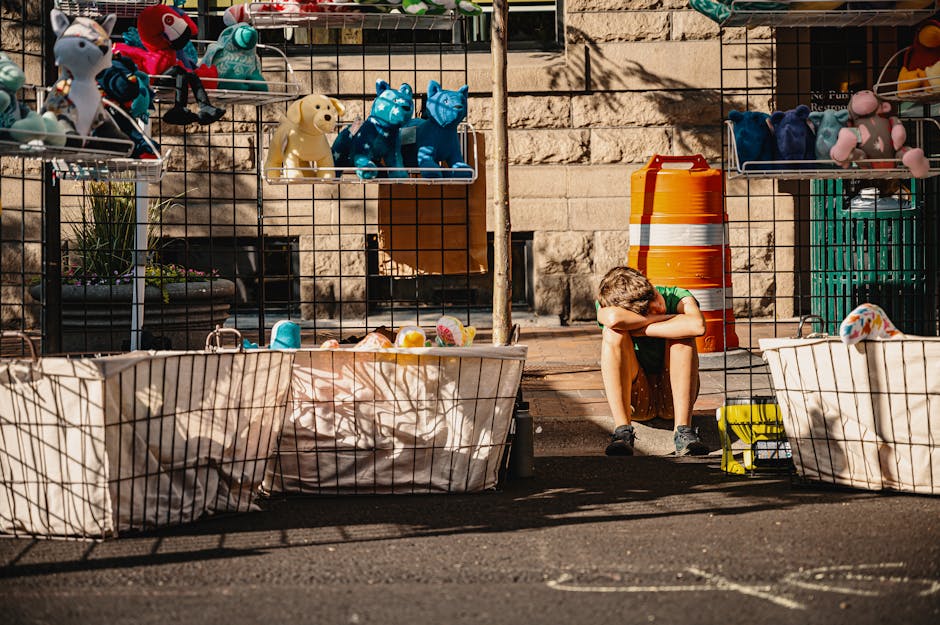
Do you find yourself tripping over toy trucks and skipping over jump ropes whenever you step outside? You're not alone.
Managing the chaos of kids' outdoor toys can be a real headache. But here's the good news: there's a simple solution to keep your yard tidy and your sanity intact. Imagine a space where every toy has its place, making it easy for your kids to grab their favorites and just as easy to put them back.
You'll discover practical tips and clever strategies to store kids' outdoor toys effectively. Let us guide you to reclaim your outdoor space without sacrificing playtime fun. Ready to transform your cluttered yard into a neat haven? Read on to find out how!

Credit: busytoddler.com
Decluttering The Play Area
Organize kids' outdoor toys by using weatherproof storage bins or baskets. Label each bin for easy identification. Store them in a shed or garage to protect from weather. Regularly sort through toys to keep the area tidy. This method helps maintain a clutter-free and inviting play space.
Decluttering your kids' play area can seem like a daunting task, especially when outdoor toys take over every inch of space. However, organizing this space can transform it into a more enjoyable and safe environment for your little ones. By taking a structured approach, you can make the process manageable and even fun.
Sorting Toys By Type
Begin by categorizing the toys. Group similar items together, such as balls, water toys, or ride-ons. This makes it easier to find what you need when playtime comes around. Try creating distinct sections or using storage bins to keep these categories separate. You might find that your child has a favorite type of toy, which can help you decide what to keep readily accessible. Does your child gravitate towards certain toys? This can guide you in deciding which items deserve prime space in the play area.
Identifying Broken Or Unused Items
As you sort, look for toys that are broken or no longer played with. This is a crucial step in decluttering. Broken toys can pose safety hazards and unused ones just take up space. Create two piles: one for broken items and one for those that haven't been touched in months. You can repair some toys or repurpose them, while others might need to be discarded or donated. Remember the last time you cleared out a drawer and felt relieved? The same satisfaction awaits when you declutter the play area. Practical Tips - Use clear bins to store toys, so you can see what's inside without opening them. - Label each bin with the type of toy it contains. - Create a donation box for toys your child has outgrown. By following these steps, you can create a play area that's not just tidy but also more inviting for your kids. What's the most surprising item you've found while decluttering?

Credit: justagirlandherblog.com
Choosing The Right Storage Solutions
Organizing kids' outdoor toys can be simple with the right storage solutions. Use sturdy bins for easy access and cleanliness. Shelving units keep items visible and orderly.
When it comes to keeping your kids' outdoor toys organized and in good condition, choosing the right storage solutions is essential. Not only do you want to keep the yard clutter-free, but you also want to ensure the toys remain intact and ready for the next play session. The right storage solutions can make a world of difference, turning chaos into order and prolonging the lifespan of the toys.
Weatherproof Containers
Weatherproof containers are a lifesaver for storing kids' outdoor toys. They protect against rain, snow, and the sun's harsh rays, keeping toys safe from the elements. Imagine the frustration of discovering your child's favorite toy ruined because it was left unprotected. With weatherproof containers, you can avoid this scenario. Look for containers with secure lids and robust materials. This ensures that no water seeps in and that the toys are shielded from extreme weather. You might consider transparent containers to easily see what's inside without opening them. This can save you time and effort when your child wants to find a specific toy.
Shelving Units And Racks
Shelving units and racks can transform your garage or shed into a more organized space. By elevating toys off the ground, these units provide easy access and prevent toys from being damaged by moisture. Think about how much time you spend searching for a missing toy when everything is piled up. Wouldn't it be easier if everything had its place on a shelf or rack? You can assign specific shelves or sections for different types of toys, like balls, water guns, or ride-on toys. This makes it easier for kids to find and put away their toys. Consider adjustable shelving units that can grow with your child's collection. As new toys are added, you can easily reconfigure the layout without needing to buy new furniture. Choosing the right storage solutions is more than just a matter of convenience. It's about creating a space where your kids can easily access their toys and encouraging them to take responsibility for putting things away. What storage solutions have worked best for you and your family? Share your thoughts in the comments below!
Creating Designated Play Zones
Organize kids' outdoor toys by creating designated play zones. This helps keep the yard tidy and toys easy to find. Use bins or baskets to store toys, ensuring quick access and simple cleanup.
Creating designated play zones can transform your backyard into a vibrant and organized space where kids can play freely while keeping their toys in check. Kids love having dedicated areas to call their own, and setting up these zones doesn't have to be a daunting task. With a bit of creativity and planning, you can create spaces that are both fun and functional, making clean-up a breeze.
Setting Up Play Areas
Begin by observing how your kids like to play. Do they enjoy running around, digging in the sand, or playing with water toys? Understanding their play preferences helps you define distinct zones. Consider using different sections of your yard for different activities. For instance, a corner can be dedicated to a sandbox, while another area can host a small splash pool. This not only organizes toys but also reduces clutter across your entire yard. Think about the environment too. Position the play areas in places where they get enough shade during the hot summer months. This ensures a comfortable playtime and prolongs the life of toys left outside.
Using Ground Markings
Ground markings are an excellent way to define play zones without any permanent installations. Use brightly colored mats or outdoor rugs to designate areas for specific activities. These not only add a splash of color but also help keep toys contained in their zones. Chalk can be another fun and temporary way to mark zones, especially on paved surfaces. Let the kids help with this—they might love drawing borders and creating their own imaginative spaces. For a more permanent solution, consider using garden edging or low fencing. This helps keep toys from straying too far and maintains a tidy look. Have you ever thought about how a simple border can encourage kids to keep their toys within the play area? By creating designated play zones and using effective ground markings, you invite organization and creativity into your backyard. Kids will appreciate the dedicated spaces, and you'll enjoy a tidier and more organized outdoor area.
Utilizing Vertical Space
Maximize storage by using vertical space for kids' outdoor toys. Install shelves or hooks on walls and fences. Keep the ground clear and organize toys efficiently.
Storing kids' outdoor toys can be a challenge, especially if you're dealing with limited space. One effective solution is to utilize vertical space in your garage or backyard shed. By using walls and ceilings, you can keep the floor clutter-free and make the most of the available area. Plus, it’s a fantastic way to keep toys organized and easily accessible for your children. Imagine the joy on their faces when they can find their favorite toy without the usual rummaging. Let's explore some practical ways to maximize vertical space.
Wall Hooks For Hanging
Wall hooks are a simple yet effective way to store outdoor toys. They are perfect for items like scooters, jump ropes, and even bicycles. You can easily install them at a height that your child can reach, promoting independence as they grab and return their toys. Consider setting up a row of hooks along one wall, dedicating specific hooks to particular items. This not only organizes the toys but also teaches your kids the value of responsibility and tidiness. Do you remember how frustrating it was to find your toys scattered everywhere as a kid? Wall hooks can be a game changer in keeping things in order.
Overhead Storage Options
If wall space is limited, think about going upward with overhead storage. Ceilings can be perfect for storing less frequently used items, like seasonal toys. Overhead racks or hanging baskets can hold larger items such as inflatable pools or sleds, keeping them out of the way but still within reach. This method can free up valuable floor space, making the area safer and more navigable for your kids. Before installing, ensure that your ceiling structure can support the weight of the items you're planning to store. Have you ever considered how much unused space is just above your head? Using vertical space not only organizes the toys but also transforms the entire play area. It keeps the space tidy and accessible, which is exactly what you need for a harmonious home environment. Remember, a clutter-free space is a stress-free space!
Labeling And Categorizing
Organizing kids' outdoor toys becomes easy with labeling and categorizing. Group toys by type, like balls or water toys. Use clear labels for bins or shelves, keeping everything tidy and easy to find. This method simplifies cleanup and encourages kids to play independently.
Storing kids' outdoor toys can often feel like a daunting task, especially when the garage or backyard resembles a colorful chaos of scattered playthings. But with a little effort in labeling and categorizing, you can transform this chaos into an orderly paradise that’s easy for both you and your children to manage. By organizing toys effectively, not only do you save time and space, but you also teach your kids valuable skills in organization and responsibility.
Creating Easy-to-read Labels
Creating labels is the first step to maintaining order in your kids' outdoor toys. Use large, bold fonts and vibrant colors to make labels that stand out. This makes it easier for children to read and follow. Consider using images or icons alongside text for those who can't read yet. A picture of a ball on a bin that holds sports equipment, for example, ensures even the youngest can pitch in with clean-up. Laminate your labels to make them weather-resistant if they're stored outside. This small step ensures longevity and keeps your system intact through all seasons.
Organizing By Age Group
Organizing toys by age group is incredibly practical. It helps you quickly locate appropriate toys for your children and keeps their playtime safe and suitable. For households with multiple kids, create separate sections for different age groups. This prevents the older siblings from accidentally leaving toys that aren't suitable for younger ones in their reach. Ask yourself: Is this toy still engaging for my child’s age? If not, consider storing it away for younger siblings or donating it. This helps keep your storage efficient and clutter-free. By labeling and categorizing, you create an organized space that is functional and easy to maintain. How can you make your storage system inviting and fun for your kids?
Encouraging Kids To Participate
Keeping kids' outdoor toys organized can encourage them to play more. Use storage bins and shelves to keep toys accessible and tidy. Involve children in sorting and storing to make it fun and teach responsibility.
Encouraging kids to participate in storing their outdoor toys can transform a mundane task into a fun learning experience. It teaches responsibility and fosters a sense of ownership. Plus, involving them in the process can make organizing less of a chore and more of a game. But how do you effectively engage your children in this activity?
Teaching Kids To Clean Up
Start by setting a good example. Show them how you clean up your own space. Your actions speak louder than words. Make it a routine. After playtime, guide them through the cleanup process. Consistency helps build habits. Explain the benefits. Let them know why putting toys away is important. It keeps their play area safe and ensures toys are ready for next time.
Incorporating Fun Into Organization
Turn organization into a game. Challenge your kids to a race against the clock. See who can tidy up the fastest. Use colorful bins and labels. Bright and engaging storage solutions can make the process exciting. It also helps them learn where each toy belongs. Reward their efforts. A small treat or extra playtime can motivate them. Positive reinforcement goes a long way in building good habits. Getting your kids involved in storing their toys can be a rewarding experience for both you and them. What creative methods will you try to make cleanup time enjoyable?
Maintaining The Organized Space
Organizing kids' outdoor toys can transform your space. Use bins or baskets to keep them tidy. Label each container for easy access. Store larger items in a designated area, like a shed or garage corner. Regularly check and rotate toys to maintain order.
Maintaining the organized space for your kids' outdoor toys can be a game changer in keeping your home tidy and your kids' playtime enjoyable. It’s easy for the play area to become cluttered, but with a little effort, you can transform chaos into calm. By focusing on regular maintenance, you can ensure that toys are always ready for fun and that your outdoor space remains inviting.
Setting Up A Regular Cleaning Schedule
Establishing a regular cleaning schedule is key to keeping toys in good condition and the area organized. Choose a day each week to gather all the toys for a quick wash. You can involve your kids in this process, making it a fun family activity. Use a simple mix of soap and water to clean most toys. For those that have been outside for a while, a gentle scrub can do wonders. Dry the toys thoroughly before storing them to prevent mold and mildew.
Seasonal Rotation Of Toys
Rotating toys seasonally helps manage the number of toys in play and keeps things fresh for your kids. Store away summer toys like water guns and pool floats when the weather turns cold. Bring out items that are more suitable for indoor play or cooler weather activities. Label the storage bins clearly with the season to make it easy to find what you need. Consider using clear bins so you can quickly see what’s inside. This also ensures that each toy gets its moment to shine and reduces clutter in your play area. Ask yourself, are there toys that your kids haven't played with in months? Maybe it’s time to rotate them out or donate them. Keeping the rotation going keeps the excitement alive and the space organized.

Credit: busytoddler.com
Frequently Asked Questions
How To Keep Outdoor Toys Clean?
To keep outdoor toys clean, regularly wipe them with a damp cloth. Use mild soap for stubborn stains. Store them in a dry place to prevent mold. You can also use a disinfectant spray for extra hygiene. This ensures toys remain safe and ready for play.
What Materials Are Best For Storing Toys?
Plastic bins are excellent for storing outdoor toys. They are durable and weather-resistant. Mesh bags allow toys to dry quickly. Opt for cabinets with locks for extra security. Always choose materials that shield toys from sunlight and moisture.
How Can I Prevent Toy Damage?
To prevent toy damage, store them in shaded areas. Use protective covers to shield from rain and sun. Regularly inspect for wear and tear. Repair any damages immediately. Proper storage ensures toys last longer and remain safe for children.
Are Storage Sheds Suitable For Toy Storage?
Yes, storage sheds are ideal for toys. They offer ample space and protection from elements. Ensure the shed is waterproof and well-ventilated. Organize toys inside using shelves and bins. A shed can keep toys safe and organized throughout the year.
Conclusion
Storing kids' outdoor toys doesn't have to be difficult. Use smart solutions to keep toys organized. Shelves, bins, and hooks work wonders. Your backyard will look neat and tidy. Toys will last longer when stored properly. Encourage kids to help with cleanup.
It teaches responsibility and care for their belongings. Keep weather in mind; protect toys from rain and sun. Regular checks ensure toys remain in good shape. A little effort goes a long way. Your kids will enjoy playing more with easy access to their toys.
Safe and organized spaces bring peace to playtime.


