
Are you eagerly watching your little one grow and develop each day? As a parent, one of the most thrilling milestones is when your baby starts grasping for toys.
It’s a simple yet significant moment that signals their growing curiosity and physical development. But when exactly does this happen, and how can you encourage it? Understanding the when and how of this developmental leap can help you support your baby’s growth effectively.
Stick around as we delve into what you need to know about your baby’s grasping abilities and how to make the most of this exciting stage.
Early Grasping Reflex
Understanding when babies start grasping for toys is a delightful journey into their world of discovery. One of the most fascinating aspects is the early grasping reflex, a natural ability that sets the stage for future skills. Watching your baby reach out for objects can be both exciting and a bit puzzling. You might wonder, is this intentional or just reflexive? Let’s unravel this mystery by exploring their newborn reflexes and primitive grasping.
Newborn Reflexes
Newborns come equipped with a set of reflexes that are crucial for their survival and development. The grasp reflex is one of these amazing features. When you place your finger or a small object in their palm, they instinctively wrap their fingers around it.
This reflex is not just about holding on; it's an early way for babies to start interacting with their environment. Think about how this simple action is a precursor to grabbing toys and eventually mastering skills like holding a spoon or a pencil.
If you've ever felt those tiny fingers clutching yours, you know the powerful bond it creates. It’s as if your baby is communicating with you, saying, "I’m here and I’m learning." This reflex is usually strongest in the first few months and gradually fades as they develop more intentional movements.
Primitive Grasping
As your baby grows, the primitive grasping reflex evolves into more controlled actions. Around three to four months, they start to reach for objects with intention. This is when the fun begins with toys!
During this phase, babies begin to experiment with different ways of holding things. They might grab toys, shake them, and even transfer them from hand to hand. This is your cue to introduce a variety of safe and colorful toys that encourage exploration.
Consider providing toys of different textures and sizes to stimulate their curiosity. Watching your baby explore these objects is not just about play; it's about building the foundations of hand-eye coordination and problem-solving skills.
Have you noticed how your baby reacts to different toys? Do they have a favorite they keep reaching for? Observing these preferences can give you insights into their developing personality and interests.
Early grasping is a fascinating window into your baby's development. It's more than just a reflex; it's the beginning of a lifelong journey of learning and exploration. What other milestones have surprised you in your baby's growth? Share your experiences and let us know what unique discoveries your baby has made.
First Intentional Grabs
Babies experience a fascinating journey in their first year. One significant milestone is their ability to grasp toys intentionally. This development excites many parents. It signals a growing awareness and curiosity in their child. Babies learn to control their movements and reach for objects purposefully.
Three-month Milestones
At around three months, babies start to show interest in their surroundings. They begin reaching for toys, though their movements might seem uncoordinated. This period marks the transition from reflexive to intentional grabs. Parents might notice their little one swatting or batting at toys. This behavior is a precursor to more controlled movements.
Developing Hand-eye Coordination
Grasping toys helps babies refine their hand-eye coordination. This skill is crucial for their overall development. As they practice, their movements become more precise. Playing with toys encourages visual tracking and improves motor skills. Offering a variety of toys can stimulate their senses and aid learning.
Babies enjoy toys that are easy to hold. Soft textures and bright colors attract their attention. As they grow, their grip strengthens, allowing them to handle different objects. This process lays the foundation for future skills like writing and drawing.
Improved Motor Skills
As your baby begins to grow, you'll notice remarkable changes in their ability to interact with the world around them. One of the most thrilling developments is improved motor skills. These skills are crucial as they help your baby grasp toys and explore their environment more effectively. Watching your little one reach out and grab objects can be a rewarding experience, showcasing their growing independence and curiosity.
Six-month Progress
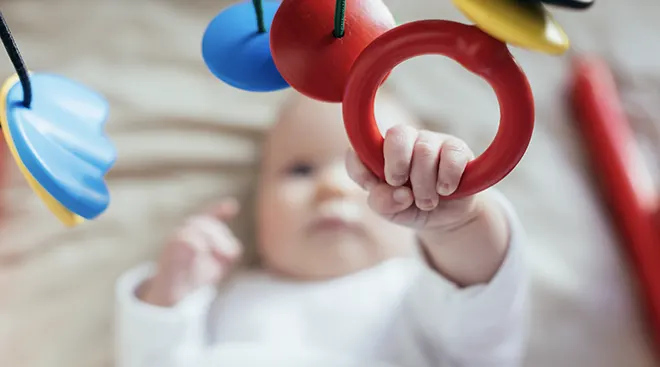
By the time your baby reaches six months, their motor skills have advanced significantly. You might notice them reaching out more confidently for toys. Their grip becomes stronger, allowing them to hold objects with both hands.
At this stage, babies are often eager to grab anything in sight. Have you seen your baby stretch their tiny fingers towards a bright-colored toy? It's a testament to their developing motor skills.
Encourage this progress by offering toys that are easy to grasp. Soft blocks and rings can be great options. These toys not only fit snugly in their hands but also stimulate their tactile senses.
Exploring Objects
With improved motor skills, babies start to explore objects in new ways. They'll shake, bang, and throw toys as they learn about cause and effect. This exploration is vital for their cognitive development.
Offer a variety of textures and shapes to keep them engaged. Watch as they discover the difference between a smooth ball and a textured block. Each exploration moment is an opportunity for learning.
Have you noticed your baby examining toys with intense concentration? This curiosity is a sign of their growing understanding of the world. Providing safe and interesting objects can further nurture their development.
Remember, every baby develops at their own pace. Celebrate these milestones and continue offering toys that challenge and delight your little explorer. How has your baby's grasping ability surprised you lately?
Credit: www.thebump.com
Precision And Control
Babies begin grasping toys around three months, developing precision and control. During this stage, hand-eye coordination improves as they explore textures and shapes. Observing them reach for objects is a milestone in fine motor skills, laying the foundation for future learning.
Precision and control are crucial milestones in a baby's development, especially when it comes to grasping toys. As your baby grows, their ability to hold objects with intention becomes more refined. This development is not just about play; it's a significant step towards independence. Watching your child reach for a toy and successfully grasp it is a rewarding moment for any parent. But when exactly does this start, and how does it progress? Let's dive into the details.
Pincer Grasp Development
One of the key milestones in a baby’s journey towards precision is the development of the pincer grasp. This involves using the thumb and forefinger to pick up small objects. It typically starts to emerge around 8 to 10 months of age. Imagine your baby picking up a small piece of cereal between their tiny fingers. This simple act shows remarkable growth in their fine motor skills. To encourage this, offer your baby safe, small objects they can practice picking up.
Nine-month Achievements
By nine months, many babies have made significant strides in their grasping abilities. They can pick up toys with more control and transfer them between hands. This is also the age when they start to experiment with banging objects together. Observe your baby during this time. Are they using both hands to explore different toys? This is a crucial time for them to practice coordination and build strength in their fingers and hands. Encourage these activities by providing toys that make noise or have different textures, which can captivate their attention and stimulate further development. Does your baby surprise you with their growing skills each day? Share your experiences in the comments below, and let's celebrate these small, yet monumental, achievements together.
Encouraging Development
Babies grow and learn rapidly in their early months. Grasping toys is a key developmental milestone. Encouraging this skill enhances motor skills and brain development. Parents play a vital role in supporting this progress. Simple actions and appropriate toys can make a big difference.
Selecting Appropriate Toys
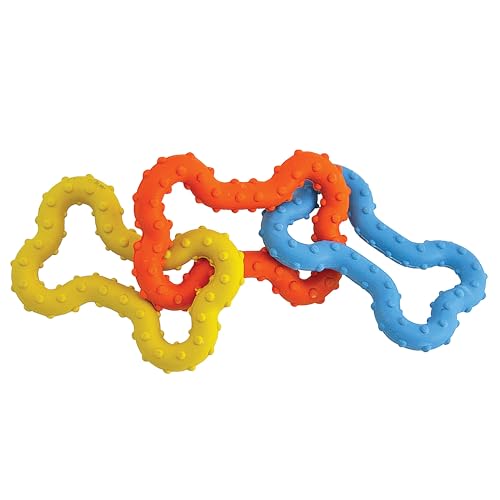
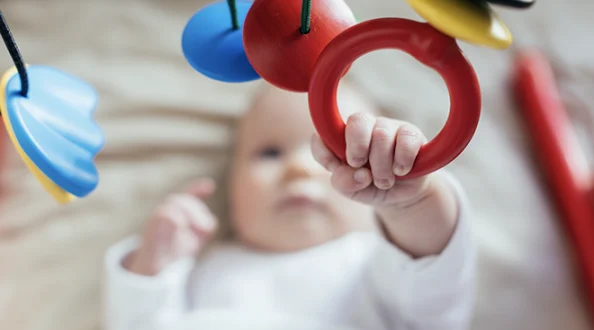
Choose toys that are safe and easy to hold. Soft, lightweight toys are ideal for small hands. Bright colors and different textures attract their interest. Rattles, soft blocks, and teething rings are excellent choices. Avoid toys with small parts to ensure safety.
Interactive Play Techniques
Engage with your baby during playtime. Shake a rattle gently to catch their attention. Encourage them to reach and grasp. Introduce toys with sounds for added stimulation. Use playful voices and facial expressions. This interaction strengthens their senses and bonds with you.
Credit: www.thebump.com
Signs Of Concern
Babies typically start grasping toys around three to four months old. Watch for delayed hand-eye coordination or lack of interest in toys as signs of concern. Consult a pediatrician if these issues persist beyond four months.
Recognizing when your baby starts grasping for toys is a joyful milestone. However, some parents may notice signs that raise concerns. It's important to understand what may be typical and what might need further attention. Early intervention can make a difference, so keeping an eye on your baby's progress is key.
Delayed Grasping
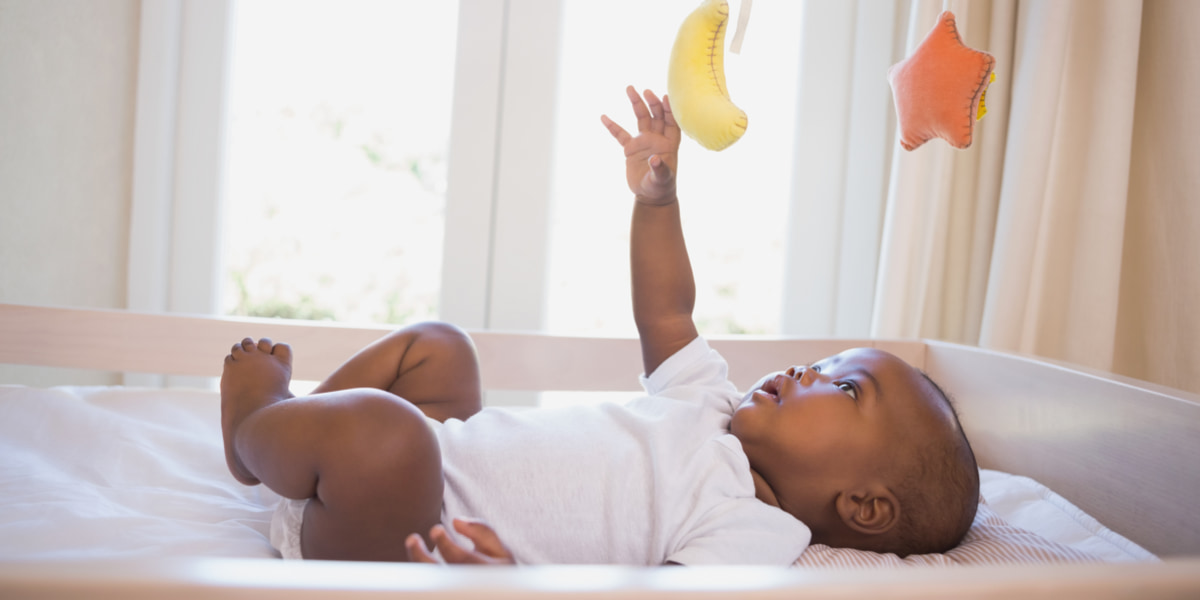
If your baby isn't reaching for toys by the age of five months, it might be time to pay closer attention. While some babies take a little longer, a noticeable delay could indicate underlying issues. Are you noticing your baby struggling to hold onto items or showing little interest in toys? This could be a sign that you might want to explore further. Every baby develops at their own pace, but understanding typical timelines helps in identifying potential delays early.
Consulting Pediatricians
When should you consult a pediatrician? If your baby shows a continuous lack of interest in grasping toys or seems to have difficulty with hand-eye coordination, reaching out to a healthcare professional is wise. A pediatrician can offer insights and suggest simple exercises to encourage development. They can also assess whether more specialized care or therapy is needed. You might feel hesitant, but early consultation can provide peace of mind and ensure your baby's healthy development. Ask yourself, would you rather wait and see or take action now for your child's future?
Credit: www.parentclub.scot
Frequently Asked Questions
When Do Babies Start Grasping Objects?
Babies typically begin grasping objects around 3 to 4 months old. At this age, their hand-eye coordination improves. They start reaching for toys and exploring textures. Encouraging grasping can aid their motor skills development. Offering colorful toys can stimulate their interest and enhance sensory experiences.
How Can I Encourage Grasping Skills?
To encourage grasping skills, provide toys that are easy to hold. Soft, textured toys can enhance sensory exploration. Playtime involving reaching and grabbing can improve coordination. Ensure toys are safe and age-appropriate. Engage in activities that promote hand-eye coordination, such as stacking blocks.
Why Is Grasping Important For Development?
Grasping is crucial for motor skill development. It enhances hand-eye coordination and fine motor skills. Through grasping, babies explore their environment and learn about textures. It lays the foundation for future skills like writing. Encouraging grasping helps develop cognitive abilities and sensory experiences.
What Toys Are Best For Grasping Practice?
Toys that are lightweight and easy to hold are ideal. Soft, colorful toys can attract attention and stimulate exploration. Textured toys provide sensory feedback. Rattles, teething rings, and stacking blocks are excellent choices. Choose toys that are safe and age-appropriate for developmental stages.
Conclusion
Babies start grasping toys around three to six months. This milestone is exciting for parents. It shows growth and curiosity. During this time, offer safe, colorful toys. Encourage your baby to explore. Their tiny hands will reach out eagerly. This strengthens their motor skills.
Every baby develops differently. Celebrate each small achievement. Watch your child’s progress closely. Enjoy these moments of discovery. They grow so fast! Create a playful environment. It supports learning and fun. Understanding these stages helps parents engage better. Keep observing your baby's unique journey.
Cherish each step along the way!