
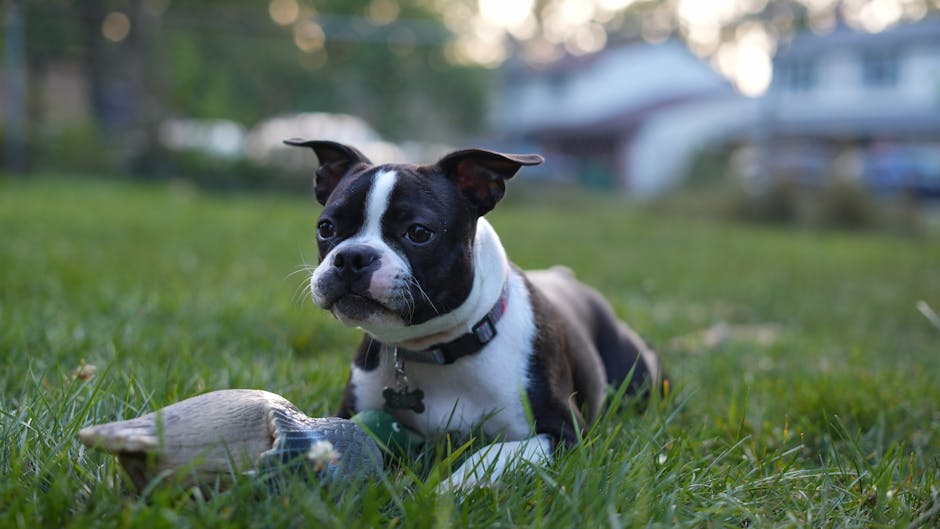
Have you ever noticed your dog cradling her favorite toy as if it's her own little pup? It's a behavior that can be both adorable and puzzling.
You're left wondering, "Why is my dog treating her toy like a baby? " This behavior might seem unusual, but it's more common than you think. Understanding why your furry friend does this can deepen your connection and enrich your shared experiences.
We'll explore the fascinating reasons behind this nurturing behavior. You'll uncover insights into your dog's instincts and emotions, which might surprise you. As you read on, you'll find practical tips and expert advice to help you understand and support your dog’s unique bonding habits. So, if you're curious about what your dog's behavior really means, keep reading! Your journey into the heart of your pet's mind starts here.
Canine Behavior And Attachment
Dogs often show surprising behaviors that pique our curiosity. One such behavior is treating toys like babies. This might seem strange, but it reveals fascinating insights into canine behavior and attachment. Dogs have complex emotional lives, and their interactions with toys can be quite telling. Understanding the reasons behind these actions can strengthen the bond between you and your furry friend.
Instinctual Drives
Dogs are born with strong instincts. These drives guide their actions. In the wild, dogs care for their young with dedication. This nurturing instinct doesn't disappear. Sometimes, it transfers to objects like toys. When a dog cradles or protects a toy, instinct is at play. The toy becomes a surrogate for their nurturing urge.
This behavior is more common in certain breeds. Breeds with strong maternal instincts often display this trait. Spaniels and retrievers may especially exhibit this nurturing behavior. They have been historically bred for caring tasks. Their instincts push them to treat toys like offspring.
Emotional Bonds With Objects
Dogs form emotional attachments to objects. Toys can become comforting companions. These bonds develop over time. A toy might remind the dog of a happy moment. It becomes a symbol of security or joy. Dogs often choose specific toys for snuggling or carrying.
These attachments can be strong. They provide emotional support, similar to a security blanket for humans. The familiarity of the toy offers comfort. Dogs can feel less anxious when they have their favorite toy nearby. This emotional connection is a key reason behind treating toys like babies.
Understanding these behaviors helps in nurturing your dog's emotional needs. Providing a variety of toys can enrich their emotional life. Observe how your dog interacts with toys. This can reveal much about their emotional world.

Credit: www.tiktok.com
Toy As A Comfort Object
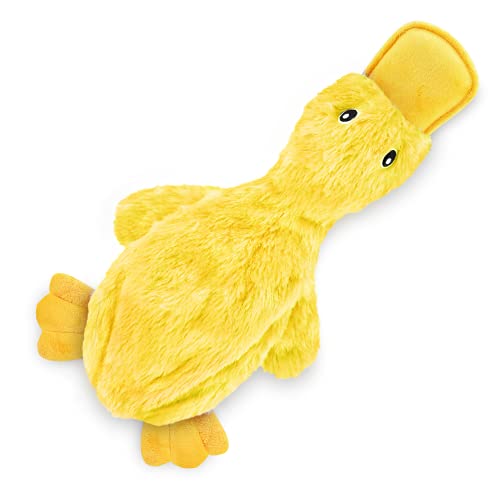
Dogs often see toys as comfort objects, treating them like babies. This behavior stems from their nurturing instincts. Soft toys offer companionship, reducing anxiety and stress.
When you notice your dog cradling her toy like a baby, you might wonder why she's behaving this way. Dogs often treat toys as comfort objects, providing them a sense of security and familiarity. This behavior is akin to how children use certain items to feel safe, especially in new or stressful situations. Let's delve deeper into the concept of toys as comfort objects and why they hold such importance for our furry friends.
Similarities To Security Blankets
Just like a child clings to a beloved blanket, your dog may become attached to her toy. This attachment can provide a sense of stability and comfort. If you've ever noticed your dog carrying her toy from room to room, think of it as her portable piece of security. Dogs are creatures of habit, and familiar objects can help them navigate changes in their environment. A toy that your dog treats like a baby might be her way of coping with a new home or a change in routine. Have you noticed your dog cuddling her toy during thunderstorms or fireworks? This behavior is quite similar to how children hug their blankets when scared.
Stress Reduction
Toys can significantly reduce stress for dogs, acting as a calming influence in chaotic situations. They provide an outlet for anxiety, allowing your pet to channel her nervous energy into something soothing. Imagine how you feel when you grip a stress ball during a tense moment; your dog experiences similar relief with her toy. Consider how your dog reacts when left alone at home. Does she bring her toy to her favorite spot and settle down? This is her way of managing separation anxiety. By understanding this, you can help her feel more comfortable when you're not around, perhaps by giving her a special toy just for those times. Have you ever thought about how you can make your dog feel even more secure? By observing her interactions with her "baby," you can learn a lot about her emotional needs and how to meet them. It's fascinating to witness the parallels between human and canine behavior, isn't it?
Maternal Instincts In Dogs
Ever wondered why your dog treats her toy like a baby? It might be due to her natural maternal instincts. Dogs, like humans, have an inherent desire to nurture. Female dogs often show care and protection towards objects. This behavior can mimic their instincts to raise puppies. Understanding these instincts helps explain their actions.
Natural Caregiving Behaviors
Dogs often display caregiving behaviors naturally. This includes licking, cuddling, and guarding. Female dogs, especially, might adopt these actions with toys. They might carry the toy gently in their mouths. Sometimes, they even groom the toy. These actions resemble how they would care for puppies. Even spayed dogs show these nurturing traits.
Breed-specific Traits
Certain dog breeds show stronger maternal instincts. Breeds like Golden Retrievers and Labradors are known for their gentle nature. They tend to be more nurturing. Herding breeds like Border Collies also exhibit protective behaviors. These breeds often treat toys as surrogate puppies. Each breed has unique caregiving tendencies.

Credit: gooddogpeople.com
Role Of Play In Dog Development
Dogs, much like humans, experience critical development stages. Play is central to their growth. It shapes their behavior and responses. Through play, dogs learn valuable life skills. These include communication, problem-solving, and social interaction. Observing your dog treating a toy like a baby is part of this complex play behavior.
Learning Through Play
Play is an educational tool for dogs. It allows them to explore their environment safely. By interacting with toys, dogs develop cognitive skills. They learn cause and effect. A toy squeaks when pressed. This simple action teaches them control and precision.
Play helps dogs understand their own bodies. They test their strength and agility. This builds physical coordination. Puppies learn bite inhibition. They discover how hard they can bite without causing harm. These lessons are crucial for their growth.
Socialization And Role-playing
Socialization is a key part of dog development. Through play, dogs practice social cues. They learn to read body language. This includes tail wagging and ear positions. Playing with toys mimics social interactions. It helps them understand pack dynamics.
Role-playing is common in dog play. Treating a toy like a baby is an example. It mimics nurturing behavior. Dogs practice caring and protection. This behavior is instinctual and important. It reflects their natural roles in the wild.
Overall, play enriches a dog’s life. It fosters development in various domains. Understanding this helps us appreciate their playful antics.
Signs Of Toy Attachment
Dogs often treat toys like babies due to their nurturing instincts. This behavior shows affection and a sense of protection. Such attachment indicates the toy provides comfort, similar to a security blanket.
Have you noticed your dog treating her toy like a baby? This behavior might seem strange, but it’s not uncommon. Dogs often form attachments to their toys, displaying behaviors that are both endearing and intriguing. Understanding these signs can help you appreciate your dog’s unique personality and needs.
Protective Behaviors
One clear sign of toy attachment is protective behavior. Does your dog guard her toy from other pets or even from you? She might growl softly or move the toy to a safe spot if someone approaches. This protective instinct shows she values the toy highly. It’s similar to how she might guard her food or favorite napping spot. Consider how much joy and comfort the toy brings her.
Carrying And Cuddling Actions
Another sign is how she carries and cuddles the toy. Have you seen her gently carrying it around the house? Or perhaps she cuddles with it during nap time? This behavior indicates a strong emotional bond with the toy. My neighbor’s dog, Bella, carries her stuffed bear everywhere. It’s heartwarming to see Bella snuggle with it as if it's her pup. This attachment can be a source of comfort, especially when you’re not around. These behaviors might make you wonder why your dog forms such strong bonds with an inanimate object. Is it a substitute for companionship? Or does it remind her of past nurturing experiences? Observing your dog’s actions can provide answers and deepen your connection with her. Understanding these signs of toy attachment helps you support your dog’s emotional health. It also offers insights into her world, enhancing the bond you share.
Addressing Toy Attachment
Dogs often develop strong attachments to their toys. Some even treat them like babies. This behavior can be both adorable and puzzling. Understanding toy attachment helps ensure your dog remains happy and healthy. Pay attention to signs of healthy or obsessive behavior. Encourage balanced play to promote well-being.
Healthy Attachment Vs. Obsession
A healthy attachment to toys is normal. Dogs find comfort and joy in their favorite toys. They often carry them around or cuddle with them. But excessive attachment might signal obsession. Obsessive behavior can include guarding or refusing to leave the toy. It can also lead to anxiety if the toy is unavailable. Understanding the difference is key to your dog's happiness.
Watch for changes in your dog's behavior. If they become aggressive or anxious, it may be a problem. Keep track of how often your dog plays with the toy. Healthy play should be balanced and not interfere with daily activities. If it does, it might be time to intervene.
Encouraging Balanced Play
To maintain a healthy relationship with toys, encourage balanced play. Introduce a variety of toys to your dog. Rotate them to keep playtime exciting. This prevents dependency on one toy. Engage in interactive play sessions with your dog. Use toys as tools to strengthen your bond.
Schedule regular playtimes throughout the day. Ensure your dog experiences different types of activities. Physical exercise, mental challenges, and social interactions are important. This variety keeps your dog engaged and content. If your dog shows signs of obsession, gently redirect their attention. Offer new toys or engage in a different activity. This helps break the cycle and encourages healthy behavior.

Credit: www.bringfido.com
Frequently Asked Questions
Why Does My Dog Carry Her Toy Everywhere?
Dogs may carry toys everywhere due to instinctive nurturing behaviors. This behavior mimics how they would care for their young. It provides comfort and a sense of security. Some dogs have a strong maternal instinct, which extends to inanimate objects like toys.
Is It Normal For Dogs To Treat Toys Like Babies?
Yes, it is normal for dogs to treat toys like babies. This behavior can be attributed to their maternal instincts. Dogs often exhibit nurturing behaviors towards objects. It provides them comfort and satisfies their caring instincts.
How Can I Stop My Dog From Mothering Her Toy?
To stop your dog from mothering her toy, offer alternative activities. Engage her in play or exercise regularly. Distract her with treats or new toys. Gradually, she might lose interest in mothering the toy.
Should I Be Concerned About This Behavior?
Generally, this behavior is harmless and not a cause for concern. However, if it becomes obsessive, consult a veterinarian. They can assess if there are underlying issues. Otherwise, it's a natural, comforting behavior for dogs.
Conclusion
Understanding your dog's behavior with toys can be fascinating. It often shows their instincts and emotions. Treating a toy like a baby might reflect nurturing instincts. It can also be a sign of comfort or companionship. Observing this behavior helps strengthen your bond with your pet.
It's essential to provide a safe and caring environment. This encourages healthy play and emotional well-being. So, next time you see your dog cuddling her toy, appreciate her unique personality. Cherish these moments and learn more about her world.